
 English
 русский
 Español
-
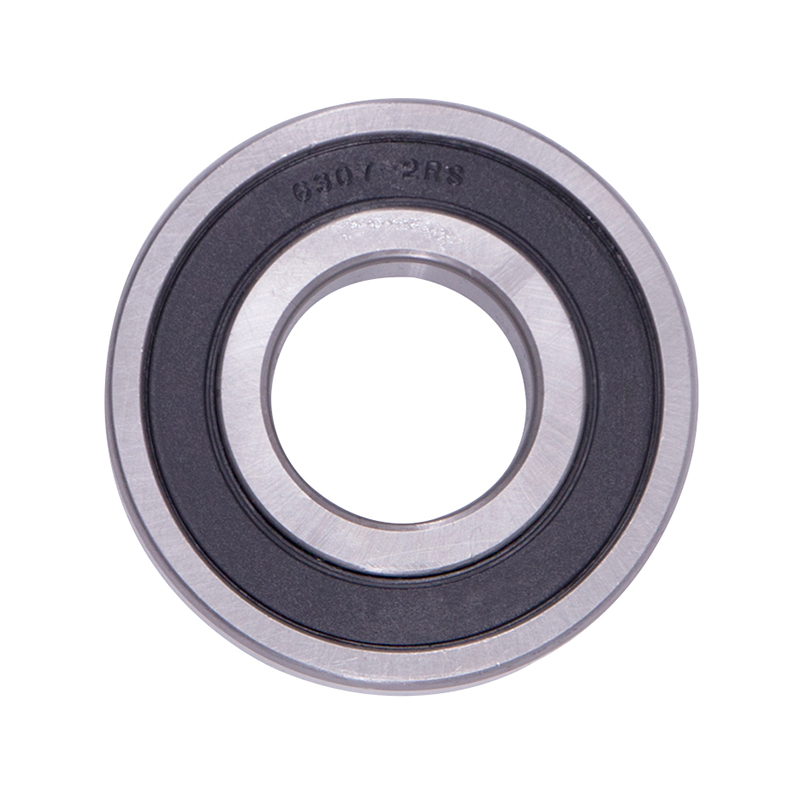 Wheel Hub Bearings
 -
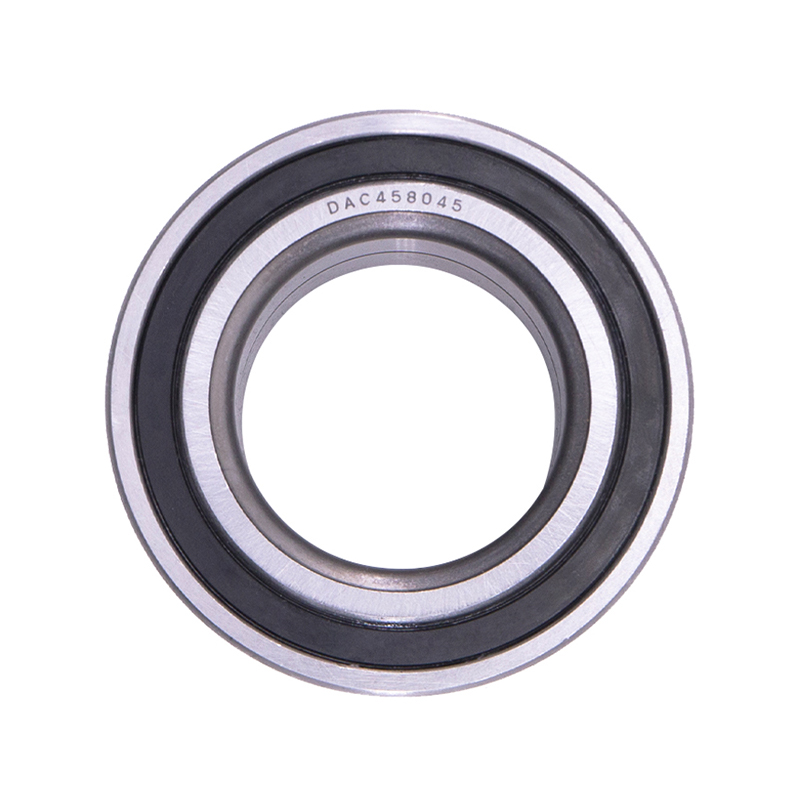 Wheel Hub Bearings
DAC387436 DAC458045 Hub Deep Groove Ball Car Wheel Bearing
-
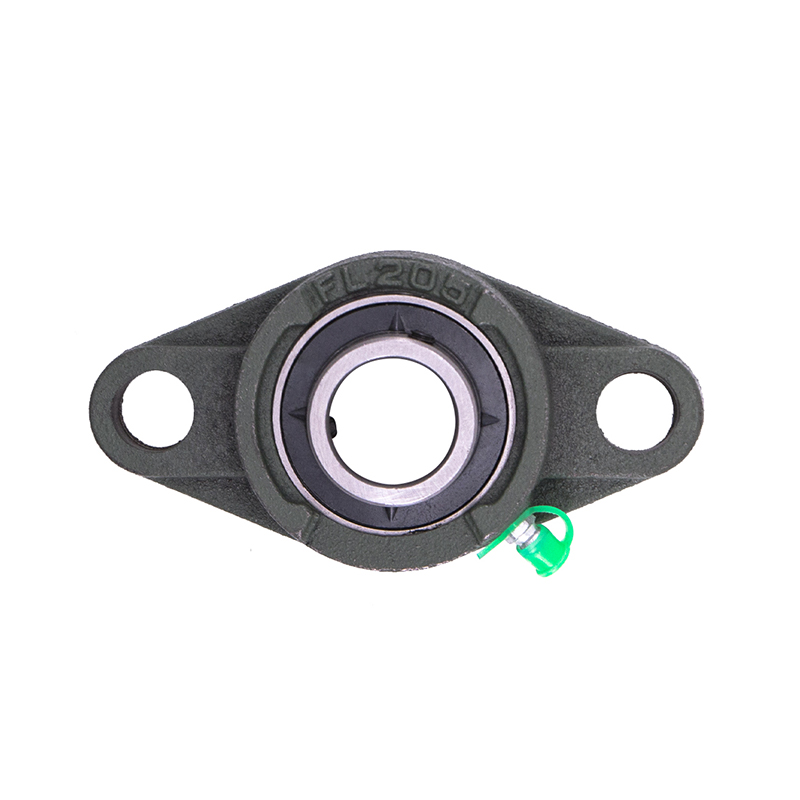 Spherical Bearings
FL204 FL205 FL206 Stainless Steel Pillow Block Bearing
-
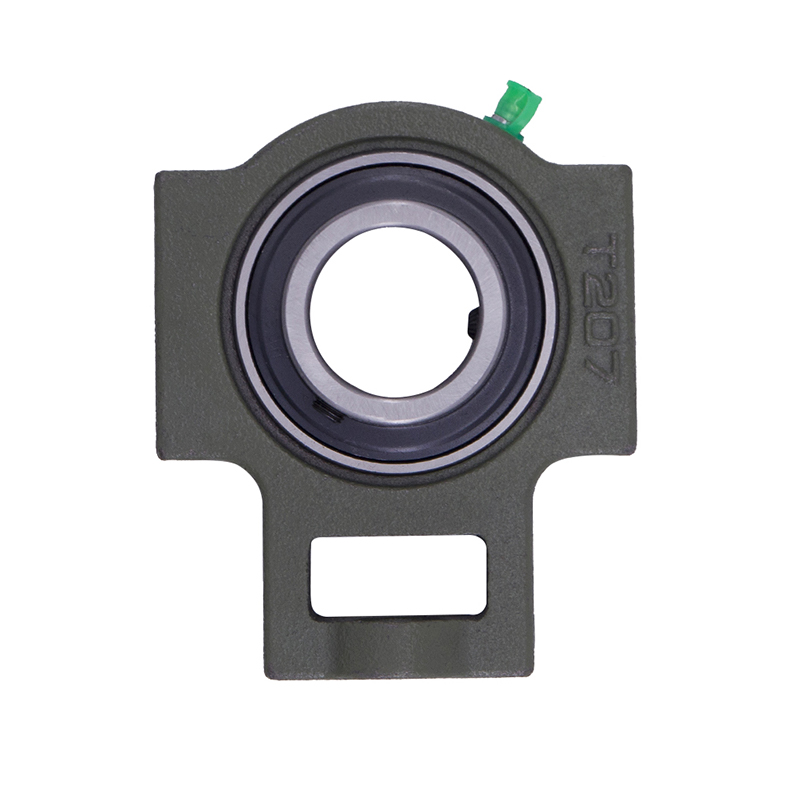 Spherical Bearings
T204 T207 UC204 High Speed Insert Pillow Block Bearing
-
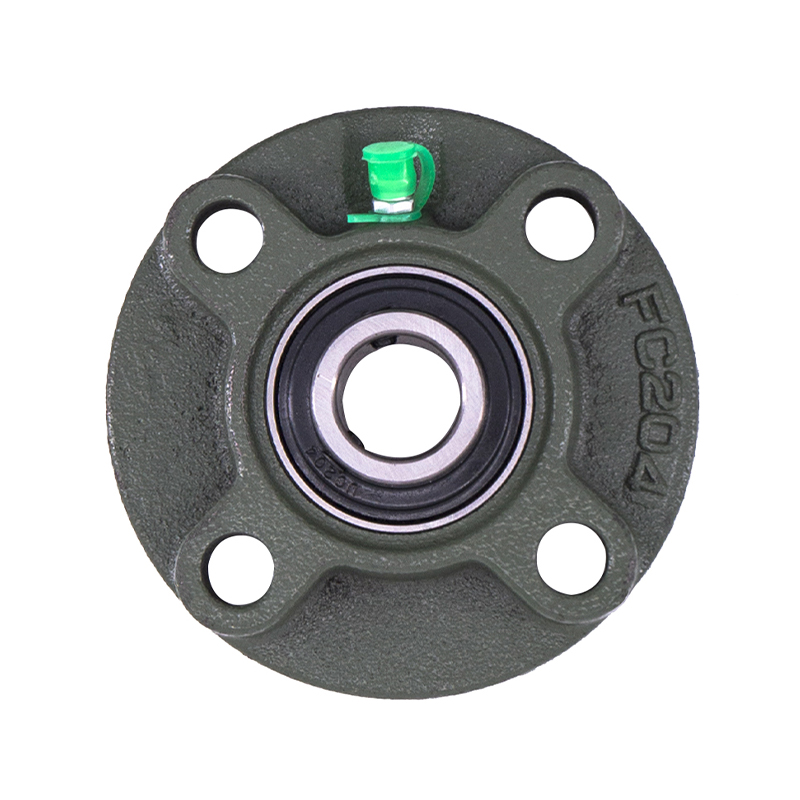 Spherical Bearings
FC204 F210 Auto Wheels Bike Pillow Block Bearing
-
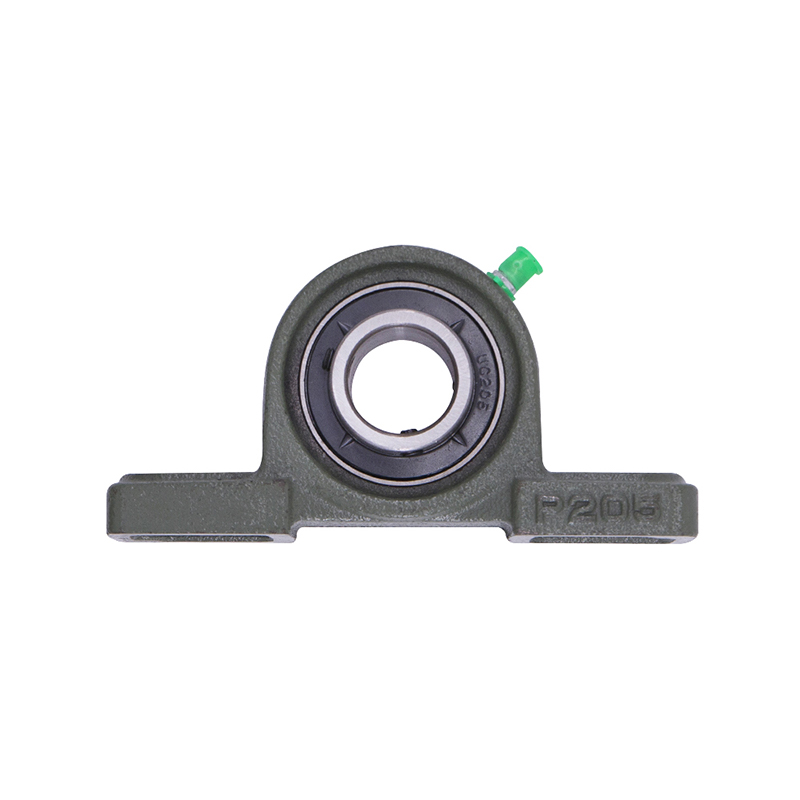 Spherical Bearings
P207 206 205 203 High Precision Wheel Pillow Block Bearing
-
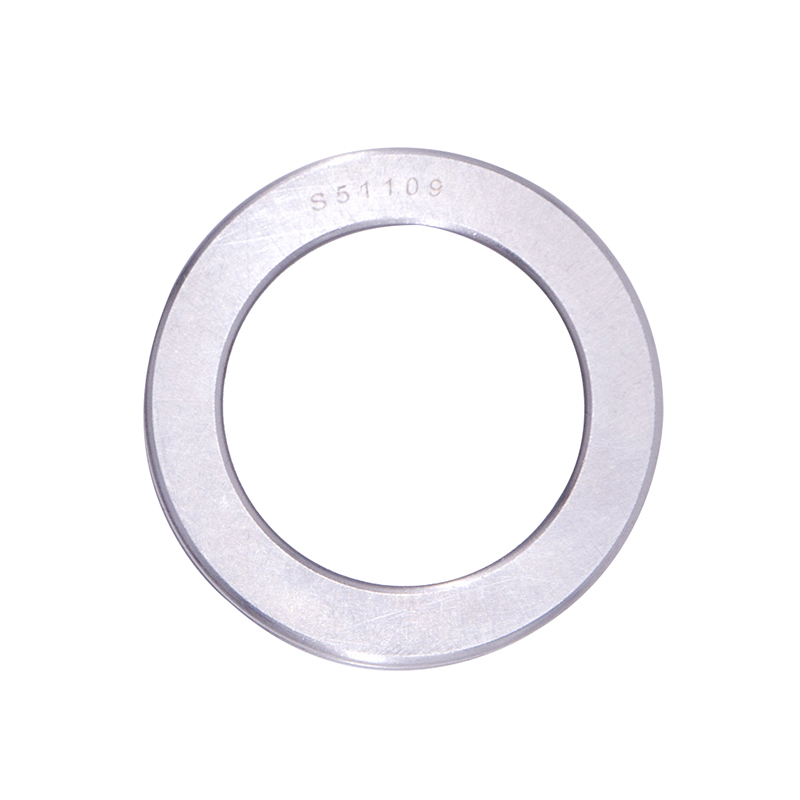 Thrust Roller Bearings
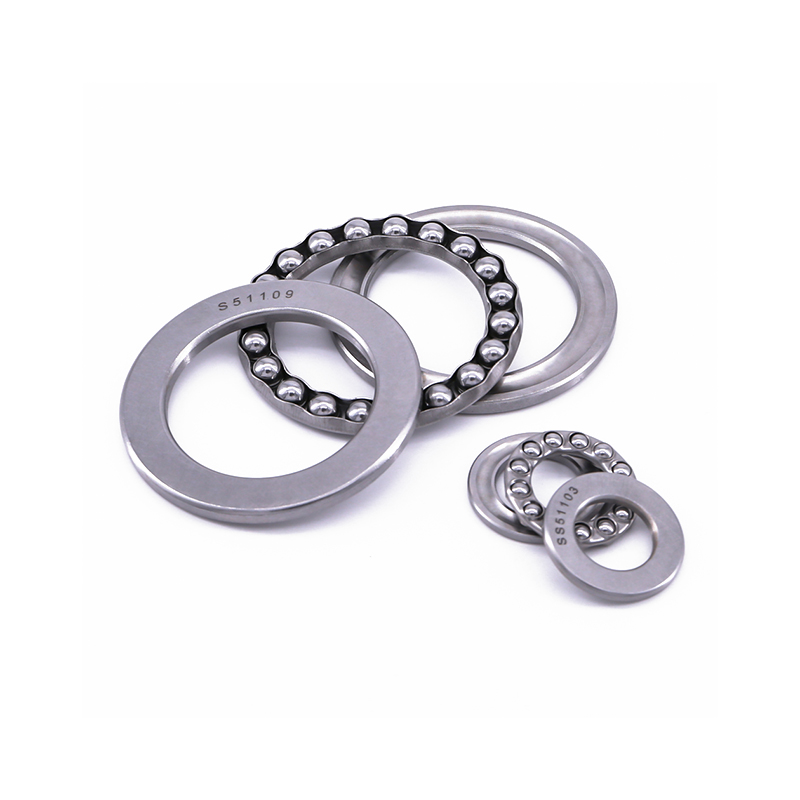
S51100 S51107 S51109 Car Wheel Plain Thrust Ball Bearing
-
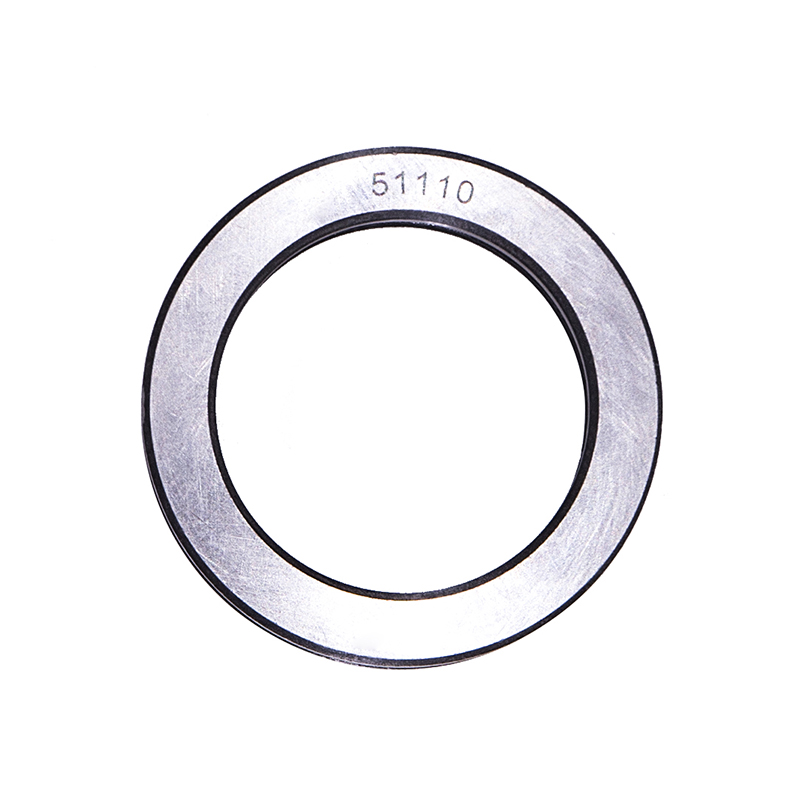 Thrust Roller Bearings
51110 51107 51104 51206 High Speed Plain Thrust Ball Bearing
Double Row Angular Bearings Find New Roles in Heavy Machinery
Industry news-Heavy machinery is entering a new stage where equipment designers require stronger load support, improved operating stability, and compact mechanical structures. From construction equipment to industrial production systems, rotating components must handle complex forces generated by continuous movement, vibration, and changing workloads. Under these conditions, Double Row Angular Contact Ball Bearing solutions are gaining attention because of their ability to support combined radial and axial loads within a compact design.
Unlike conventional bearing arrangements that may require multiple single-row units, double-row angular contact designs integrate two rows of rolling elements into one bearing structure. This configuration provides higher rigidity and supports axial loads in both directions, making it suitable for machinery that experiences multidirectional forces.
Heavy Machinery Creates New Demands for Bearing Performance
Large industrial machines operate under complicated working conditions. Excavators, presses, compressors, pumps, and automated production equipment often experience combined forces instead of simple radial loading. A bearing must maintain accurate shaft positioning while handling sudden changes in operating conditions.
- Combined load handling: Heavy equipment often produces radial forces together with axial pressure, requiring a bearing structure designed for multiple directions.
- Space optimization: Machinery designers prefer components that provide strong performance without increasing installation dimensions.
- Higher stiffness requirements: Stable shaft support helps maintain equipment accuracy during repeated operations.
- Adaptation to harsh environments: Dust, vibration, and temperature changes require reliable bearing materials and sealing options.
The structure of double-row angular contact bearings is similar to combining two single-row angular contact bearings in a back-to-back arrangement, while maintaining a more compact form. This allows the bearing to handle axial loads from both directions and support moment loads in fixed-end applications.
Why Machine Builders Are Turning Toward Double Row Designs
Modern machinery is becoming smaller while performing more demanding tasks. Engineers are looking for components that reduce assembly complexity while maintaining mechanical strength. Double-row angular contact bearings provide a practical approach because one bearing unit can replace certain paired bearing arrangements.
| Application Area | Role of Double Row Angular Bearing |
| Industrial Pumps | Supports rotating shafts under combined radial and axial forces |
| Compressors | Maintains shaft stability during continuous operation |
| Machine Tools | Provides rigidity for precision rotating components |
| Heavy Drive Systems | Handles changing loads caused by acceleration and deceleration |
This design approach is especially useful in equipment where installation space is limited. Instead of arranging multiple bearings with additional components, engineers can use an integrated solution that simplifies mechanical layouts.
Technical Features Supporting Industrial Applications
The performance of an angular contact bearing depends on several design elements, including contact angle, cage material, internal clearance, and lubrication method. Different industrial environments require different specifications to achieve stable operation.
Contact Angle and Load Direction
The contact angle determines how the bearing responds to axial forces. Common double-row angular contact bearing designs are available with contact angles such as 25° or 32°, allowing engineers to match bearing characteristics with application requirements.
Material Selection and Internal Structure
Bearing rings and rolling elements are commonly produced from hardened bearing steel. High-quality steel materials provide the necessary hardness and fatigue resistance for repeated industrial cycles. Cage materials, including pressed steel and polyamide resin options, help maintain proper ball spacing and smooth movement.
Sealing and Lubrication Options
Heavy machinery often operates in environments where contaminants may affect internal components. Sealed versions help reduce the entry of dust and moisture, while suitable lubrication improves movement consistency and reduces friction during operation.
New Application Opportunities Beyond Traditional Machinery
The role of double-row angular contact bearings is expanding beyond traditional industrial equipment. New mechanical systems require greater precision and stronger support, creating additional application possibilities.
- Automated guided vehicles: Mobile industrial equipment needs compact bearings that support dynamic loads during movement.
- Renewable energy equipment: Rotating systems require stable components under variable operating conditions.
- Advanced manufacturing systems: Precision machinery benefits from improved rigidity and positioning control.
- Transportation equipment: Vehicle-related mechanisms require dependable rotation support under changing loads.
Research and engineering developments continue to focus on bearing stiffness, load distribution, and improved operating accuracy. Double-row structures remain valuable in applications where both radial and axial forces appear together.
Key Parameters Engineers Review Before Installation
Choosing a suitable bearing model requires understanding the actual operating environment. Load type, rotation speed, housing design, and temperature conditions all influence bearing performance.
| Parameter | Engineering Consideration |
| Bore Size | Matches shaft diameter and mounting requirements |
| Dynamic Load Rating | Evaluates performance under continuous rotation loads |
| Static Load Rating | Considers possible deformation during heavy stationary loads |
| Internal Clearance | Influences heat expansion and operating stability |
| Lubrication Type | Determines suitability for speed and temperature conditions |
Heavy Equipment Development Creates Fresh Bearing Possibilities
As industrial machines continue to evolve, bearing requirements are becoming more specialized. Equipment manufacturers are no longer focused only on basic rotation support. They need components that provide accurate positioning, strong load capacity, and reliable performance under challenging conditions.
Double Row Angular Contact Ball Bearing technology fits this direction by combining compact construction with multidirectional load support. Whether applied in pumps, compressors, machine tools, or heavy industrial systems, these bearings continue to provide design flexibility for modern mechanical engineering.
Compact Structures Support Stronger Machinery
The development of heavy machinery depends on every internal component working together efficiently. Bearings may appear small compared with the equipment they support, but their role in maintaining stable rotation and load distribution is significant.
With improvements in materials, manufacturing accuracy, and application-specific designs, double-row angular contact bearing solutions are becoming an important option for demanding industrial systems. Their ability to manage combined forces while saving installation space gives them continued value in the next generation of mechanical equipment.
Our Product//
Related Product
If you are interested in our products, please consult us
Contact Details
- Address: 1377-13 Yinhai International, Jinhua, Zhejiang, China
- Fax: 0086-0319-8544668
- Tel: +86-15215868236
+86-15833609668 - Email: [email protected]
Products
Quick Link
News Center
Mobile terminal
Copyright © Yiwu Delian Bearing Co., Ltd. ALL RIGHTS RESERVED.
