
 English
 русский
 Español
-
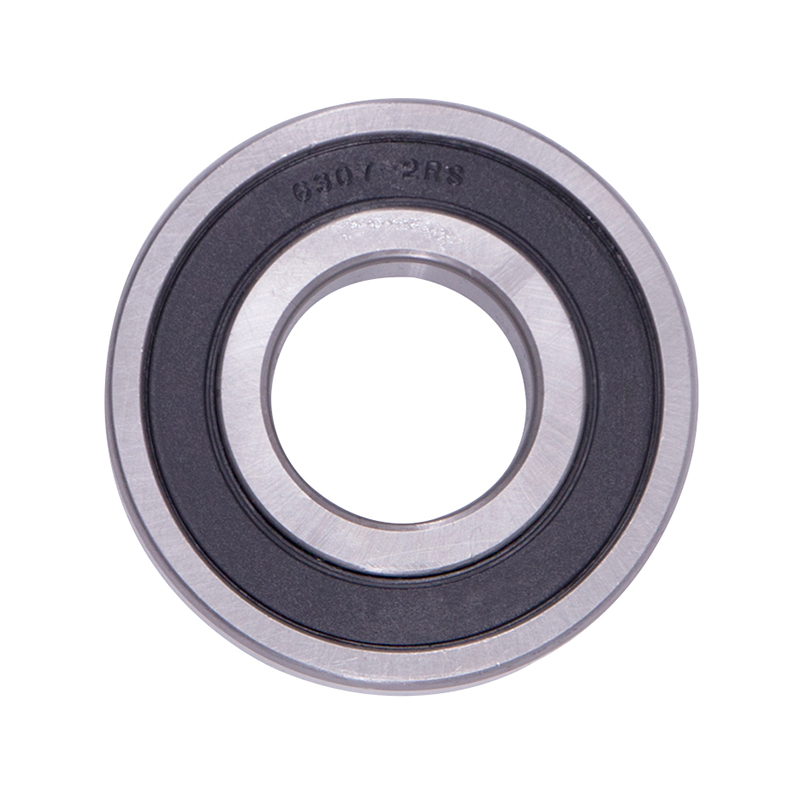 Wheel Hub Bearings
 -
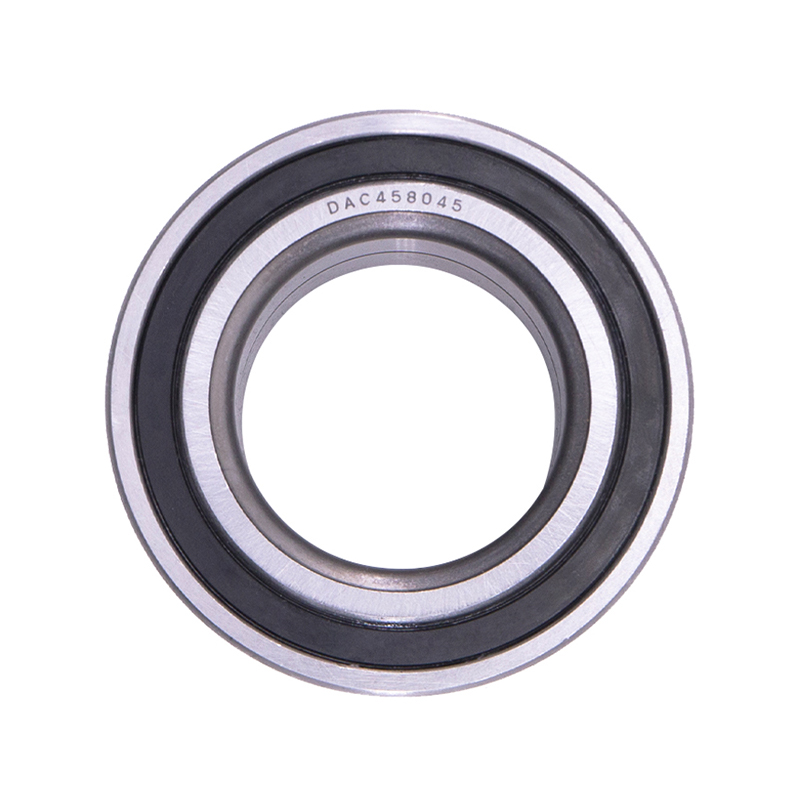 Wheel Hub Bearings
DAC387436 DAC458045 Hub Deep Groove Ball Car Wheel Bearing
-
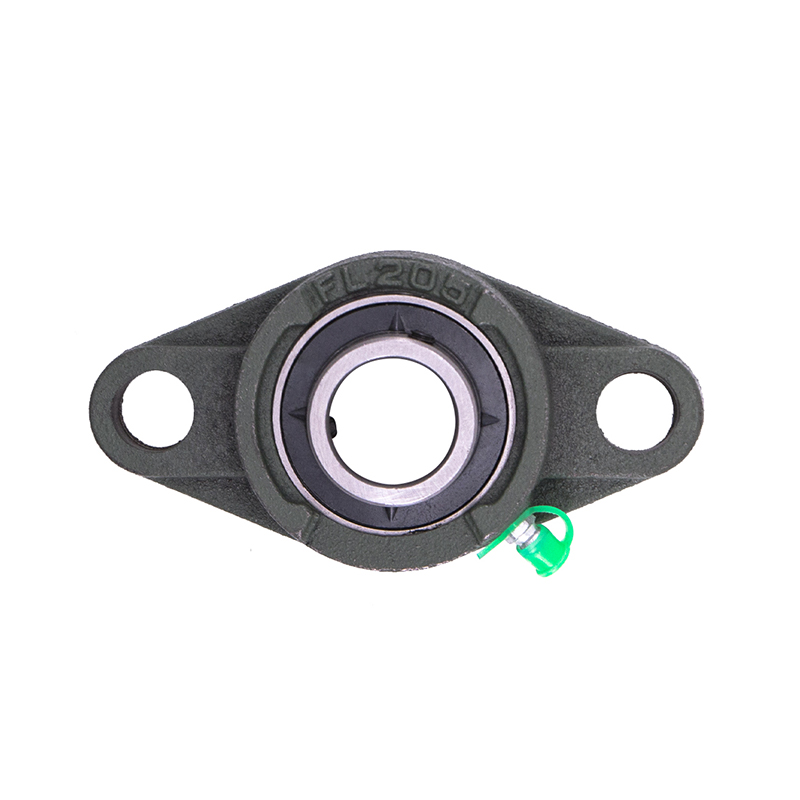 Spherical Bearings
FL204 FL205 FL206 Stainless Steel Pillow Block Bearing
-
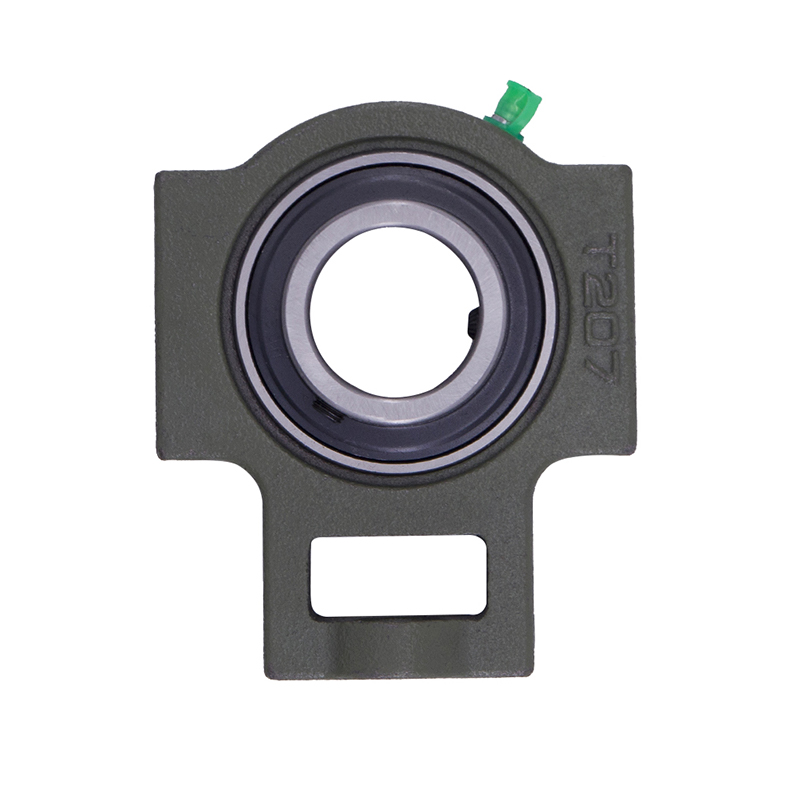 Spherical Bearings
T204 T207 UC204 High Speed Insert Pillow Block Bearing
-
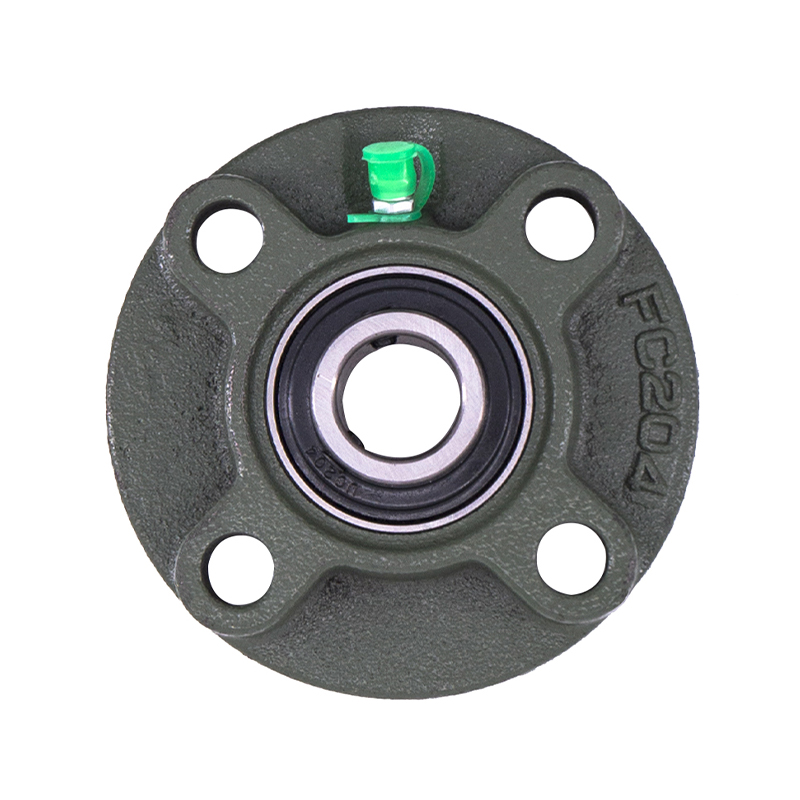 Spherical Bearings
FC204 F210 Auto Wheels Bike Pillow Block Bearing
-
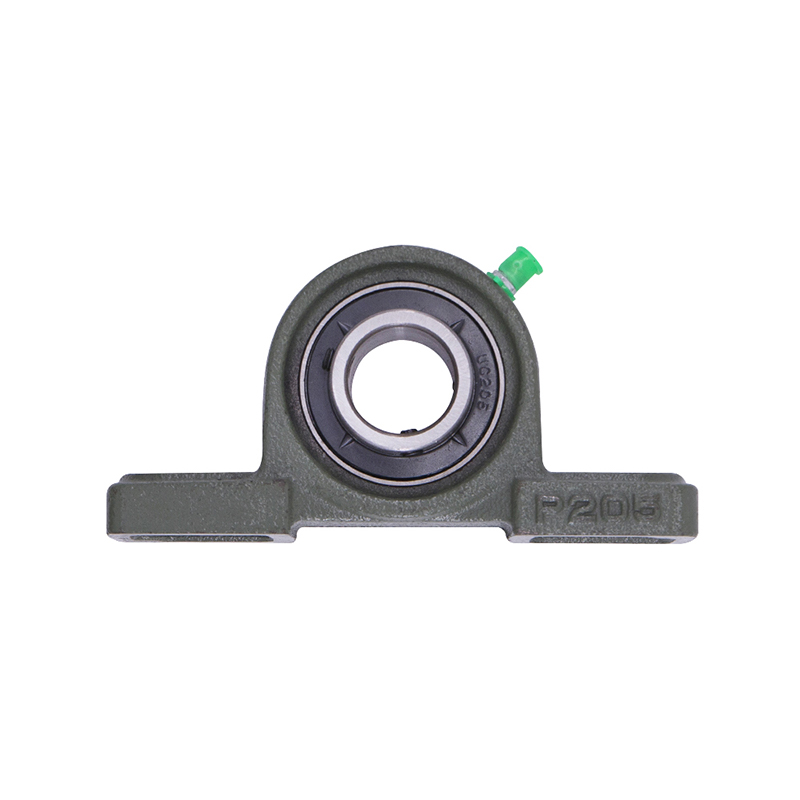 Spherical Bearings
P207 206 205 203 High Precision Wheel Pillow Block Bearing
-
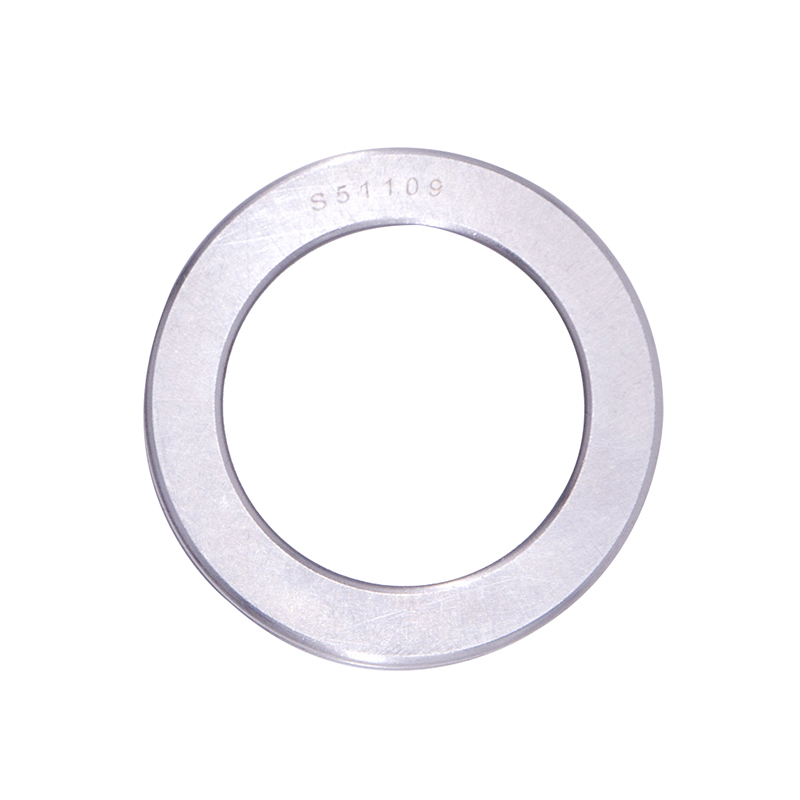 Thrust Roller Bearings
S51100 S51107 S51109 Car Wheel Plain Thrust Ball Bearing
-
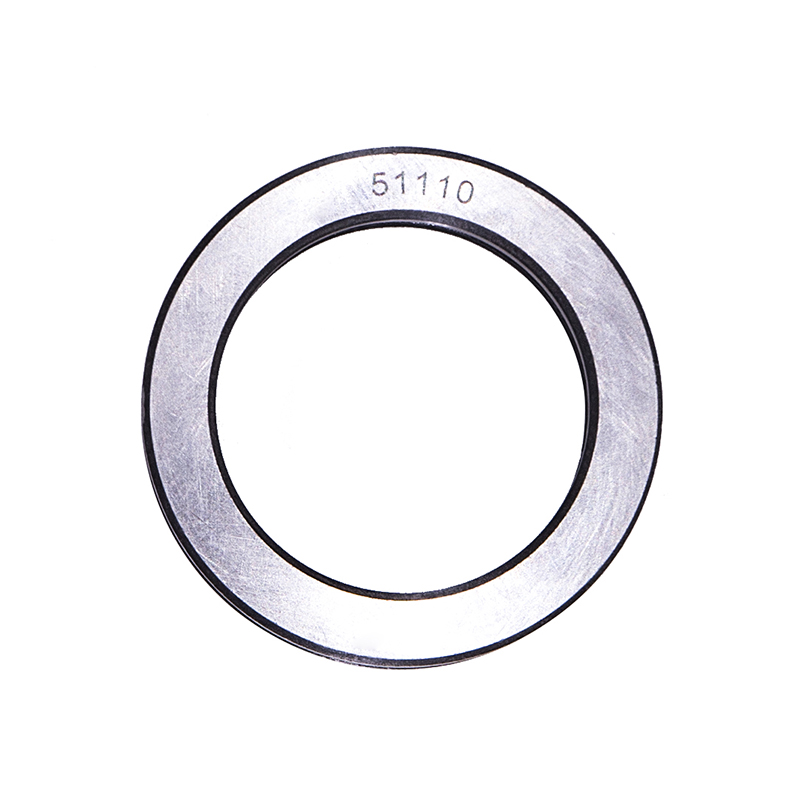 Thrust Roller Bearings
51110 51107 51104 51206 High Speed Plain Thrust Ball Bearing
Are 6810Z Thin Wall Bearings Really Suitable for Side-Load Wheel Applications
Industry news-Wheel systems often face more than simple rotational movement. Side forces caused by cornering, uneven surfaces, external impacts, and shaft misalignment can create additional loads on bearing assemblies. The 6810Z Thin Wall Deep Groove Ball Bearing attracts attention in compact wheel designs because of its slim cross-section, lightweight structure, and ability to fit into limited installation spaces.
However, a thin wall bearing is not automatically suitable for every side-load application. Its performance depends on load direction, operating speed, mounting rigidity, shaft design, and expected service conditions. Understanding how this bearing handles lateral forces helps engineers avoid incorrect application decisions.
Understanding the Structure Behind 6810Z Thin Wall Bearings
Compact geometry with space-saving advantages
The 6810Z belongs to the 68 series of single-row deep groove ball bearings. Typical dimensions include a 50 mm bore diameter, 65 mm outside diameter, and 7 mm width. The narrow width allows designers to reduce assembly thickness while maintaining rotational support.
| Parameter | Typical Value |
| Bore Diameter | 50 mm |
| Outside Diameter | 65 mm |
| Width | 7 mm |
| Bearing Type | Single-row Deep Groove Ball Bearing |
| Shield Design | Z Metal Shield |
The slim ring structure reduces installation space, but it also changes how external forces are transferred through the bearing. Compared with thicker bearing designs, thin section bearings generally have less material around the raceway area, making load distribution more sensitive to deformation and mounting conditions.
How Side Loads Affect Deep Groove Ball Bearings
Radial load and side load are not identical
Wheel applications often describe cornering force or lateral movement as side load. From a bearing perspective, this force usually creates axial loading, moment loading, or combined radial and axial stress.
Deep groove ball bearings are primarily designed for radial loads, while they can also accommodate limited axial loads in both directions. The actual capability depends on bearing size, contact conditions, speed, lubrication, and load duration.
- Radial force: Load acting perpendicular to the shaft centerline
- Axial force: Load acting parallel to the shaft direction
- Moment load: Combined force creating tilting stress on the bearing rings
Side-load wheel systems frequently produce a combination of these forces rather than a single pure load condition.
Potential Challenges Under Continuous Side Loading
Raceway stress concentration
The internal raceway of the 6810Z Thin Wall Deep Groove Ball Bearing is designed for smooth ball rotation. Continuous side forces can shift the ball contact area away from the ideal position, creating uneven pressure distribution.
Long-term operation under excessive lateral force may result in:
- Localized raceway fatigue
- Uneven ball path wear
- Higher vibration levels
- Reduced rotational accuracy
Ring deformation sensitivity
The narrow cross-section is the key feature of thin wall bearings, but it also means the rings have less structural thickness compared with conventional bearings. Housing stiffness and shaft support become important factors because external deformation can influence internal clearance.
| Application Condition | Impact on Bearing |
| Rigid housing support | More stable load distribution |
| Flexible mounting structure | Higher risk of ring deformation |
| Frequent impact loads | Accelerated internal fatigue |
When 6810Z Bearings Can Work Well in Wheel Systems
Suitable application characteristics
The 6810Z Thin Wall Deep Groove Ball Bearing can perform effectively in wheel-related systems under controlled conditions. Typical suitable environments include compact mechanisms where space limitation is a primary design factor and side loads remain within the bearing’s rated capability.
- Light-duty wheels
- Precision rotating platforms
- Small mechanical rollers
- Compact transmission components
Applications requiring frequent heavy cornering forces, shock impacts, or high moment loads may require a different bearing arrangement with stronger axial support capability.
Comparison Between Thin Wall and Conventional Bearing Structures
| Feature | 6810Z Thin Wall Bearing | Standard Deep Groove Bearing |
| Installation Space | Very compact | Requires more radial space |
| Weight | Lower | Higher |
| Load Resistance | Suitable for moderate loads | Generally higher structural stiffness |
| Design Flexibility | Excellent for compact systems | Better for heavy-duty structures |
Installation Factors That Influence Side-Load Performance
Shaft and housing accuracy
Precision fit between shaft and housing directly affects bearing behavior. Misalignment may create uneven contact pressure, especially in thin section bearings where available structural stiffness is limited.
Proper preload control
Excessive preload increases friction and heat, while insufficient preload may allow internal movement. Maintaining suitable clearance helps the bearing handle changing wheel forces more consistently.
- Check shaft tolerance: Prevent unwanted inner ring movement
- Verify housing rigidity: Reduce external deformation influence
- Control operating temperature: Maintain lubricant performance
Technical Considerations Before Using 6810Z in Wheel Applications
Engineers should evaluate several factors before applying the bearing in side-load environments:
| Evaluation Item | Purpose |
| Load calculation | Confirm radial and axial force levels |
| Rotation speed | Check heat and lubrication conditions |
| Mounting structure | Prevent deformation-related stress |
| Operating environment | Consider dust, moisture, and temperature |
Matching Bearing Design With Real Wheel Loads
The suitability of the 6810Z Thin Wall Deep Groove Ball Bearing for side-load wheel applications depends on the actual working environment rather than the bearing size alone. Its slim design provides valuable advantages in compact assemblies, but continuous heavy lateral forces require careful evaluation of load direction, support rigidity, and operating conditions.
A properly designed system can take advantage of the lightweight structure and precision rotation characteristics of thin wall bearings. However, applications with strong side impacts or high moment loads should consider whether additional load capacity or alternative bearing arrangements are necessary to maintain stable performance.
Our Product//
Related Product
If you are interested in our products, please consult us
Contact Details
- Address: 1377-13 Yinhai International, Jinhua, Zhejiang, China
- Fax: 0086-0319-8544668
- Tel: +86-15215868236
+86-15833609668 - Email: [email protected]
Products
Quick Link
News Center
Mobile terminal
Copyright © Yiwu Delian Bearing Co., Ltd. ALL RIGHTS RESERVED.
