
 English
 русский
 Español
-
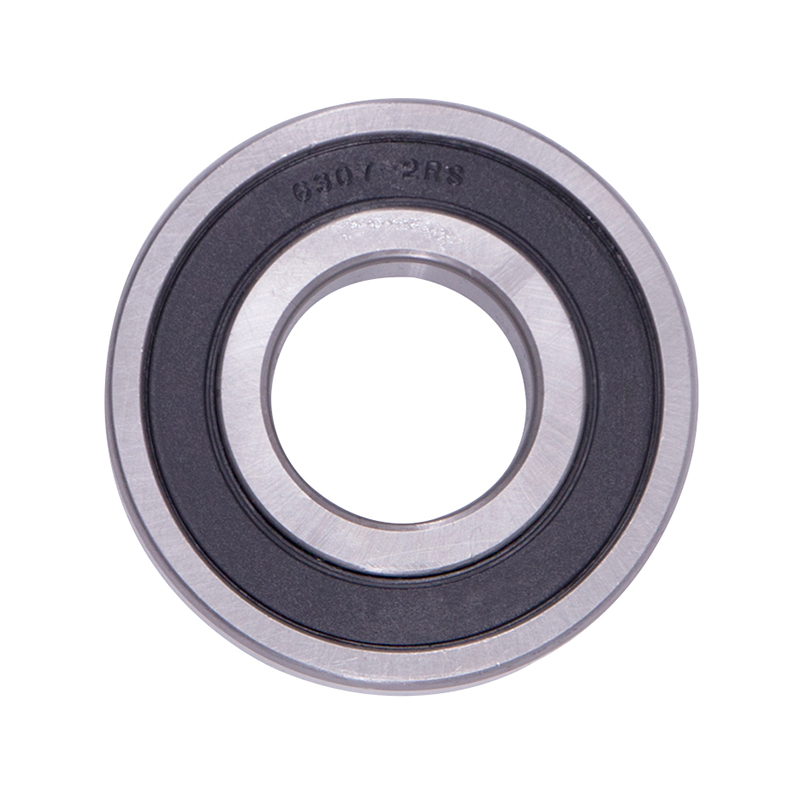 Wheel Hub Bearings
 -
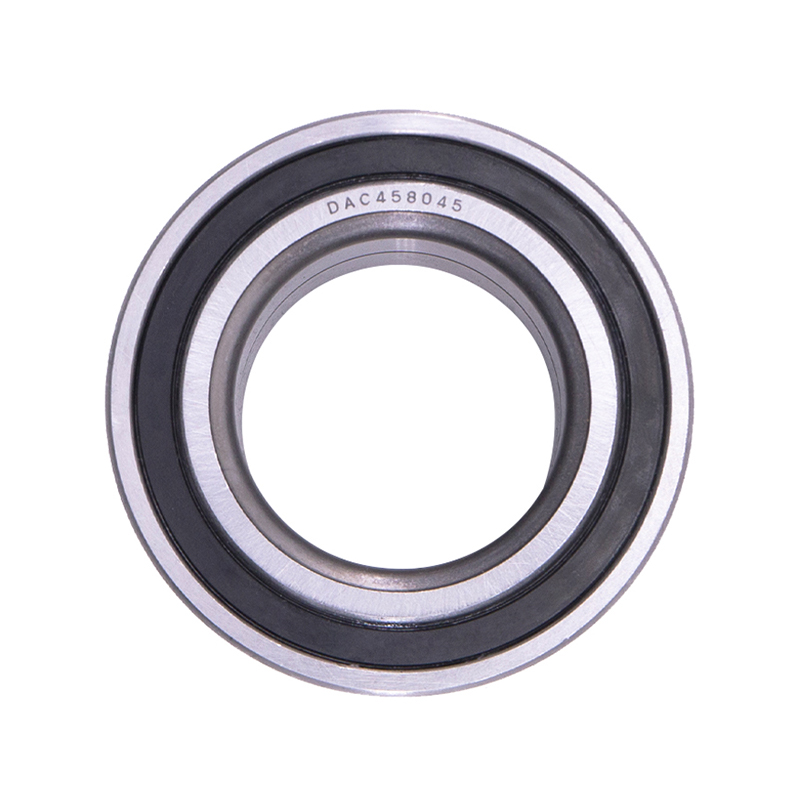 Wheel Hub Bearings
DAC387436 DAC458045 Hub Deep Groove Ball Car Wheel Bearing
-
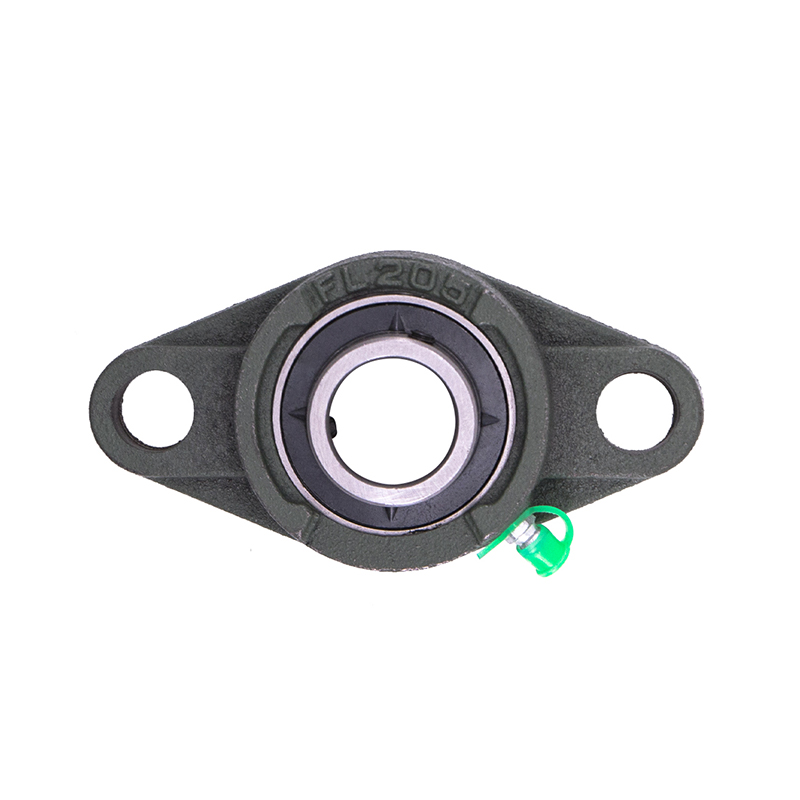 Spherical Bearings
FL204 FL205 FL206 Stainless Steel Pillow Block Bearing
-
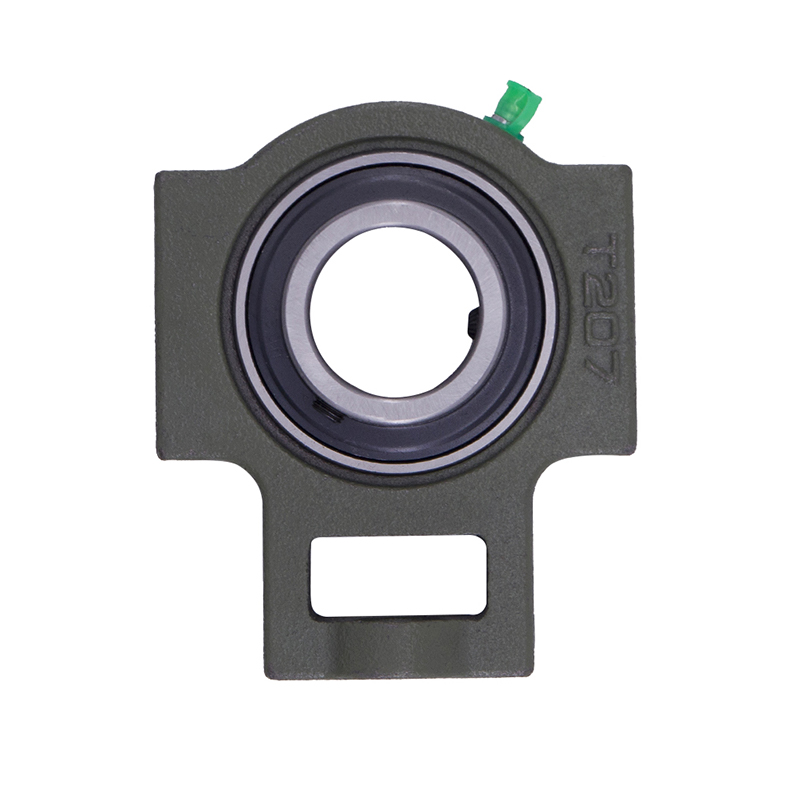 Spherical Bearings
T204 T207 UC204 High Speed Insert Pillow Block Bearing
-
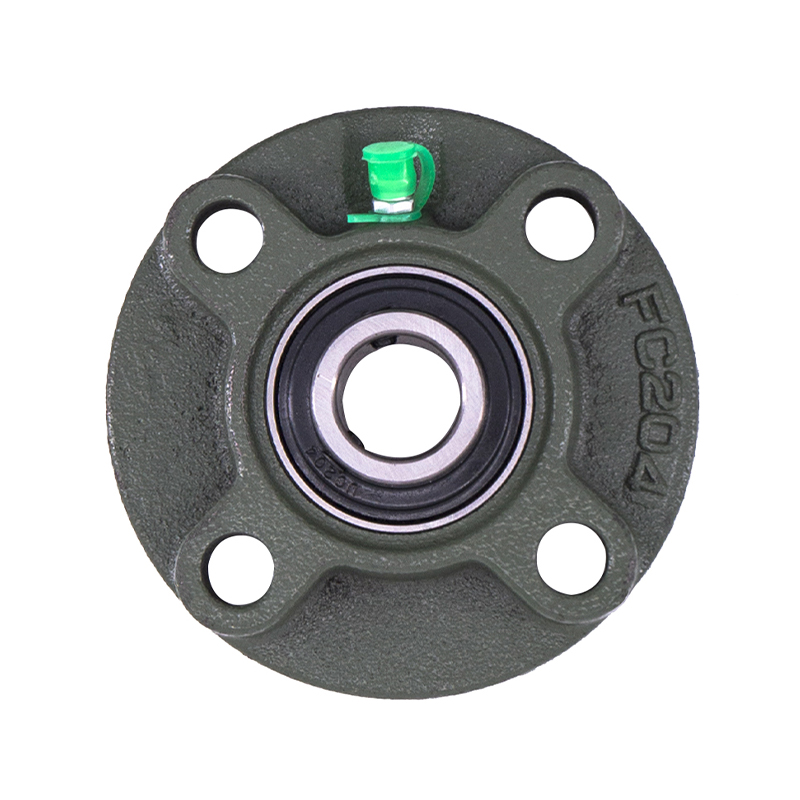 Spherical Bearings
FC204 F210 Auto Wheels Bike Pillow Block Bearing
-
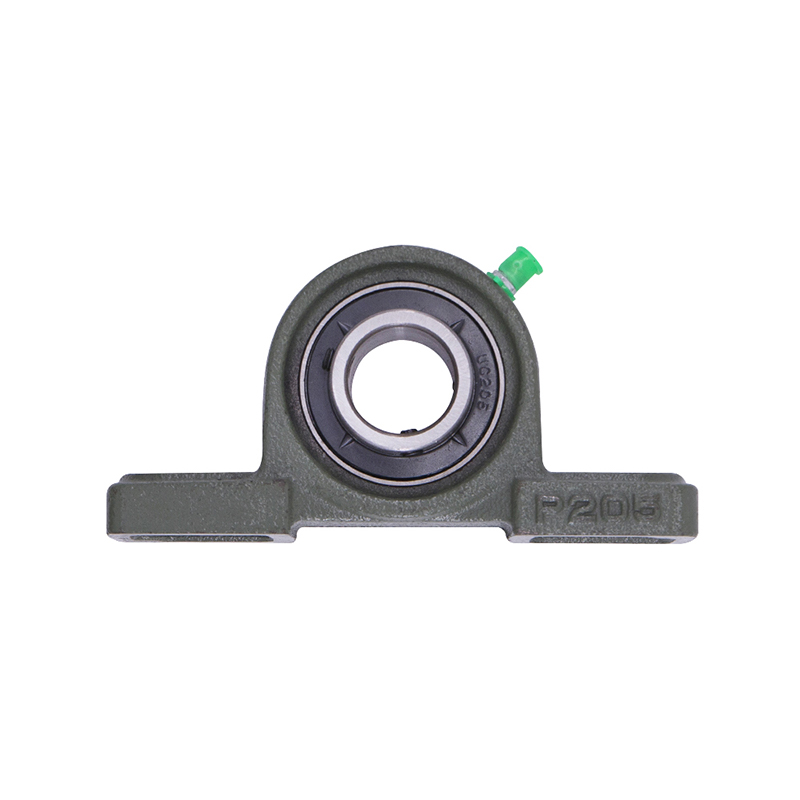 Spherical Bearings
P207 206 205 203 High Precision Wheel Pillow Block Bearing
-
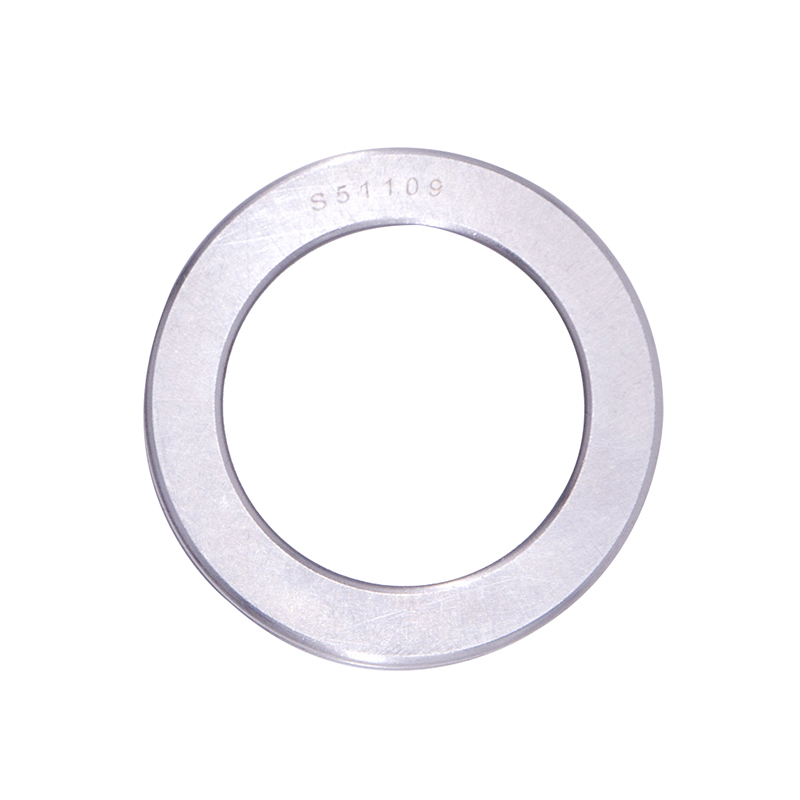 Thrust Roller Bearings
S51100 S51107 S51109 Car Wheel Plain Thrust Ball Bearing
-
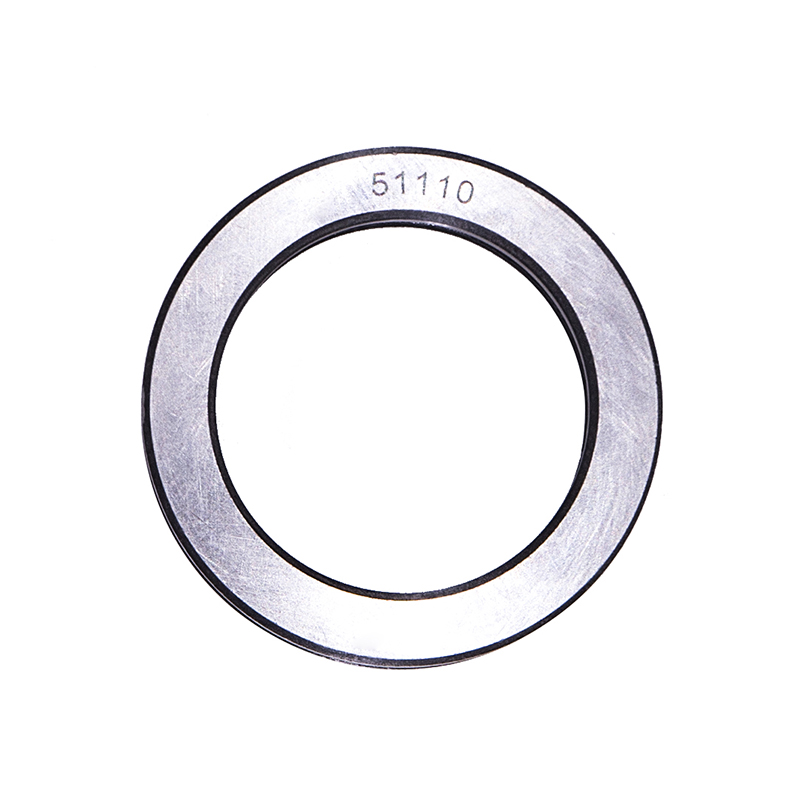 Thrust Roller Bearings
51110 51107 51104 51206 High Speed Plain Thrust Ball Bearing
Silent Damage Inside 6307Z Bearings Before Visible Failure Appears
Industry news-A bearing failure rarely happens suddenly without warning. Many wheel and rotating equipment problems begin with microscopic changes inside the bearing structure, long before cracks, overheating marks, or abnormal noise become obvious. The 6307Z Auto Deep Groove Ball Bearing is designed to support radial loads and moderate axial forces while maintaining smooth rotation, yet hidden internal damage can gradually reduce its operating stability.
Small changes inside raceways, rolling elements, lubrication conditions, and internal clearance may remain unnoticed during normal operation. Over time, these conditions can develop into vibration, temperature increase, and reduced rotational accuracy. Understanding these early signs helps users identify potential issues before the bearing reaches a critical condition.
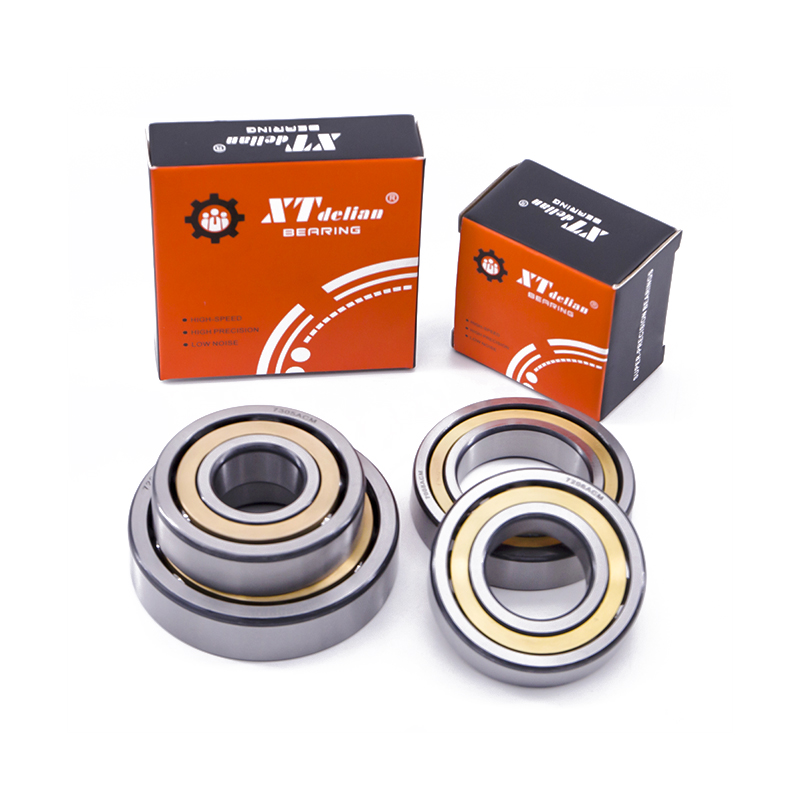
Invisible Problems Developing Inside Deep Groove Ball Bearings
Micro fatigue before surface damage appears
The internal raceway of a deep groove ball bearing experiences repeated contact stress during every rotation cycle. The balls transfer load through very small contact areas, creating continuous pressure on the inner and outer raceways.
At an early stage, fatigue damage may only exist beneath the surface. Tiny structural changes inside the steel material gradually expand through repeated loading. Visible spalling or surface peeling usually appears after this internal fatigue process has progressed.
- Subsurface stress: Internal material fatigue caused by repeated loading cycles
- Raceway micro cracks: Small defects that gradually enlarge during operation
- Rolling contact deterioration: Reduced smoothness between balls and raceways
Regular monitoring of vibration patterns can help identify these changes before severe damage develops.
Lubrication Conditions Behind Hidden Bearing Damage
Grease deterioration inside sealed structures
The 6307Z designation usually represents a deep groove ball bearing with a metal shield structure. The shield helps reduce external contamination, but lubricant performance remains a key factor affecting internal operation.
During long-term rotation, grease may experience oxidation, viscosity changes, or contamination from wear particles. Once the lubricant film becomes unstable, direct contact between rolling elements and raceways increases.
| Lubrication Condition | Internal Effect | Possible Symptom |
| Insufficient grease | Higher friction between metal surfaces | Temperature rise and running noise |
| Aged lubricant | Reduced lubrication protection | Higher vibration level |
| Excess grease | Increased churning resistance | Additional heat generation |
Lubrication problems are among the common contributors to premature bearing deterioration, together with contamination and mounting issues.
Small Clearance Changes Create Large Performance Differences
Internal clearance influence
Deep groove ball bearings require proper internal clearance to maintain stable rotation. Clearance that is too small may increase friction and operating temperature, while excessive clearance may create vibration and unstable movement.
The 6307Z Auto Deep Groove Ball Bearing must maintain suitable clearance according to shaft fit, housing condition, operating speed, and load characteristics.
| Clearance Situation | Effect During Operation |
| Too tight | Higher friction, heat accumulation, possible seizure risk |
| Too loose | Increased vibration and impact between components |
| Proper clearance | Stable rotation and balanced load distribution |
Installation Errors That Create Hidden Stress
Mounting force distribution
Many bearing issues begin during installation rather than during normal operation. Uneven mounting force can create ring deformation or misalignment between the bearing and shaft.
- Incorrect pressing position during installation
- Shaft and housing dimensional deviation
- Impact force applied through incorrect bearing components
These installation conditions may not immediately damage the bearing, but they create uneven internal loading that accelerates wear during later operation. Bearing manufacturers commonly identify improper mounting and poor assembly practices as important causes of premature bearing damage.
Early Warning Signals Before Bearing Failure
Temperature changes
A gradual temperature increase is often one of the earliest indicators of abnormal internal conditions. Excess friction caused by poor lubrication, excessive preload, or contamination can increase heat generation.
Noise and vibration changes
A healthy bearing normally produces a stable operating sound. Changes such as irregular humming, clicking, or increased vibration may indicate raceway damage, contamination, or clearance problems.
| Signal | Possible Internal Issue |
| Low-frequency vibration | Clearance change or looseness |
| Grinding sound | Contamination or raceway wear |
| Temperature increase | Lubrication problem or excessive friction |
| Irregular noise | Rolling element or raceway damage |
Condition monitoring methods based on sound, vibration, and temperature analysis are widely used to detect bearing deterioration before functional failure occurs.
Technical Features of 6307Z Auto Deep Groove Ball Bearing
| Item | Typical Specification |
| Bore Diameter | 35 mm |
| Outer Diameter | 80 mm |
| Width | 21 mm |
| Bearing Type | Deep Groove Ball Bearing |
| Shield Design | Metal Shield (Z) |
| Load Direction | Radial Load + Moderate Axial Load |
This structure allows the bearing to serve various rotating applications, including wheel systems, motors, transmission assemblies, and mechanical equipment requiring reliable rotational support.
How Users Can Detect Silent Bearing Problems Earlier
- Observe operating temperature: Compare current temperature with previous running conditions
- Check vibration changes: Sudden increases may indicate internal deterioration
- Inspect surrounding components: Shaft, housing, and sealing conditions affect bearing behavior
- Review operating environment: Dust, moisture, and load changes influence service performance
Early Detection Protects Bearing Performance
Hidden damage inside a bearing often develops gradually through fatigue, lubrication changes, contamination, and installation stress. The 6307Z Auto Deep Groove Ball Bearing can provide stable rotation performance, but maintaining its internal condition requires attention to early warning signals rather than waiting for visible failure.
Monitoring temperature trends, vibration behavior, and operating conditions allows users to identify potential problems at an earlier stage. A small internal change may become a major failure after thousands of rotation cycles, making early diagnosis an important part of reliable bearing operation.
Our Product//
Related Product
If you are interested in our products, please consult us
Contact Details
- Address: 1377-13 Yinhai International, Jinhua, Zhejiang, China
- Fax: 0086-0319-8544668
- Tel: +86-15215868236
+86-15833609668 - Email: [email protected]
Products
Quick Link
News Center
Mobile terminal
Copyright © Yiwu Delian Bearing Co., Ltd. ALL RIGHTS RESERVED.
