
 English
 русский
 Español
-
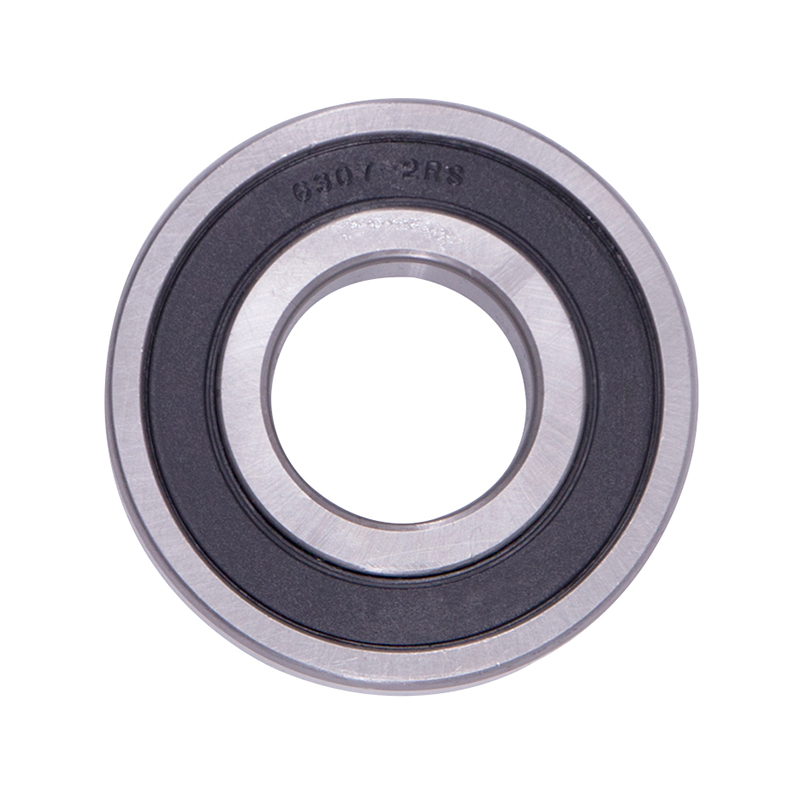 Wheel Hub Bearings
 -
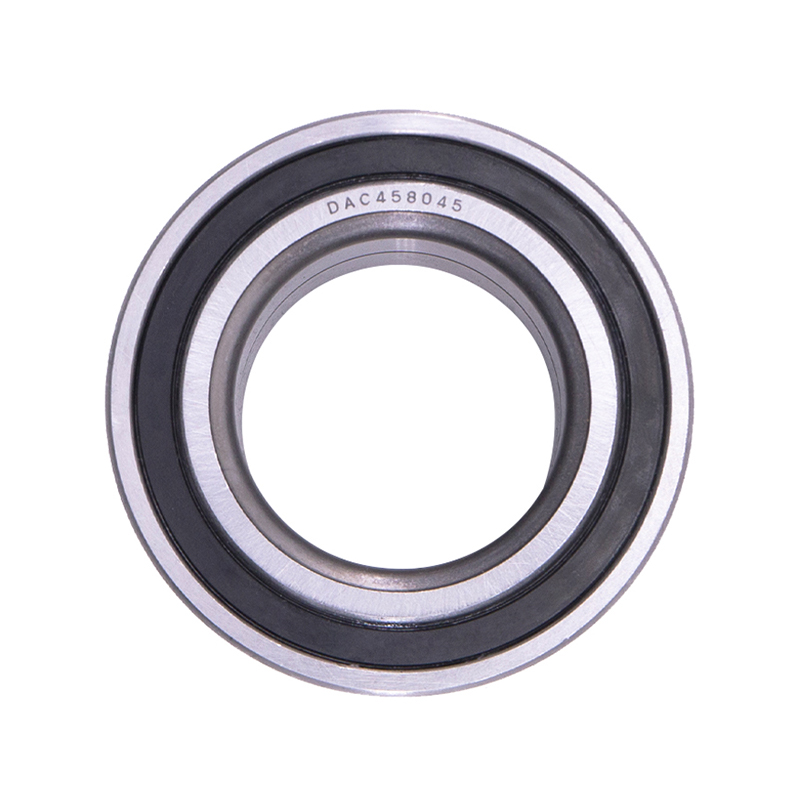 Wheel Hub Bearings
DAC387436 DAC458045 Hub Deep Groove Ball Car Wheel Bearing
-
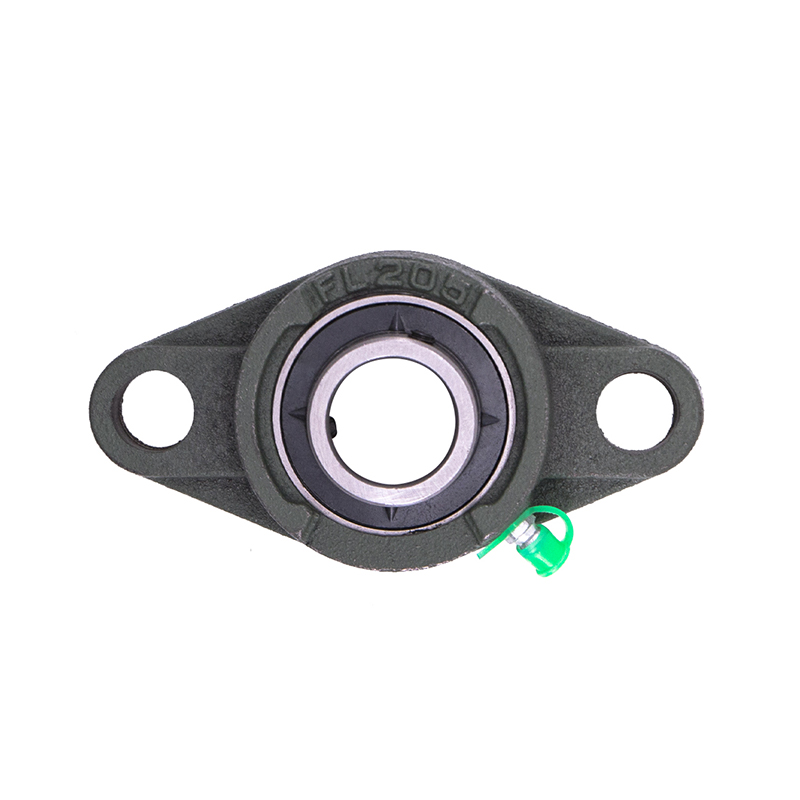 Spherical Bearings
FL204 FL205 FL206 Stainless Steel Pillow Block Bearing
-
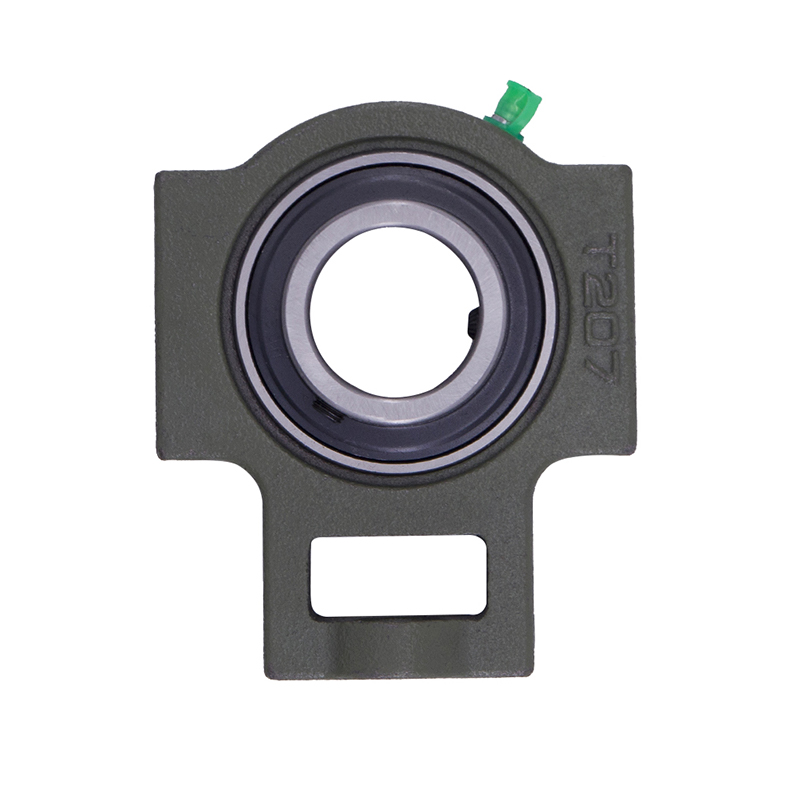 Spherical Bearings
T204 T207 UC204 High Speed Insert Pillow Block Bearing
-
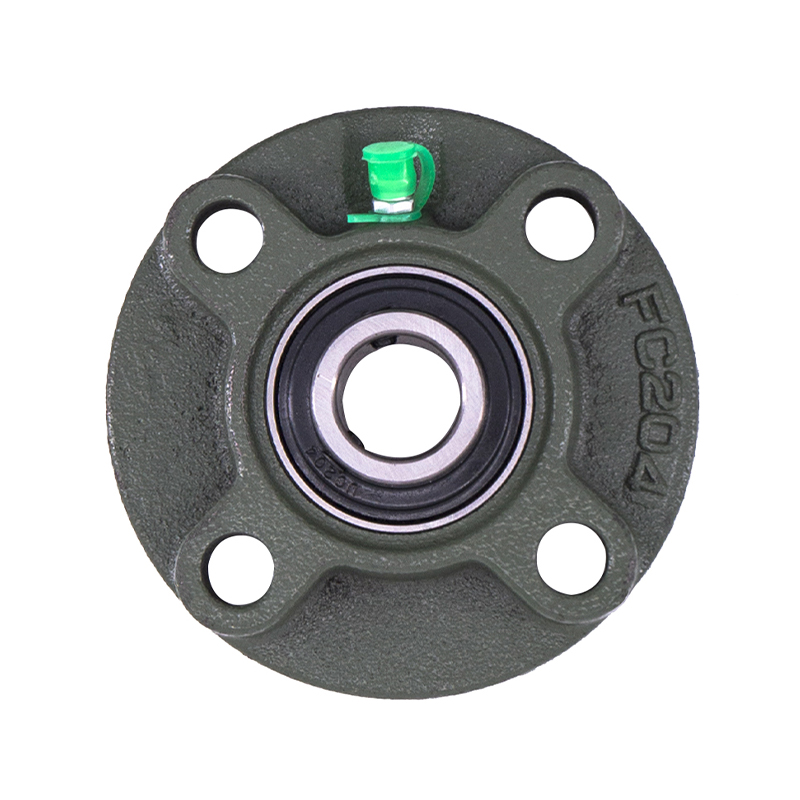 Spherical Bearings
FC204 F210 Auto Wheels Bike Pillow Block Bearing
-
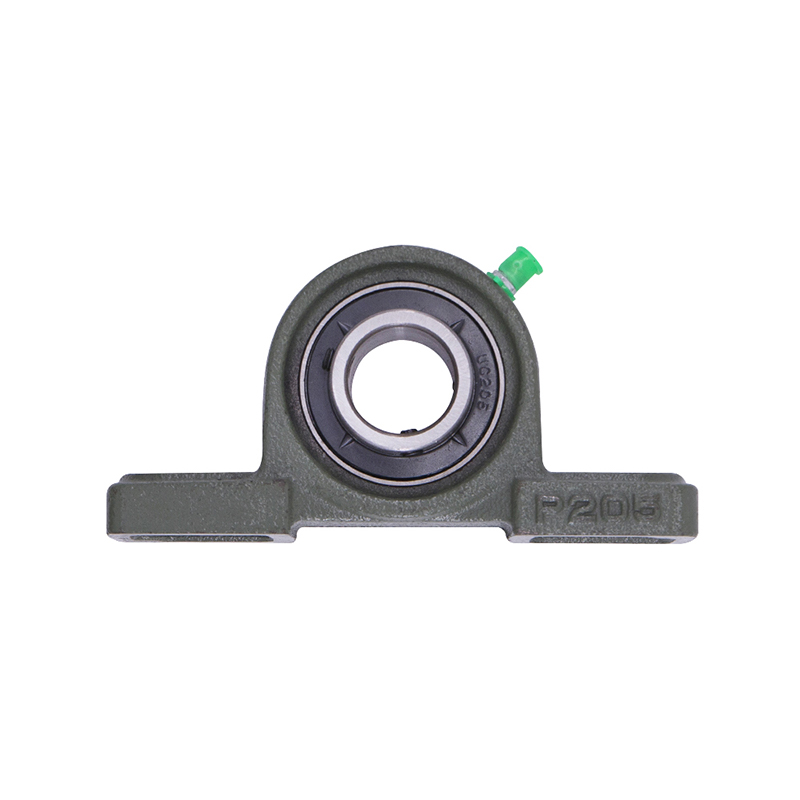 Spherical Bearings
P207 206 205 203 High Precision Wheel Pillow Block Bearing
-
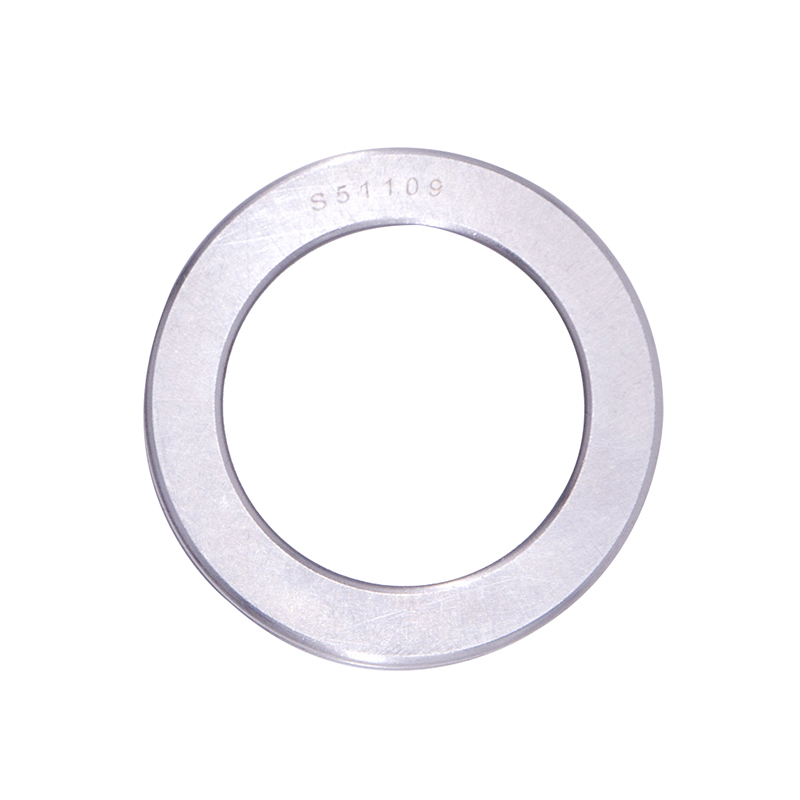 Thrust Roller Bearings
S51100 S51107 S51109 Car Wheel Plain Thrust Ball Bearing
-
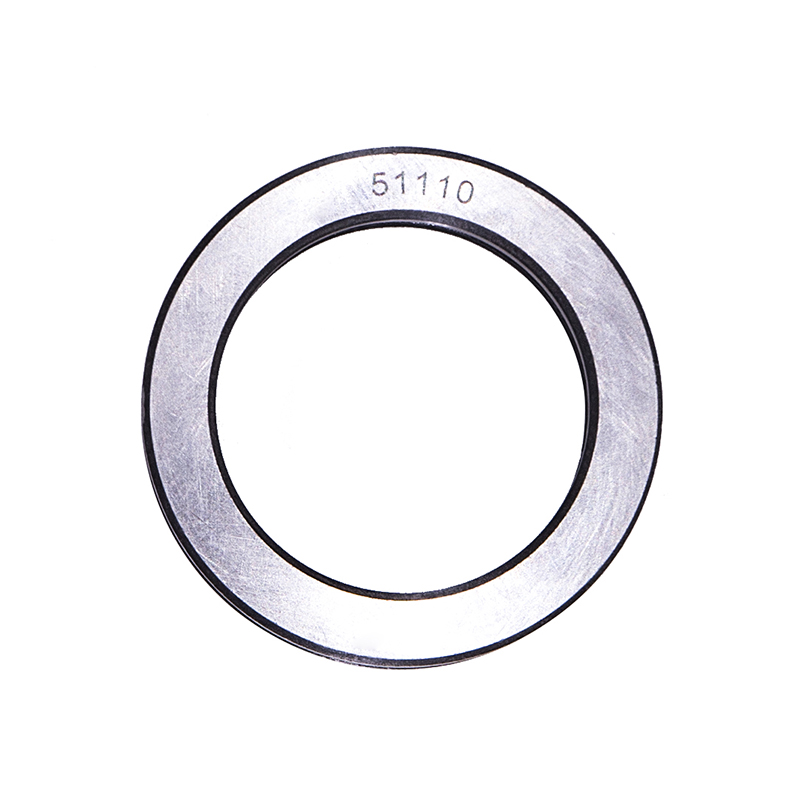 Thrust Roller Bearings
51110 51107 51104 51206 High Speed Plain Thrust Ball Bearing
Is Axle Nut Torque Behind Early Wear in 30306 Wheel Tapered Roller Bearings
Industry news-The service life of a tapered roller bearing is rarely influenced by a single factor, yet axle nut torque consistently appears in failure analysis discussions around wheel hubs. The 30306 Wheel High Precision Tapered Roller Bearing belongs to a single-row metric tapered roller design widely used in wheel hub assemblies due to its radial and axial load-sharing structure. Despite its robust load capacity, improper preload or clamping force from the axle nut can disturb internal load distribution and accelerate surface fatigue.
Field reports and engineering references show that excessive tightening or insufficient tightening both alter the bearing’s internal contact geometry, shifting stress concentration toward the raceway edges and roller ends. This abnormal contact condition can reduce lubrication film stability and increase localized heat generation.
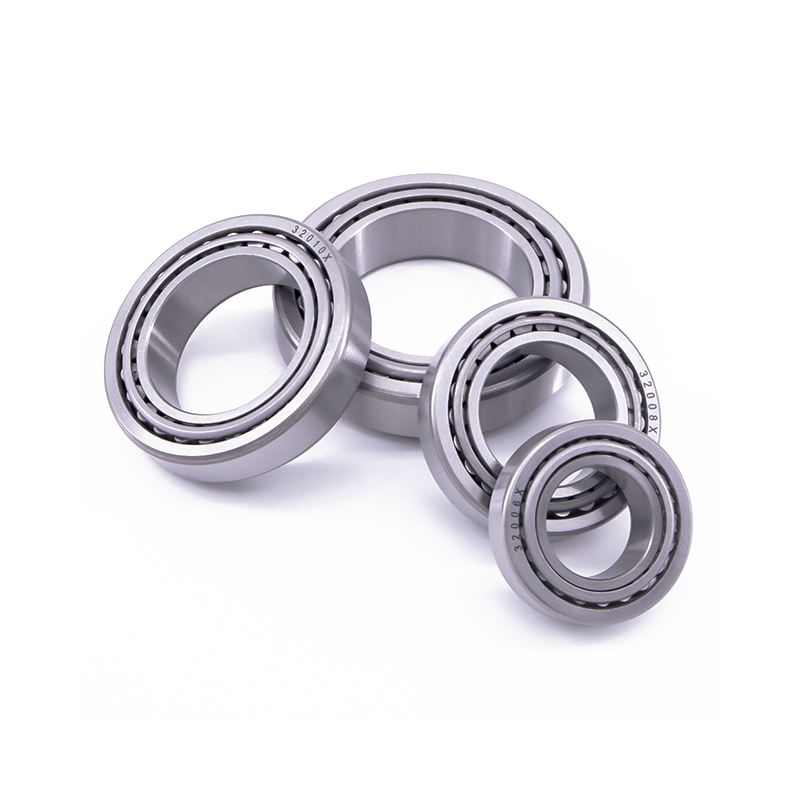
Axle Nut Torque and Load Path Behavior
How torque influences internal preload
Axle nut torque does not directly “tighten” the rollers, but it controls axial position of the cone assembly. This axial positioning defines preload or endplay inside the 30306 tapered roller structure.
- Over-torque condition: Excessive axial compression increases roller-to-raceway contact stress
- Under-torque condition: Excessive clearance causes micro-impact loading during rotation
- Balanced torque condition: Controlled endplay ensures stable lubricant film formation
In practical applications, small deviations in nut torque can significantly alter load distribution across the roller length.
Mechanical consequence inside tapered geometry
The 30306 structure uses angled rollers that converge at a virtual apex. This geometry allows simultaneous radial and axial load handling. However, axial misalignment caused by incorrect torque disrupts this geometry, forcing uneven stress paths across the roller surface.
| Condition | Contact Behavior | Typical Result |
| Excess torque | Edge loading on rollers | Surface spalling, heat discoloration |
| Insufficient torque | Impact micro-sliding | Brinelling, vibration noise |
| Controlled torque | Uniform load distribution | Stable wear pattern |
Early Wear Mechanisms in 30306 Bearings
Surface fatigue progression
Early wear in tapered roller bearings often begins with micro-scale surface fatigue rather than visible damage. Once lubrication film breaks down due to excessive preload, metal-to-metal contact increases frictional energy at localized points. This leads to gradual material removal known as spalling.
- Microscopic pitting on raceways
- Gradual increase in operating temperature
- Progressive vibration amplitude rise
These indicators are commonly linked with improper axle nut torque settings rather than manufacturing defects.
Heat accumulation effect
High precision bearings such as 30306 rely on stable lubrication film thickness. Over-compression reduces oil retention in the contact zone, increasing shear stress and heat accumulation. Elevated temperature further reduces lubricant viscosity, creating a feedback loop of accelerated wear.
Role of Axle Nut Torque in Real Applications
Wheel hub assembly interaction
In automotive or industrial wheel systems, the axle nut acts as a structural locking component. It defines axial spacing between inner and outer rings, indirectly setting bearing clearance.
- Controls cone position relative to cup
- Maintains axial stability under dynamic load
- Influences lubricant film thickness
Even small torque deviations may shift this equilibrium, especially under high-speed rotation or heavy radial load environments.
Dynamic load interaction
The 30306 bearing typically supports combined radial and axial loads. Under rotation, load distribution shifts continuously across roller surfaces. Improper torque amplifies this shift, causing repetitive stress cycling at the same contact zones, which accelerates fatigue accumulation.
Technical Parameters of 30306 Bearing
| Parameter | Value |
| Bore diameter | 30 mm |
| Outer diameter | 72 mm |
| Width | 20.75 mm |
| Dynamic load rating | ~59–66 kN |
| Static load rating | ~61 kN |
| Max speed | ~5600–7600 rpm (depending on lubrication) |
These values indicate strong load capacity, yet operational life still depends heavily on installation accuracy and torque consistency.
Failure Patterns Linked to Torque Deviation
Over-tightening effects
Excessive axle nut torque compresses the bearing stack, eliminating designed clearance. This increases friction torque and raises operating temperature. Long-term exposure results in raceway deformation and material fatigue.
Under-tightening effects
Loose axial clamping allows micro-movement between components. This creates impact loading during rotation, producing indentation marks known as false brinelling. Over time, vibration intensifies and rolling efficiency decreases.
- Uneven roller contact zones
- Noise during rotation cycles
- Progressive increase in clearance
Torque Stability as a Life Determinant
Axle nut torque acts as a controlling variable for internal geometry stability in the 30306 Wheel High Precision Tapered Roller Bearing. Although the bearing is engineered for high load performance, its durability depends on maintaining precise axial positioning. Both over-compression and insufficient tightening disturb lubrication behavior and load distribution, initiating early wear mechanisms that evolve into fatigue damage.
Stable torque application does not merely secure the assembly; it preserves the internal equilibrium required for long-term rolling efficiency and surface integrity.
Our Product//
Related Product
If you are interested in our products, please consult us
Contact Details
- Address: 1377-13 Yinhai International, Jinhua, Zhejiang, China
- Fax: 0086-0319-8544668
- Tel: +86-15215868236
+86-15833609668 - Email: [email protected]
Products
Quick Link
News Center
Mobile terminal
Copyright © Yiwu Delian Bearing Co., Ltd. ALL RIGHTS RESERVED.
