
 English
 русский
 Español
-
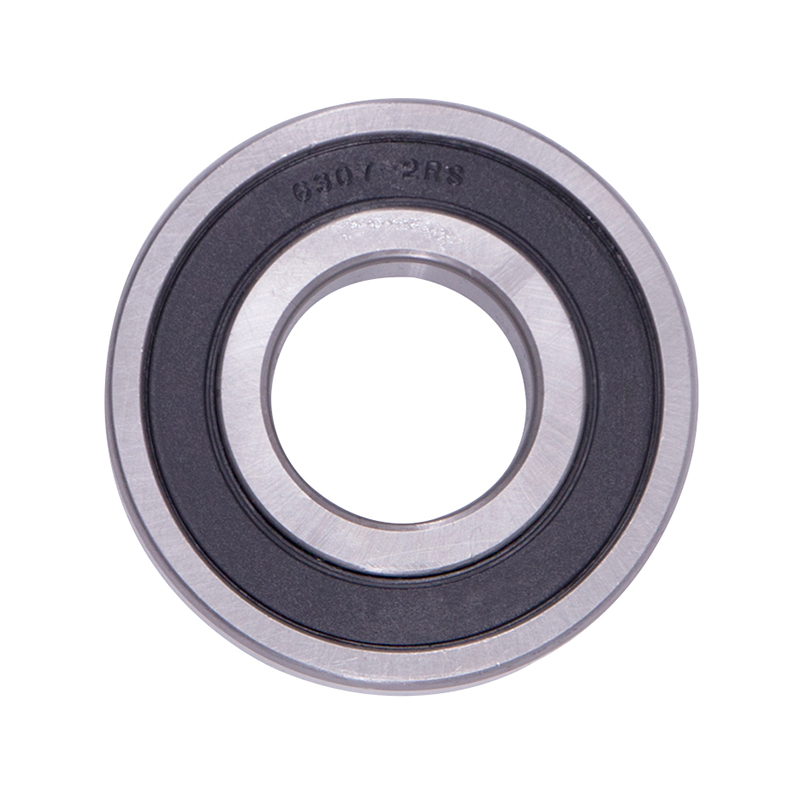 Wheel Hub Bearings
 -
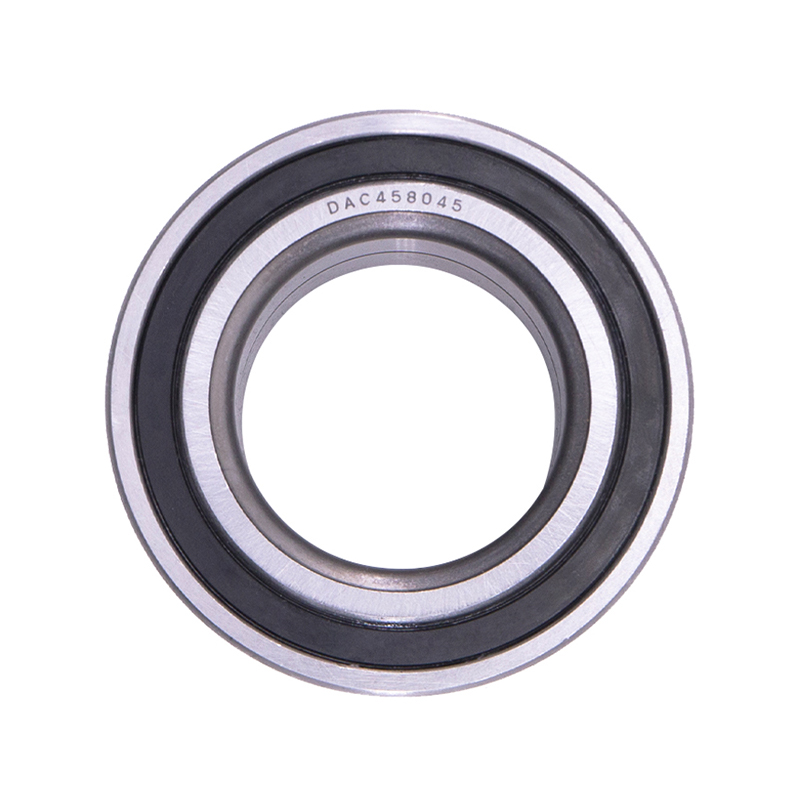 Wheel Hub Bearings
DAC387436 DAC458045 Hub Deep Groove Ball Car Wheel Bearing
-
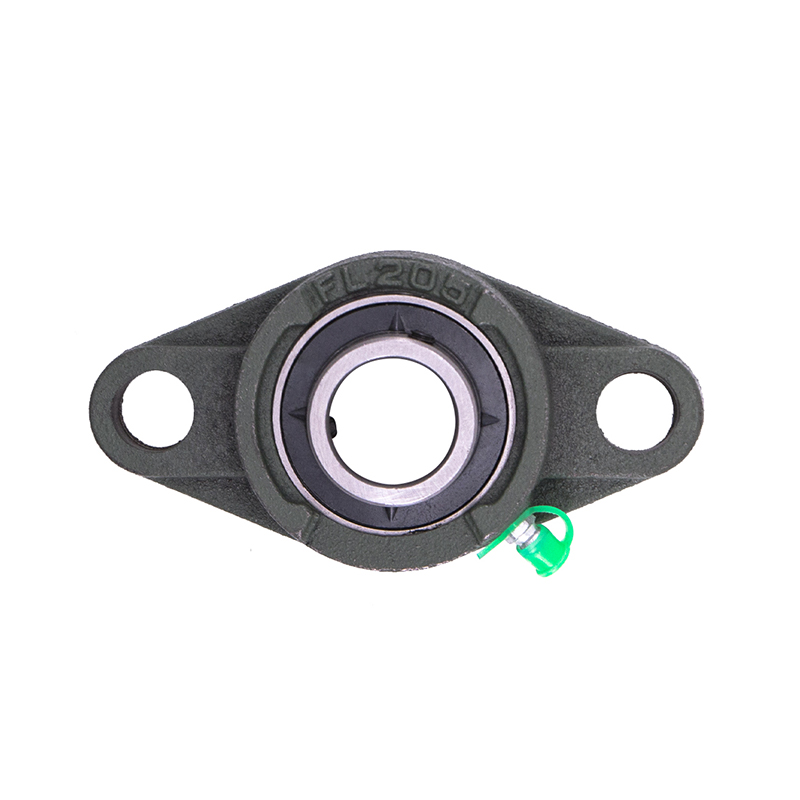 Spherical Bearings
FL204 FL205 FL206 Stainless Steel Pillow Block Bearing
-
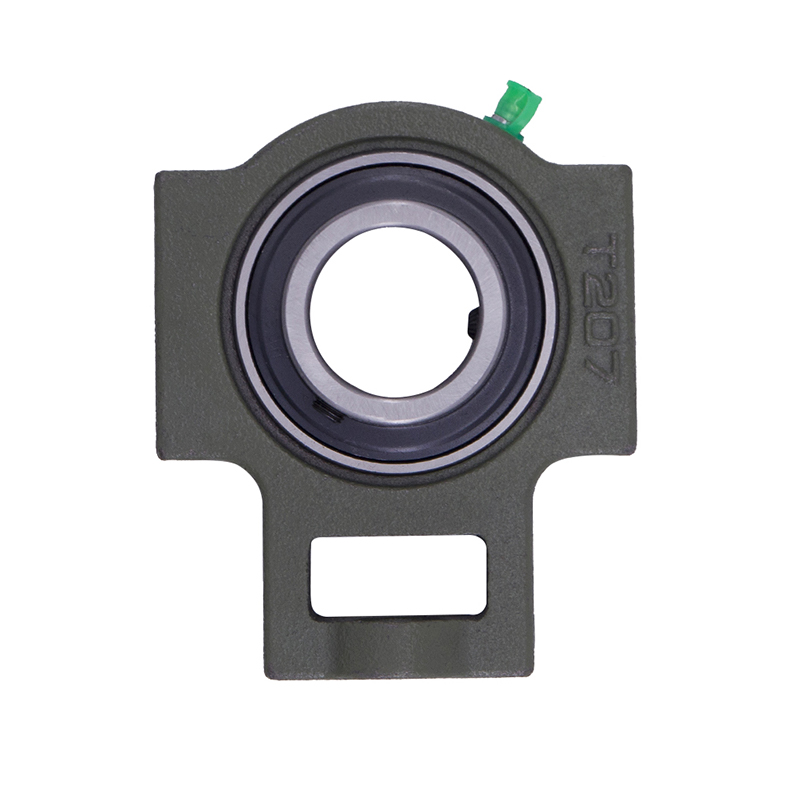 Spherical Bearings
T204 T207 UC204 High Speed Insert Pillow Block Bearing
-
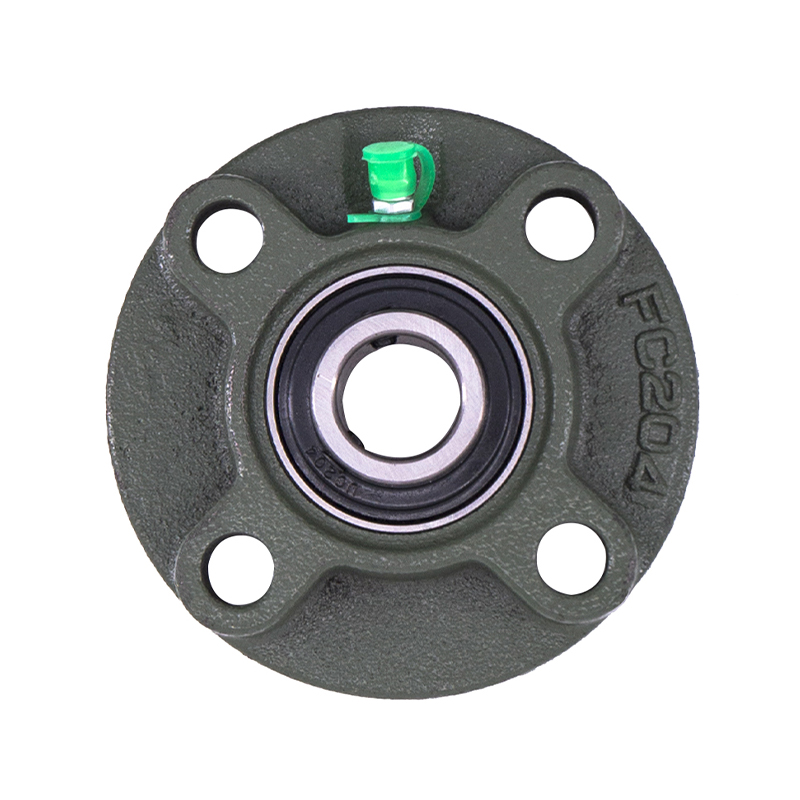 Spherical Bearings
FC204 F210 Auto Wheels Bike Pillow Block Bearing
-
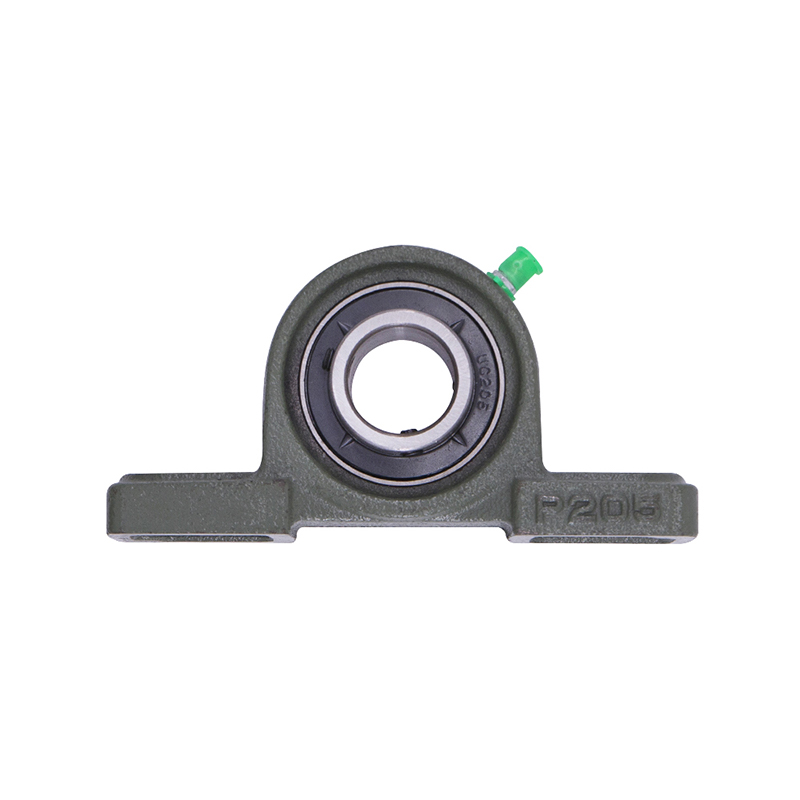 Spherical Bearings
P207 206 205 203 High Precision Wheel Pillow Block Bearing
-
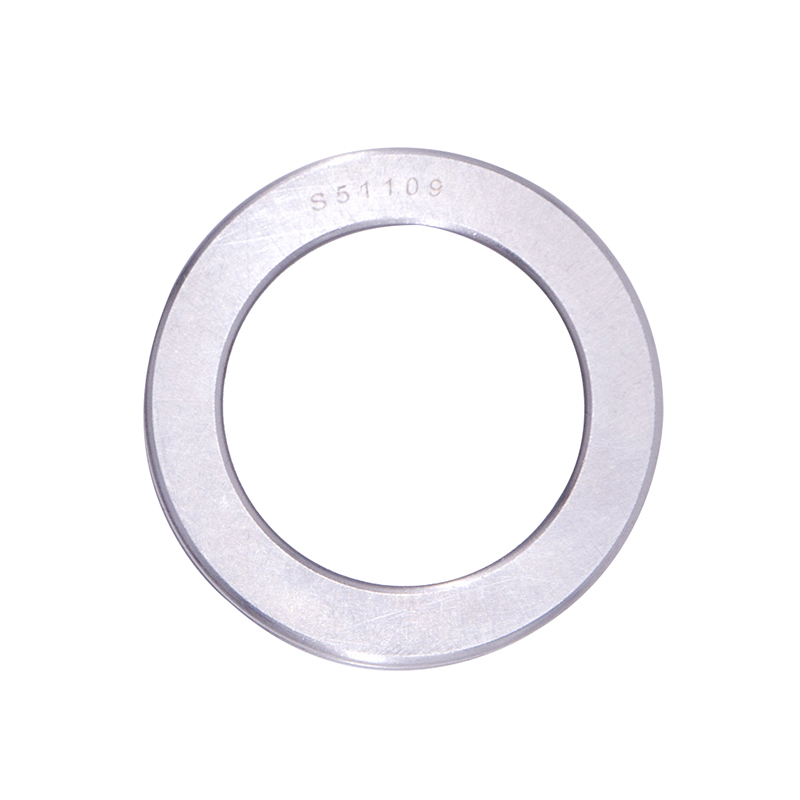 Thrust Roller Bearings
S51100 S51107 S51109 Car Wheel Plain Thrust Ball Bearing
-
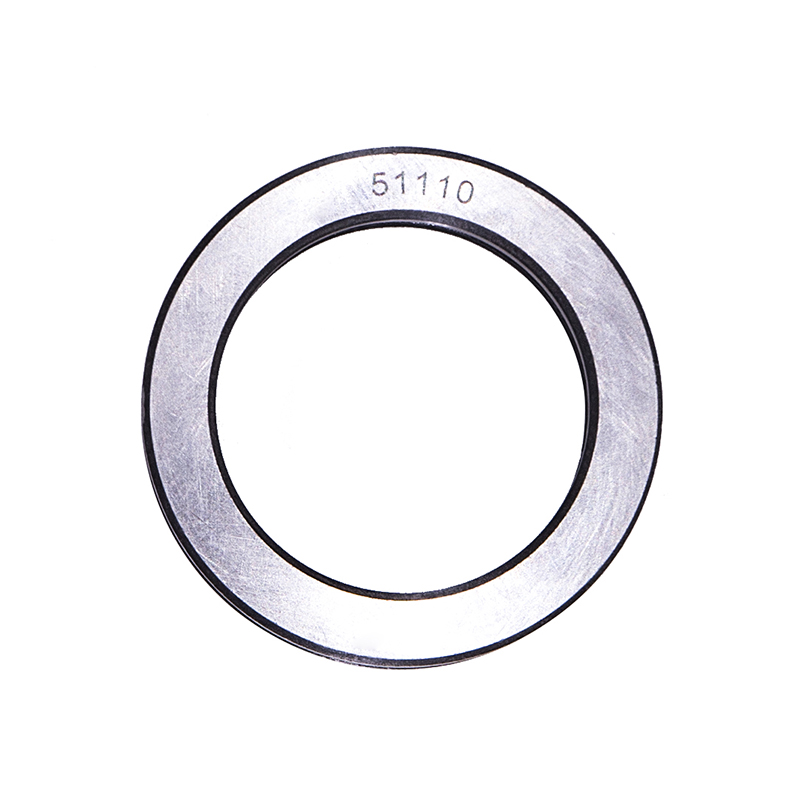 Thrust Roller Bearings
51110 51107 51104 51206 High Speed Plain Thrust Ball Bearing
Are Z Shield Bearings Enough for Automotive Dust
Industry news-6301Z auto deep groove ball bearings are commonly installed in compact automotive rotating units such as alternator shafts, idler pulleys, small motor assemblies, and auxiliary drive systems. The “Z” metal shield design is often assumed to provide complete isolation from dust, but real operating conditions reveal a more nuanced performance boundary.
Shield structure and real protective behavior
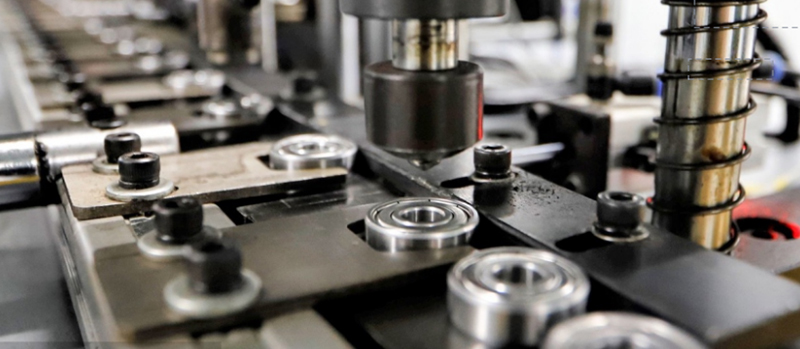
The 6301Z configuration uses a single or double thin steel shield fixed to the outer ring with a narrow non-contact gap toward the inner ring. This gap typically ranges in a fraction of a millimeter scale and is designed to balance protection and rotational efficiency.
Key characteristics include:
- Non-contact shielding reduces friction torque
- Pre-packed grease remains inside the bearing cavity
- External particles are slowed rather than fully blocked
- Moisture vapor can still migrate under pressure cycles
Industry references note that shielded bearings are mainly intended for relatively clean environments where high-speed rotation is required and full sealing is not practical.
Automotive dust environment complexity
Vehicle operating conditions introduce a mixed contamination profile rather than uniform dust exposure. A 6301Z bearing may face:
- Fine road dust entering through airflow channels
- Brake wear particles suspended in air circulation
- Oil mist from engine bay components
- Thermal cycling from cold start to high-temperature operation
- Water vapor ingress during rain or wash cycles
Unlike industrial indoor systems, automotive environments fluctuate continuously, meaning contamination pressure is intermittent but repeated.
Shield limitation under vibration and speed
In rotating automotive assemblies, vibration plays a major role in shield performance. The thin metal shield is not mechanically locked against micro-movement; it relies on precise ring alignment.
At higher rotational speeds:
- Air turbulence increases internal pressure variation
- Grease distribution becomes uneven over time
- Small particles may be pulled through the shield gap
- Thermal expansion slightly alters clearance geometry
A known limitation of shielded bearings is that fine contaminants can still penetrate over long exposure periods, especially in high-vibration environments .
Grease life as a hidden failure factor
6301Z bearings rely entirely on factory-filled grease. There is no external re-lubrication path. In automotive systems, grease degradation becomes a major determinant of service life.
Common degradation mechanisms:
- Oxidation accelerated by engine bay heat cycles
- Water contamination reducing film strength
- Shear breakdown under continuous rotation
- Thickener separation over extended use
Once grease viscosity drops below functional threshold, rolling elements begin operating in partial boundary lubrication, increasing wear even before visible contamination occurs.
Dust penetration and long-term wear pattern
Shielded bearings do not fail immediately after contamination entry. Instead, degradation follows a gradual pattern:
- Microscopic dust enters through shield clearance
- Particles embed into grease matrix
- Rolling contact distributes abrasive material across raceway
- Surface pitting begins at localized stress points
- Vibration gradually increases as surface roughness expands
This process is often misinterpreted as “bearing fatigue,” even though contamination is the initiating factor.
Comparison with sealed alternatives in real use
In automotive applications, shielded (Z) bearings are often compared with rubber-sealed (2RS) versions. The key differences in behavior include:
- Z type: lower friction, weaker exclusion capability
- 2RS type: stronger isolation, higher torque and heat generation
- Z type: better suited for dry, high-speed rotation
- 2RS type: better suited for contaminated or wet environments
However, sealed bearings may experience higher thermal load due to seal contact friction, which can influence grease aging rate under continuous high RPM operation.
Misalignment sensitivity in vehicle systems
Automotive mounting systems rarely achieve ideal concentric alignment. Even small deviations can influence shield effectiveness.
Effects include:
- Uneven shield gap opening on one side
- Localized particle entry points under pressure gradient
- Increased cage oscillation under load variation
- Accelerated wear on one side of the raceway
Over time, this creates asymmetric wear patterns that reduce rotational smoothness even before full bearing failure occurs.
Application boundaries in automotive design
6301Z deep groove ball bearings are typically used in:
- Alternator assemblies
- Idler pulley systems
- Small electric motors
- Belt tensioners in auxiliary drives
These applications share a common trait: relatively high rotational speed but controlled contamination exposure due to partial enclosure inside engine compartments.
They are less suitable for:
- Wheel hub assemblies
- Direct water spray zones
- Off-road exposed rotating joints
- High-pressure wash environments
Engineering interpretation of “enough protection”
The term “enough” depends on system expectations rather than absolute sealing capability. In automotive dust exposure, Z shields act more like contamination delay mechanisms than complete barriers.
Their function can be summarized as:
- Slowing ingress of medium-sized particles
- Retaining grease during centrifugal motion
- Maintaining low friction for efficiency
- Extending service life under moderate exposure
They do not fully eliminate long-term contamination risk.
Operational insight
In real vehicle systems, 6301Z bearing performance is often determined less by shield design and more by surrounding system conditions:
- Belt tension stability
- Pulley alignment accuracy
- Engine bay airflow patterns
- Heat soak duration after shutdown
A well-designed mechanical environment can significantly extend bearing life even with shielded protection, while poor alignment can shorten lifespan regardless of shield type.
Our Product//
Related Product
If you are interested in our products, please consult us
Contact Details
- Address: 1377-13 Yinhai International, Jinhua, Zhejiang, China
- Fax: 0086-0319-8544668
- Tel: +86-15215868236
+86-15833609668 - Email: [email protected]
Products
Quick Link
News Center
Mobile terminal
Copyright © Yiwu Delian Bearing Co., Ltd. ALL RIGHTS RESERVED.
