
 English
 русский
 Español
-
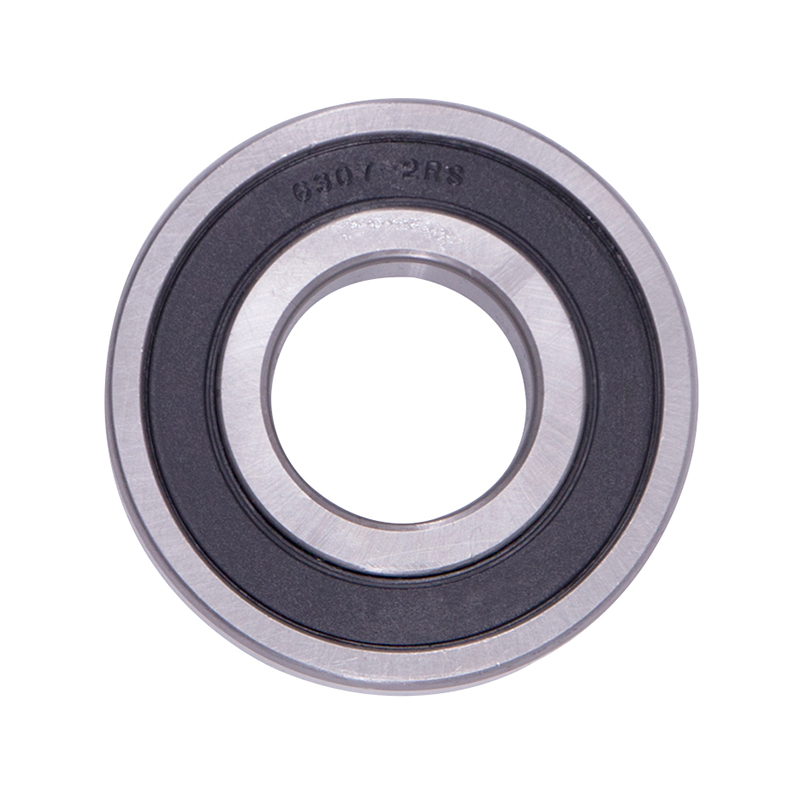 Wheel Hub Bearings
 -
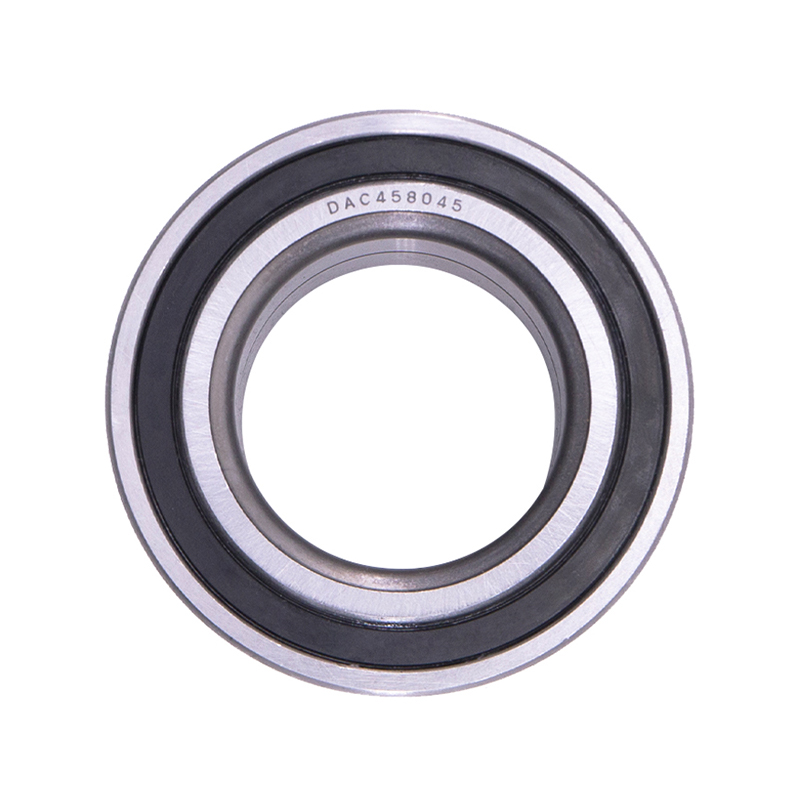 Wheel Hub Bearings
DAC387436 DAC458045 Hub Deep Groove Ball Car Wheel Bearing
-
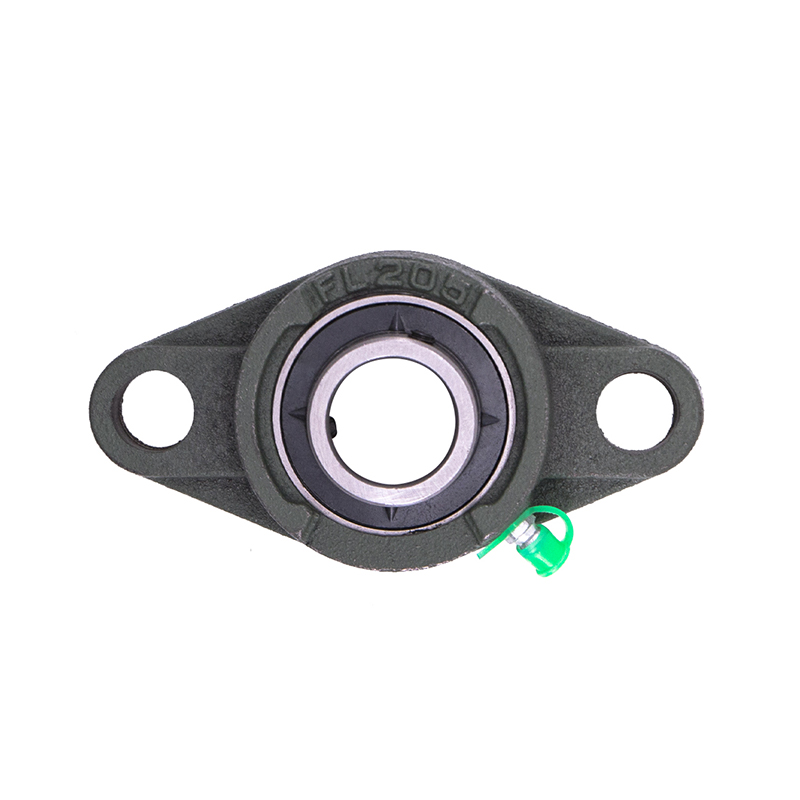 Spherical Bearings
FL204 FL205 FL206 Stainless Steel Pillow Block Bearing
-
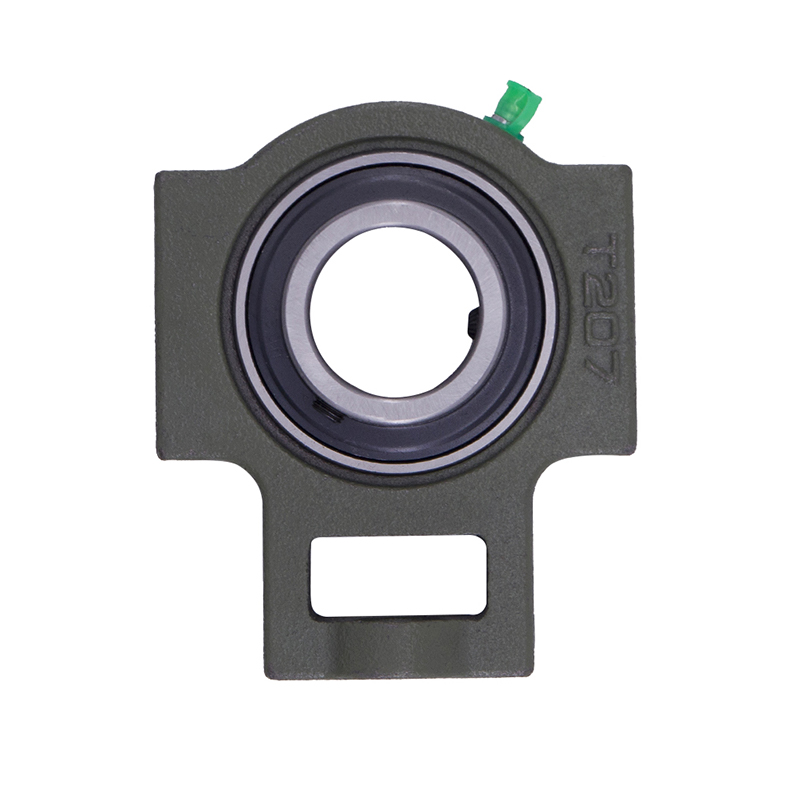 Spherical Bearings
T204 T207 UC204 High Speed Insert Pillow Block Bearing
-
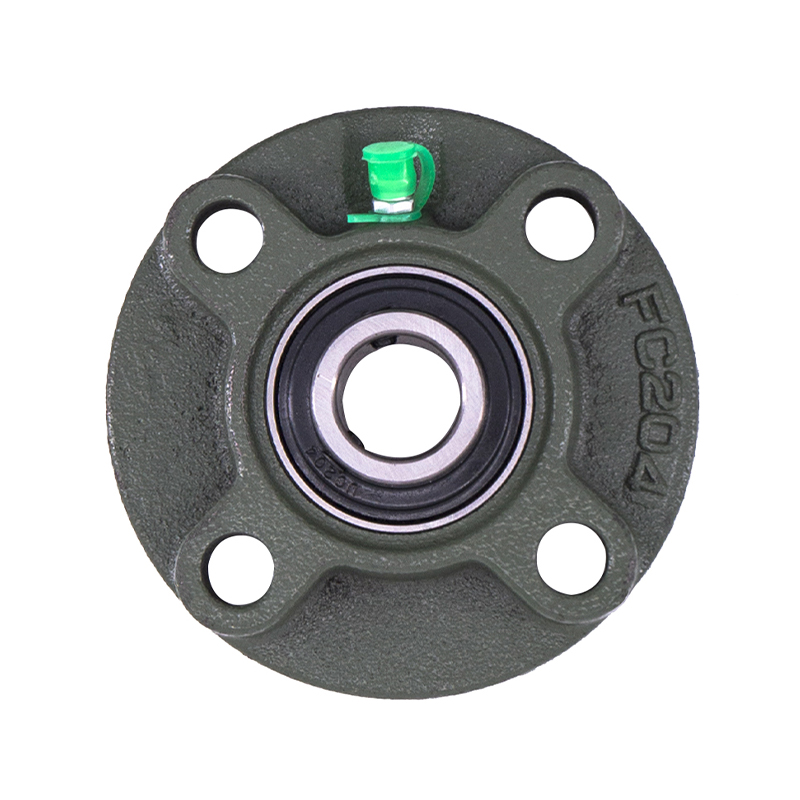 Spherical Bearings
FC204 F210 Auto Wheels Bike Pillow Block Bearing
-
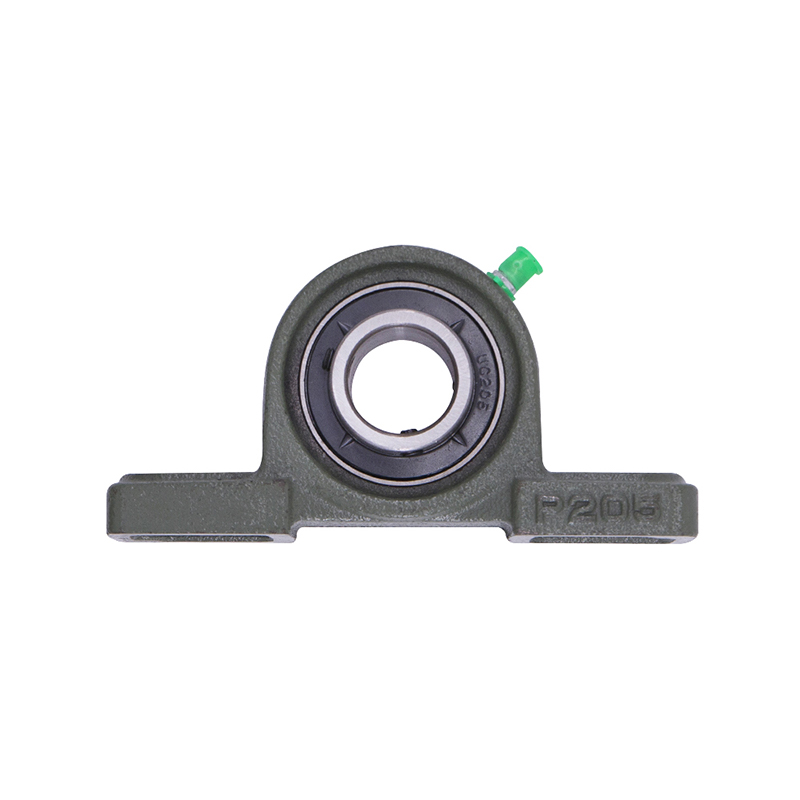 Spherical Bearings
P207 206 205 203 High Precision Wheel Pillow Block Bearing
-
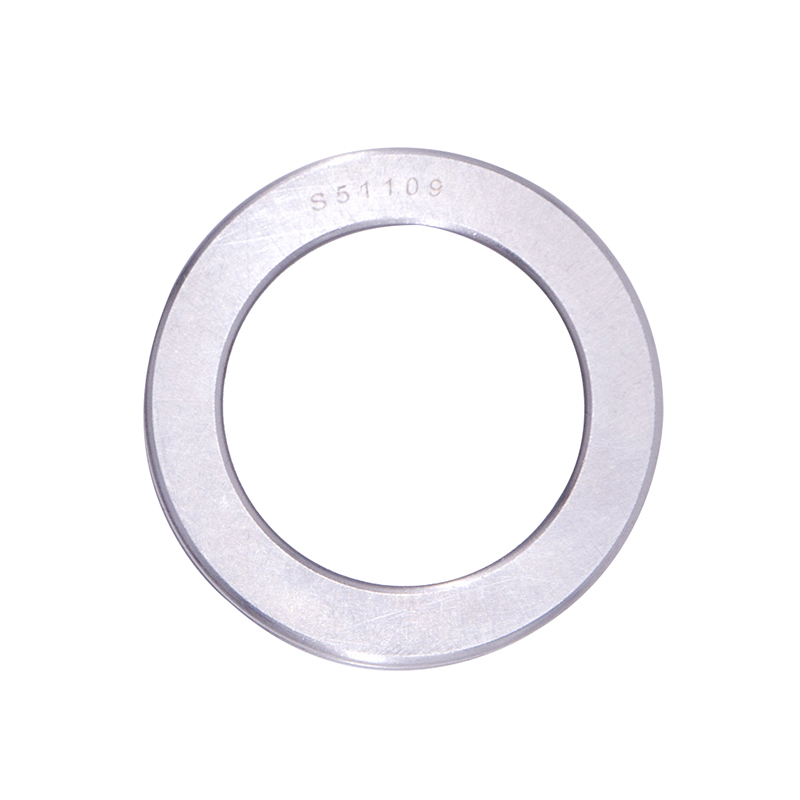 Thrust Roller Bearings
S51100 S51107 S51109 Car Wheel Plain Thrust Ball Bearing
-
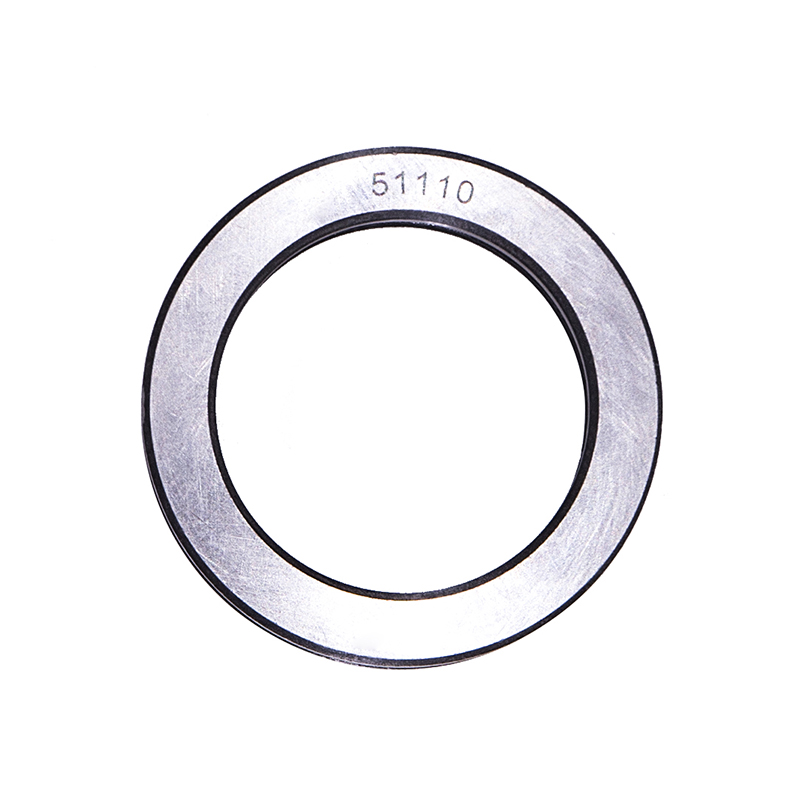 Thrust Roller Bearings
51110 51107 51104 51206 High Speed Plain Thrust Ball Bearing
Why Do Thin Wall Bearings Fail at High Speed
Industry news-6805Z thin wall deep groove ball bearings are widely used in compact mechanical systems where space limitation matters more than structural bulk. The geometry of this series is defined by a reduced cross-section while keeping standardized inner and outer diameters (commonly 25×37×7 mm). This design allows lightweight assemblies, but it also introduces distinct stress behavior at elevated rotational speeds.
Thin section geometry and stress concentration behavior
Thin wall construction changes how load distributes across the raceway. Instead of a thick ring absorbing deformation, the load path becomes more sensitive to localized stress peaks.
Key structural characteristics include:
- Reduced radial cross-section thickness
- Standardized groove curvature for ball guidance
- High dependence on ring stiffness balance
- Limited damping against vibration resonance
Because the ring wall is relatively slim, elastic deformation occurs more easily under alternating radial load. At higher RPM, this deformation does not remain static; it fluctuates, producing micro-oscillation zones that affect ball tracking stability.
Speed increase and centrifugal force imbalance
As rotational speed rises, centrifugal force acting on each rolling element increases proportionally to the square of velocity:
This force pushes balls outward against the outer raceway, increasing contact pressure unevenly in thin-section structures. Compared with standard deep groove bearings, 6805Z units experience:
- Higher outer race load concentration
- Slight reduction in internal clearance during operation
- Increased sensitivity to imbalance in lubrication film
At elevated speeds, even minor mass imbalance between cage pockets or rolling elements can generate vibration ripple that propagates through the thin ring structure.
Lubrication film breakdown under thermal rise
Thin wall bearings typically operate with limited grease volume due to compact internal space. Under high-speed rotation, shear heating becomes a dominant factor affecting lubricant stability.
Observed lubrication behavior:
- Grease viscosity drops as temperature rises
- Oil separation occurs in low-quality greases
- Film thickness reduces at ball–race contact interface
- Boundary lubrication phase becomes more frequent
Once full hydrodynamic lubrication cannot be maintained, direct asperity contact begins intermittently. This accelerates surface fatigue, especially in thin raceway sections where heat dissipation is slower.
Cage stability and micro-vibration effects
The cage in 6805Z bearings plays a critical role in maintaining spacing between rolling elements. At high speed, cage behavior shifts from passive guidance to dynamic motion control.
Typical high-speed issues include:
- Pocket deformation under centrifugal load
- Slight angular misalignment of ball spacing
- Increased cage flutter at resonance frequency ranges
- Impact contact between cage and rolling elements
Thin wall geometry amplifies these effects because structural stiffness is lower, allowing vibration energy to persist longer within the bearing body instead of being absorbed.
Shielded design limitations at elevated RPM
The “Z” designation refers to metal shielding, usually installed on one or both sides of the bearing. While shields help reduce particle ingress, they introduce small but measurable airflow restriction inside the bearing cavity.
This leads to:
- Increased internal air turbulence at high RPM
- Slight rise in operating temperature due to drag
- Reduced grease circulation efficiency
- Limited ability to expel heat generated at raceway interface
In thin section bearings, where thermal margin is already narrow, this additional heat buildup can accelerate fatigue progression.
Resonance and structural amplification in thin rings
Thin wall bearings exhibit a different vibration signature compared with standard-section bearings. Because the ring has lower stiffness, it can behave like a flexible annular structure under periodic loading.
Common resonance-related behavior:
- Audible tonal vibration at specific speed bands
- Radial oscillation amplification under load variation
- Increased sensitivity to housing misalignment
- Harmonic distortion in high-frequency ranges
Once resonance overlaps with cage frequency, wear progression accelerates significantly.
Speed limits in practical applications
6805Z thin wall bearings are typically used in:
- High-speed electric motors
- Compact gearboxes
- Fitness and automation equipment
- Lightweight transmission systems
In real operation, speed capability depends on lubrication and cooling conditions rather than geometry alone. Typical grease-lubricated ranges often remain below 10,000–11,000 RPM depending on manufacturer specifications and assembly conditions.
Exceeding this range does not immediately cause failure, but it increases probability of:
- Grease starvation in contact zones
- Raceway surface micro-pitting
- Cage fatigue cracking over time
Misalignment sensitivity in compact assemblies
Thin wall bearings have limited tolerance for angular misalignment between shaft and housing. Even small deviations can shift load distribution across a narrow contact band.
Effects include:
- Uneven wear patterns on raceway surface
- Localized overheating zones
- Early initiation of spalling at high-stress points
- Reduced operational smoothness under load variation
Because structural rigidity is lower, external housing accuracy becomes a critical part of system design rather than a secondary factor.
Operational insight on durability limits
Failure in 6805Z bearings at high speed rarely occurs suddenly. The degradation process usually follows a sequence:
- Lubrication thinning under thermal stress
- Vibration amplitude increase due to reduced damping
- Cage wear progression from micro-impact cycles
- Raceway surface fatigue accumulation
Once surface fatigue begins, progression becomes nonlinear, meaning small increases in speed or load can significantly shorten remaining service life.
Engineering perspective
Thin wall deep groove ball bearings are optimized for compactness rather than harsh mechanical robustness. Their strength lies in spatial efficiency and smooth motion under moderate load conditions.
High-speed operation remains achievable, but long-term stability depends heavily on:
- Thermal management strategy
- Lubricant quality selection
- Precision of shaft–housing alignment
- Control of vibration sources in surrounding structure
6805Z thin wall deep groove ball bearings do not inherently fail because of speed alone. The real limitation arises from the interaction between reduced structural stiffness, lubrication constraints, and vibration amplification effects that intensify as rotational velocity increases.
In compact mechanical systems, their performance window remains stable only when thermal, alignment, and dynamic balance conditions are controlled as tightly as the bearing dimensions themselves.
Our Product//
Related Product
If you are interested in our products, please consult us
Contact Details
- Address: 1377-13 Yinhai International, Jinhua, Zhejiang, China
- Fax: 0086-0319-8544668
- Tel: +86-15215868236
+86-15833609668 - Email: [email protected]
Products
Quick Link
News Center
Mobile terminal
Copyright © Yiwu Delian Bearing Co., Ltd. ALL RIGHTS RESERVED.
