
 English
 русский
 Español
-
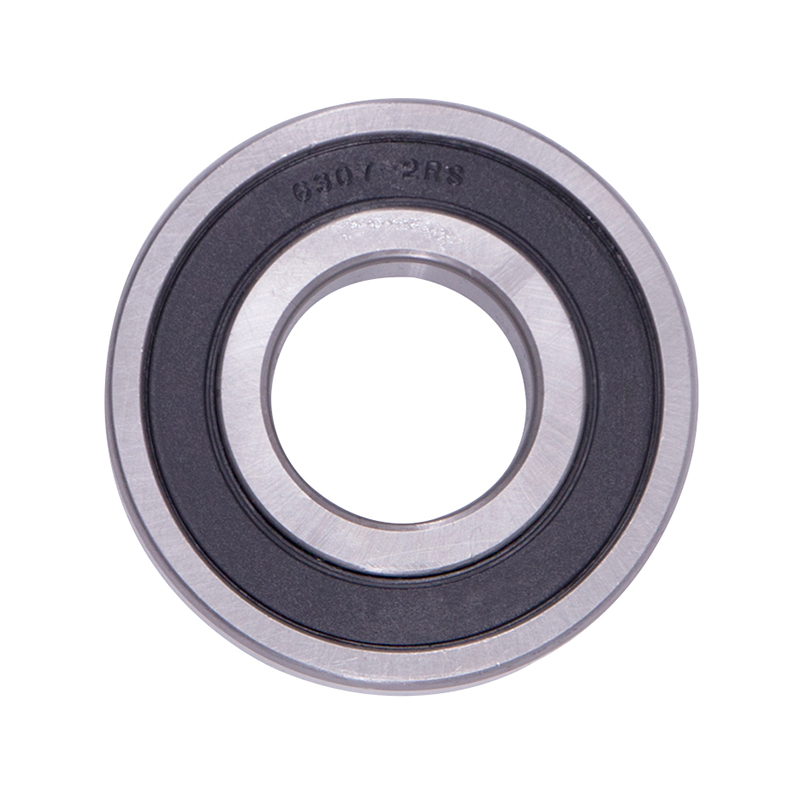 Wheel Hub Bearings
 -
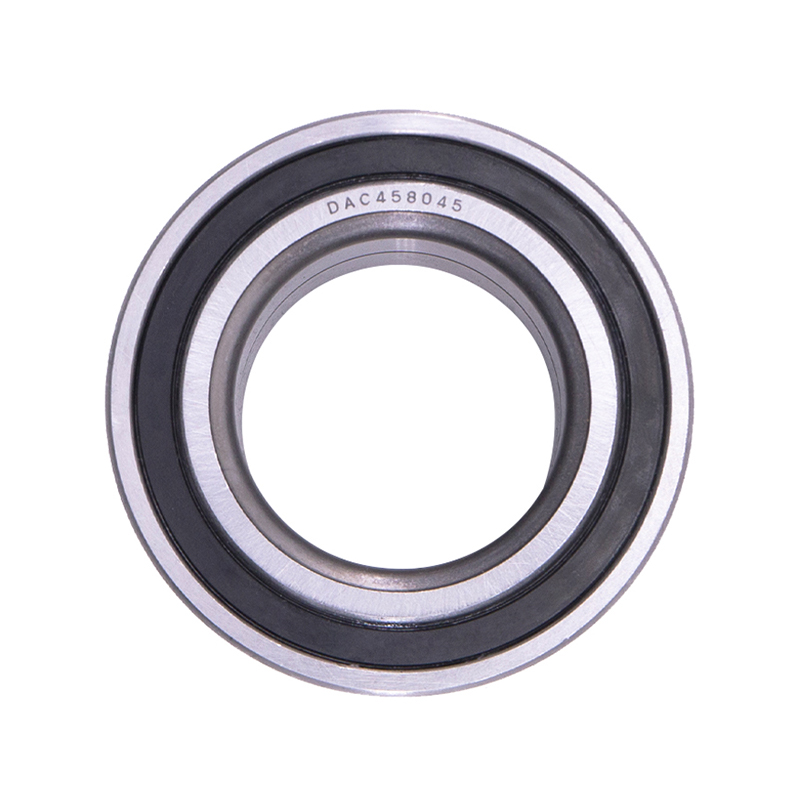 Wheel Hub Bearings
DAC387436 DAC458045 Hub Deep Groove Ball Car Wheel Bearing
-
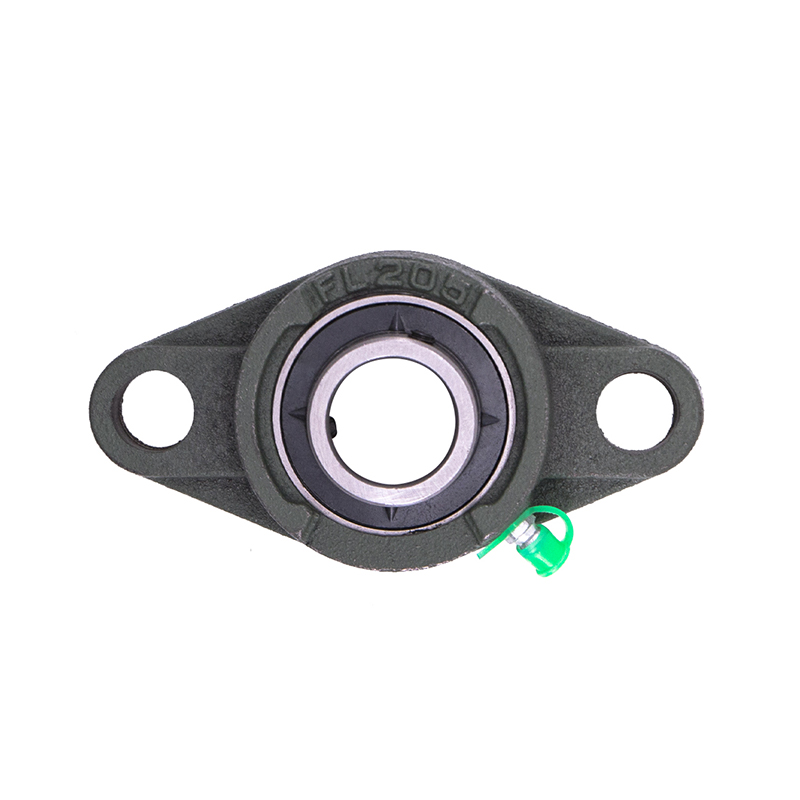 Spherical Bearings
FL204 FL205 FL206 Stainless Steel Pillow Block Bearing
-
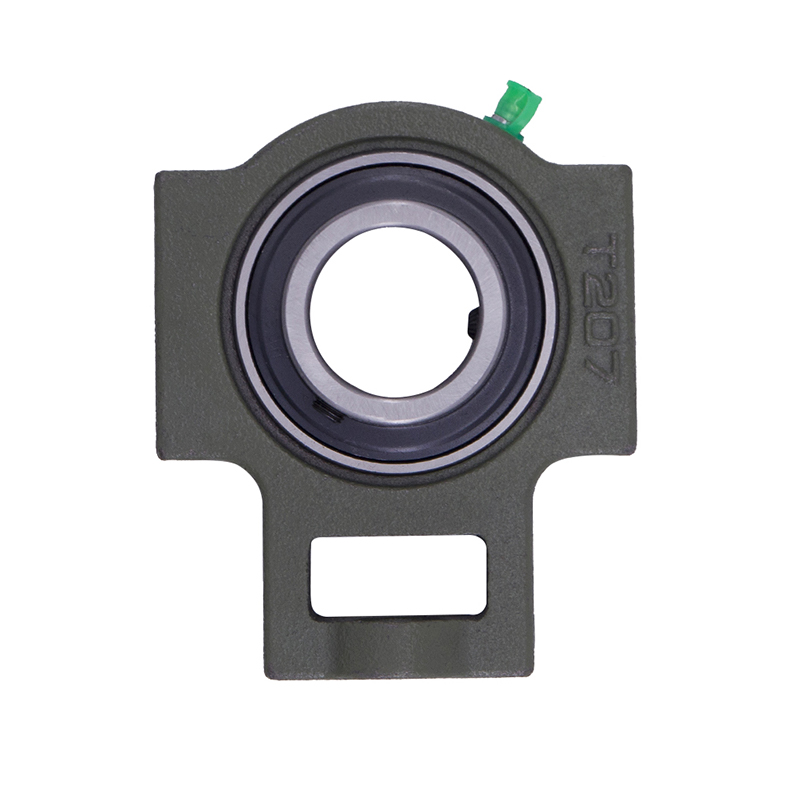 Spherical Bearings
T204 T207 UC204 High Speed Insert Pillow Block Bearing
-
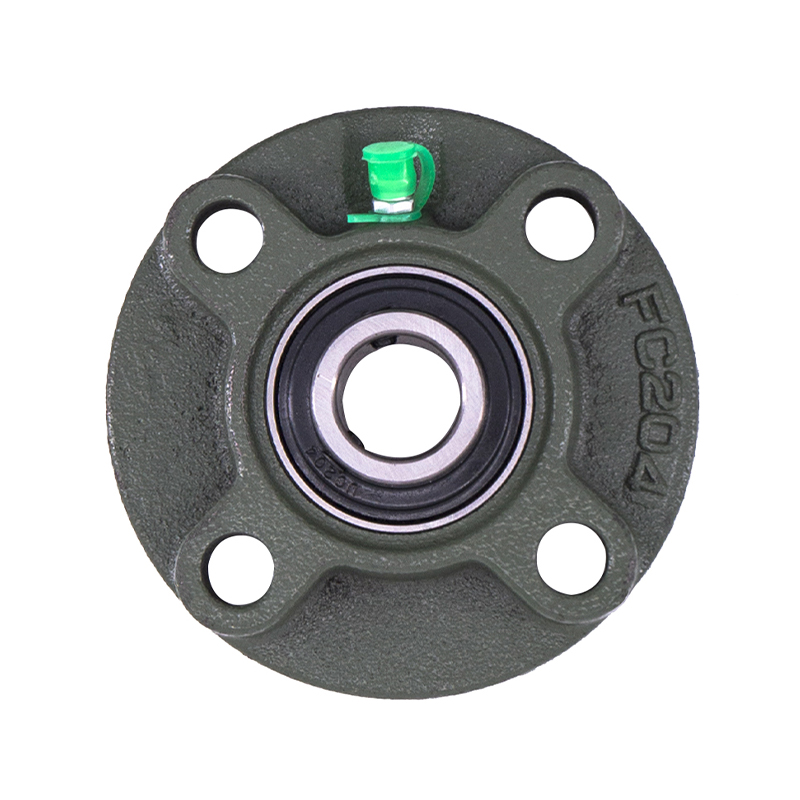 Spherical Bearings
FC204 F210 Auto Wheels Bike Pillow Block Bearing
-
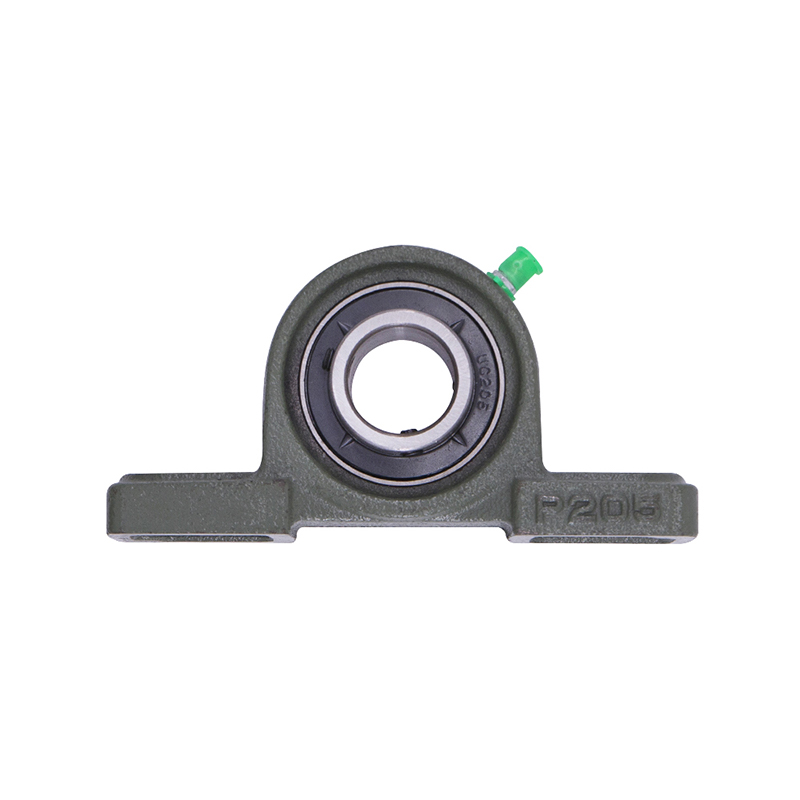 Spherical Bearings
P207 206 205 203 High Precision Wheel Pillow Block Bearing
-
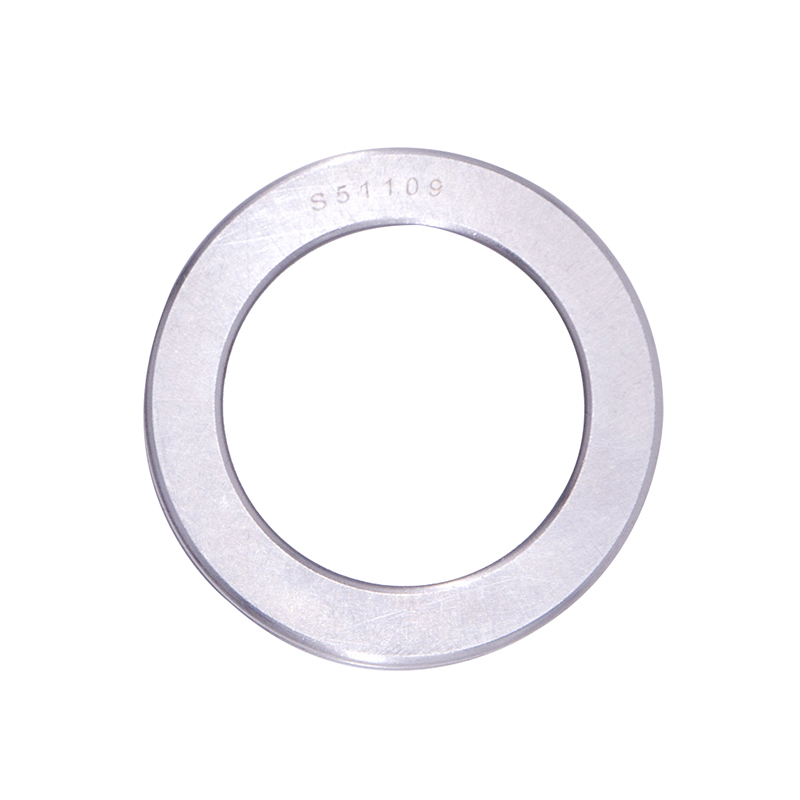 Thrust Roller Bearings
S51100 S51107 S51109 Car Wheel Plain Thrust Ball Bearing
-
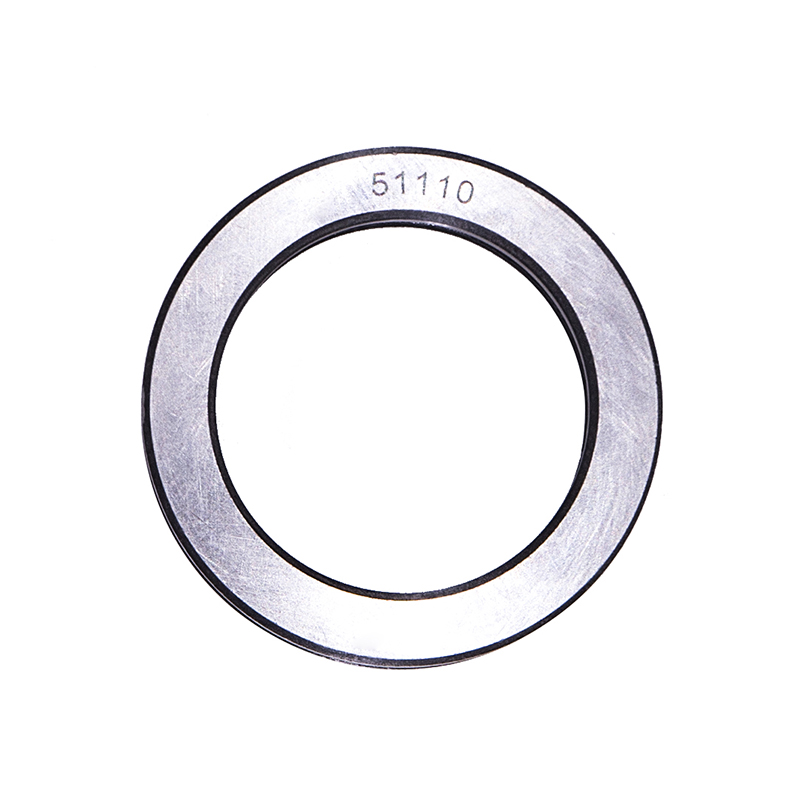 Thrust Roller Bearings
51110 51107 51104 51206 High Speed Plain Thrust Ball Bearing
Do Large Bearings Lose Accuracy in Corrosive Zones
Industry news-10–600 mm corrosion-resistant deep groove ball bearings are widely applied in marine systems, heavy conveyors, chemical pumps, and outdoor rotating assemblies where exposure conditions change constantly. The question of dimensional stability under corrosion stress is not only about material strength but also about how surface integrity, lubrication film, and internal clearance interact over time.
Dimensional stability under corrosive attack
Corrosive environments influence bearing accuracy mainly through surface degradation rather than immediate geometric deformation. Standard bearing steel (typically GCr15 / AISI 52100 equivalent) relies on extremely smooth raceways, and even minor corrosion pits can interrupt rolling continuity.
Typical external stress factors include:
- Chloride exposure in marine air or splash zones
- Acidic vapor from chemical processing lines
- Moisture condensation during shutdown cycles
- Electrolytic reaction in grounded rotating systems
Once micro-pitting starts, rolling elements begin to travel over uneven surfaces, gradually increasing vibration amplitude. This does not instantly change nominal dimensions, but it reduces effective rotational accuracy in practical operation.
Why large diameter bearings behave differently
Bearings in the 10–600 mm range show distinct mechanical behavior because contact stress distribution varies with size.
Larger bearings often feature:
- Higher total load capacity due to increased raceway surface area
- Reduced Hertzian contact stress per unit area
- Greater sensitivity to localized corrosion spots
- More pronounced thermal expansion gradients across the ring body
Even though large bearings can tolerate higher absolute loads, corrosion damage on a localized section has a stronger influence on rotational consistency because more rolling elements pass through the affected zone per cycle.
This is why corrosion resistance becomes more critical as size increases, even though load capacity appears sufficient on paper.
Role of material upgrades in accuracy retention
To maintain dimensional performance in corrosive zones, manufacturers commonly shift from standard chromium steel to modified materials:
- Stainless steel variants (AISI 440C or equivalent)
- Nitrogen-enhanced alloy steels for improved passivation
- Ceramic hybrid rolling elements in harsh cases
- Surface coatings such as zinc, nickel, or black oxide layers
These materials do not change the basic deep groove geometry, but they slow down oxidation processes that create surface discontinuities. Without corrosion progression, raceway geometry remains functionally stable over longer service cycles.
Seal and shielding influence on rotational precision
Sealing architecture has a direct effect on whether corrosion affects accuracy.
Common configurations:
- Contact rubber seals (2RS type)
- Non-contact metal shields (ZZ type)
- Hybrid multi-lip sealing systems for high moisture exposure
Rubber seals reduce contaminant ingress but introduce slight drag torque, which can increase heat generation. Heat variation leads to small expansion shifts, especially in large diameter bearings where thermal gradients are more noticeable.
Shielded designs reduce friction but allow fine moisture penetration over long cycles. In corrosive zones, shielding alone is often insufficient to preserve long-term accuracy.
Lubrication degradation and accuracy drift
Lubricant condition plays a central role in maintaining consistent motion. In corrosive environments, grease degradation occurs faster due to:
- Water contamination reducing film strength
- Chemical interaction breaking down base oil viscosity
- Oxidation accelerating thickener separation
Once lubrication film weakens, metal-to-metal micro-contact increases. This leads to:
- Rise in rotational noise frequency
- Gradual clearance variation due to wear debris
- Loss of smooth torque transfer
Even without visible corrosion, degraded lubrication alone can create measurable accuracy loss in precision rotary systems.
Clearance variation under environmental stress
Internal clearance (CN, C3, or adjusted fits) becomes more critical as bearing size increases. Corrosion does not directly alter designed clearance, but it introduces uneven wear patterns.
Observed effects include:
- Localized raceway roughness increasing effective radial play
- Uneven thermal expansion in partially corroded rings
- Slight skewing of load distribution across ball rows
Large bearings amplify this effect because thermal gradients across a 200–600 mm ring can differ significantly between exposed and sheltered zones.
Practical application boundaries
10–600 mm corrosion-resistant deep groove ball bearings are typically used in:
- Offshore conveyor rollers
- Marine pump assemblies
- Chemical processing agitators
- Outdoor wind-driven rotating platforms
- Food and washdown machinery systems
In these environments, dimensional accuracy loss is rarely sudden. Instead, it develops gradually through combined surface wear and lubrication instability.
Common misinterpretation in field operation
A frequent assumption is that corrosion resistance guarantees unchanged geometry. In practice, corrosion resistance mainly slows degradation rather than eliminating it.
Even corrosion-resistant bearings may experience:
- Seal fatigue under repeated thermal cycling
- Lubricant contamination over long maintenance intervals
- Micro-pitting under mixed load and vibration conditions
Therefore, accuracy retention depends on system-level design, not only bearing selection.
System-level design influence
Long-term rotational precision is strongly influenced by surrounding mechanical structure:
- Housing rigidity prevents uneven load concentration
- Shaft alignment reduces edge loading on raceways
- Proper sealing interfaces limit moisture pathways
- Controlled operating temperature stabilizes expansion behavior
In large-scale systems, these external factors often have greater impact on accuracy than the bearing material itself.
Operational insight
Large deep groove ball bearings exposed to corrosive conditions do not typically “lose accuracy” abruptly. Instead, performance decline follows a layered progression—starting from lubrication breakdown, moving into surface micro-damage, and eventually affecting rotational smoothness.
Once corrosion progression begins, restoring original precision becomes difficult without full replacement, because raceway geometry is inherently tied to surface integrity at microscopic scale.
Our Product//
Related Product
If you are interested in our products, please consult us
Contact Details
- Address: 1377-13 Yinhai International, Jinhua, Zhejiang, China
- Fax: 0086-0319-8544668
- Tel: +86-15215868236
+86-15833609668 - Email: [email protected]
Products
Quick Link
News Center
Mobile terminal
Copyright © Yiwu Delian Bearing Co., Ltd. ALL RIGHTS RESERVED.
