
 English
 русский
 Español
-
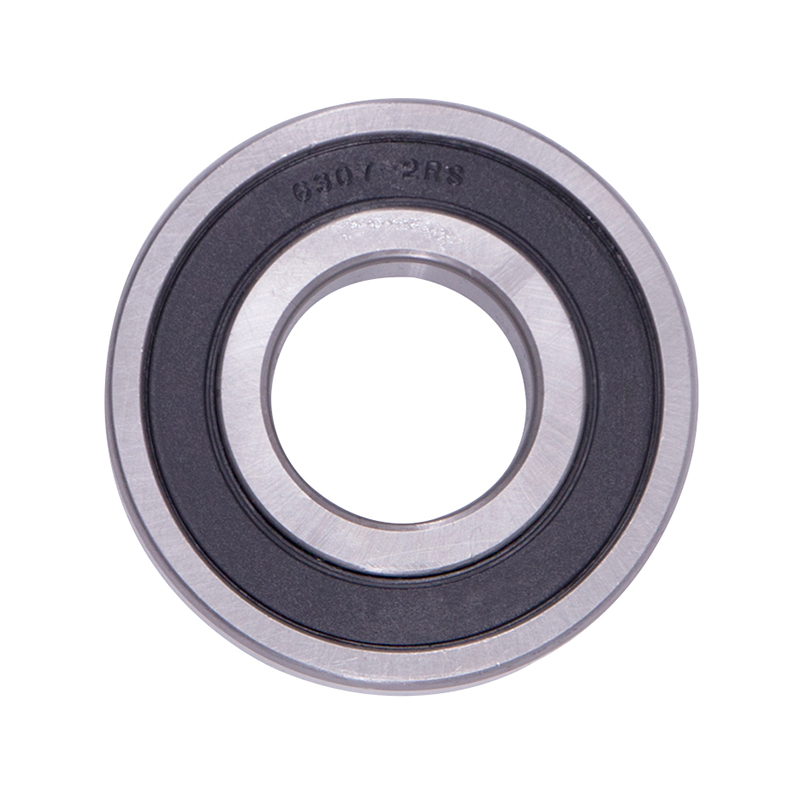 Wheel Hub Bearings
 -
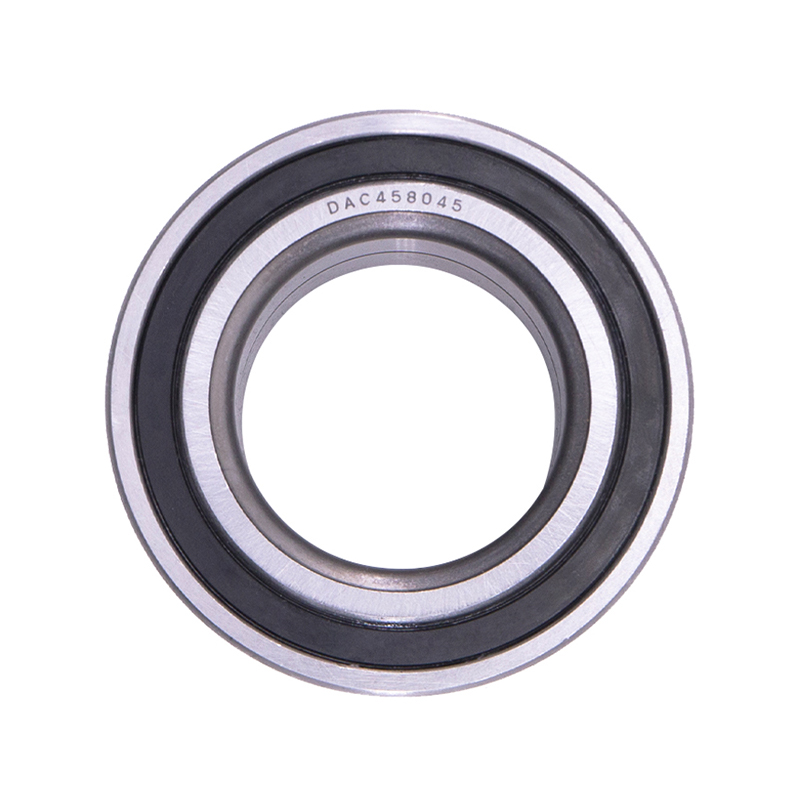 Wheel Hub Bearings
DAC387436 DAC458045 Hub Deep Groove Ball Car Wheel Bearing
-
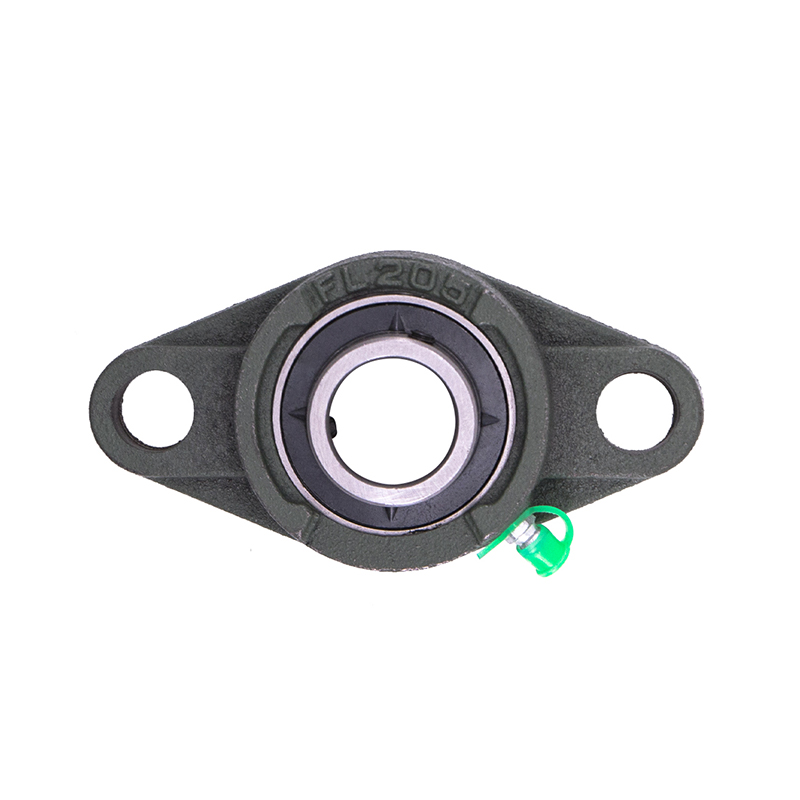 Spherical Bearings
FL204 FL205 FL206 Stainless Steel Pillow Block Bearing
-
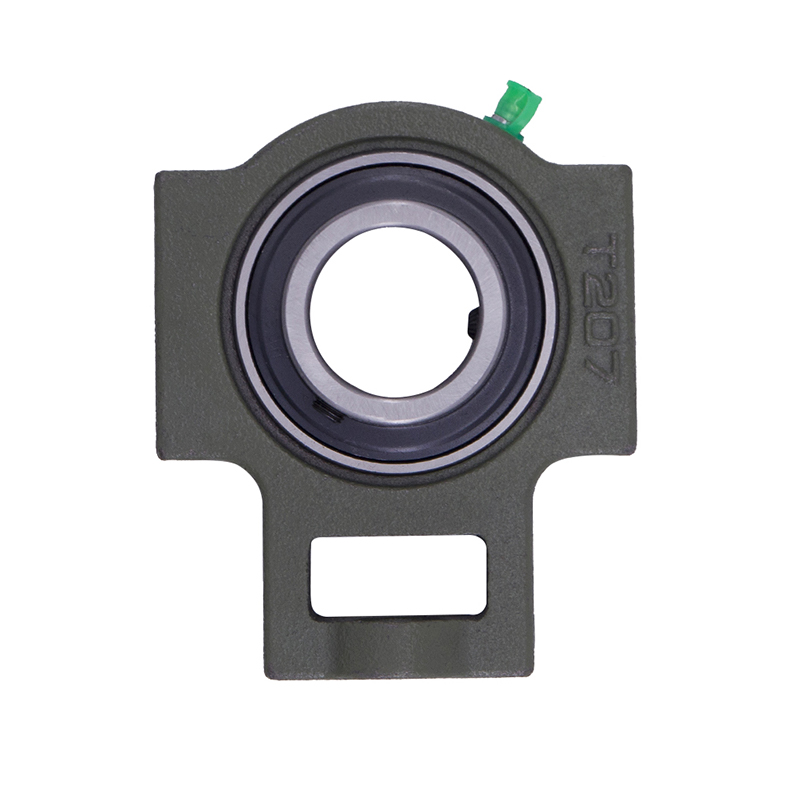 Spherical Bearings
T204 T207 UC204 High Speed Insert Pillow Block Bearing
-
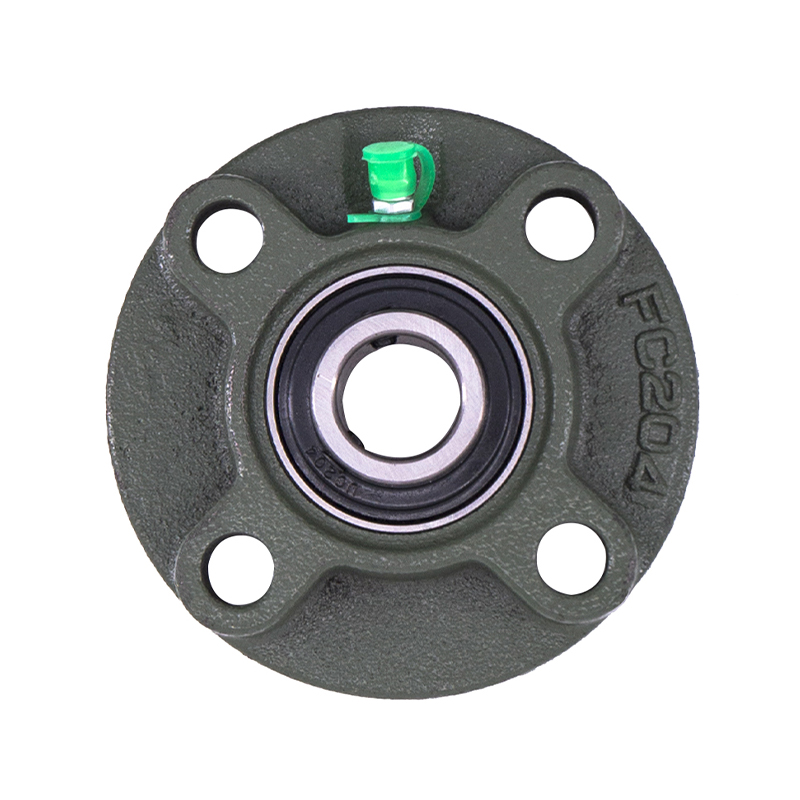 Spherical Bearings
FC204 F210 Auto Wheels Bike Pillow Block Bearing
-
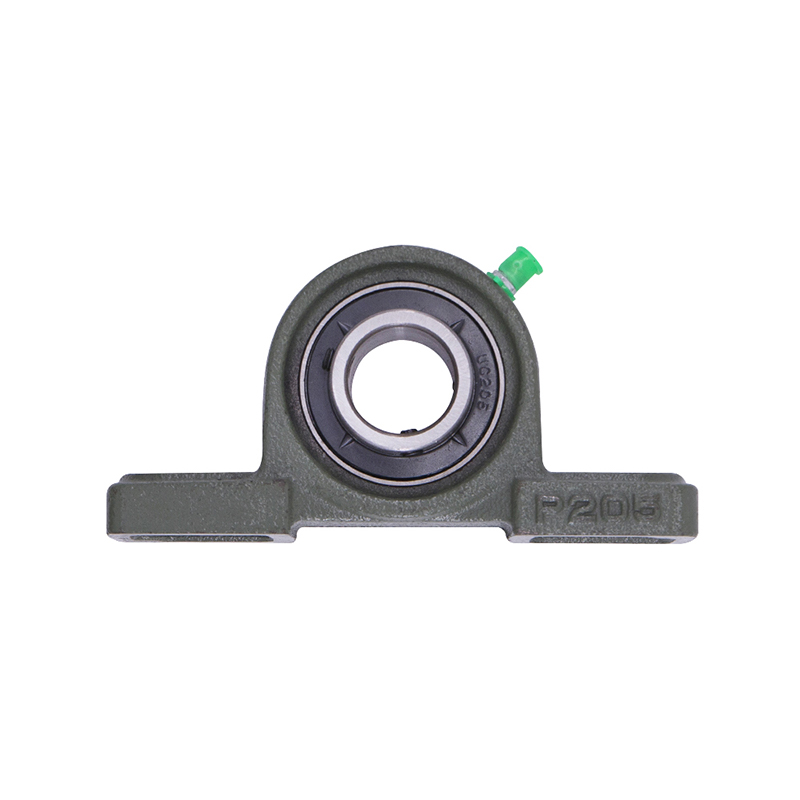 Spherical Bearings
P207 206 205 203 High Precision Wheel Pillow Block Bearing
-
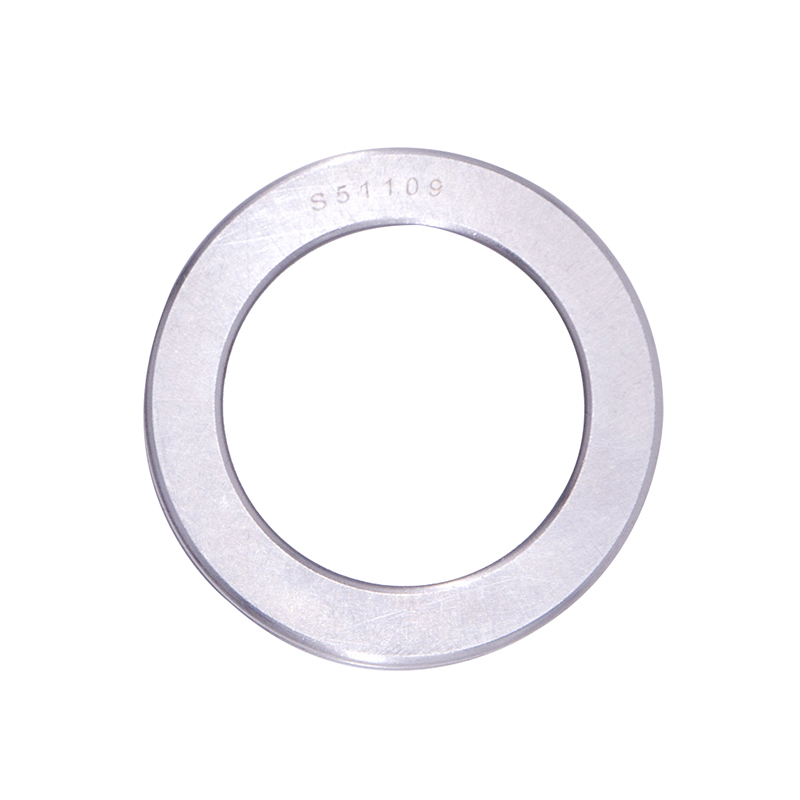 Thrust Roller Bearings
S51100 S51107 S51109 Car Wheel Plain Thrust Ball Bearing
-
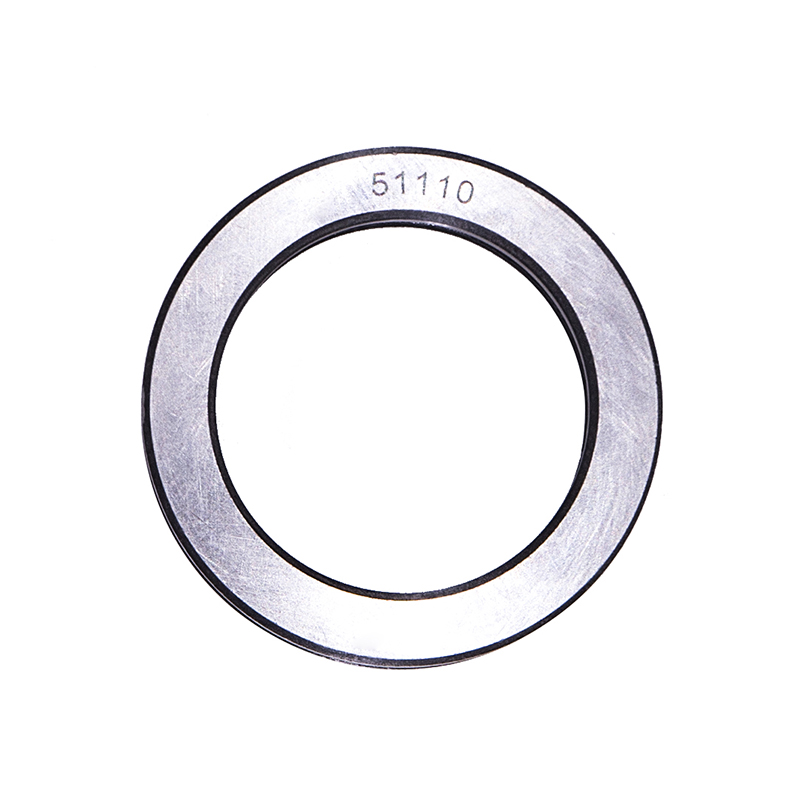 Thrust Roller Bearings
51110 51107 51104 51206 High Speed Plain Thrust Ball Bearing
Can 2RS Bearings Handle High Contamination Pressure
Industry news-6310-2RS rubber sealed deep groove ball bearings are widely used in heavy-duty rotating systems where dust, moisture, and lubricant loss become constant challenges. The design integrates a double-lip elastomer seal that works as a physical barrier against external particles while retaining grease inside the raceway system. This structure makes the bearing suitable for environments where contamination pressure is continuous rather than occasional.
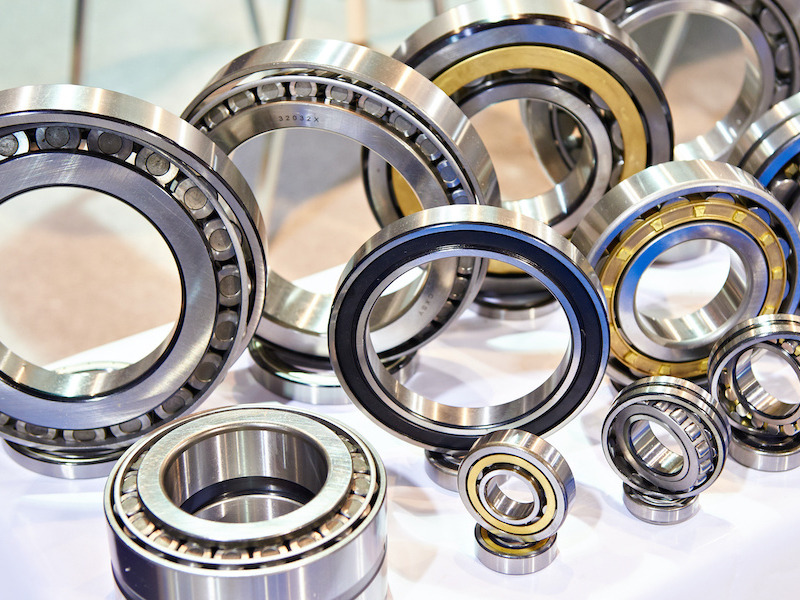
Sealing structure under harsh exposure
Rubber seals on both sides of the 6310-2RS configuration create a closed lubrication chamber. The seal lip typically uses nitrile rubber (NBR), which maintains elasticity across a wide industrial temperature band roughly from -30°C to 110°C.
The internal grease fill ratio is often controlled around 25–40% of free volume, balancing lubrication film stability and heat dissipation. This internal balance becomes critical because excessive sealing friction can raise operating temperature in continuous rotation systems.
The sealing contact design reduces ingress of fine dust, metal particles, and water mist, which are common in conveyor systems, agricultural machinery, and medium-speed electric motors.
Structural capacity and dimensional behavior
The 6310 series belongs to the 63xx medium-section deep groove family. Standard geometry typically includes:
- Bore diameter: 50 mm
- Outer diameter: 110 mm
- Width: 27 mm
Load ratings in industrial-grade variants often exceed:
- Dynamic load: ~57–77 kN range depending on manufacturer
- Static load: ~35–38 kN range
Such values indicate suitability for combined radial load systems with moderate axial force components. The deep groove raceway geometry allows stable ball guidance under bidirectional load shifts without additional alignment components.
The cage is commonly steel or reinforced polymer, designed to maintain spacing at speeds reaching 4,000–7,000 rpm depending on lubrication and seal friction conditions.
Contamination pressure behavior in real operation
Contamination pressure does not only mean visible dust exposure. It includes:
- Micron-scale abrasive particles entering housing gaps
- Water vapor condensation cycles
- Oil mist dilution from external lubricants
- Thermal expansion-driven seal micro-gap changes
Rubber sealed bearings resist these factors through elastic contact sealing rather than non-contact shielding. This difference matters in environments like:
- Mining conveyor rollers
- Cement processing lines
- Outdoor electric motors
- Industrial washing equipment
A key advantage lies in grease retention stability. Once contaminants cannot displace lubricant film, rolling fatigue becomes significantly slower because metal-to-metal contact is minimized.
Thermal and speed trade-off considerations
Sealed structures introduce additional drag torque. Compared with ZZ metal shields, 2RS seals generate more friction heat at identical speeds.
Typical operational characteristics:
- Grease-lubricated speed limit: ~4,000–5,000 rpm (varies by brand)
- Oil lubrication potential (modified designs): higher ceiling but reduced sealing integrity
- Operating temperature rise: influenced strongly by seal contact pressure and preload
Heat accumulation is usually controlled through housing design rather than bearing modification. Aluminum housings or finned motor casings help dissipate energy generated at seal interfaces.
Failure modes under harsh contamination
Even sealed bearings eventually face degradation under severe exposure. Common failure patterns include:
- Seal lip hardening after long thermal cycles
- Grease oxidation due to micro-leakage of air and moisture
- Raceway pitting caused by abrasive particle infiltration
- Cage wear from inconsistent lubrication film thickness
A less obvious issue appears in misalignment conditions. Once shaft deflection exceeds allowable internal clearance compensation, seal edges experience uneven wear, opening micro-pathways for contaminants.
Application suitability boundaries
6310-2RS bearings perform reliably in environments where contamination is persistent but not chemically aggressive. They are commonly integrated into:
- Medium-speed industrial gearboxes
- Belt-driven motor assemblies
- Agricultural harvesting equipment
- Water-exposed rotating rollers
However, environments with strong acid vapor, high-pressure steam jets, or continuous submersion may require specialized stainless or ceramic hybrid bearings instead of standard chromium steel designs.
Design considerations beyond sealing
Performance stability depends not only on sealing type but also on internal clearance selection and lubrication grade. C3 clearance variants are often used where thermal expansion is expected, preventing preload buildup that could increase seal friction and shorten service life.
Lubricant selection also indirectly influences contamination resistance. Higher viscosity greases maintain a stronger barrier film but may reduce low-temperature responsiveness.
Operational perspective on durability
Rubber sealed deep groove bearings are not absolute barriers; they are controlled contamination regulators. The goal is not total exclusion but slowing particle ingress to a level where wear mechanisms remain within acceptable engineering limits.
In practical systems, lifespan is often determined more by installation alignment and housing rigidity than seal material alone. Proper shaft fit tolerance and stable mounting surfaces significantly reduce edge loading, improving long-term sealing integrity.
6310-2RS rubber seal deep groove ball bearings provide strong resistance against continuous contamination exposure through sealed lubrication architecture and controlled internal grease systems. Their performance advantage appears more clearly in environments where dust and moisture are constant but not chemically destructive.
A well-matched housing design, correct clearance selection, and stable alignment often define whether the sealing system performs at its intended capability or degrades prematurely.
Our Product//
Related Product
If you are interested in our products, please consult us
Contact Details
- Address: 1377-13 Yinhai International, Jinhua, Zhejiang, China
- Fax: 0086-0319-8544668
- Tel: +86-15215868236
+86-15833609668 - Email: [email protected]
Products
Quick Link
News Center
Mobile terminal
Copyright © Yiwu Delian Bearing Co., Ltd. ALL RIGHTS RESERVED.
