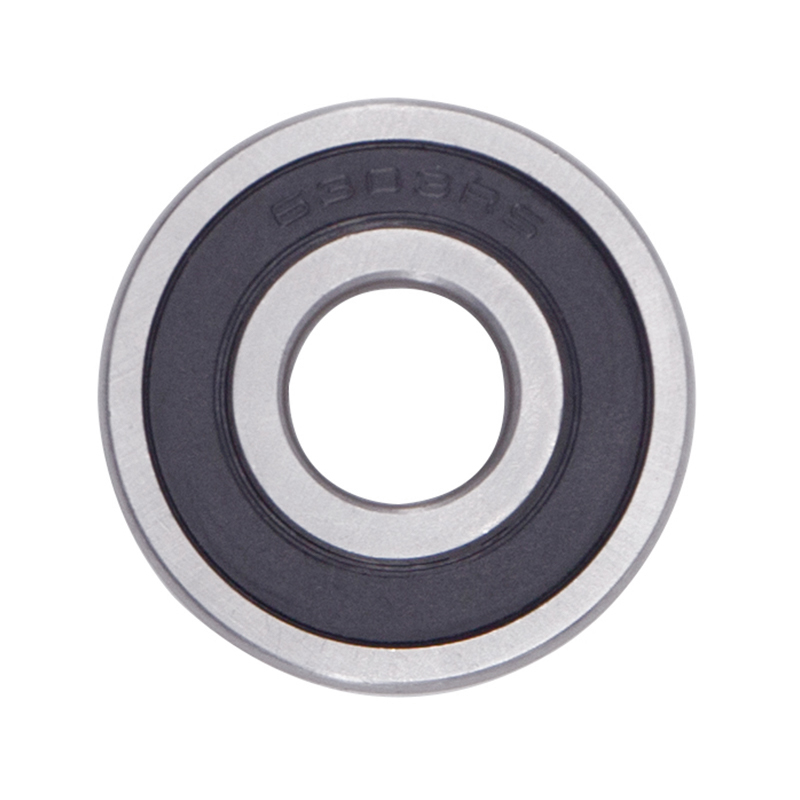
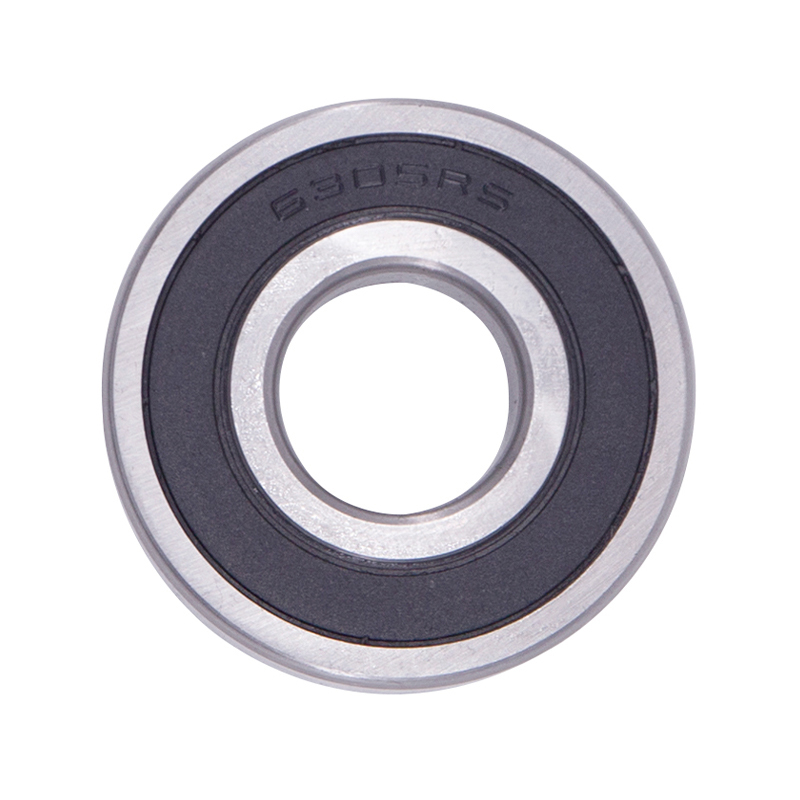
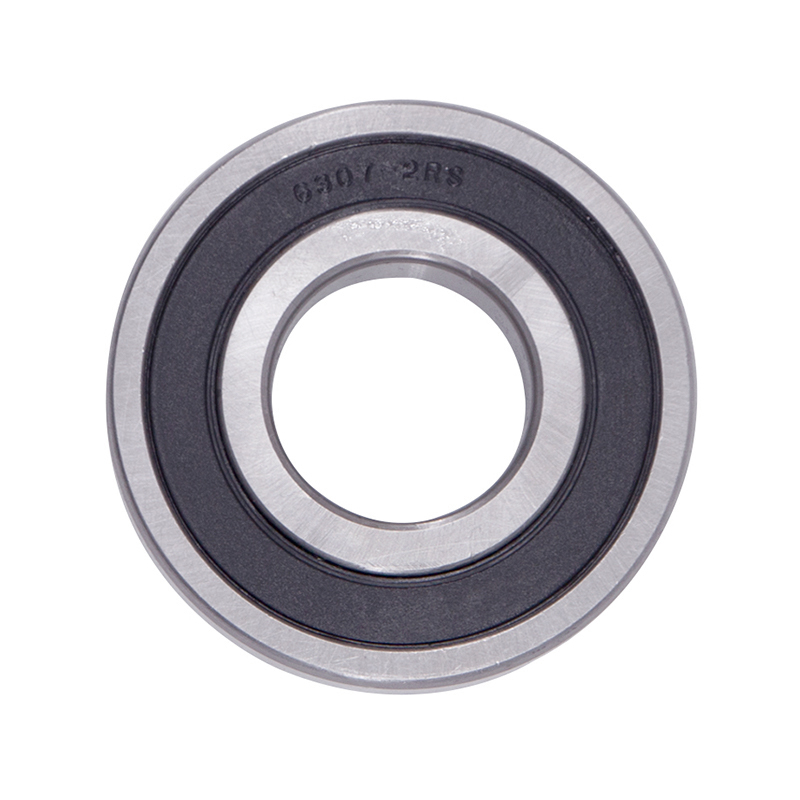
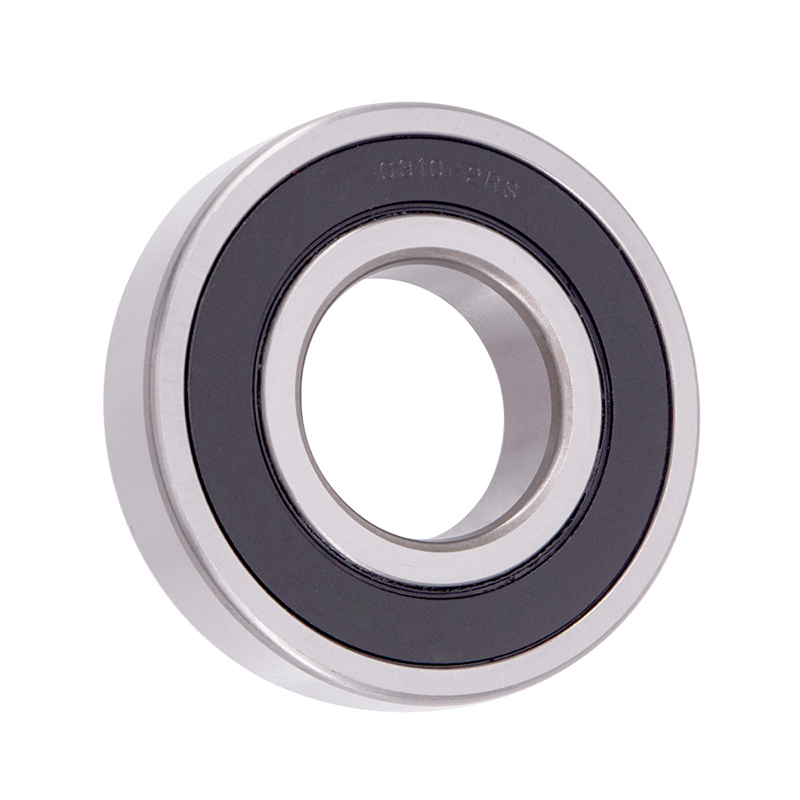
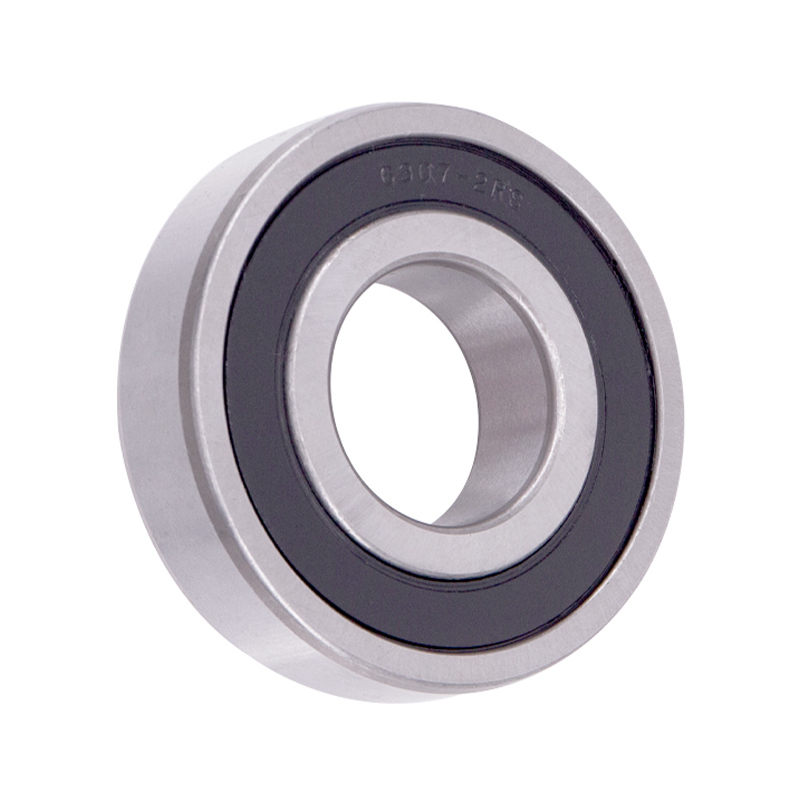
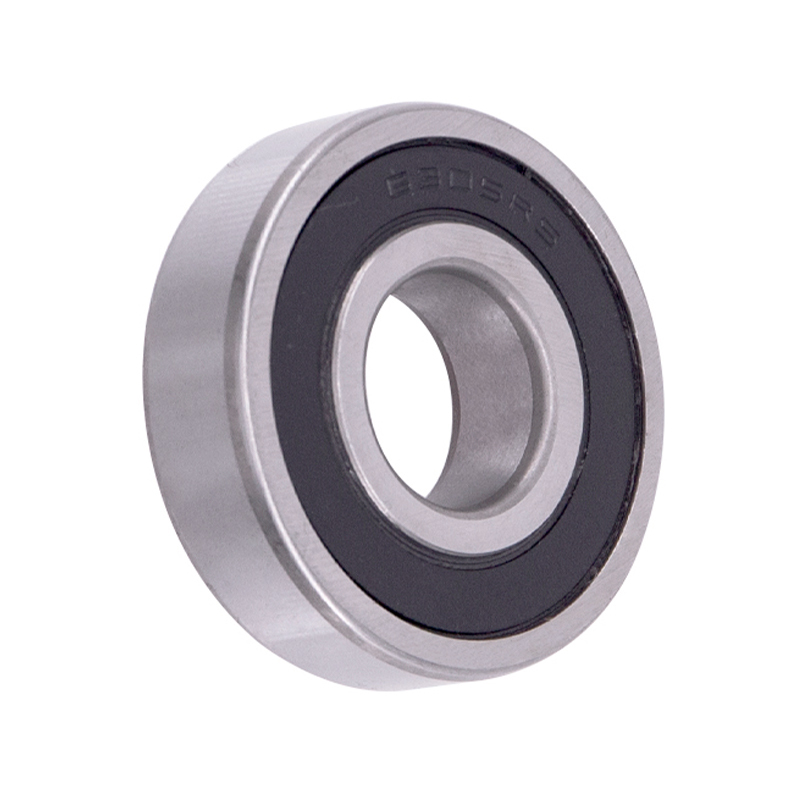
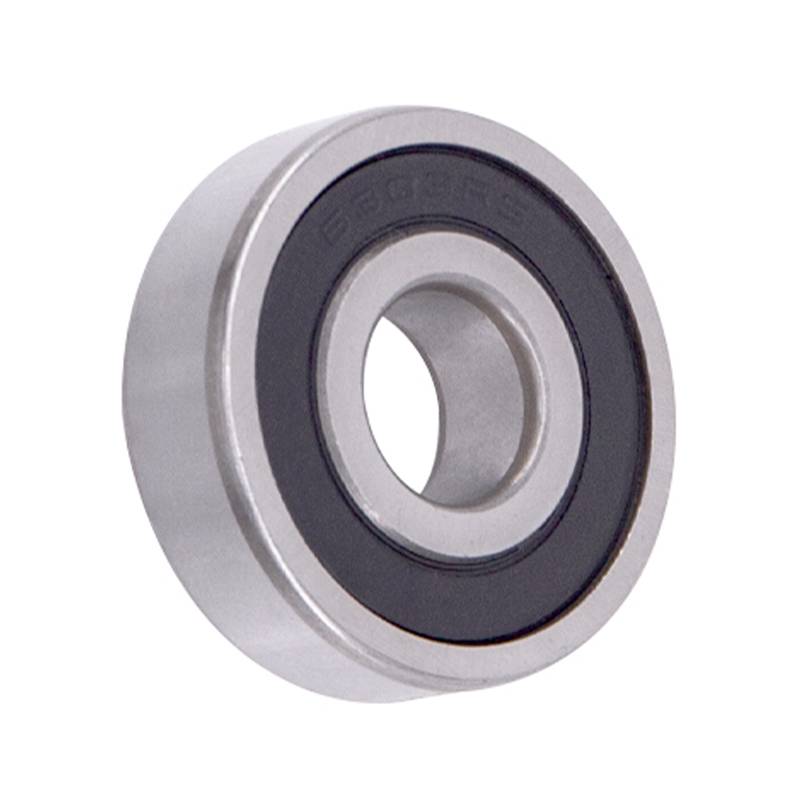
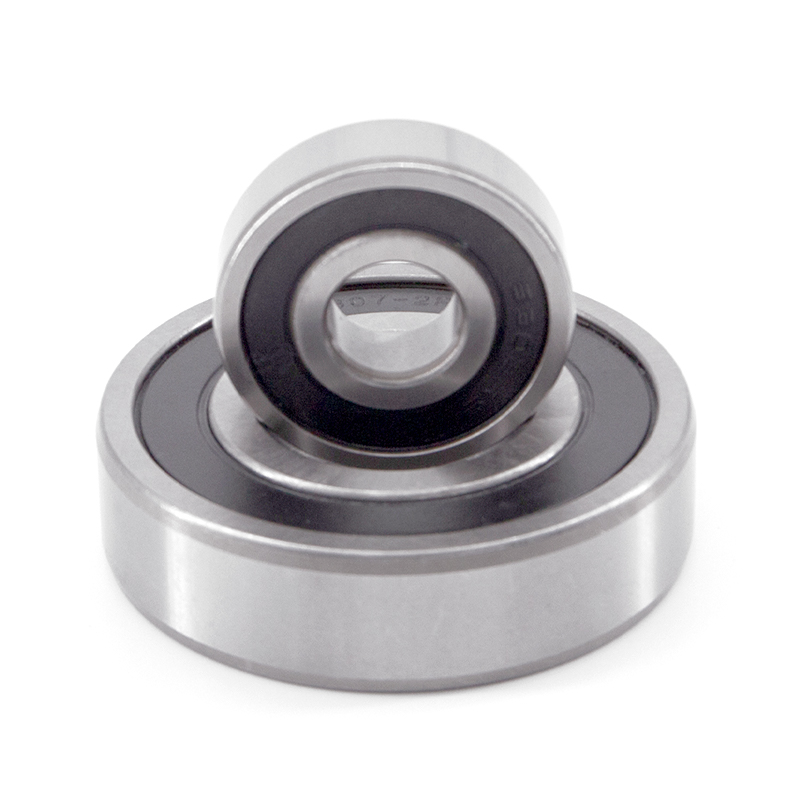
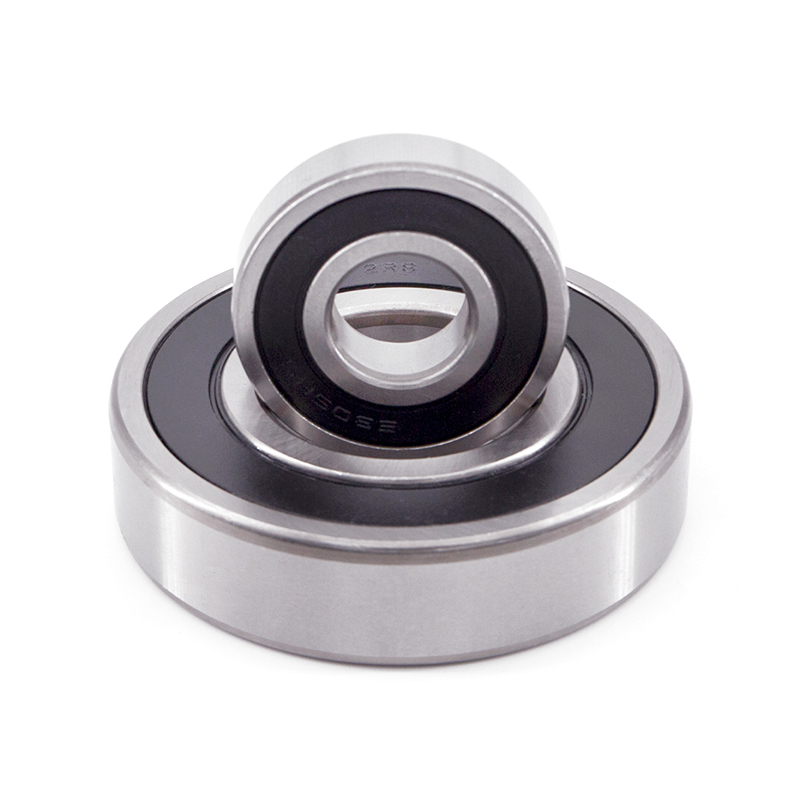
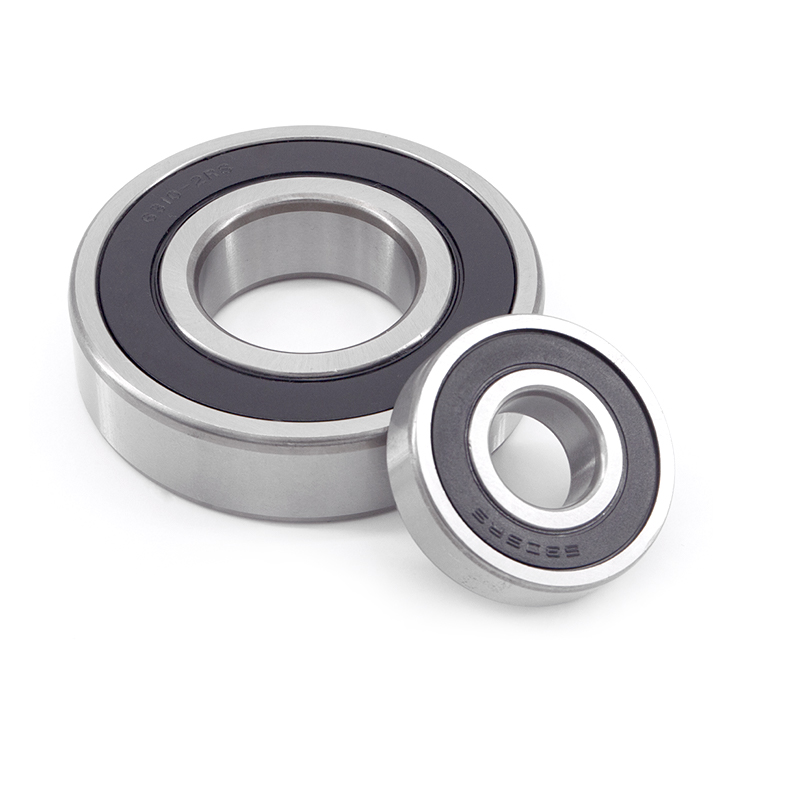
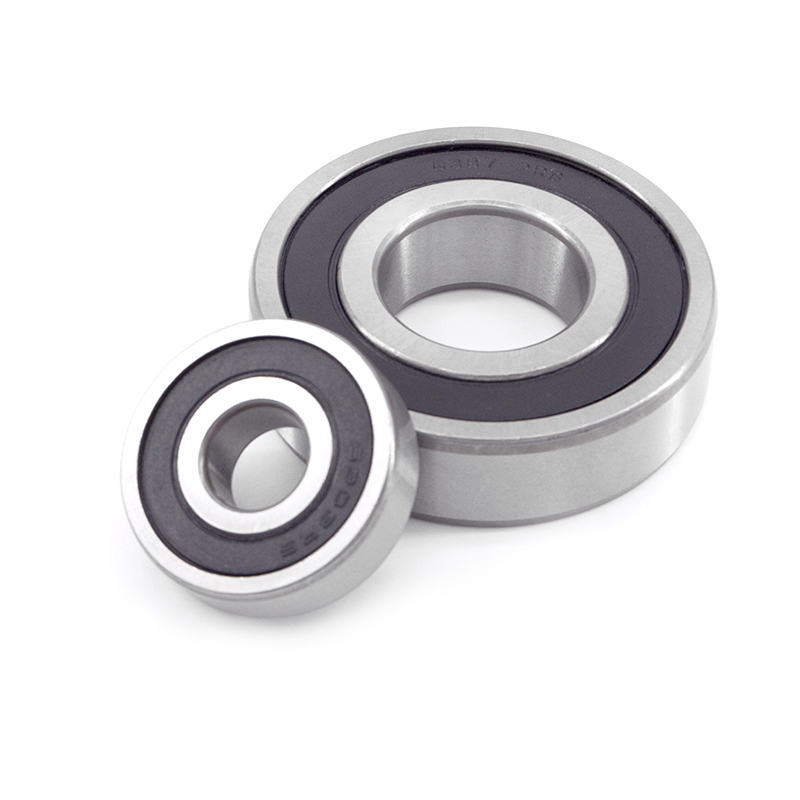
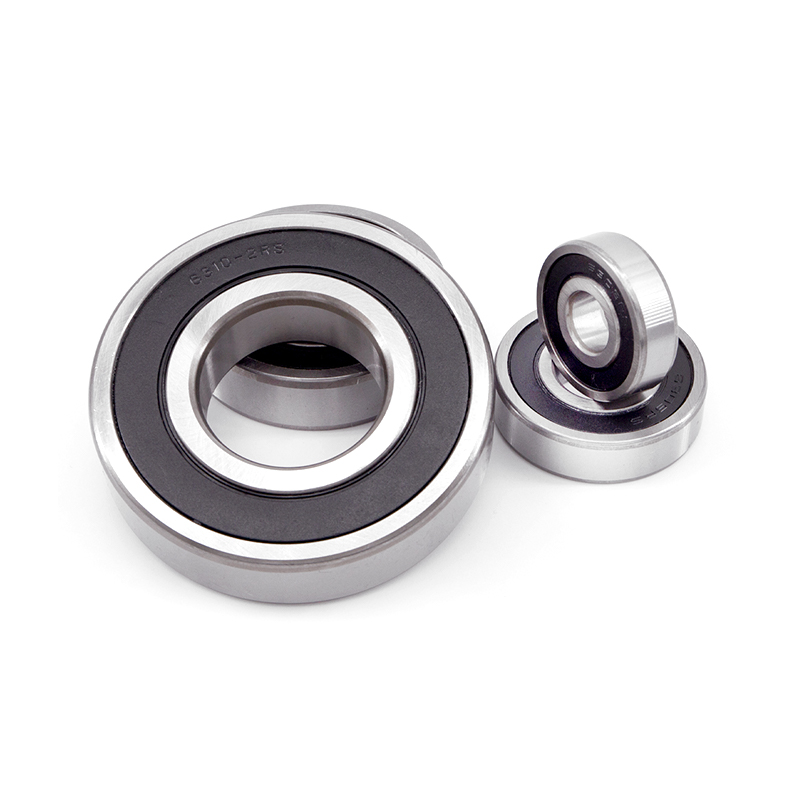
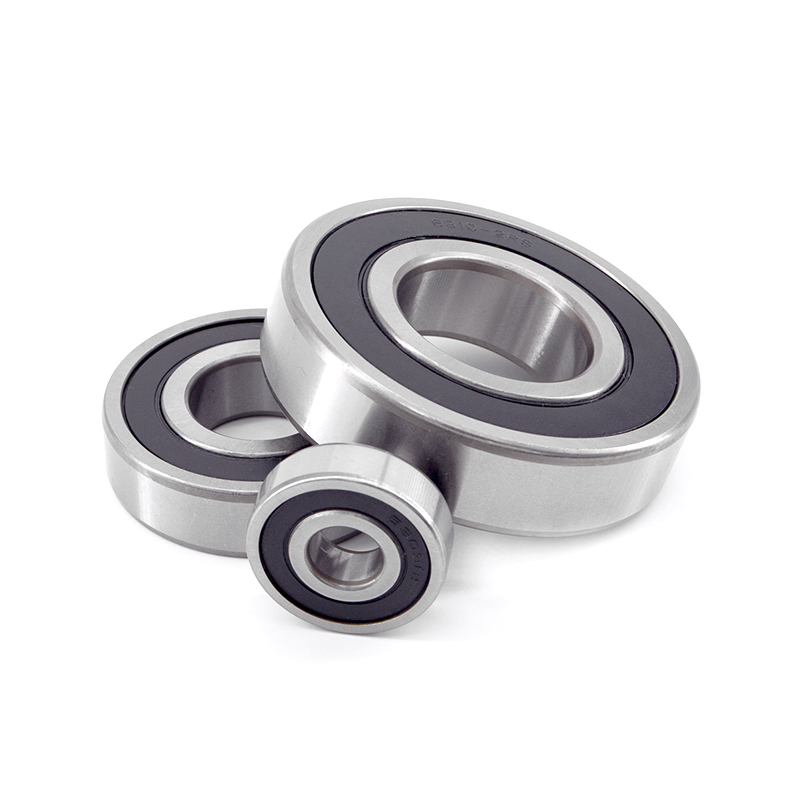
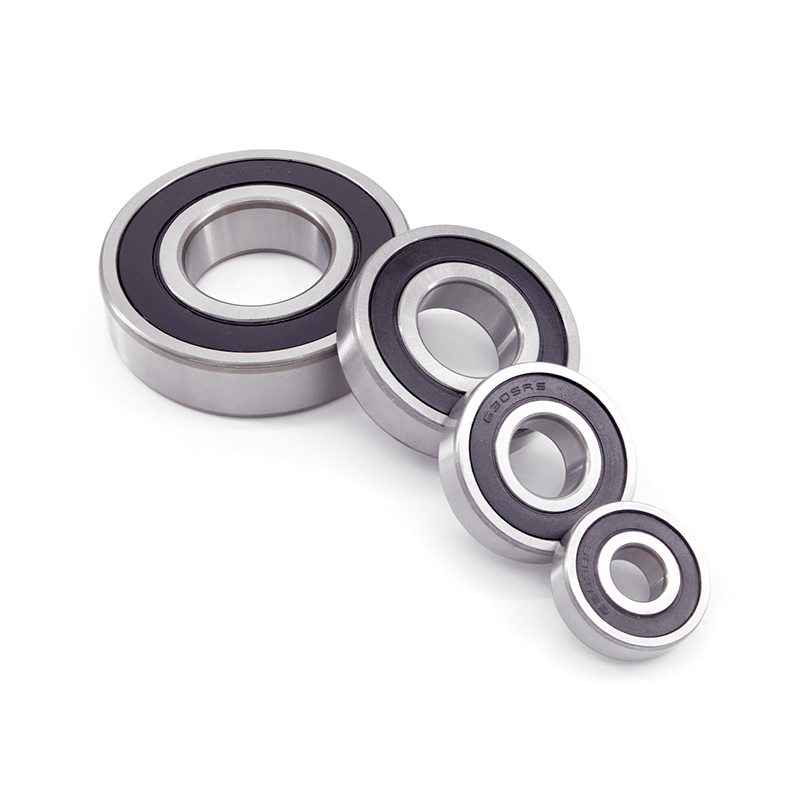
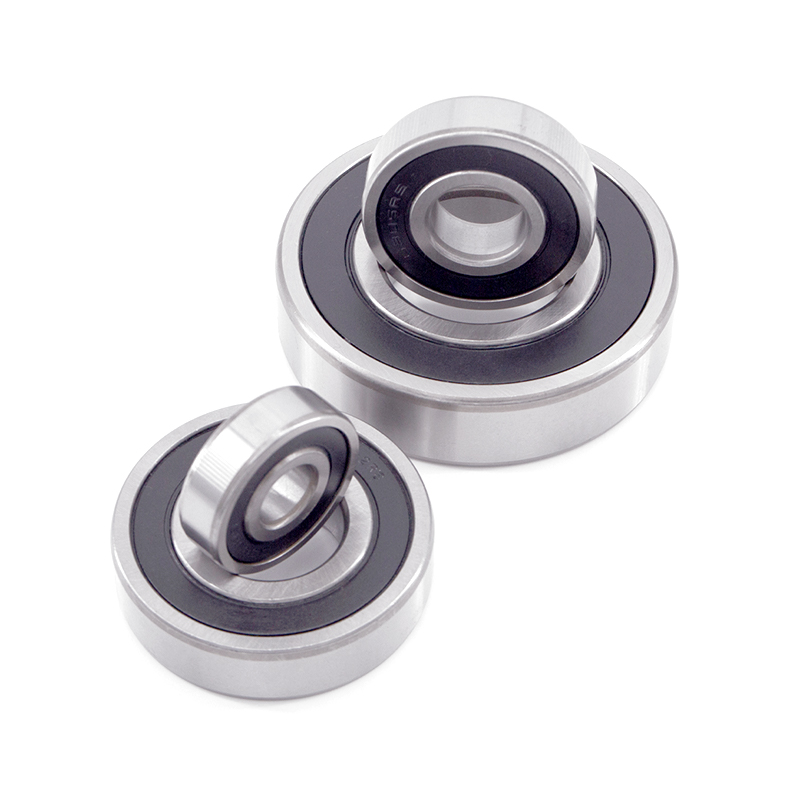
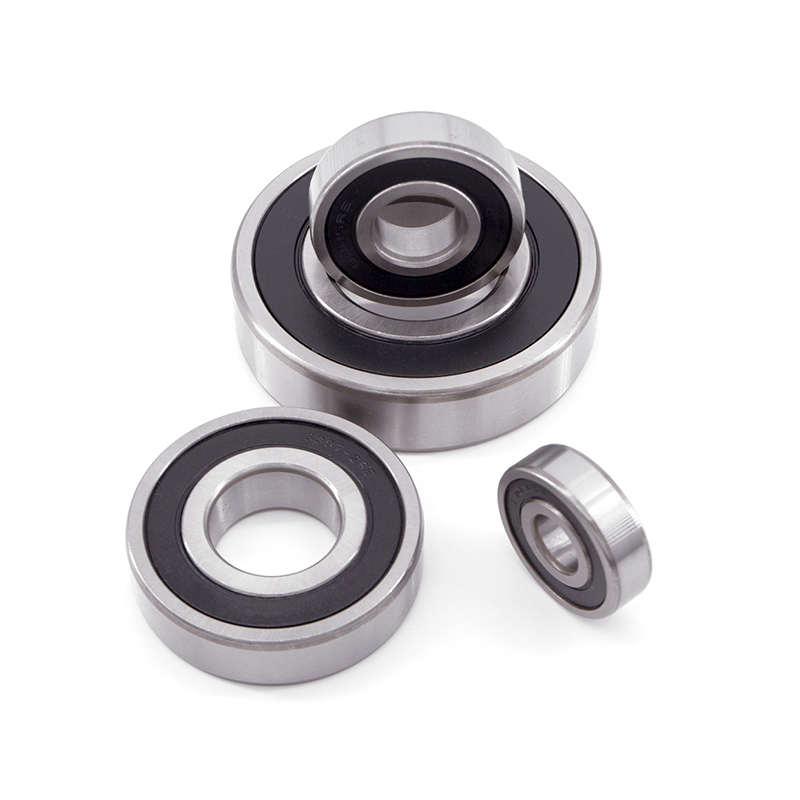
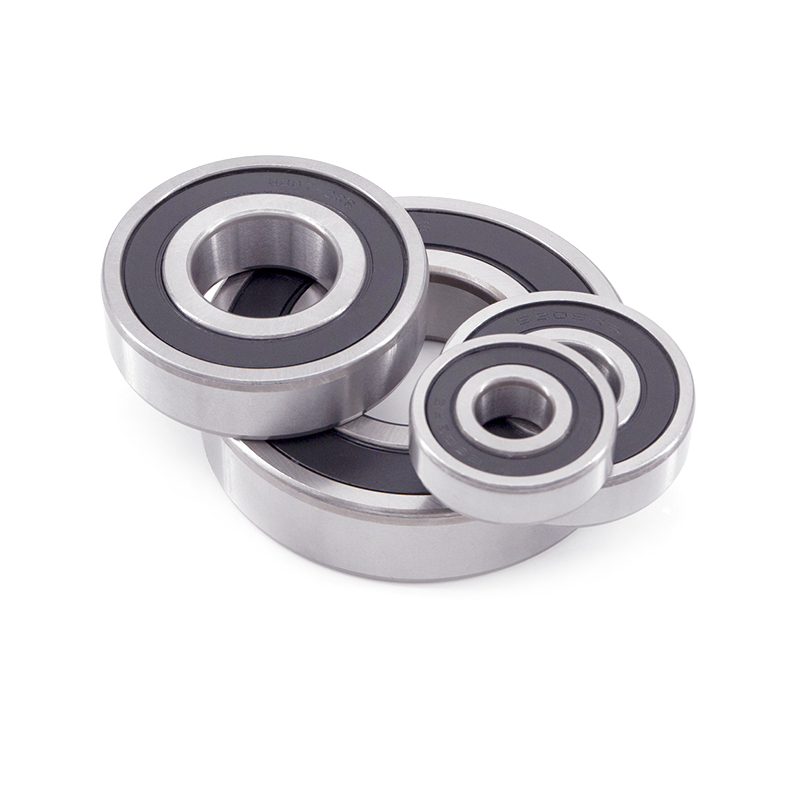
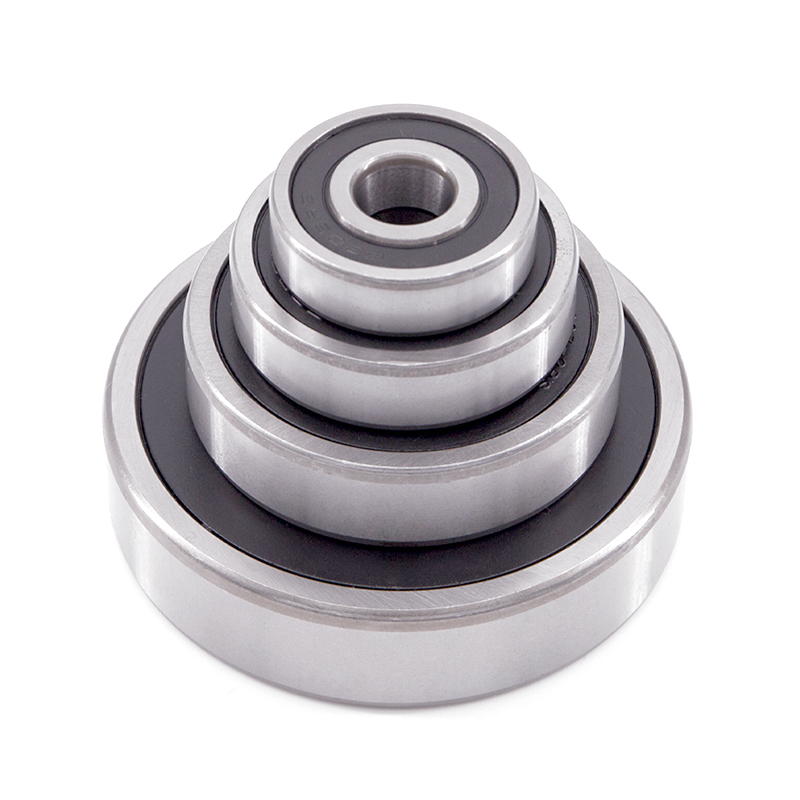
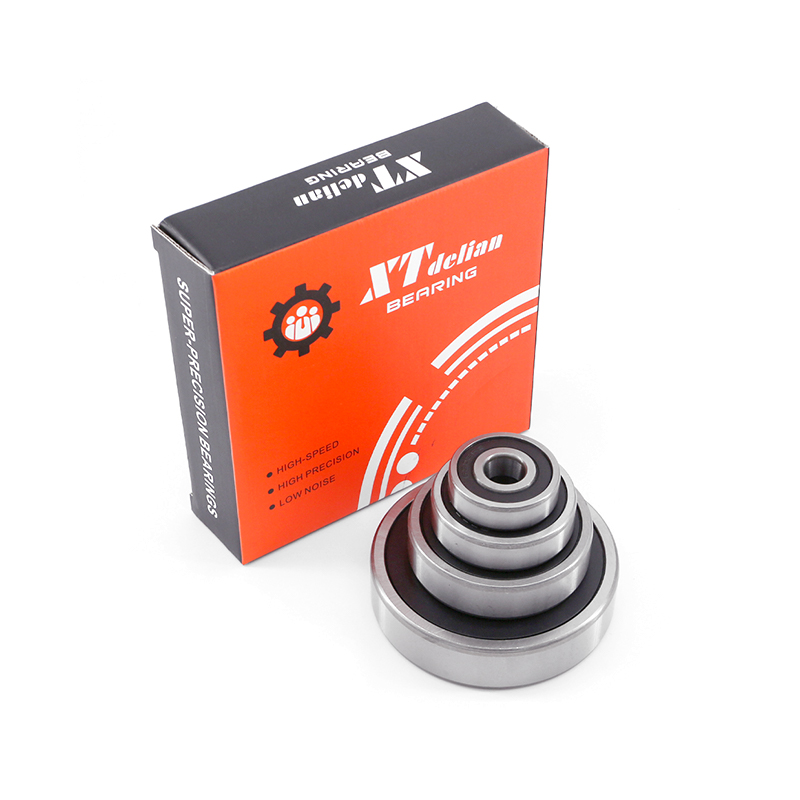
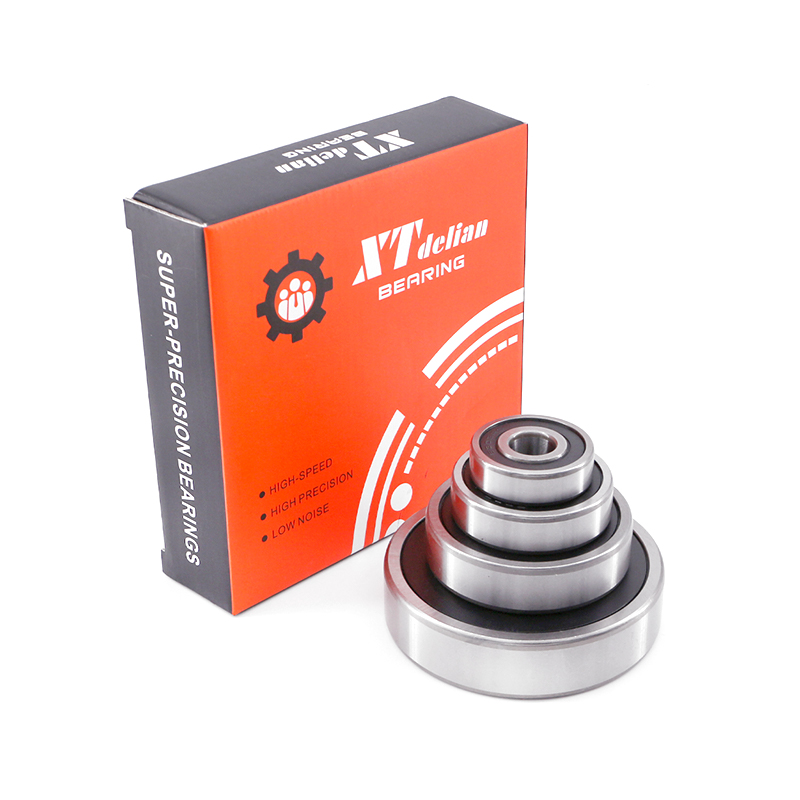
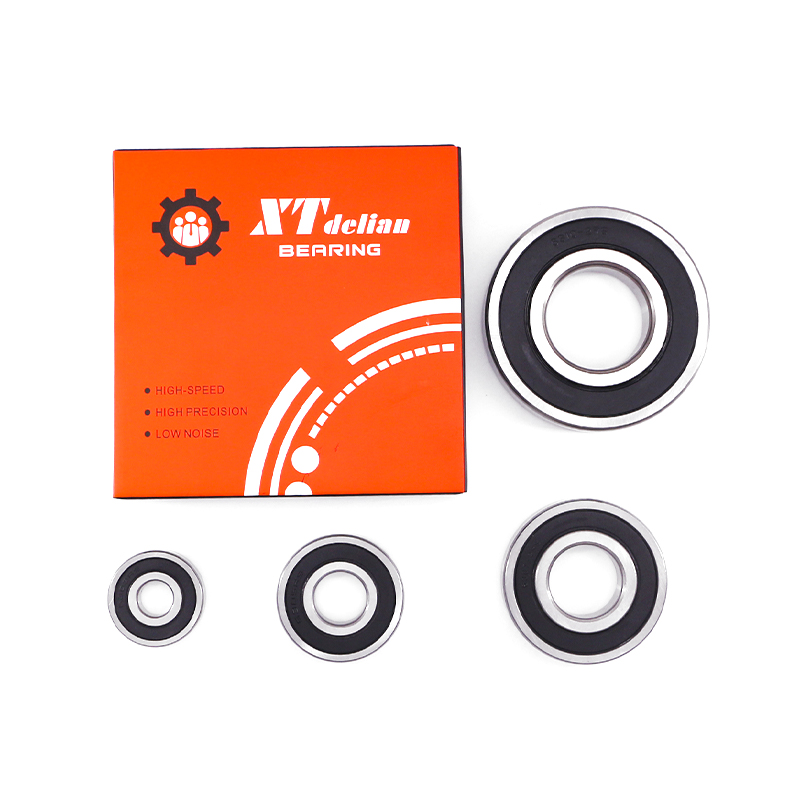
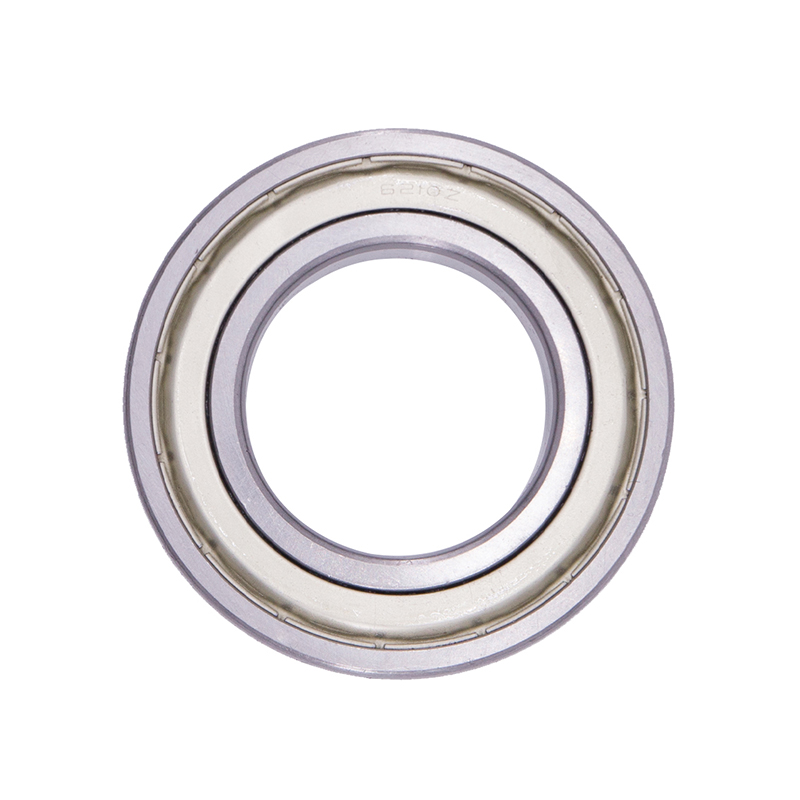
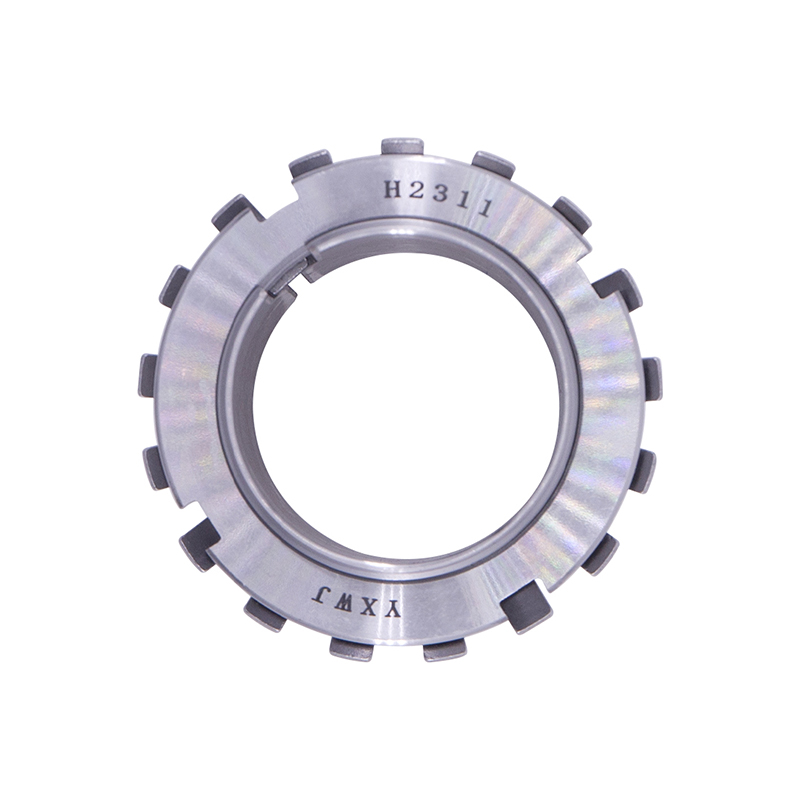
Bearing steel is a crucial material in the manufacturing of high-performance bearings used across various industries. Known for its exceptional properties of hardness and toughness, bearing steel stands as a critical component in applications demanding reliability, strength, and long-term durability. This steel is specifically engineered to handle high load-bearing capacities, which makes it an indispensable material for a broad spectrum of machinery and mechanical applications.
1. High Hardness and Toughness
The primary advantage of bearing steel is its high hardness and toughness. These characteristics are vital for ensuring the bearings can withstand high-stress environments without failing prematurely. Hardness refers to the material's resistance to deformation, scratching, or wear, while toughness denotes its ability to absorb energy without fracturing. These two properties work together to ensure the longevity and operational efficiency of bearings. Bearings made from high-quality bearing steel are resistant to wear and tear caused by constant friction, which ultimately contributes to their extended lifespan. This makes bearing steel particularly useful in industries such as automotive, aerospace, and manufacturing, where machinery operates under high-stress conditions and demanding workloads.
2. Versatility in Applications
Bearing steel’s versatility is one of the reasons it is so widely used in various small machinery applications. For instance, bearing steel is found in skateboard wheels, inline skates, and electric motors. Its ability to function smoothly and efficiently under different environmental conditions makes it a go-to material for these products. Whether it's in the bearings of a skateboard wheel or the precision bearings in a motor, bearing steel ensures low friction and smooth motion, thus improving overall performance. The material’s adaptability to various industries reflects its critical role in mechanical systems that require reliable movement with minimal resistance.
3. Bore Size and Precision Rating
Bearings made from bearing steel can be customized to meet a wide range of operational needs, which is particularly useful for different machinery and equipment. One important parameter is the bore size, which refers to the inner diameter of the bearing. Bore sizes can range from as small as 10 mm to as large as 600 mm, offering flexibility in a wide range of industrial applications. The choice of bore size ensures that bearings can fit precisely into various machines, whether they are small devices like electric motors or larger industrial machinery.
In addition to bore size, the precision rating of the bearing is another critical factor in ensuring optimal performance. Precision ratings indicate how closely the bearing's dimensions and performance align with ideal standards. The precision ratings typically range from P0 (standard tolerance) to P2 (high precision). Bearings with high precision ratings, such as P4 and P2, are used in applications that demand ultra-fine tolerances, such as aerospace components and high-speed machinery. Lower precision ratings, like P6 and P5, are often sufficient for applications in automotive or general industrial equipment where high load-bearing capacity is required, but perfect accuracy is less critical.
4. Number of Rows and Seals Type
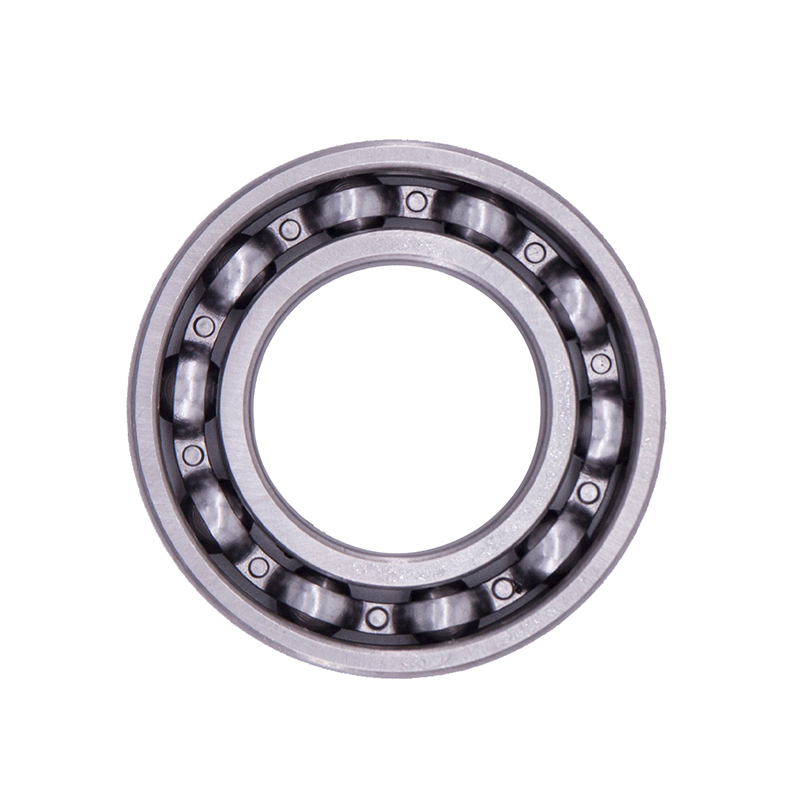
Bearing designs can vary, and they are often categorized based on the number of rows of rolling elements they have. In the case of single-row bearings, these are commonly used in many applications, including motors and machinery that do not require multiple contact points for load distribution. Single-row designs are cost-effective, compact, and efficient, making them a popular choice for many industrial uses.
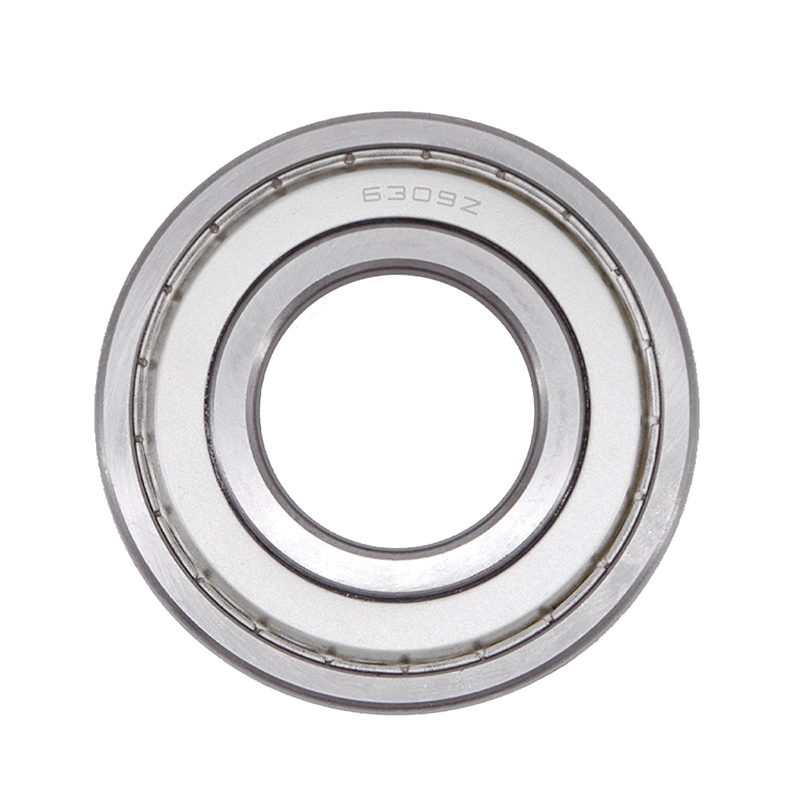
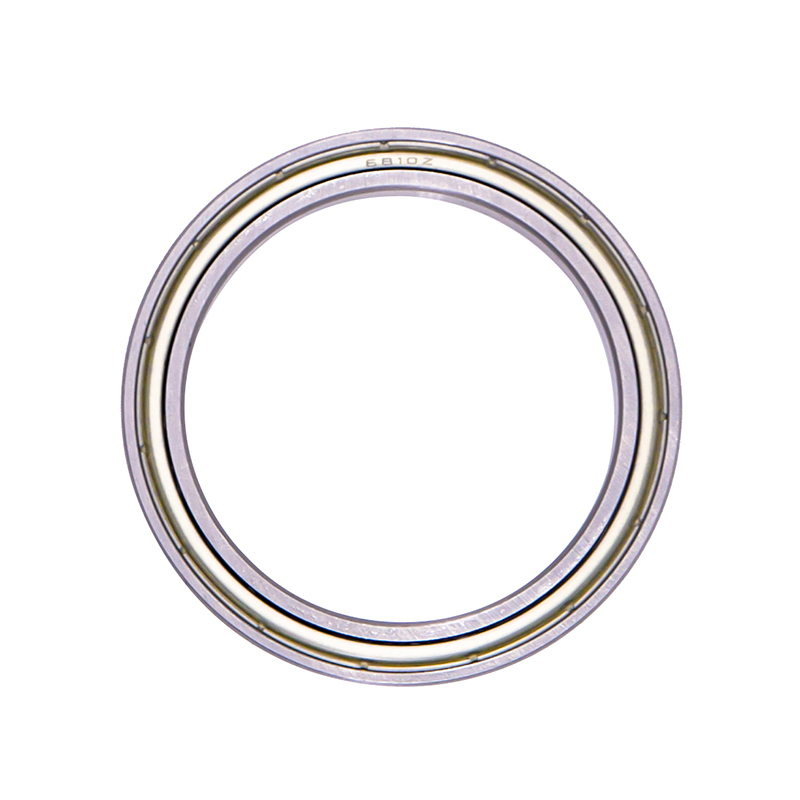
Seals are used to protect the bearing from dust, moisture, and contaminants, which could compromise its performance. Common seal types include ZZ (shielded), 2RS (rubber seals), and OPEN (unsealed). Bearings with 2RS seals offer enhanced protection from external elements, making them ideal for environments where cleanliness and protection from contaminants are a concern. ZZ seals, on the other hand, provide a balance between protection and lower friction, suitable for applications where a moderate level of protection is required but with minimal impact on the bearing’s rotational speed.
5. Material and Durability
The material from which a bearing is made—bearing steel—provides a high level of durability and wear resistance. It helps in minimizing the effects of friction, thus preventing excessive heat buildup. This material also contributes to the bearing's overall strength, making it capable of withstanding extreme operating conditions. Bearing steel's hardness and toughness extend beyond the material's surface, meaning the steel retains its strength even after prolonged usage in high-load scenarios.

 English
 русский
 Español