
 English
 русский
 Español
Specification
Model Number: H2307 H2309 H2311
Size: Customized Size
Material: Bearing Steel
Feature: High Precision, High Speed, Low Noise
Application: Machinery, Automobile gearbox, Gearbox
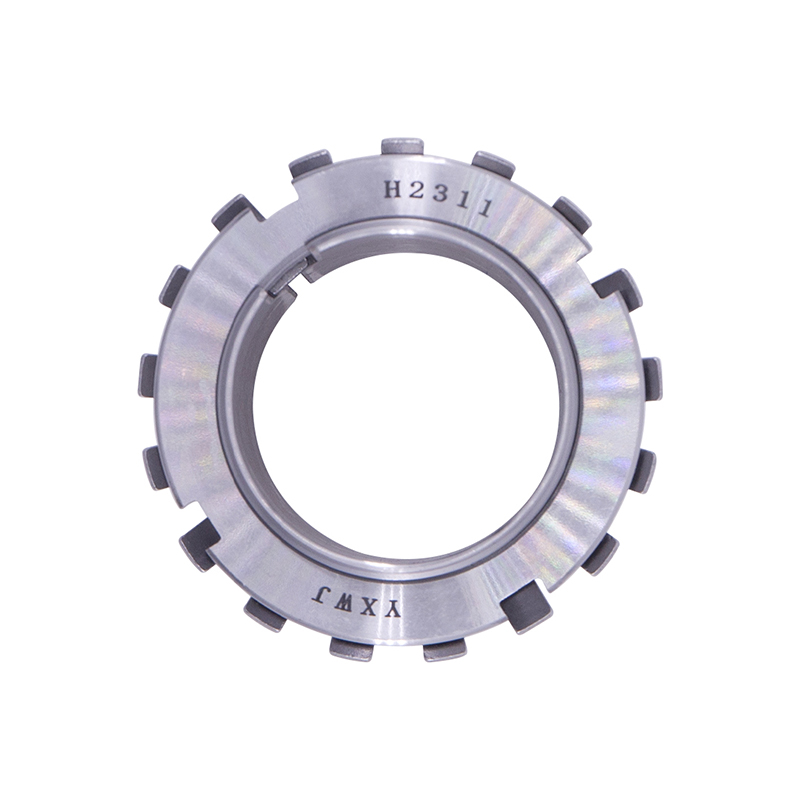
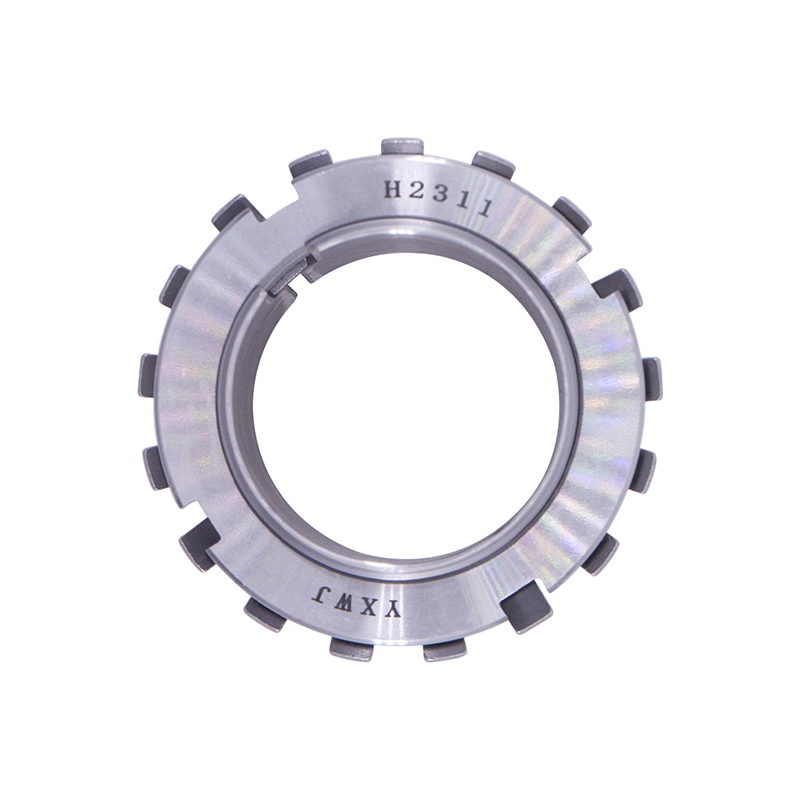
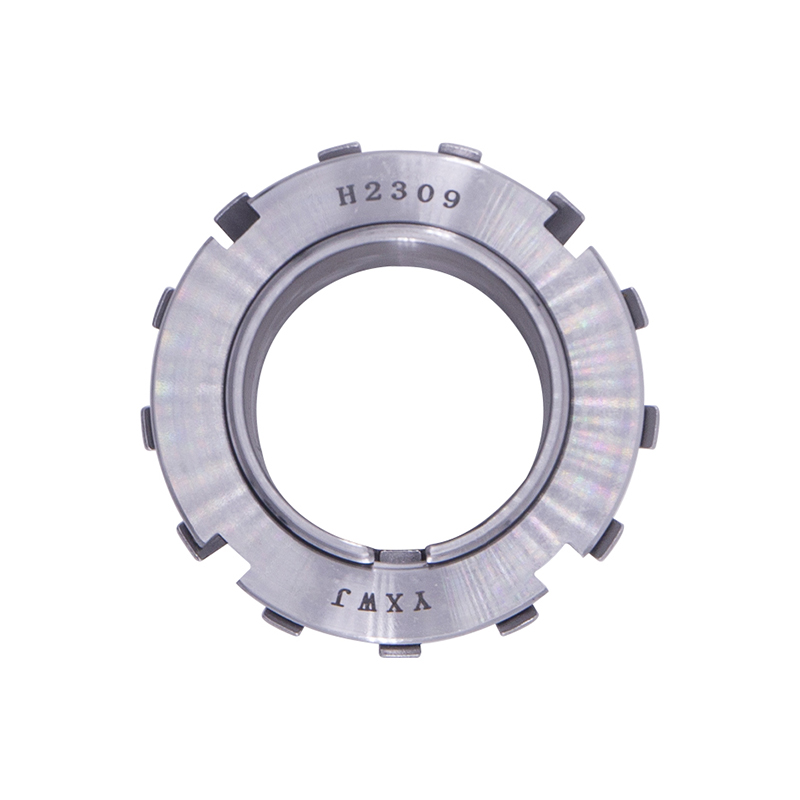
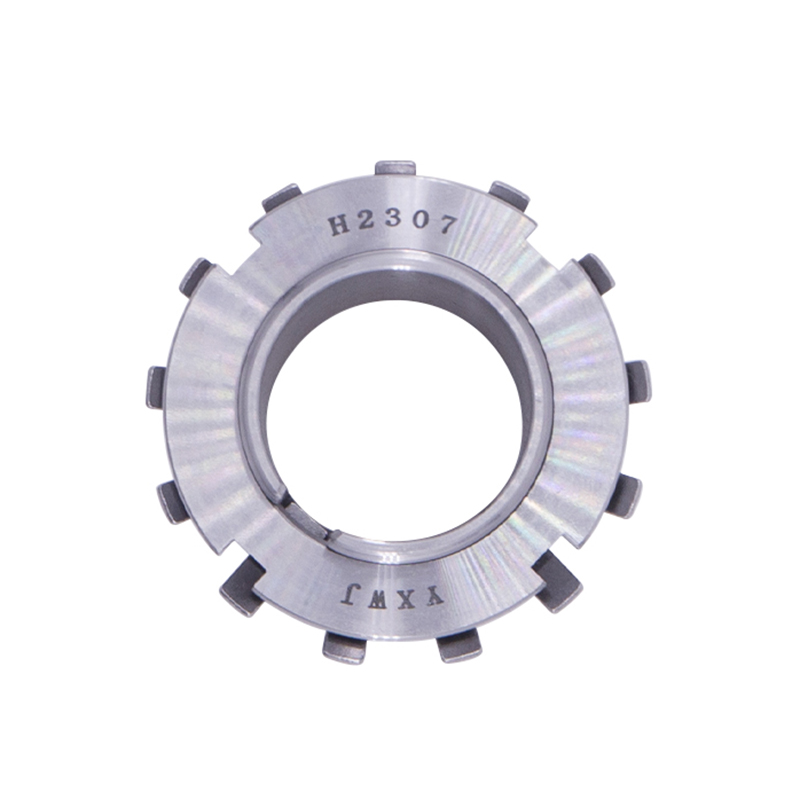
Specification
Model Number: H2307 H2309 H2311
Size: Customized Size
Material: Bearing Steel
Feature: High Precision, High Speed, Low Noise
Application: Machinery, Automobile gearbox, Gearbox
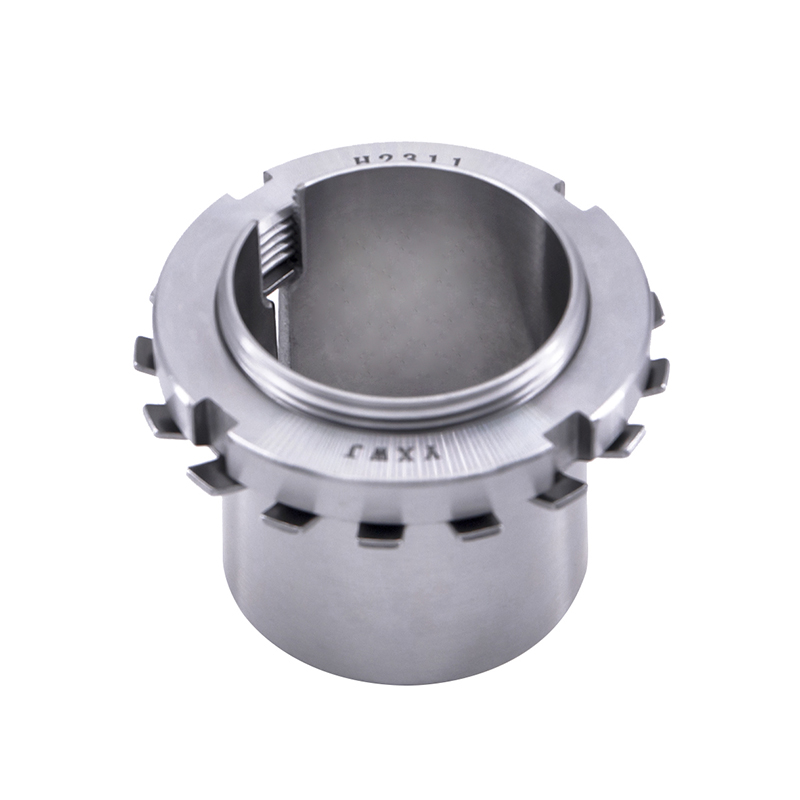
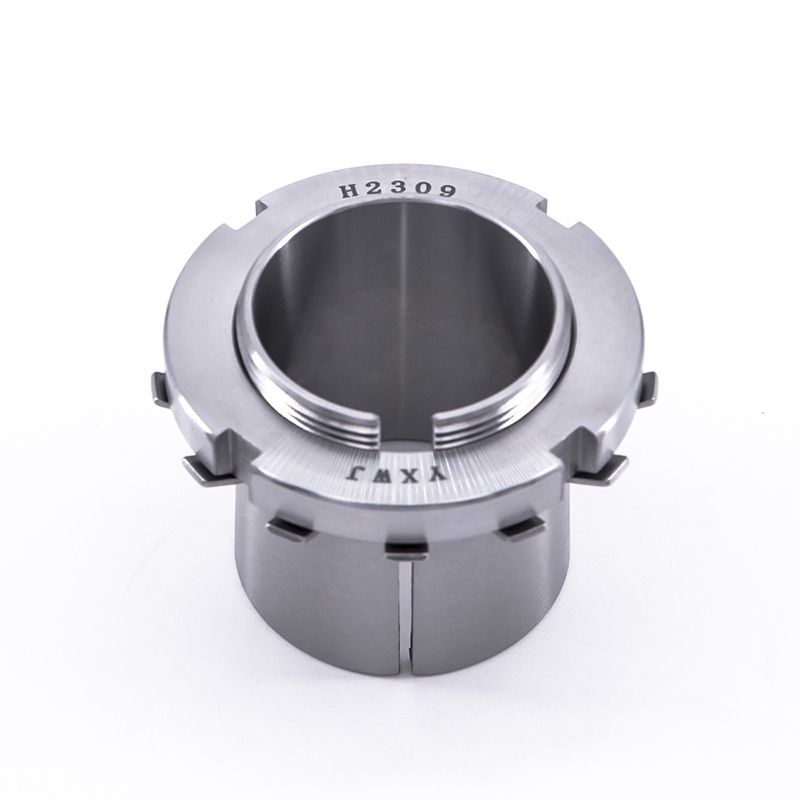
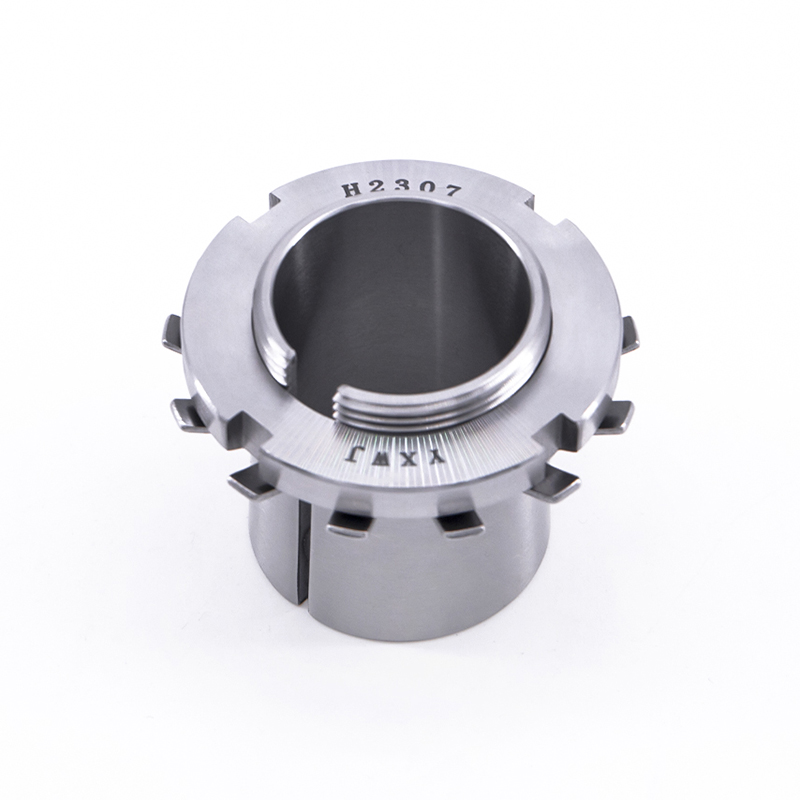
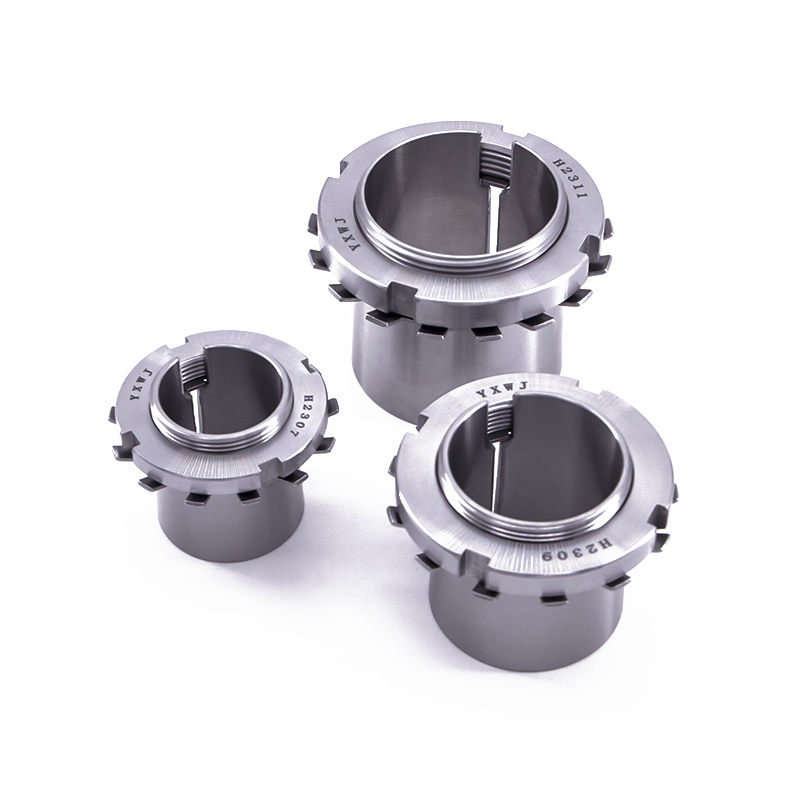
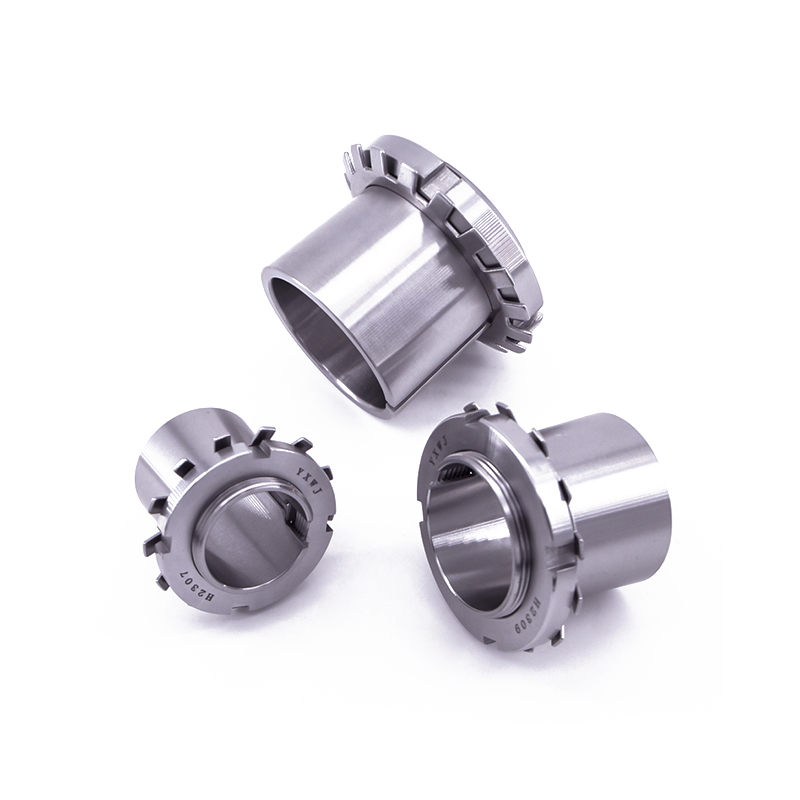
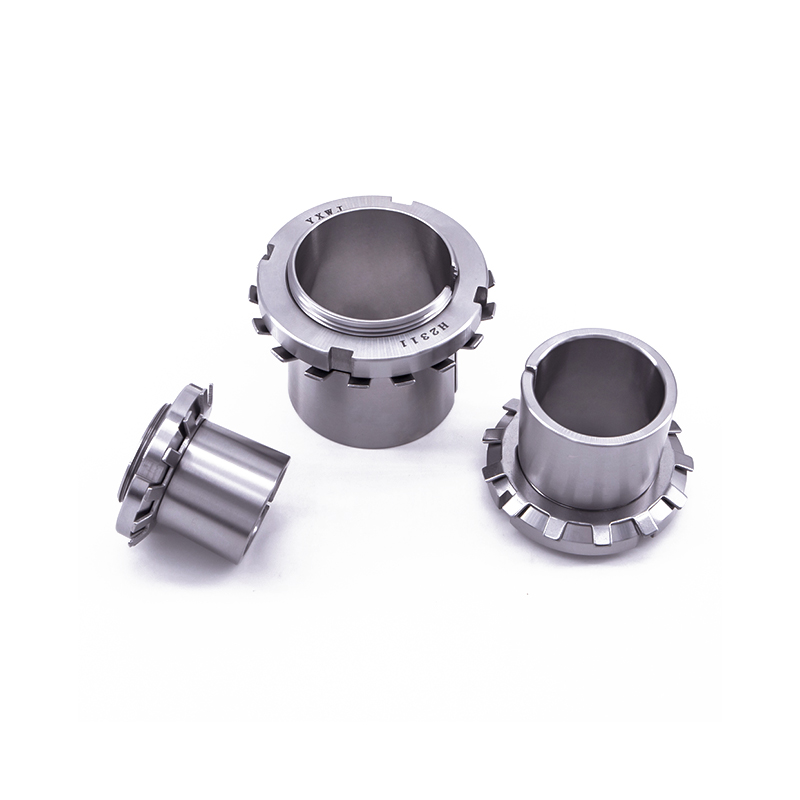
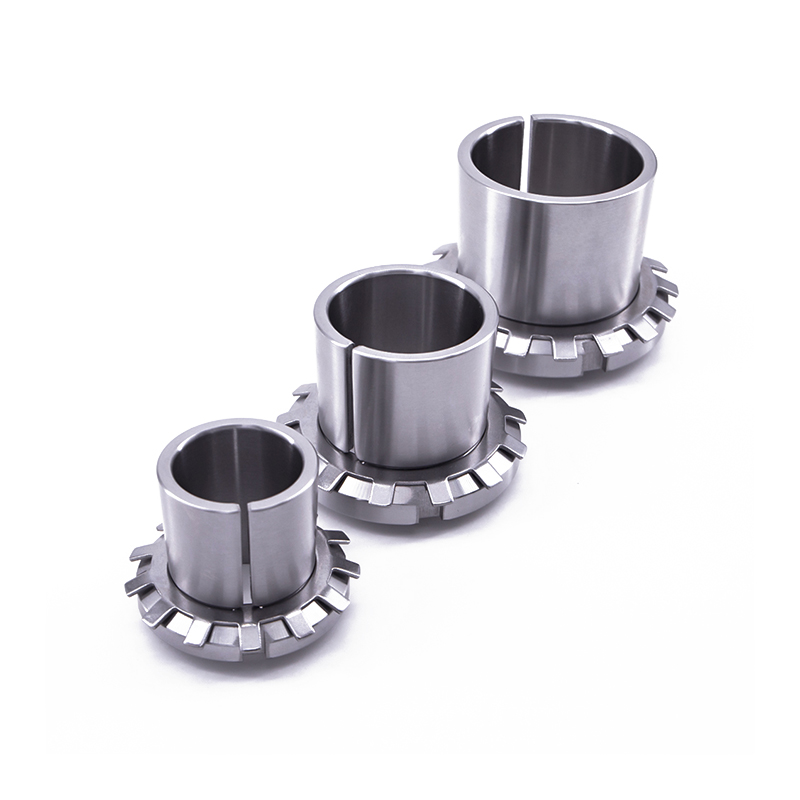
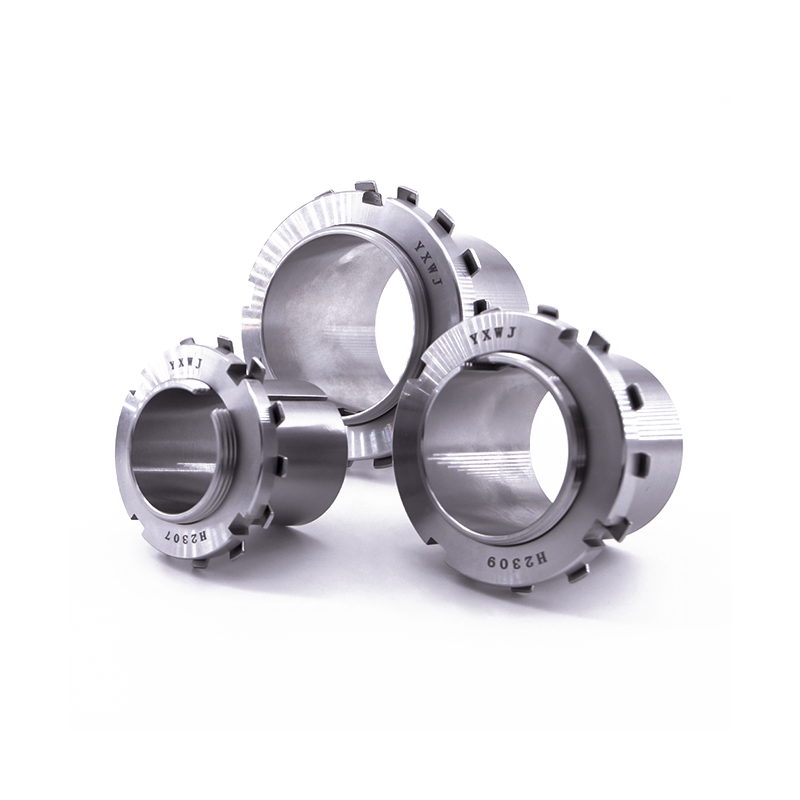
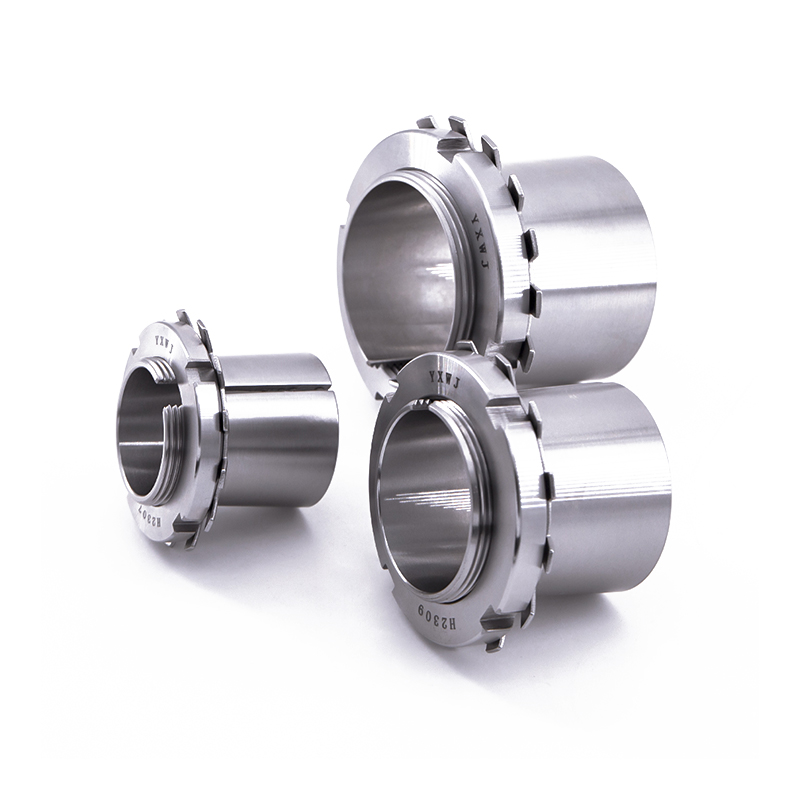
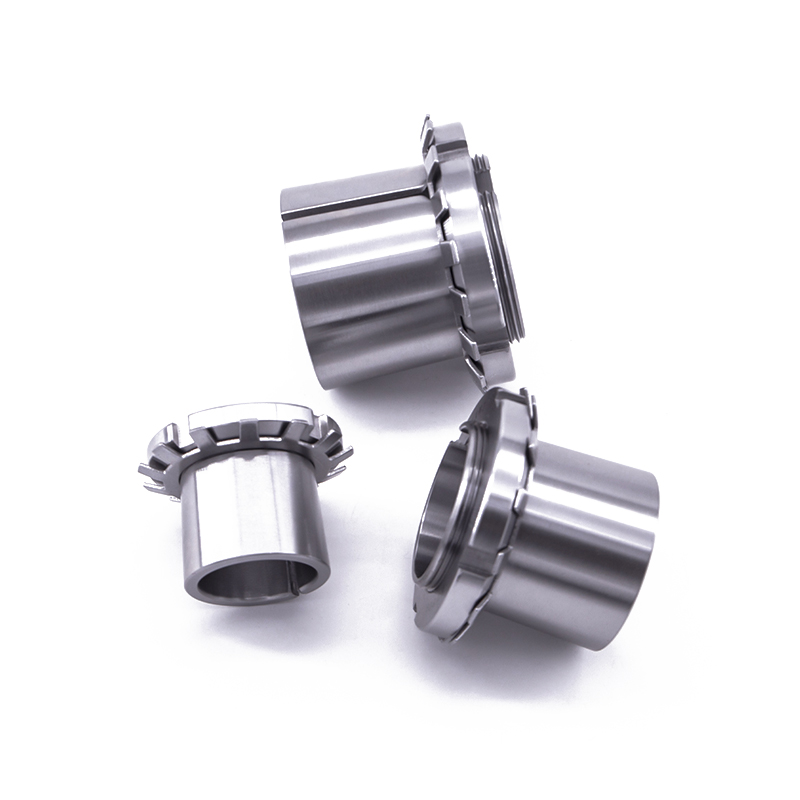
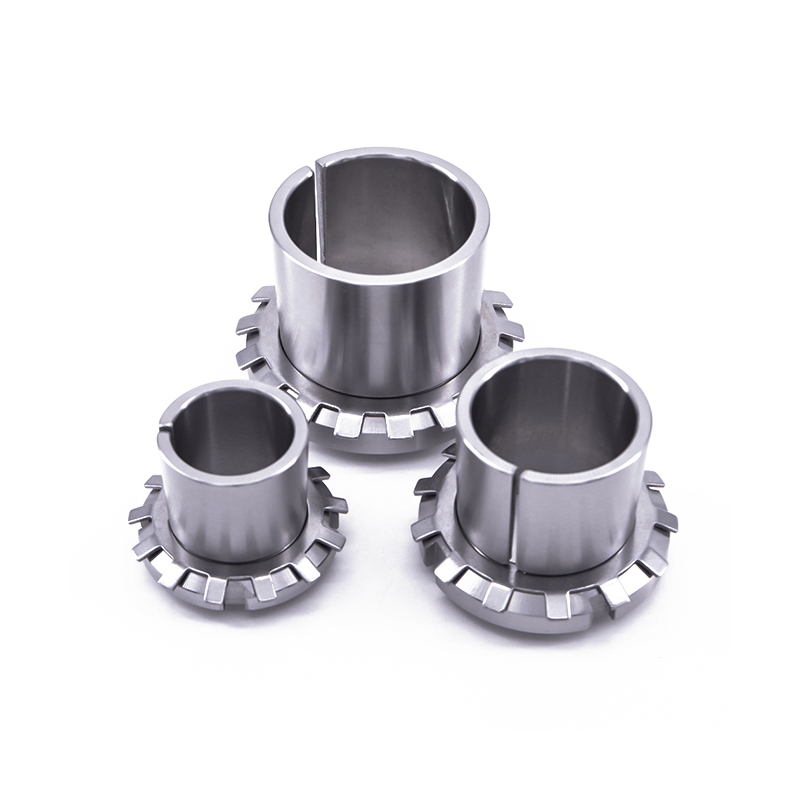
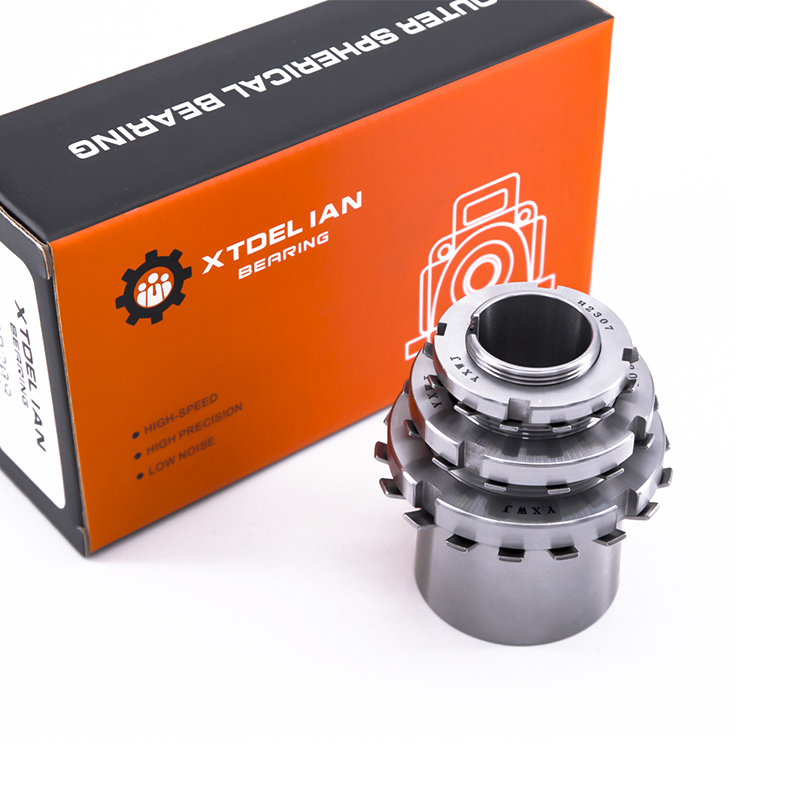
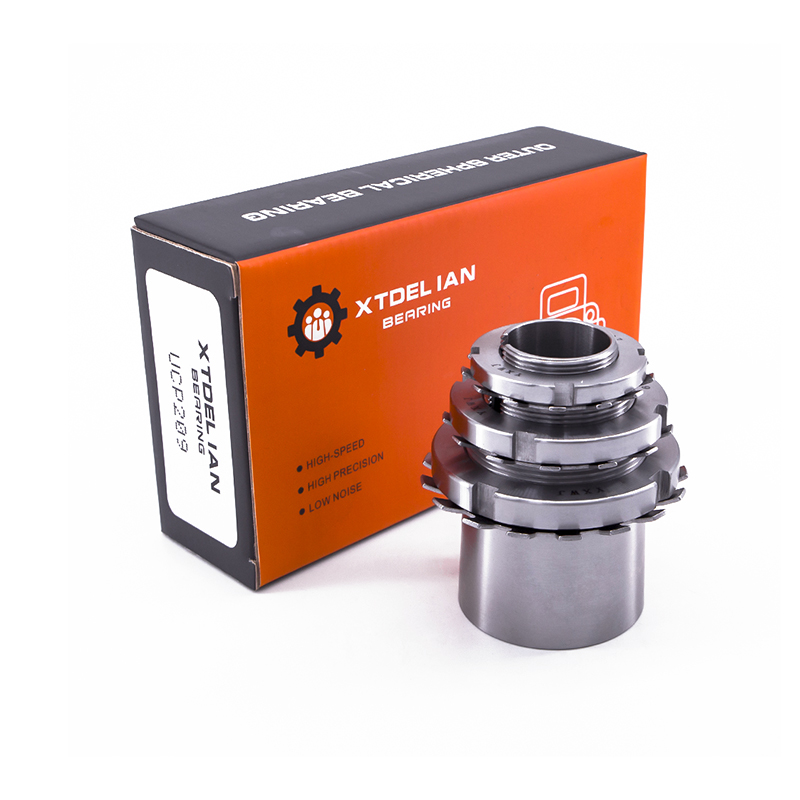
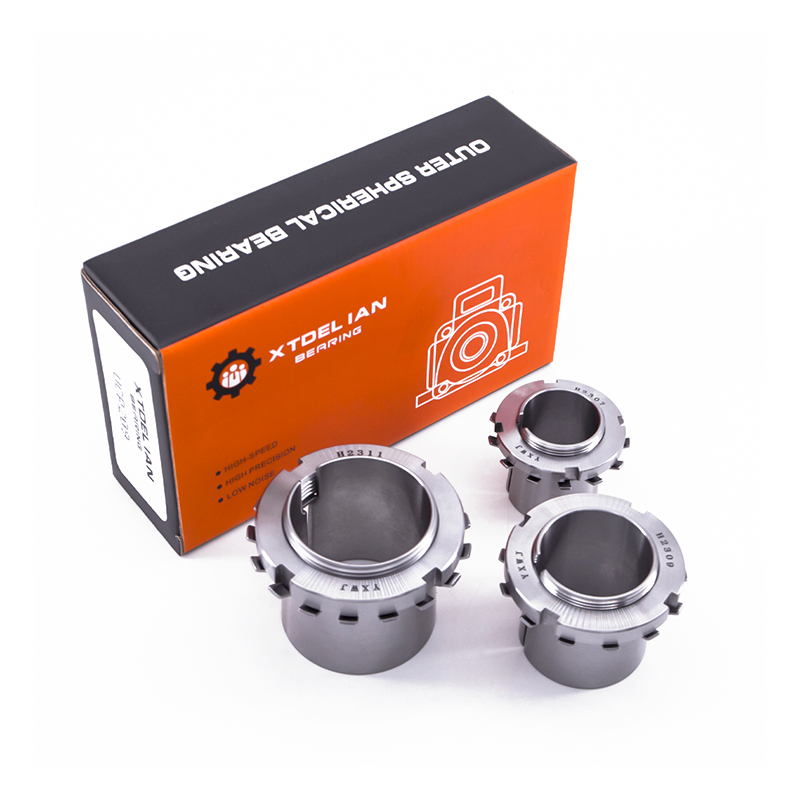
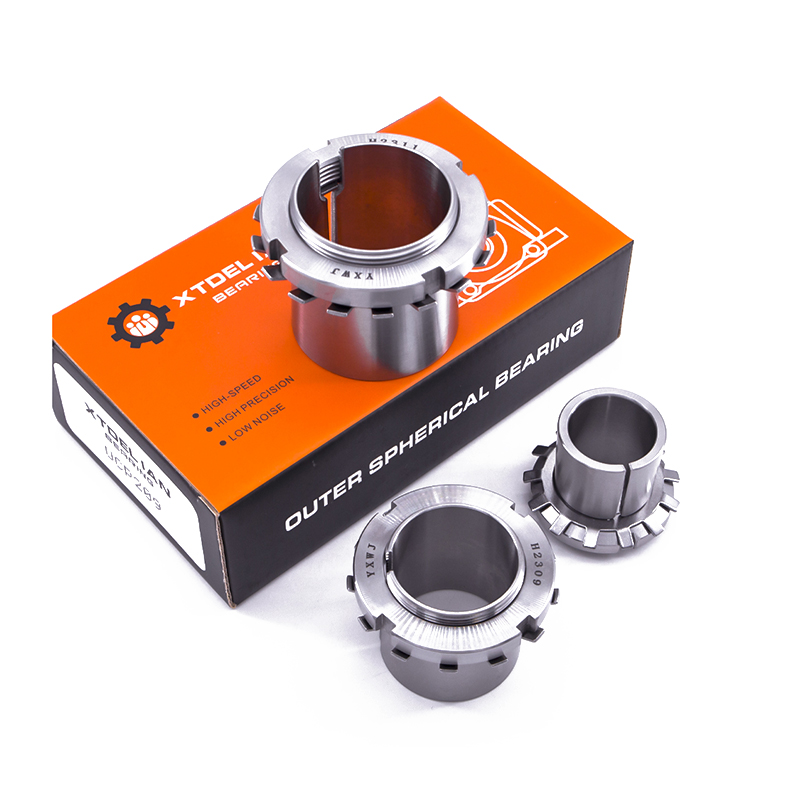
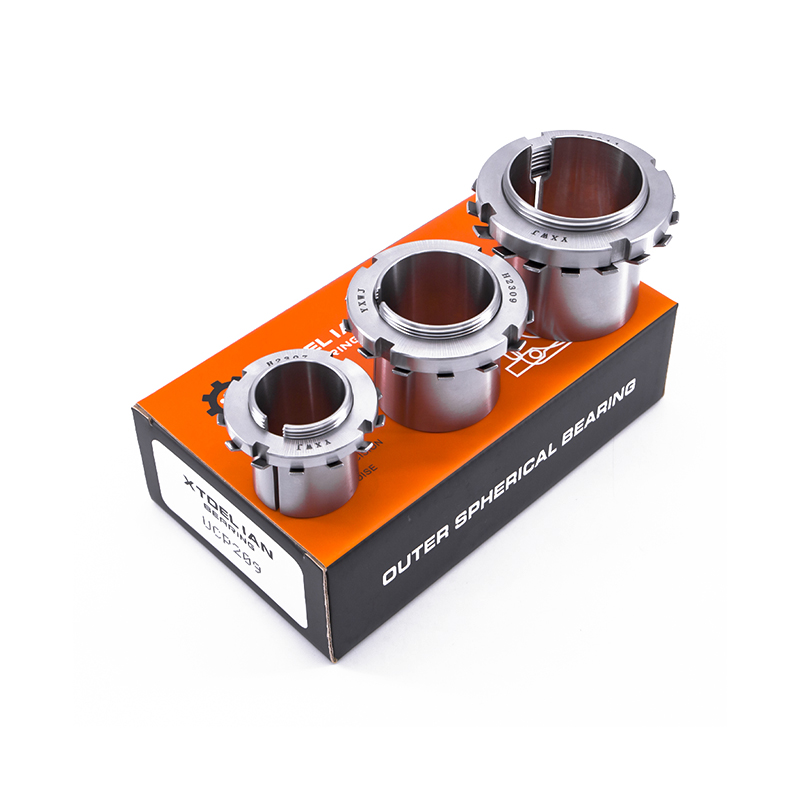
When engineers need to mount a tapered bore bearing onto a plain cylindrical shaft, a bearing adaptor sleeve becomes essential. The H2307, H2309, and H2311 stainless steel bearing adaptor sleeves are precision-ground components designed for locking self-aligning ball bearings or spherical roller bearings in place. Unlike standard carbon steel sleeves, these are machined from martensitic or austenitic stainless steel—often grade 420 or 304—offering inherent corrosion resistance. Each model corresponds to a specific metric shaft diameter: H2307 fits shafts around 30 mm, H2309 for 45 mm, and H2311 for 55 mm, with the “H” prefix indicating a standard withdrawal sleeve geometry.
How do these sleeves work in practice?
The sleeve slides onto the shaft, followed by the bearing. A locknut and washer tighten against the sleeve’s threaded section, expanding the split sleeve slightly to clamp both shaft and bearing inner ring. The stainless steel composition matters most in washdown applications, food processing, or marine equipment, where moisture or mild acids quickly ruin ordinary steel. These H23 series sleeves also simplify bearing replacement: loosening the locknut releases the grip without damaging the shaft. Their surface hardness typically reaches 250 HB, resisting galling during repeated mounting and dismounting.
How do they differ from conventional KM or H-series sleeves?
Standard carbon steel H sleeves (e.g., H2307 carbon) cost 40–50% less upfront but rust within months in wet environments. Chrome-plated alternatives delay corrosion but chip under vibration, exposing raw steel. By contrast, the all-stainless H2307/H2309/H2311 design offers uniform protection across threads, bore, and outer surface. The trade-off: stainless sleeves have slightly lower tensile strength than heat-treated carbon steel, though for most industrial drives below 3,000 rpm, the difference rarely affects performance.
A bearing's contact angle may look like a small geometric detail, but it has a direct influence on how loads are transmitted through th...
READ MOREShaft deflection is a practical challenge in heavy-duty machinery. Long shafts can bend under radial loads, while housing deformation, ...
READ MOREThe design of industrial equipment is changing rapidly as manufacturers develop smaller machines, automated systems, and more flexible ...
READ MORE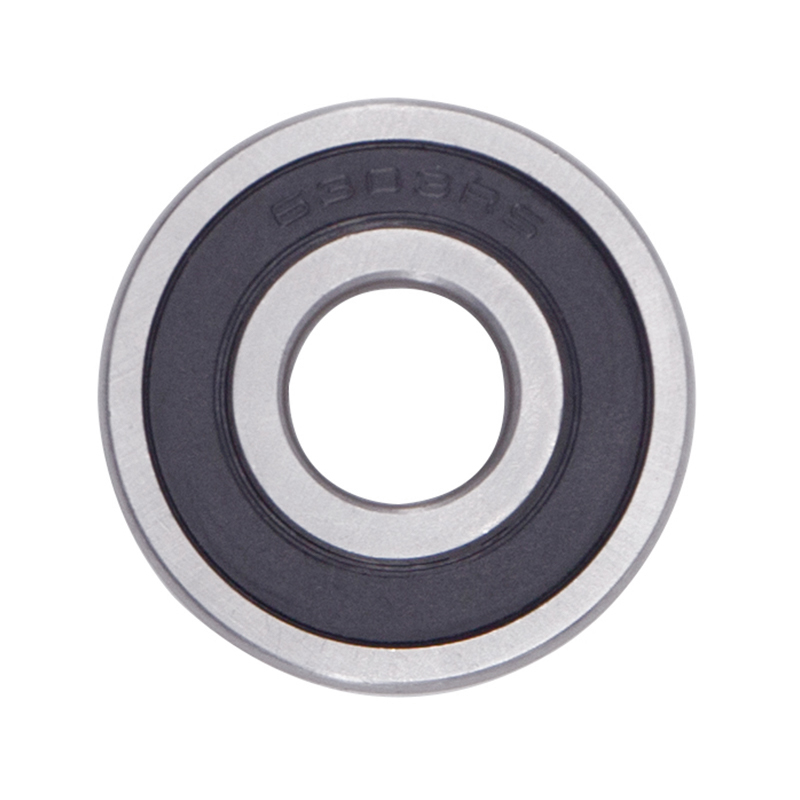
Specification Model Number: 6310-2RS 6307-2RS 6305RS 6303RS Bore Size: 10 - 600 ...
See Details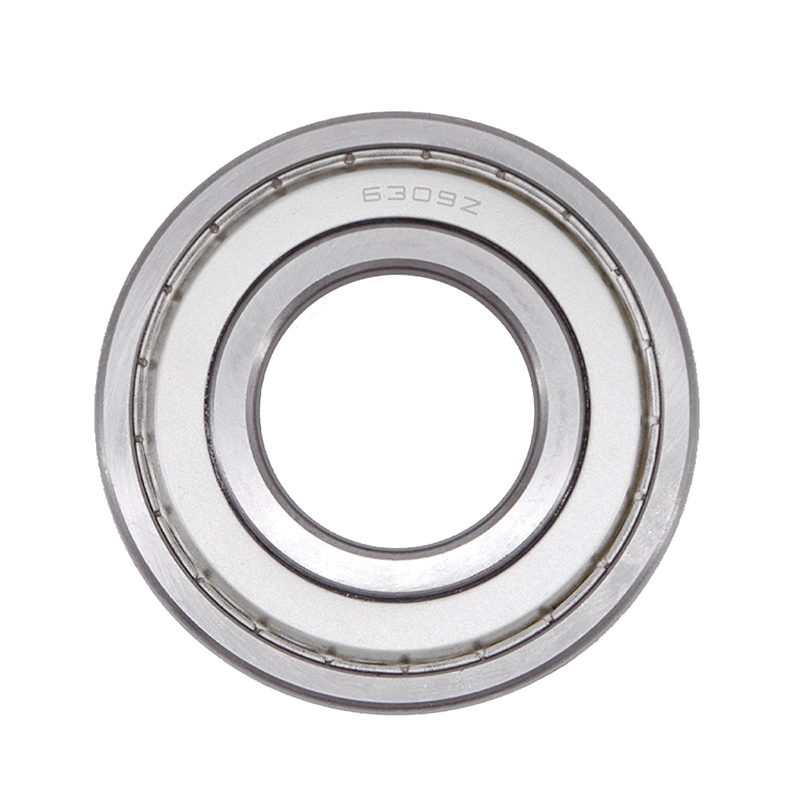
Specification Model Number: 6309Z 6307Z 6305Z 6303Z 6301Z Bore Size: 10 - 600 mm...
See Details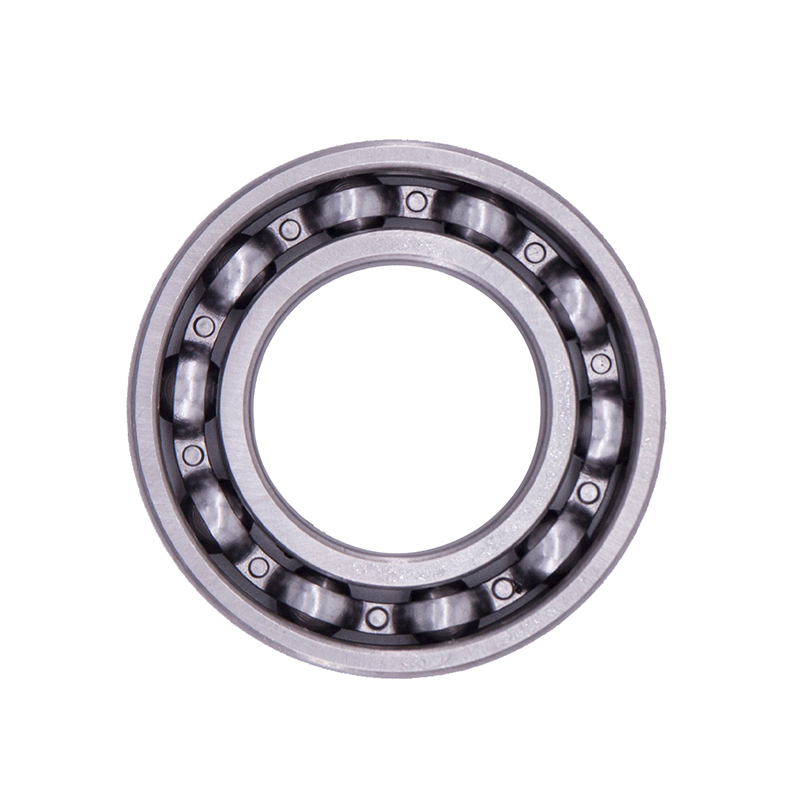
Specification Model Number: 6208 6300 6307 Bore Size: 10 - 600 mm Precision Rati...
See Details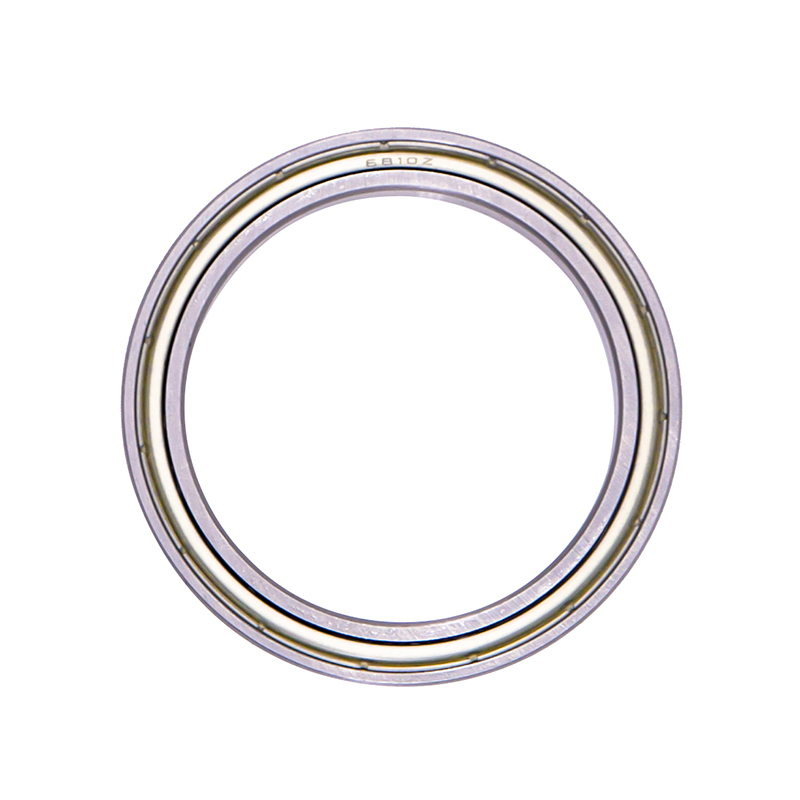
Specification Model Number: 6810Z 6809Z 6807Z 6805Z Bore Size: 10 - 600 mm Preci...
See Details
Specification Model Number: 6309Z 6301Z 6303Z 6305Z 6307Z Bore Size: 10 - 600 mm...
See Details
Specification Model Number: H2307 H2309 H2311 Size: Customized Size Material: Be...
See DetailsIf you are interested in our products, please consult us

Wholesale H2307 H2309 H2311 Stainless Steel Bearing Adaptor Sleeve Supplier