
 English
 русский
 Español
-
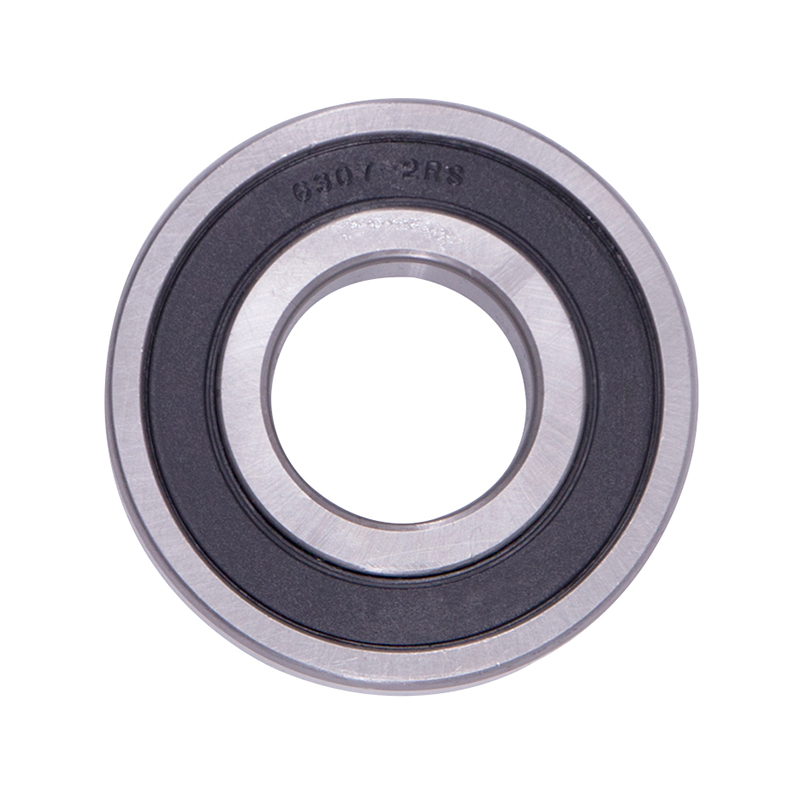 Wheel Hub Bearings
 -
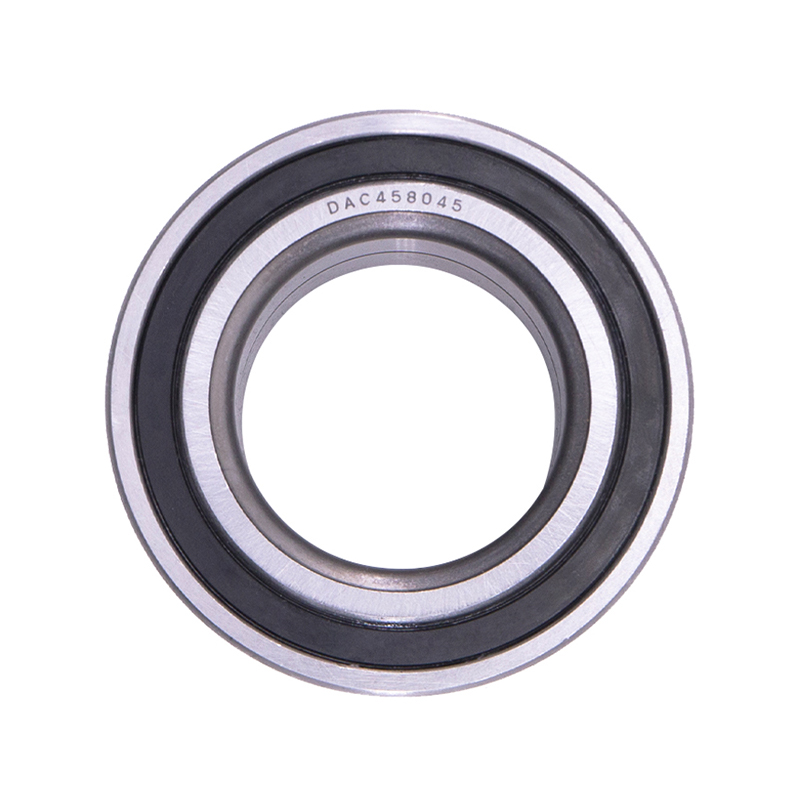 Wheel Hub Bearings
DAC387436 DAC458045 Hub Deep Groove Ball Car Wheel Bearing
-
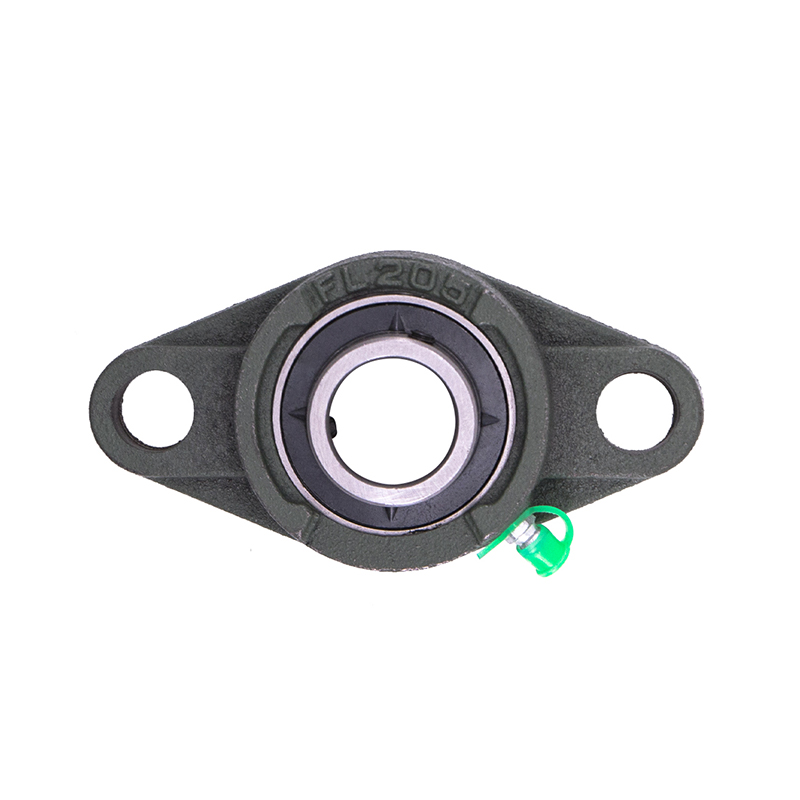 Spherical Bearings
FL204 FL205 FL206 Stainless Steel Pillow Block Bearing
-
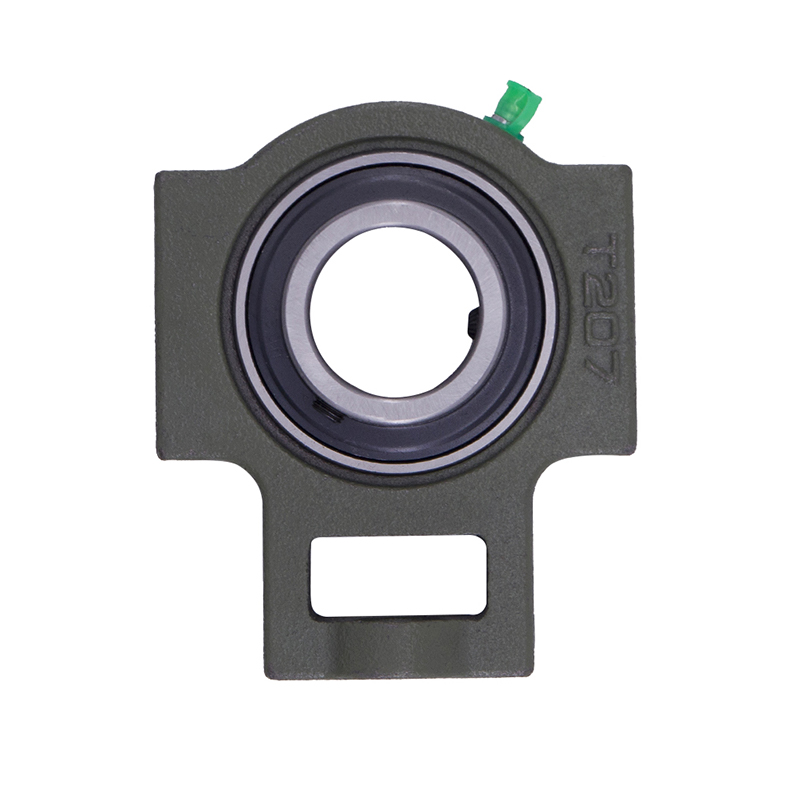 Spherical Bearings
T204 T207 UC204 High Speed Insert Pillow Block Bearing
-
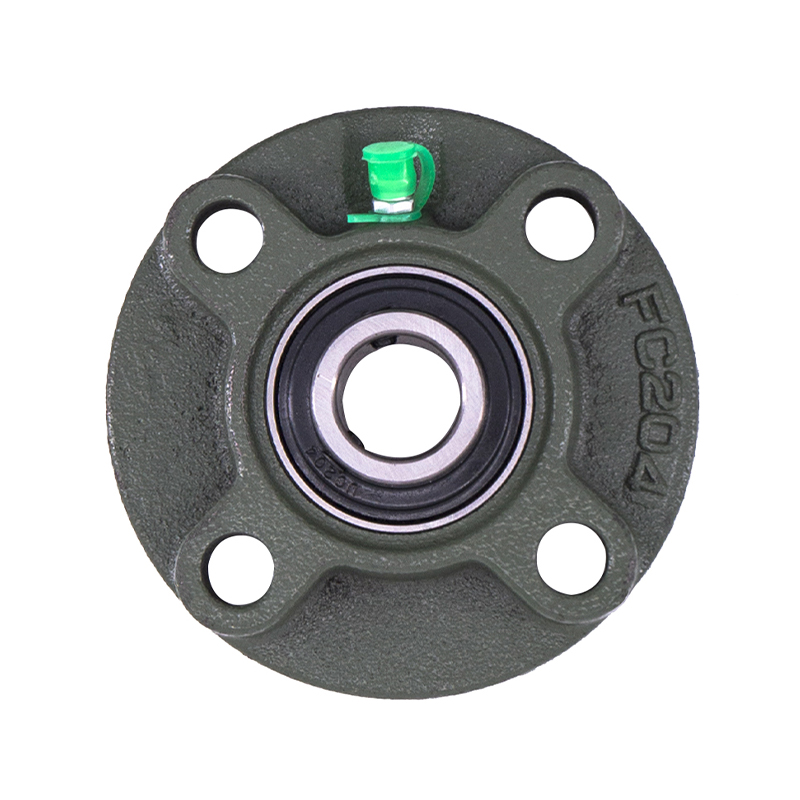 Spherical Bearings
FC204 F210 Auto Wheels Bike Pillow Block Bearing
-
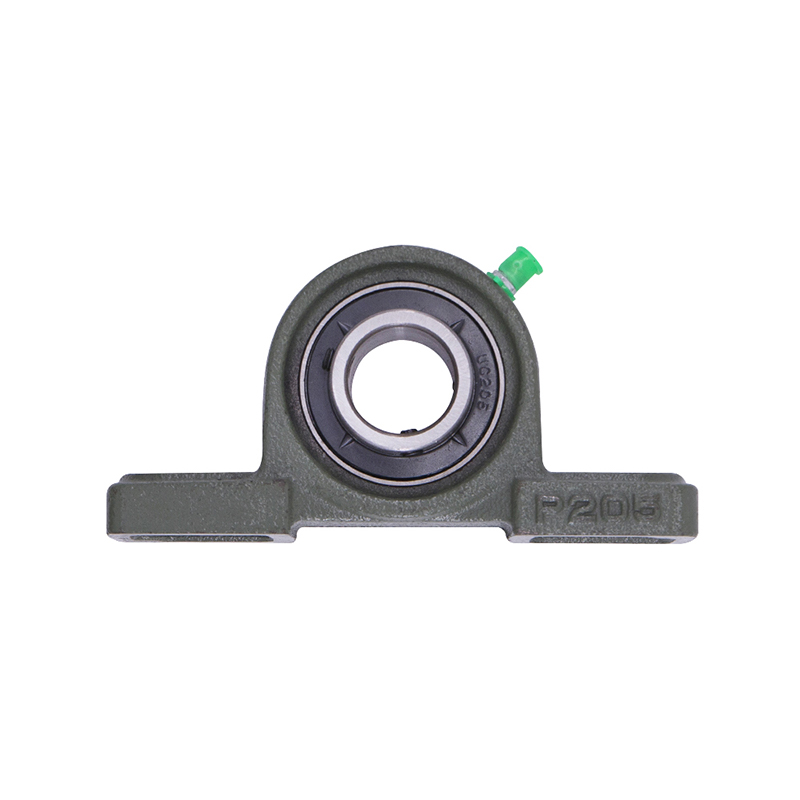 Spherical Bearings
P207 206 205 203 High Precision Wheel Pillow Block Bearing
-
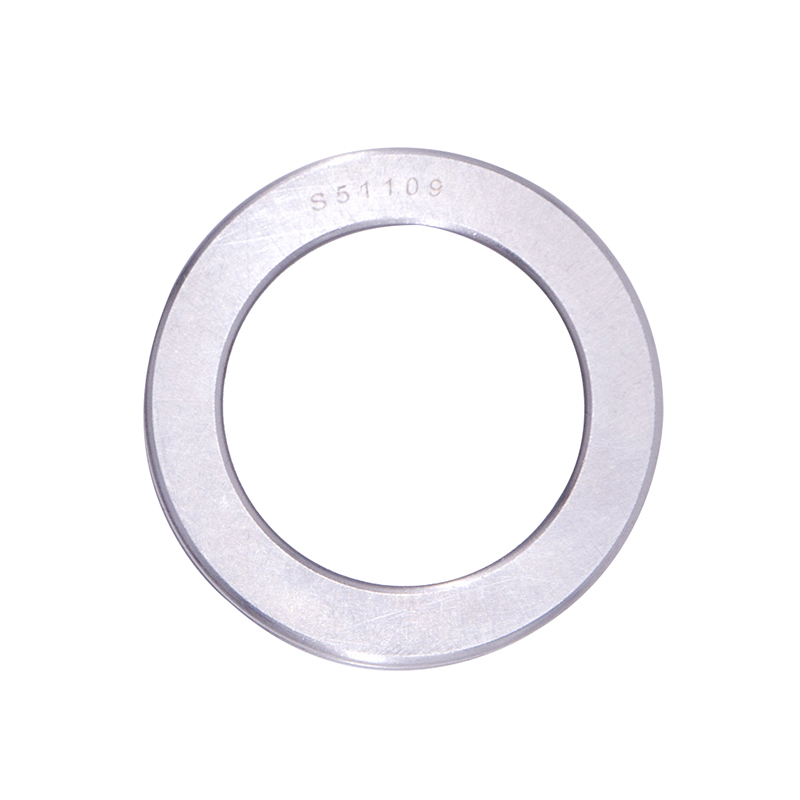 Thrust Roller Bearings
S51100 S51107 S51109 Car Wheel Plain Thrust Ball Bearing
-
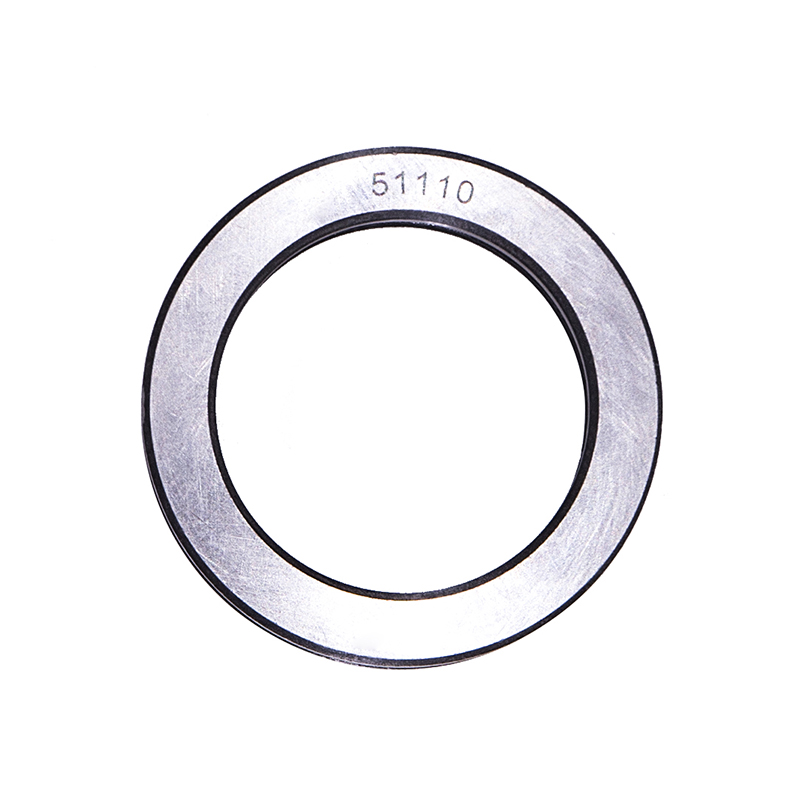 Thrust Roller Bearings
51110 51107 51104 51206 High Speed Plain Thrust Ball Bearing
What is the scope of application for Deep Groove Ball Bearings?
Industry news-Deep groove ball bearings are used across nearly every rotating machinery category due to their versatility, low friction, and moderate cost. The following list outlines their primary application areas by industry sector.
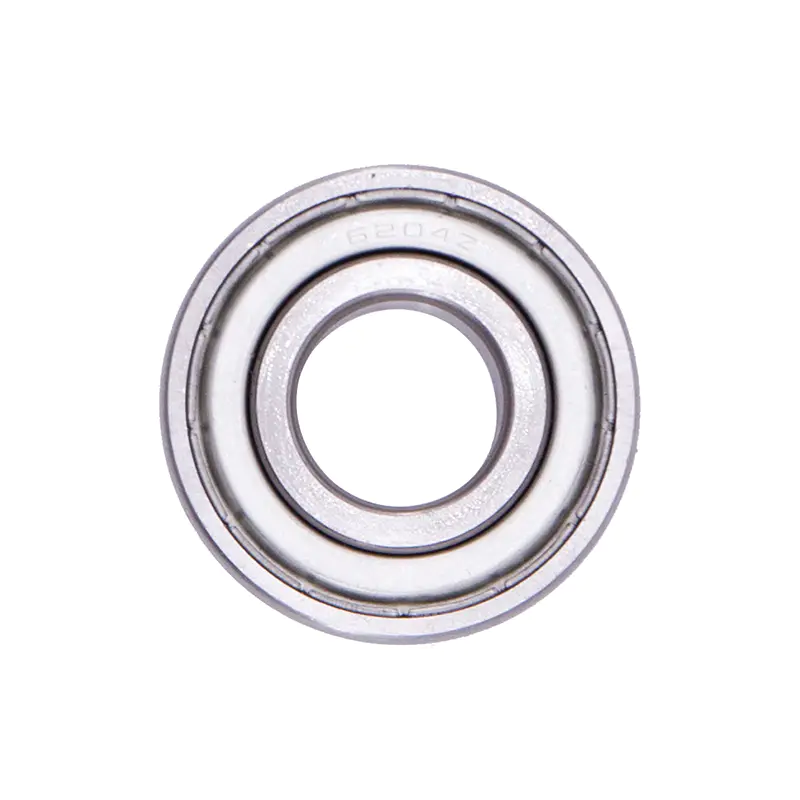
Electric motors and generators. Small fractional-horsepower motors (1/20 to 1 horsepower) use 6000 and 6200 series bearings. Large industrial motors (10 to 500 horsepower) use 6300 and 6400 series bearings. The bearing accommodates the radial load from the rotor weight plus the axial load from magnetic imbalance or fan thrust. Motor bearings typically operate at 1,500 to 3,600 RPM and achieve service lives of 20,000 to 40,000 hours.
Household appliances. Washing machines use deep groove ball bearings in the drum support and drive pulley. Refrigerator compressors use sealed bearings that operate within the refrigerant environment. Vacuum cleaners use high-speed bearings (20,000 to 40,000 RPM) in the fan motor. Dishwashers, dryers, and ceiling fans also contain these bearings. The annual production of appliances consumes approximately 15 to 20 percent of all deep groove ball bearings manufactured.
Automotive applications. Alternators, water pumps, air conditioning compressors, and tensioner pulleys use deep groove ball bearings. A typical passenger car contains 20 to 30 of these bearings. Electric vehicle traction motors use larger bearings (bore diameters of 30 to 60 millimeters) with electrically insulating coatings to prevent current passage through the bearing.
A comparison of materials used in Deep Groove Ball Bearings?
Deep groove ball bearings are manufactured from several material families, with selection based on operating conditions, corrosion resistance requirements, and cost constraints. The table below compares the four most common material combinations.
|
Bearing Component |
Standard Material |
Alternative Material |
Key Property Differences |
|
Rings and balls |
SAE 52100 chrome steel |
Stainless steel (440C, 316) |
52100 hardness: 60–64 HRC. 440C hardness: 58–60 HRC. 316 hardness: 80–95 HRB (non-heat-treatable). 52100 has 30% higher load capacity than 440C. |
|
Rings and balls |
SAE 52100 |
Ceramic (silicon nitride, Si3N4) |
Ceramic density: 3.2 g/cm³ versus steel 7.8 g/cm³. Ceramic balls allow 30–40% higher speed. Ceramic balls do not rust. |
|
Cage (standard) |
Pressed steel (SPCC) |
Polyamide (PA66-GF25) |
Steel cage withstands 150°C. Polyamide withstands 120°C. Polyamide reduces friction by 15–20% at low speeds. Steel is 2–3 times more expensive. |
|
Cage (high-speed) |
Machined brass |
Phenolic resin |
Brass density: 8.5 g/cm³. Phenolic density: 1.4 g/cm³. Phenolic allows 20–30% higher speed. Brass tolerates 200°C versus 110°C for phenolic. |
|
Seals/shields |
Steel shield (SPCC) |
Rubber seal (NBR, viton) |
Shield allows 20,000+ RPM. Rubber seal allows 10,000 RPM. Rubber seal provides IP54 dust protection. Shield provides IP30. |
52100 chrome steel (SAE AISI 52100). This material contains 1.0 percent carbon and 1.5 percent chromium. It is the baseline material for approximately 85 percent of deep groove ball bearings. After through-hardening and tempering, 52100 achieves a hardness of 60 to 64 on the Rockwell C scale. This hardness provides resistance to rolling contact fatigue. The material's limitations include poor corrosion resistance (rusts within hours in humid environments) and reduced performance above 150°C, where hardness begins to decrease.
440C stainless steel. This material contains 1.0 percent carbon and 17 percent chromium. The high chromium content provides corrosion resistance sufficient for food processing, marine, and medical applications. A 440C bearing submerged in fresh water for 500 hours shows surface discoloration but no pitting, while a 52100 bearing in the same test shows visible rust within 24 hours. However, 440C has lower hardness (58 to 60 HRC) and lower rolling contact fatigue strength than 52100. The load capacity of a 440C bearing is approximately 70 to 80 percent that of an equivalent 52100 bearing.
Ceramic hybrid bearings. These bearings use 52100 or 440C steel rings with silicon nitride (Si3N4) ceramic balls. The ceramic balls have lower density (3.2 g/cm³ versus 7.8 g/cm³), lower thermal expansion (3.2 µm/mK versus 11.5 µm/mK), and higher hardness (75 to 80 HRC equivalent). Hybrid bearings operate at 30 to 40 percent higher speeds than all-steel bearings because the lighter balls generate lower centrifugal forces on the outer ring. They also run cooler because ceramic balls conduct less heat. The limitation is cost: a hybrid bearing costs 3 to 5 times more than an all-steel bearing.
Cage materials. The cage separates balls to prevent contact between them. Pressed steel cages (SPCC) are standard for most applications. Steel cages withstand temperatures up to 150°C and are compatible with most lubricants. Polyamide cages (PA66 with 25 percent glass fiber) reduce friction and allow the bearing to run at lower noise levels. However, polyamide degrades above 120°C and is incompatible with some synthetic lubricants. Machined brass cages are used in high-temperature applications (up to 200°C) and in large bearings where steel pressing is impractical. Phenolic resin cages are used in high-speed spindles (above 15,000 RPM) because their low density reduces centrifugal forces on the balls.
How to replace a Deep Groove Ball Bearing?
Step 1: Removal of the old bearing. Clean the shaft and housing exterior to remove dirt that could enter the bearing during removal. Apply penetrating oil to the shaft near the bearing inner ring and allow it to soak for 15 to 30 minutes. Position a two-jaw or three-jaw bearing puller behind the inner ring.
Step 2: Inspection of shaft and housing. After bearing removal, clean the shaft journal and housing bore with a lint-free cloth and isopropyl alcohol or degreaser. Inspect the shaft for scoring, pitting, or corrosion. A shaft with scratches deeper than 10 micrometers (0.0004 inches) or any visible pitting should be replaced or repaired by metal spraying and regrinding. Measure the shaft diameter at three positions (left, center, right) using a micrometer. The shaft diameter should fall within the tolerance range specified by the bearing manufacturer.
Step 3: Preparation of the new bearing. Remove the new bearing from its packaging. Do not remove protective oil or grease unless the bearing will be relubricated with a different grease. Rotate the bearing by hand while holding the inner ring. The rotation should feel smooth, with no grinding, roughness, or hesitation.
Our Product//
Related Product
If you are interested in our products, please consult us
Contact Details
- Address: 1377-13 Yinhai International, Jinhua, Zhejiang, China
- Fax: 0086-0319-8544668
- Tel: +86-15215868236
+86-15833609668 - Email: [email protected]
Products
Quick Link
News Center
Mobile terminal
Copyright © Yiwu Delian Bearing Co., Ltd. ALL RIGHTS RESERVED.
