
 English
 русский
 Español

-
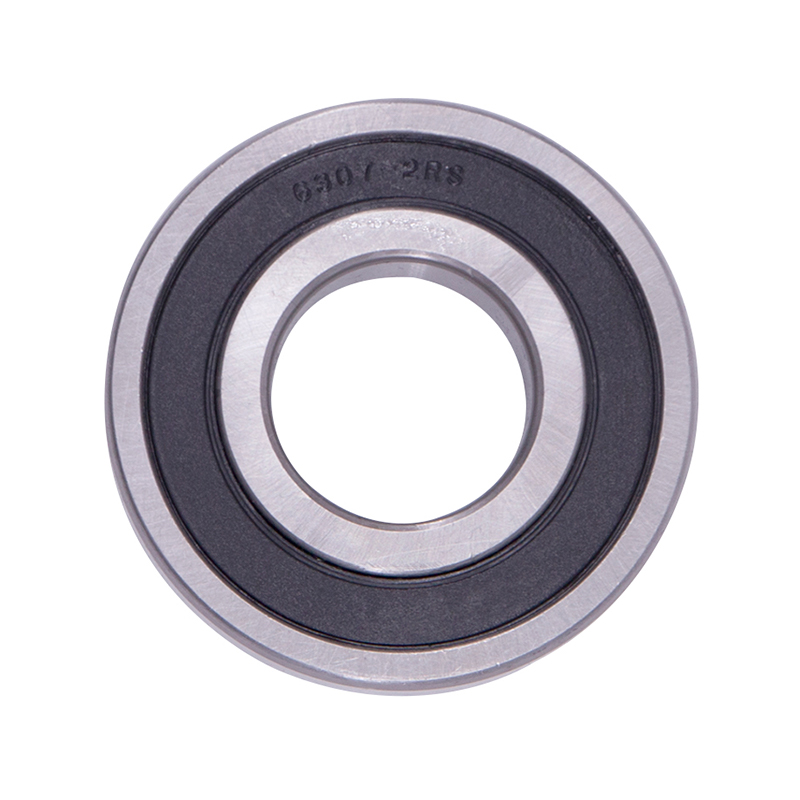 Wheel Hub Bearings
-
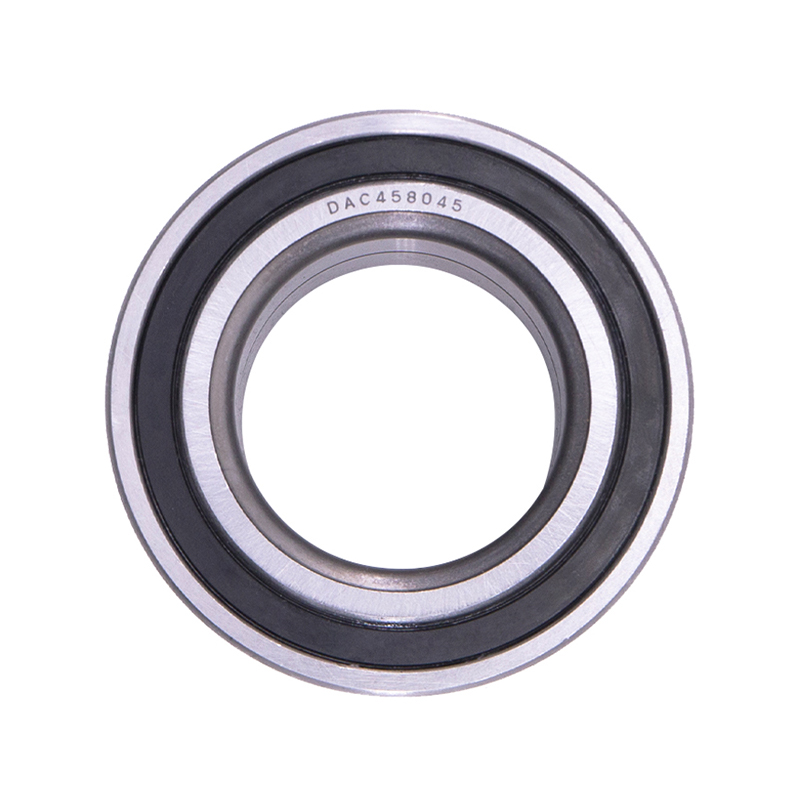 Wheel Hub Bearings
DAC387436 DAC458045 Hub Deep Groove Ball Car Wheel Bearing
-
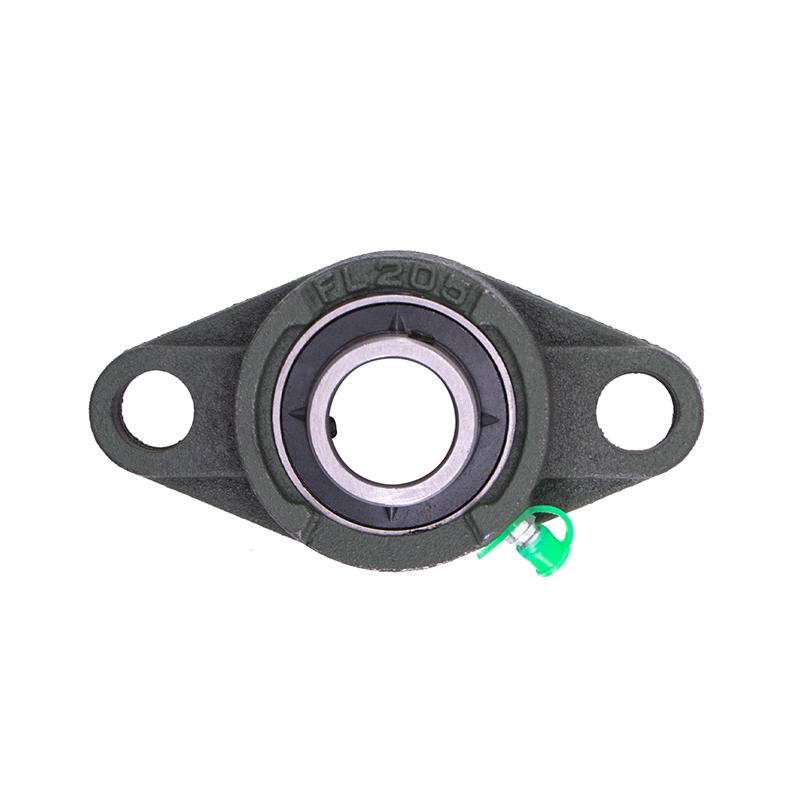 Spherical Bearings
FL204 FL205 FL206 Stainless Steel Pillow Block Bearing
-
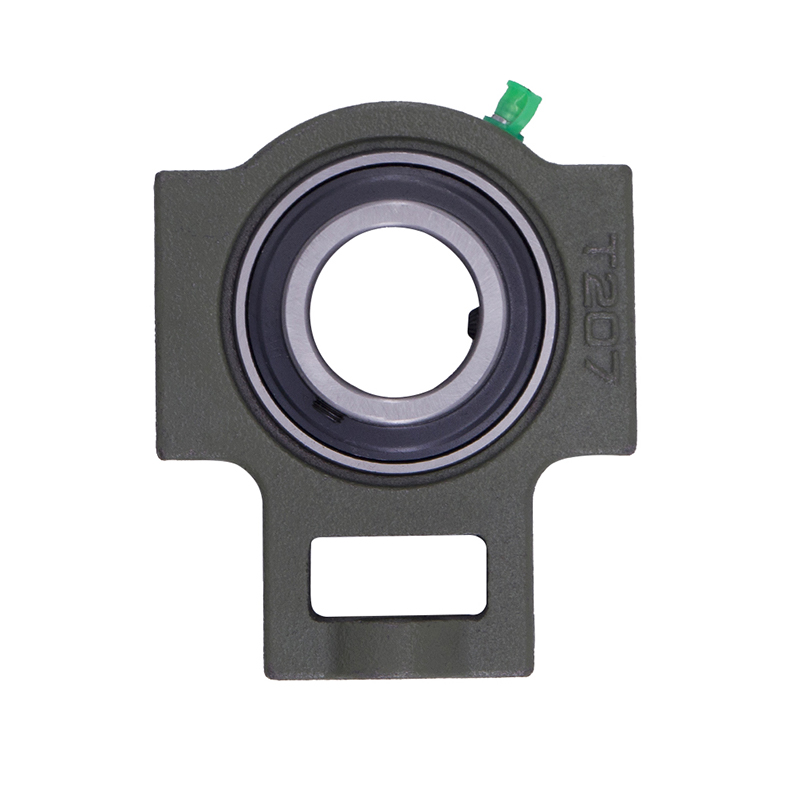 Spherical Bearings
T204 T207 UC204 High Speed Insert Pillow Block Bearing
-
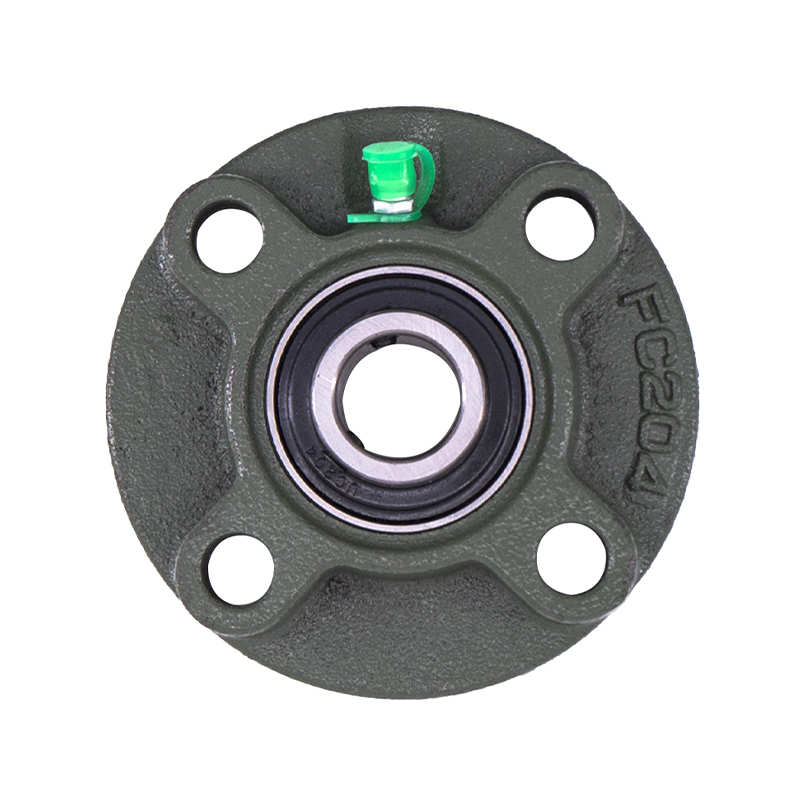 Spherical Bearings
FC204 F210 Auto Wheels Bike Pillow Block Bearing
-
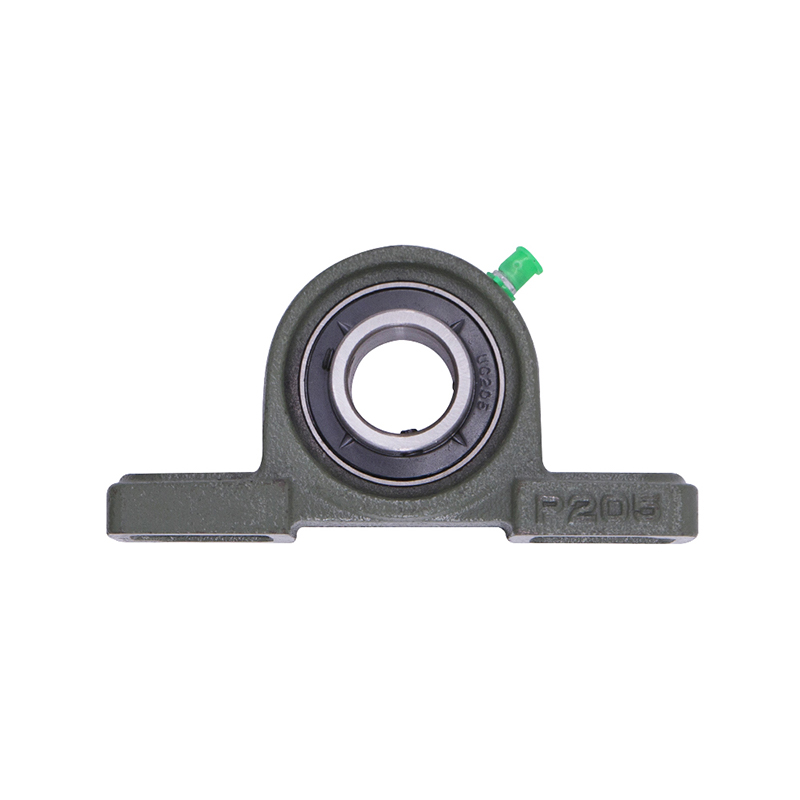 Spherical Bearings
P207 206 205 203 High Precision Wheel Pillow Block Bearing
-
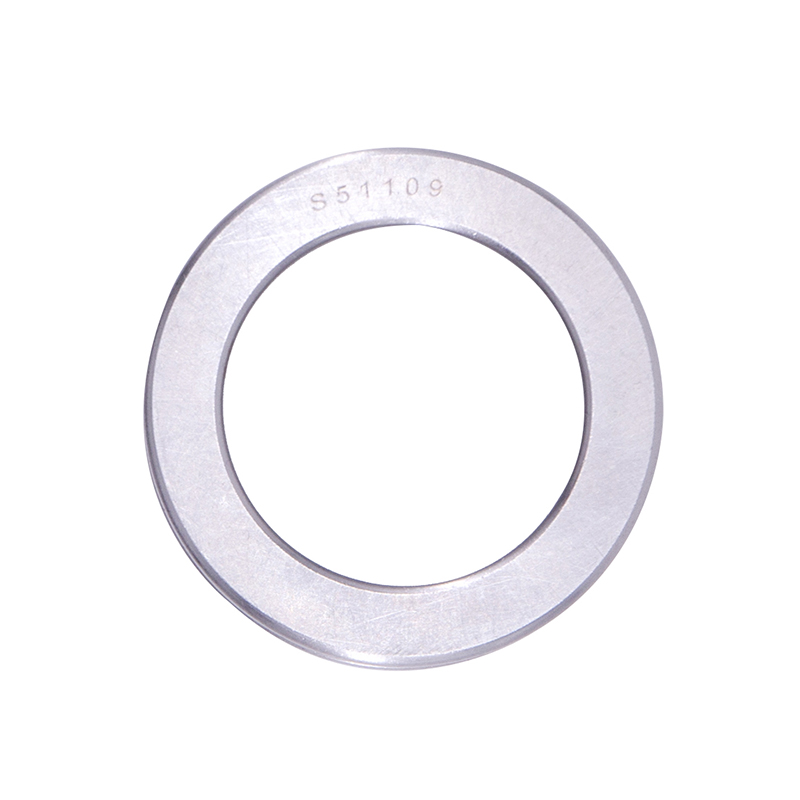 Thrust Roller Bearings
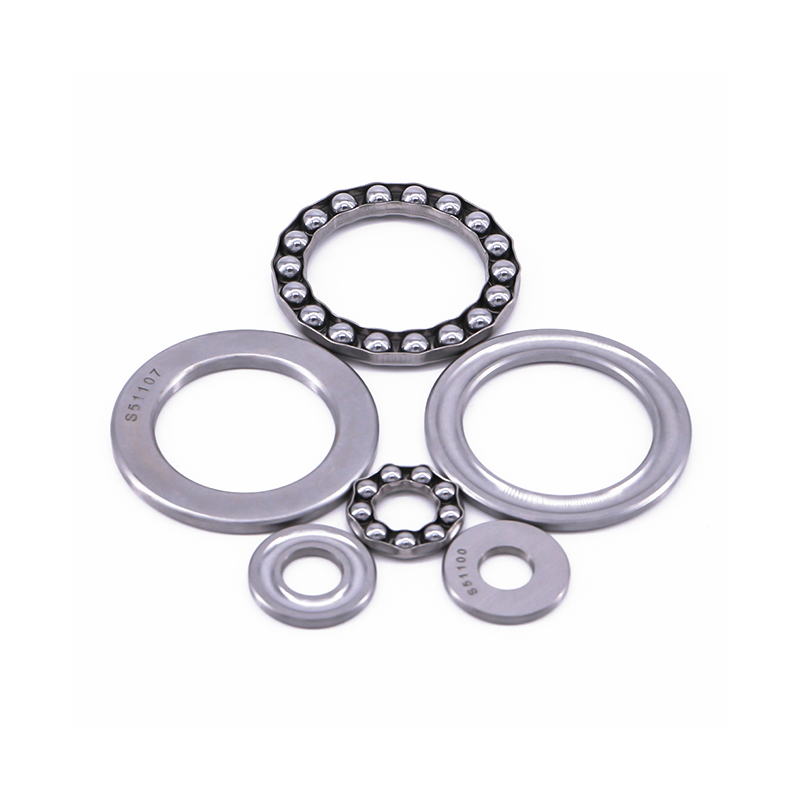
S51100 S51107 S51109 Car Wheel Plain Thrust Ball Bearing
-
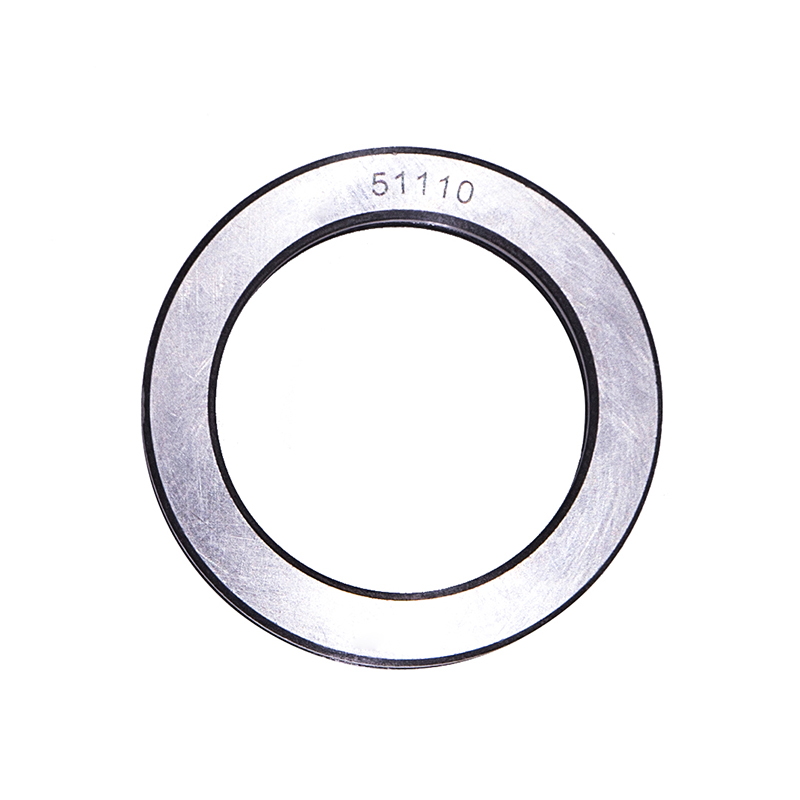 Thrust Roller Bearings
51110 51107 51104 51206 High Speed Plain Thrust Ball Bearing
Are Groove Bearing Specifications Consistent Across Different Suppliers
Industry news-Buying bearings from multiple suppliers can help distributors and industrial equipment manufacturers maintain flexible sourcing arrangements. However, purchasing teams sometimes discover that bearings carrying the same model number do not always have identical technical characteristics. Differences in internal clearance, dimensional tolerances, sealing structures, and cage materials may affect equipment compatibility and operating performance.
At Delian, we understand that specification consistency is an important concern for international buyers. A groove roller bearing inquiry should involve more than confirming a basic model number. Buyers need to establish clear technical requirements and verify whether each supplier can manufacture and inspect products according to the same specifications.
1. Why Can Bearing Specifications Differ Between Suppliers?
Different manufacturers may follow the same international standards while offering different product configurations. Standardized dimensions do not necessarily mean that every internal and external characteristic is identical.
Several factors can contribute to these differences:
- Manufacturing tolerances: Suppliers may offer Normal, P6, or P5 precision classes depending on their production capabilities and product ranges.
- Internal clearance: Standard CN, C2, C3, and other clearance classes are not interchangeable without considering application requirements.
- Material selection: Bearing steel grades, heat treatment processes, and cage materials may vary.
- Sealing configurations: Open, shielded, and contact-sealed designs have different operating characteristics.
- Lubrication: Grease type, filling quantity, and lubrication requirements may differ between manufacturers.
Consequently, buyers should compare complete technical specifications instead of relying exclusively on product designations.
2. Which Technical Parameters Should Be Compared?
Dimensional compatibility is an important starting point for supplier evaluation. For a deep groove ball bearing, the three basic dimensions are bore diameter (d), outside diameter (D), and width (B).
However, several additional parameters should be included in a procurement specification.
| Specification | Common Options or References | Why It Matters |
| Boundary dimensions | d × D × B, ISO 15 | Determines shaft and housing compatibility. |
| Precision class | Normal, P6, P5 | Defines dimensional and geometrical accuracy. |
| Radial internal clearance | CN, C2, C3, C4, C5 | Influences operating clearance under different conditions. |
| Sealing structure | Open, Z, 2Z, RS, 2RS | Affects contamination protection and friction. |
| Cage material | Steel, brass, polyamide | Influences bearing design and operating suitability. |
| Lubrication | Grease or oil | Needs to match speed, temperature, and operating conditions. |
For example, two suppliers may quote a 6205 deep groove ball bearing with the same nominal dimensions of 25 × 52 × 15 mm. However, one quotation may specify CN clearance and a steel cage, while another offers C3 clearance and a different cage configuration. Both products may share the same basic designation, but their complete specifications are not identical.
3. Pay Special Attention to Tolerances and Internal Clearance
Dimensional Tolerances
ISO 492 establishes dimensional and geometrical tolerance requirements for radial rolling bearings. Normal, P6, and P5 are commonly encountered precision classes in deep groove ball bearing procurement.
Higher precision requirements may be necessary for equipment involving tighter shaft positioning or specific running accuracy. Buyers should confirm the required tolerance class in writing rather than assume that every supplier provides the same precision level.
Radial Internal Clearance
Internal clearance is another specification that deserves careful attention. The general clearance sequence for radial bearings is C1, C2, CN, C3, C4, and C5, progressing from smaller to larger clearance ranges.
- CN: Normal radial internal clearance for general applications.
- C2: Smaller-than-normal clearance for specific assembly and operating conditions.
- C3: Greater-than-normal clearance, often considered for particular temperature and fitting conditions.
- C4 and C5: Larger clearance classes for applications requiring corresponding operating configurations.
The appropriate clearance depends on shaft and housing fits, operating temperatures, rotational speeds, and other loading conditions. A supplier should confirm the requested clearance class before production.
4. How Can Buyers Verify Consistency Between Suppliers?
Comparing product catalogs is not sufficient for evaluating manufacturing consistency. We recommend using a standardized technical specification sheet for every supplier involved in the same purchasing project.
The following steps can help purchasing teams establish a more reliable comparison process:
- Prepare a unified specification: Define dimensions, clearance, tolerance class, cage material, and sealing configuration.
- Request technical documents: Ask suppliers to provide product drawings, specifications, and relevant inspection information.
- Compare samples: Check actual dimensions and product configurations against the approved requirements.
- Review inspection methods: Understand how manufacturers measure dimensions, clearance, noise, and vibration.
- Maintain approved samples: Keep reference samples and technical records for subsequent orders.
These measures help reduce specification misunderstandings and make supplier performance easier to evaluate across different purchasing batches.
5. How Delian Approaches Bearing Specification Management
At Delian, we recognize that international customers need consistent product information and clear technical communication. Established in 2015, Yiwu Delian Bearing Co., Ltd. specializes in bearing production, processing, research, and development.
Our product portfolio includes deep groove ball bearings, cylindrical roller bearings, spherical roller bearings, angular contact ball bearings, tapered roller bearings, and thrust ball bearings.
Our approximately 4,000-square-meter factory is equipped with CNC grinding machines and automatic assembly production lines, with a stated annual production capacity of approximately 3 million sets.
We provide OEM processing and non-standard customization services. Customers can share bearing drawings, reference numbers, dimensional requirements, and application details to support technical discussions.
Our approach emphasizes several practical points:
- Clarifying product dimensions and bearing configurations before quotation.
- Confirming internal clearance and precision requirements.
- Discussing material, cage, and sealing specifications.
- Supporting product inspection and sample evaluation.
- Maintaining clear communication about customized requirements.
Bearing specifications are not automatically identical across different suppliers, even when products share the same basic model number. Differences in tolerances, internal clearance, materials, sealing structures, and lubrication can affect compatibility and operating characteristics.
At Delian, we encourage buyers to establish complete technical specifications before requesting quotations or placing repeat orders. A standardized comparison process, supported by product drawings, inspection records, and sample evaluation, helps purchasing teams maintain greater consistency across their supply chains.
Contact Delian to discuss your deep groove ball bearing requirements, OEM projects, and customized procurement specifications. Our team is ready to assist with product information and manufacturing discussions for your industrial applications.
Our Product//
Related Product
If you are interested in our products, please consult us
Contact Details
- Address: 1377-13 Yinhai International, Jinhua, Zhejiang, China
- Fax: 0086-0319-8544668
- Tel: +86-15215868236
+86-15833609668 - Email: [email protected]
Products
Quick Link
News Center
Mobile terminal
Copyright © Yiwu Delian Bearing Co., Ltd. ALL RIGHTS RESERVED.
