
 English
 русский
 Español

-
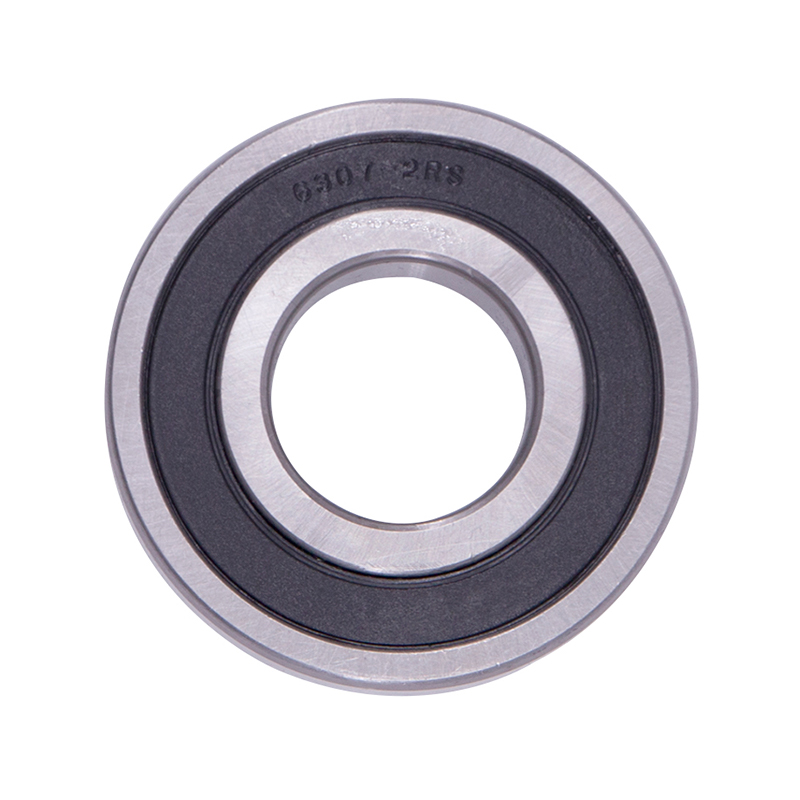 Wheel Hub Bearings
-
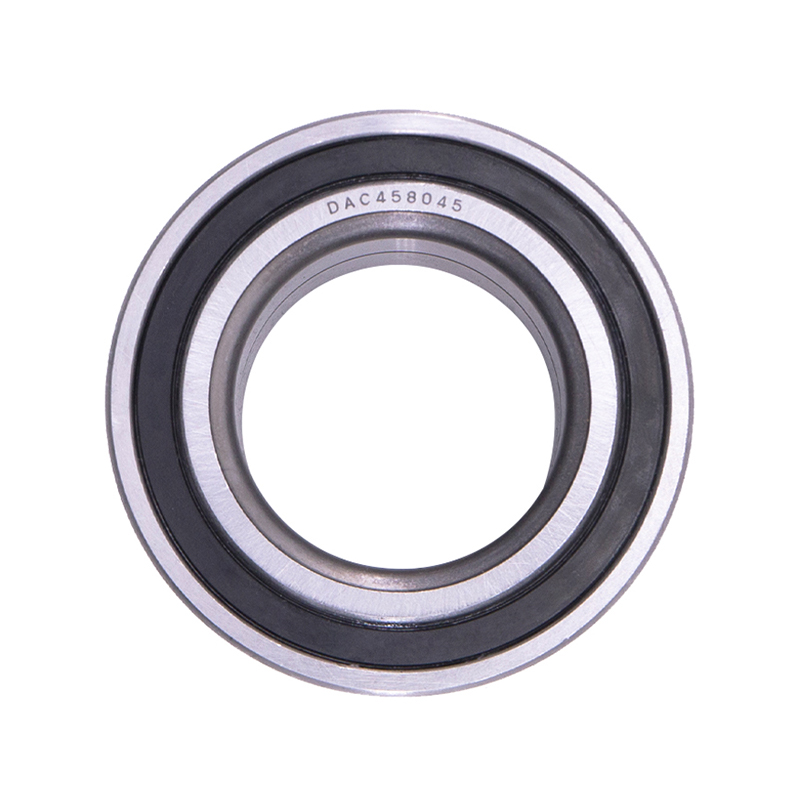 Wheel Hub Bearings
DAC387436 DAC458045 Hub Deep Groove Ball Car Wheel Bearing
-
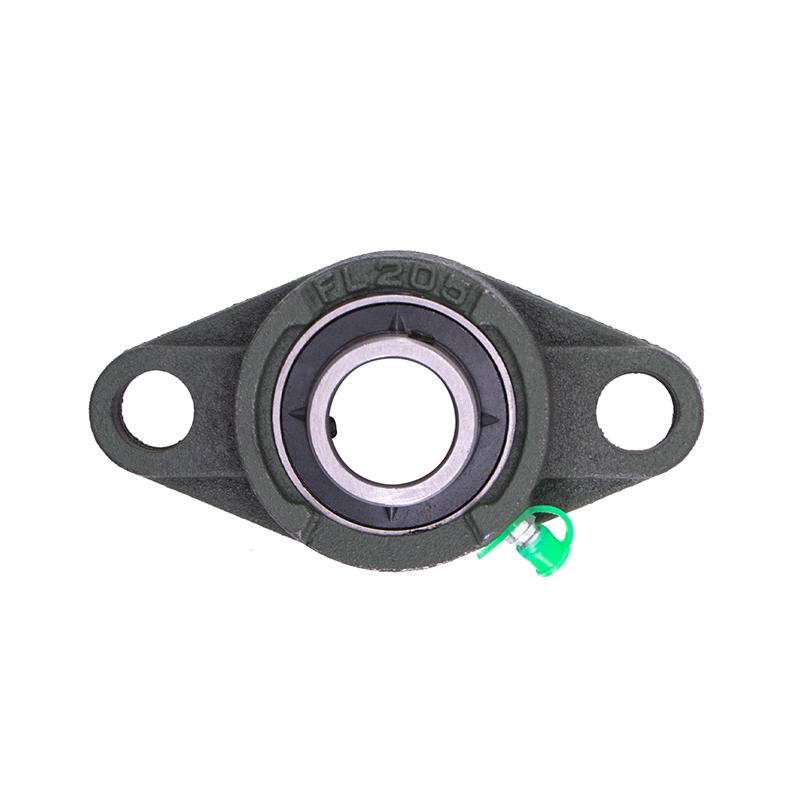 Spherical Bearings
FL204 FL205 FL206 Stainless Steel Pillow Block Bearing
-
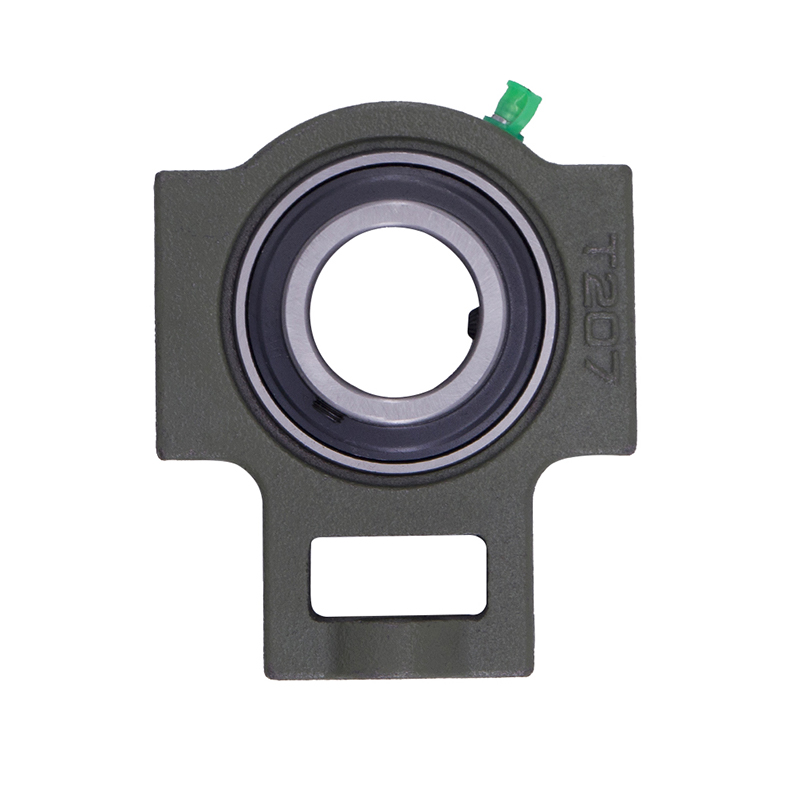 Spherical Bearings
T204 T207 UC204 High Speed Insert Pillow Block Bearing
-
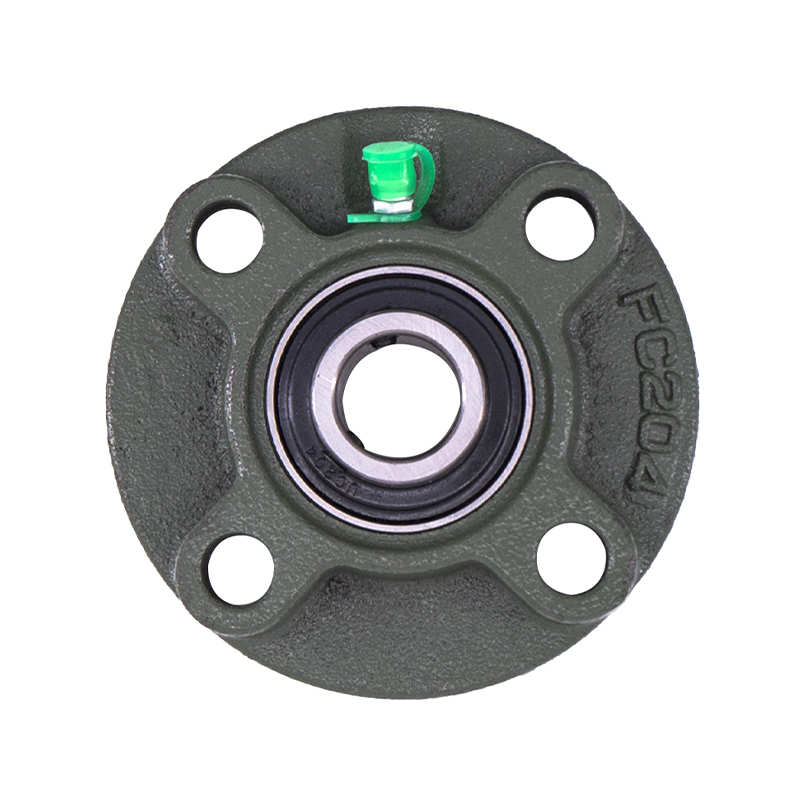 Spherical Bearings
FC204 F210 Auto Wheels Bike Pillow Block Bearing
-
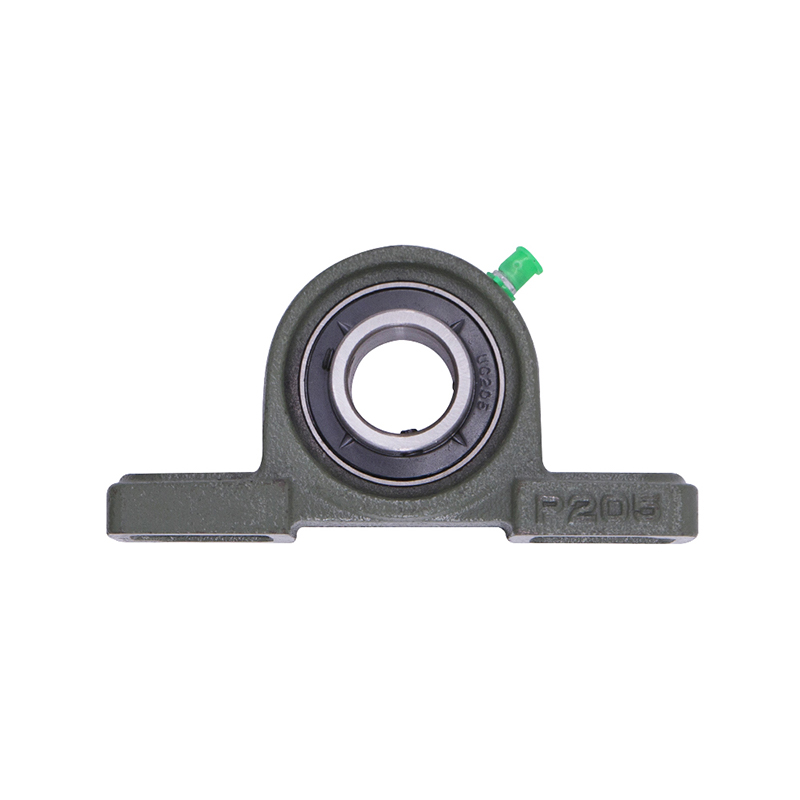 Spherical Bearings
P207 206 205 203 High Precision Wheel Pillow Block Bearing
-
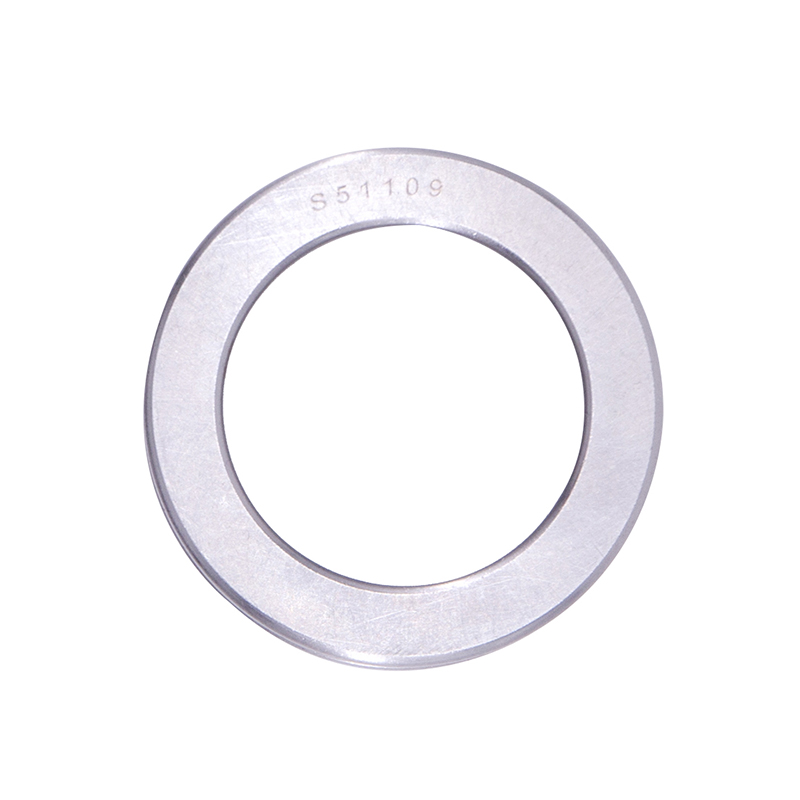 Thrust Roller Bearings
S51100 S51107 S51109 Car Wheel Plain Thrust Ball Bearing
-
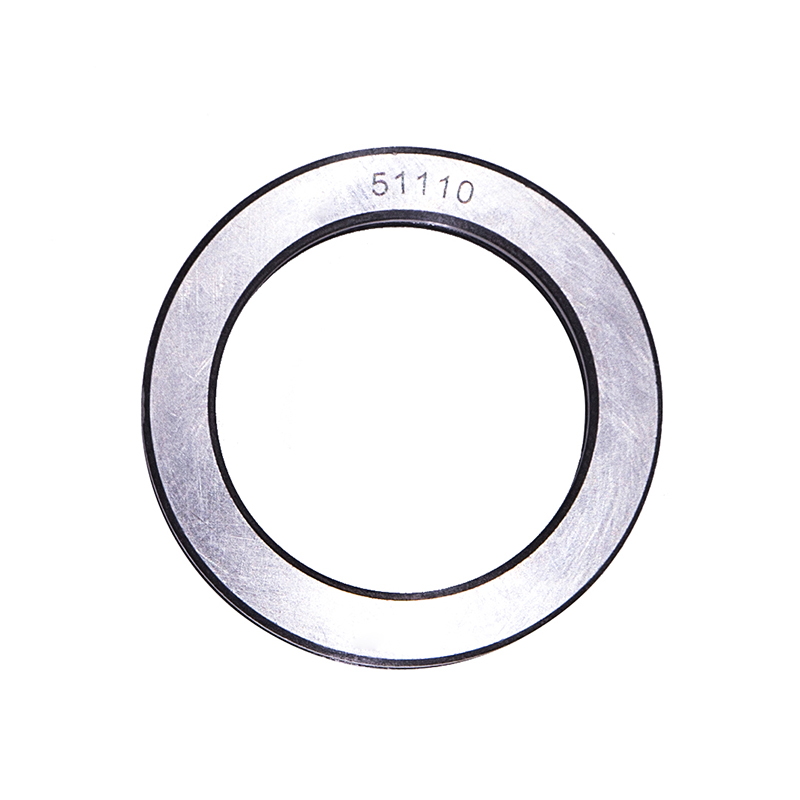 Thrust Roller Bearings
51110 51107 51104 51206 High Speed Plain Thrust Ball Bearing
How Much Misalignment Can a Self-Aligning Linear Ball Bearing Accommodate
Industry news-Accurate linear movement is essential in automated machinery, packaging equipment, CNC systems, and industrial production lines. However, shaft installation errors, mounting deviations, and structural deformation can affect the alignment of linear motion components. These problems may increase friction, create uneven contact pressure, and affect positioning accuracy.
A self aligning linear ball bearing is designed to compensate for certain alignment deviations while maintaining smooth movement along a precision shaft. However, its compensation range is not unlimited. At Delian, we understand that buyers need to consider angular deviation, shaft conditions, load ratings, and installation geometry before confirming a bearing specification.
1. What Causes Misalignment in Linear Bearing Systems?
Misalignment occurs when the bearing axis and the linear shaft are not positioned in the intended relationship. Even relatively small installation deviations may affect the contact between rolling elements and the shaft surface.
Common causes include:
- Mounting errors: Housing bores may not be perfectly aligned with the shaft centerline.
- Structural deformation: Machine frames and mounting bases may bend under operating loads.
- Shaft installation deviations: Improper positioning can create angular differences between supporting components.
- Manufacturing tolerances: Dimensional variations in mounting surfaces may affect the final assembly.
- Thermal changes: Temperature variations can influence component dimensions and alignment.
These conditions are particularly relevant to long-stroke linear motion systems, where multiple supports must maintain consistent movement along the same shaft.
2. How Much Angular Misalignment Can It Accommodate?
The allowable misalignment depends on the bearing design, internal structure, housing configuration, and operating conditions. There is no universal angular limit applicable to every linear ball bearing.
As a practical reference, INA's KS series self-aligning linear ball bearings can accommodate shaft misalignment of up to approximately 40 angular minutes (0.67 degrees). This capability comes from movable bearing segments that compensate for deviations in the bearing centerline.
Thomson also describes a self-alignment feature in selected Super Ball Bushing products, with a specified compensation capability of up to 0.5 degrees per inch. These figures apply to their respective product designs and should not be treated as interchangeable specifications.
| Technical Factor | Reference or Consideration |
| INA KS series angular compensation | Up to approximately 40 angular minutes |
| Thomson selected ball bushings | Up to 0.5° per inch |
| Alignment direction | Angular deviation between bearing and shaft axes |
| Load conditions | Verify the manufacturer's rated capacity under the specified misalignment |
| Installation clearance | Check housing geometry and available movement space |
Important: The allowable angle of a rotary self-aligning ball bearing should not be applied directly to a linear ball bushing. Their internal structures and movement requirements are different.
3. What Happens When Misalignment Exceeds the Allowable Range?
Excessive angular deviation can prevent rolling elements from maintaining their intended contact conditions. This may create additional resistance and affect the operating characteristics of the linear guide system.
Potential Operating Problems
- Increased friction: Uneven contact may raise resistance during shaft movement.
- Uneven load distribution: Certain rolling elements may experience higher localized forces.
- Reduced positioning accuracy: Irregular movement may affect equipment positioning and repeatability.
- Premature wear: Continuous edge loading can accelerate wear on rolling surfaces.
- Increased maintenance requirements: Abnormal operating conditions may require more frequent inspection.
Self-alignment helps compensate for specified deviations, but it does not eliminate the need for accurate shaft installation. Parallelism errors, excessive shaft bending, and unsuitable mounting conditions still require attention.
4. Which Technical Parameters Should Buyers Check?
Before purchasing linear ball bearings, equipment manufacturers and distributors should prepare the technical details required for product evaluation.
| Parameter | Why It Matters |
| Shaft diameter | Determines dimensional compatibility with the bearing. |
| Dynamic load rating (C) | Provides a reference for evaluating loads during movement. |
| Static load rating (C0) | Helps assess resistance to permanent deformation under stationary loading. |
| Angular compensation | Defines the allowable shaft-to-bearing alignment deviation. |
| Travel speed | Affects friction, temperature, and lubrication requirements. |
| Operating stroke | Determines the required shaft length and movement range. |
| Sealing configuration | Influences protection against dust and other contaminants. |
Buyers should also clarify whether the application uses supported or unsupported shafts. Open linear bearings are commonly applied with supported shafts, while closed designs are used in different mounting arrangements. The housing structure and shaft support conditions must match the selected bearing configuration.
5. How Delian Helps Buyers Evaluate Bearing Requirements
At Delian, we recognize that bearing procurement requires attention to both product specifications and actual equipment conditions. Established in 2015, Yiwu Delian Bearing Co., Ltd. specializes in bearing production, processing, research, and development.
Our product portfolio covers deep groove ball bearings, cylindrical roller bearings, spherical roller bearings, angular contact ball bearings, tapered roller bearings, and thrust ball bearings. We also provide OEM processing and non-standard customization services.
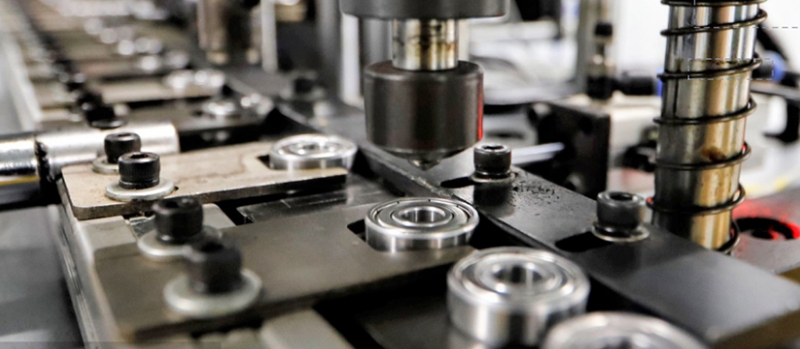
Our approximately 4,000-square-meter factory is equipped with CNC grinding machines and automatic assembly production lines, with a stated annual production capacity of approximately 3 million sets.
To help us understand your project requirements, we recommend preparing the following information:
- Shaft diameter and dimensional drawings.
- Required bearing structure and reference model.
- Expected radial and axial loading conditions.
- Operating speed and movement distance.
- Estimated angular deviation and mounting arrangement.
These details help our team review the application and discuss suitable bearing specifications or customization requirements with customers.
A self-aligning linear ball bearing can compensate for certain angular installation deviations, but its allowable range depends on the specific bearing construction. Reference designs such as INA KS series and selected Thomson ball bushings demonstrate that different products have different compensation capabilities.
Buyers should examine shaft alignment, load ratings, housing dimensions, and operating conditions rather than relying on a general angular value. Proper specification and installation help maintain smooth linear movement and reduce unnecessary mechanical stress.
At Delian, we welcome inquiries from global distributors, machinery manufacturers, and OEM customers. Contact our team to discuss your bearing specifications and explore suitable solutions for your industrial applications.
Our Product//
Related Product
If you are interested in our products, please consult us
Contact Details
- Address: 1377-13 Yinhai International, Jinhua, Zhejiang, China
- Fax: 0086-0319-8544668
- Tel: +86-15215868236
+86-15833609668 - Email: [email protected]
Products
Quick Link
News Center
Mobile terminal
Copyright © Yiwu Delian Bearing Co., Ltd. ALL RIGHTS RESERVED.
