
 English
 русский
 Español

-
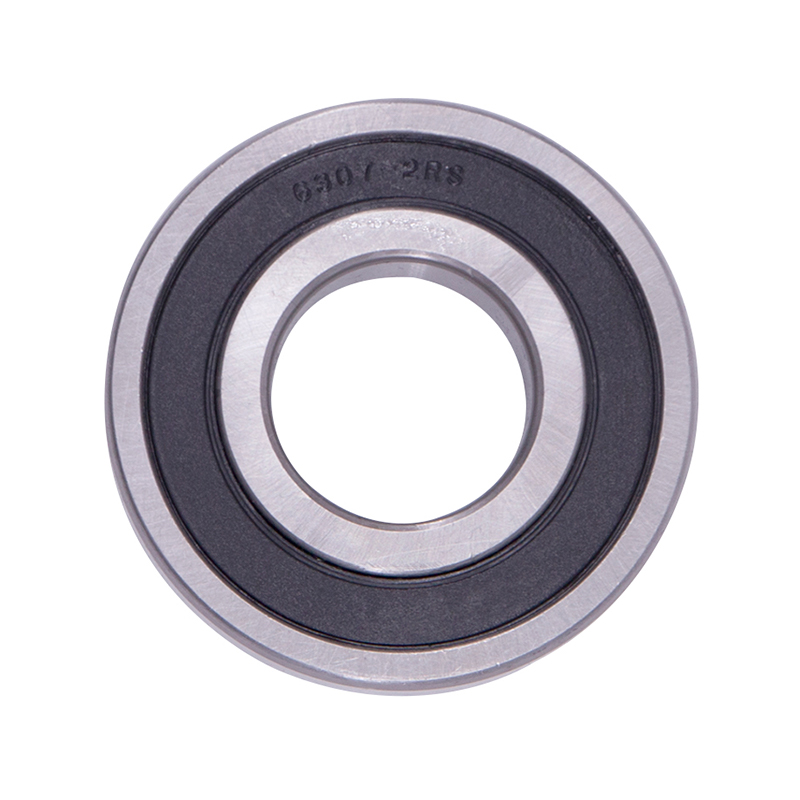 Wheel Hub Bearings
-
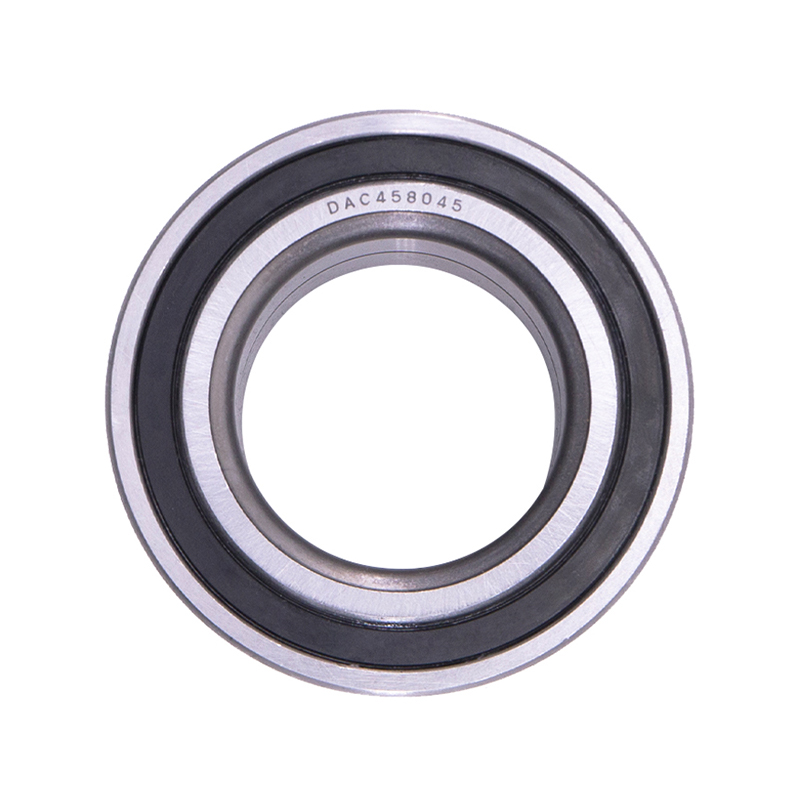 Wheel Hub Bearings
DAC387436 DAC458045 Hub Deep Groove Ball Car Wheel Bearing
-
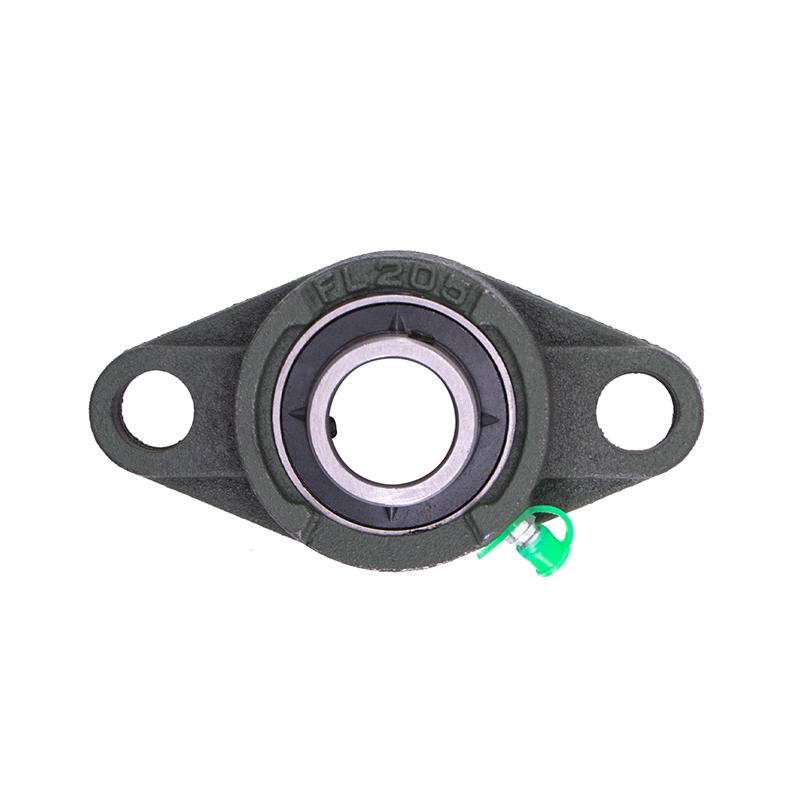 Spherical Bearings
FL204 FL205 FL206 Stainless Steel Pillow Block Bearing
-
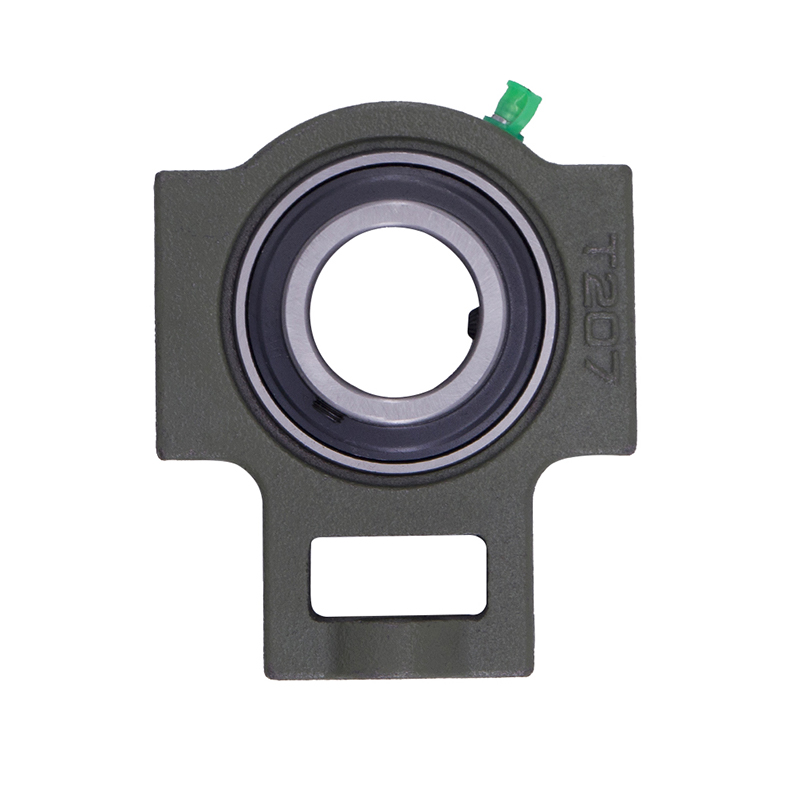 Spherical Bearings
T204 T207 UC204 High Speed Insert Pillow Block Bearing
-
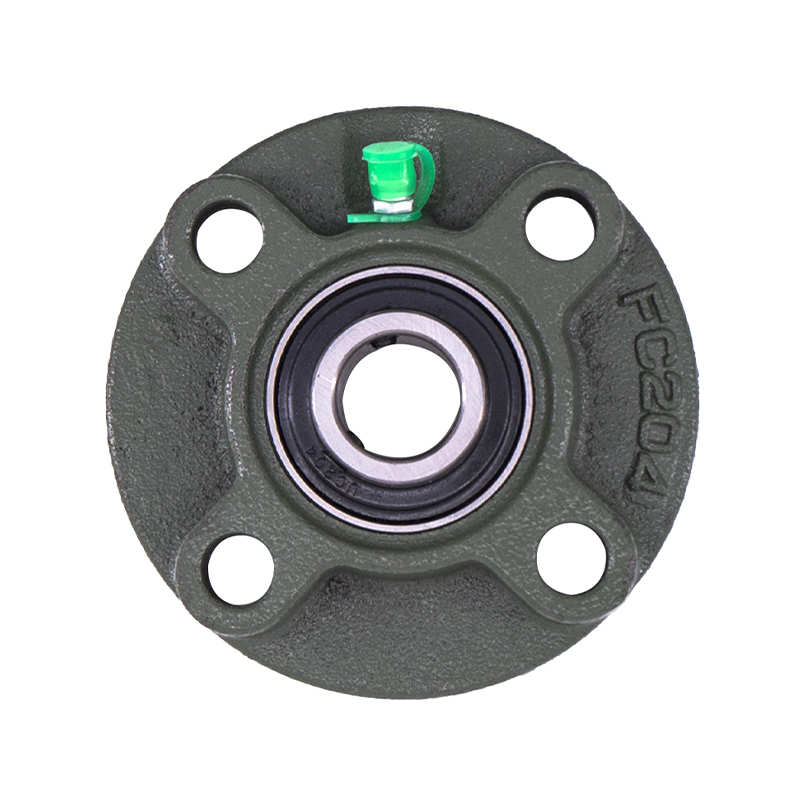 Spherical Bearings
FC204 F210 Auto Wheels Bike Pillow Block Bearing
-
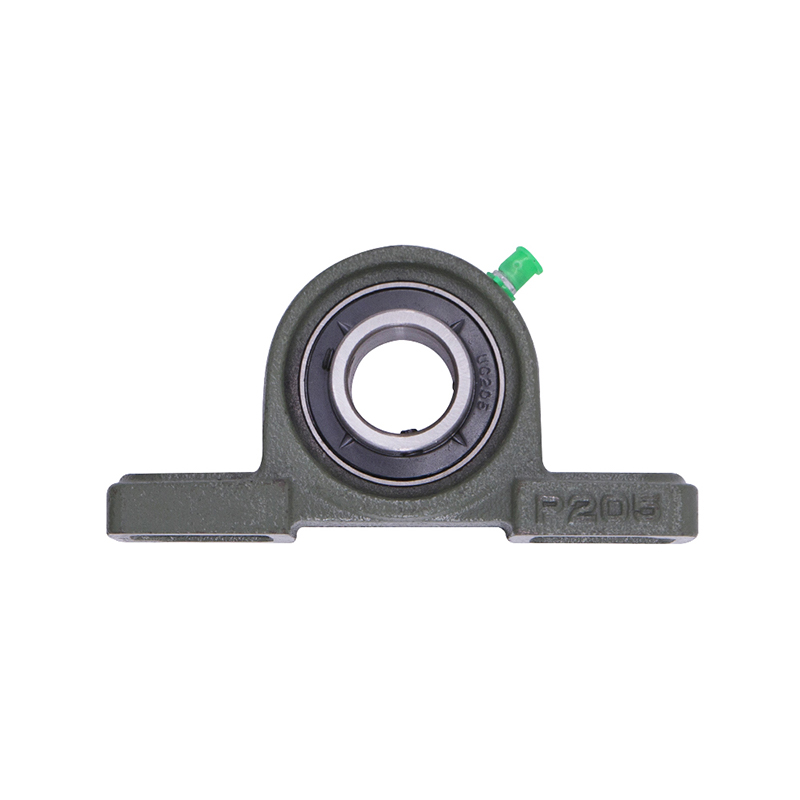 Spherical Bearings
P207 206 205 203 High Precision Wheel Pillow Block Bearing
-
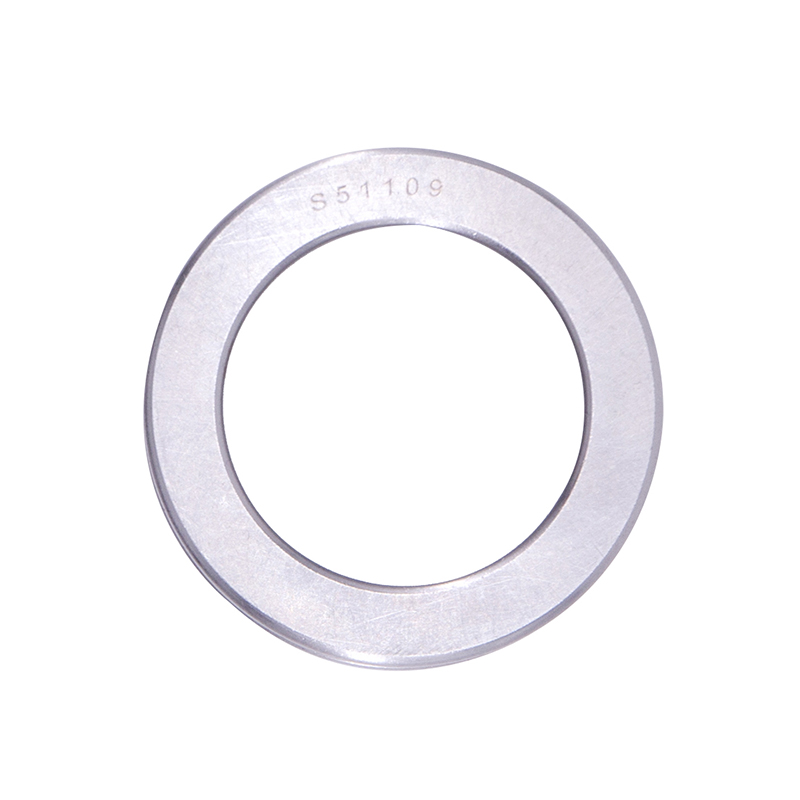 Thrust Roller Bearings
S51100 S51107 S51109 Car Wheel Plain Thrust Ball Bearing
-
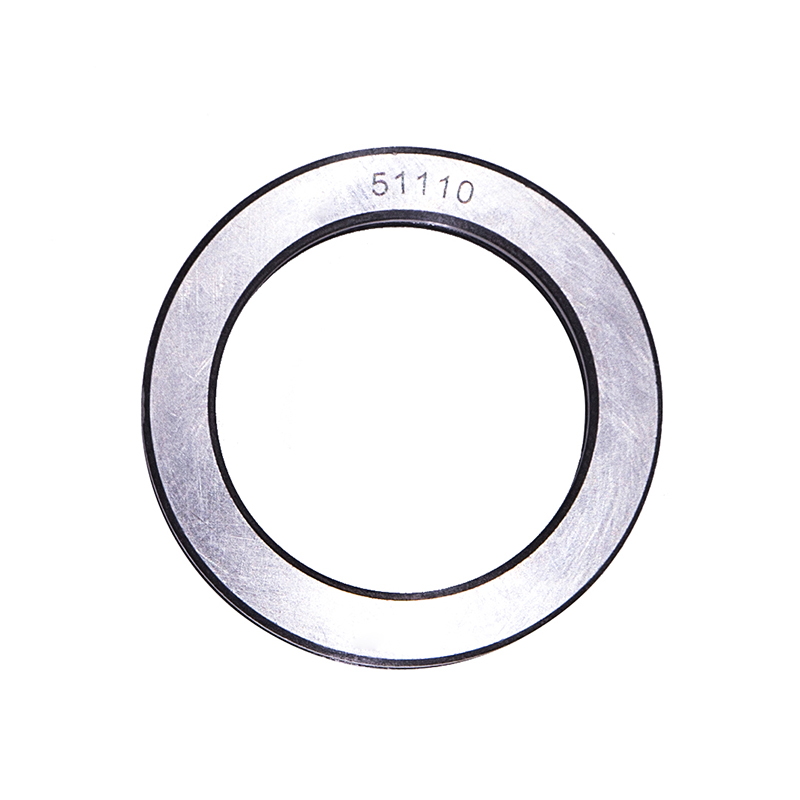 Thrust Roller Bearings
51110 51107 51104 51206 High Speed Plain Thrust Ball Bearing
Cylindrical Roller vs. Ball Bearings: Which Fits Your Load Requirements
Industry news-Bearing selection directly affects equipment stability, operating performance, and maintenance requirements. Among the available rolling bearing designs, cylindrical roller bearings and ball bearings are widely used in industrial machinery, electric motors, pumps, and transmission systems. However, their load distribution characteristics and operating conditions are different.
At Delian, we work with customers across various industrial sectors and understand that choosing between a cylindrical roller ball bearing solution requires more than comparing dimensions or purchase prices. Engineers and purchasing teams should examine radial loads, axial forces, rotational speeds, and installation conditions before confirming a bearing specification.
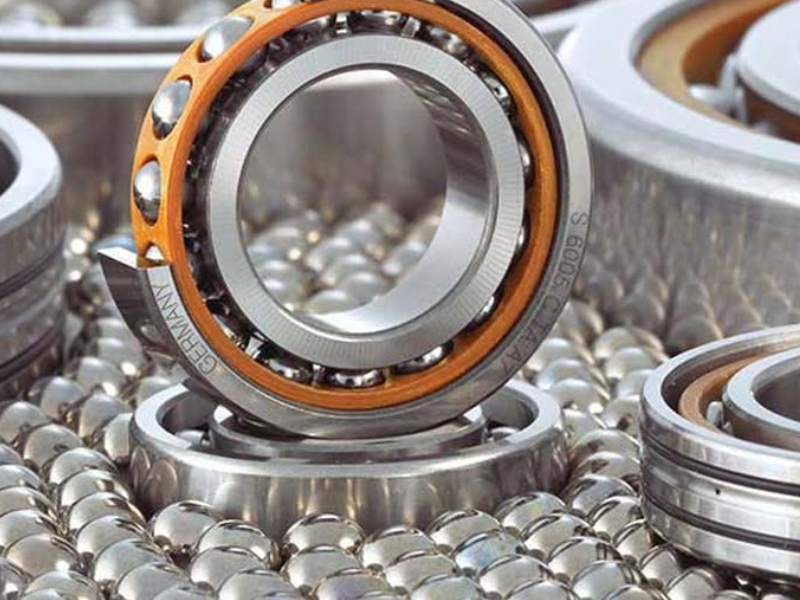
1. Understand the Structural Differences
Cylindrical Roller Bearings
Cylindrical roller bearings use cylindrical rolling elements positioned between the inner and outer raceways. Their line-contact structure distributes radial forces across a larger contact area compared with conventional ball bearings.
This design provides several practical characteristics:
- High radial load capacity for demanding industrial applications.
- Good rigidity under substantial radial loading.
- Suitable for certain high-speed applications, depending on bearing design and operating conditions.
- Separable construction in many configurations, simplifying mounting and maintenance.
Ball Bearings
Ball bearings use spherical rolling elements that create point contact with the raceways, forming an elliptical contact area under load. Their relatively low rolling resistance makes them suitable for applications requiring smooth rotation and reduced friction.
- Lower friction characteristics in many operating conditions.
- Suitable for relatively high rotational speeds.
- Deep groove designs can accommodate radial and moderate axial loads.
- Available in different configurations for various equipment requirements.
2. Compare Radial and Axial Load Requirements
Load direction is a major consideration during bearing specification. Radial forces act perpendicular to the shaft, while axial forces act parallel to its centerline. Different bearing structures accommodate these forces in different ways.
| Comparison Factor | Cylindrical Roller Bearings | Ball Bearings |
| Contact type | Line contact | Point contact |
| Radial load capacity | Generally higher | Generally lower for comparable dimensions |
| Axial load capacity | Limited, depending on flange configuration | Varies by design; deep groove and angular contact types support axial loads |
| Friction | Generally higher under comparable conditions | Generally lower |
| Rotational speed | Depends on design, lubrication, and loading | Generally suitable for high-speed operation |
| Typical applications | Gearboxes, industrial motors, machine tools | Fans, pumps, electric motors, general machinery |
Our recommendation is to evaluate the actual load direction rather than assume that every roller bearing can handle heavy forces from multiple directions. Standard cylindrical roller bearings primarily accommodate radial loads. Certain configurations, such as NJ and NUP types, can support limited axial loads under specified conditions.
3. Match Bearing Types with Equipment Operating Conditions
Different machines have different operating requirements. A bearing suitable for a high-speed electric motor may not be appropriate for a gearbox exposed to substantial radial forces.
Applications of Cylindrical Roller Bearings
- Industrial gearboxes: Accommodate substantial radial forces generated by transmission components.
- Heavy machinery: Support rotating shafts operating under demanding radial loading conditions.
- Machine tools: Certain double-row configurations provide high radial rigidity for spindle arrangements.
Applications of Ball Bearings
- Electric motors: Support smooth shaft rotation and relatively low friction.
- Fans and pumps: Accommodate operating speeds and load conditions associated with rotating equipment.
- General industrial machinery: Provide practical solutions for applications involving moderate radial and axial forces.
4. Which Technical Parameters Should Buyers Confirm?
Before requesting a quotation from a bearing manufacturer, purchasing teams should prepare the technical information needed to evaluate product compatibility.
| Parameter | Information Required |
| Dimensions | Inner diameter (d), outer diameter (D), and width (B) |
| Load rating | Dynamic load rating (C) and static load rating (C0) |
| Operating speed | Required rotational speed in RPM |
| Internal clearance | CN, C3, or another specified clearance class |
| Lubrication | Grease or oil lubrication requirements |
| Operating environment | Temperature, contamination, vibration, and moisture conditions |
Buyers should also consider bearing life calculations. The basic rating life equation uses different life exponents for ball and roller bearings: 3 for ball bearings and 10/3 for roller bearings. Actual service life also depends on lubrication, contamination, mounting accuracy, and operating conditions.
5. How Delian Supports Bearing Selection
At Delian, we understand that industrial customers need bearing solutions based on actual equipment requirements. Established in 2015, Yiwu Delian Bearing Co., Ltd. specializes in bearing production, processing, research, and development.
Our product range includes cylindrical roller bearings, deep groove ball bearings, spherical roller bearings, angular contact ball bearings, tapered roller bearings, and thrust ball bearings. Our approximately 4,000-square-meter factory is equipped with CNC grinding machines and automatic assembly production lines, with a stated annual production capacity of approximately 3 million sets.
We also provide OEM processing and non-standard customization services. Customers can submit product drawings, bearing reference numbers, or application details for technical evaluation.
Our team can discuss bearing dimensions, load requirements, internal clearance, and other relevant specifications to help customers identify suitable product configurations.
Our Product//
Related Product
If you are interested in our products, please consult us
Contact Details
- Address: 1377-13 Yinhai International, Jinhua, Zhejiang, China
- Fax: 0086-0319-8544668
- Tel: +86-15215868236
+86-15833609668 - Email: [email protected]
Products
Quick Link
News Center
Mobile terminal
Copyright © Yiwu Delian Bearing Co., Ltd. ALL RIGHTS RESERVED.
