
 English
 русский
 Español

-
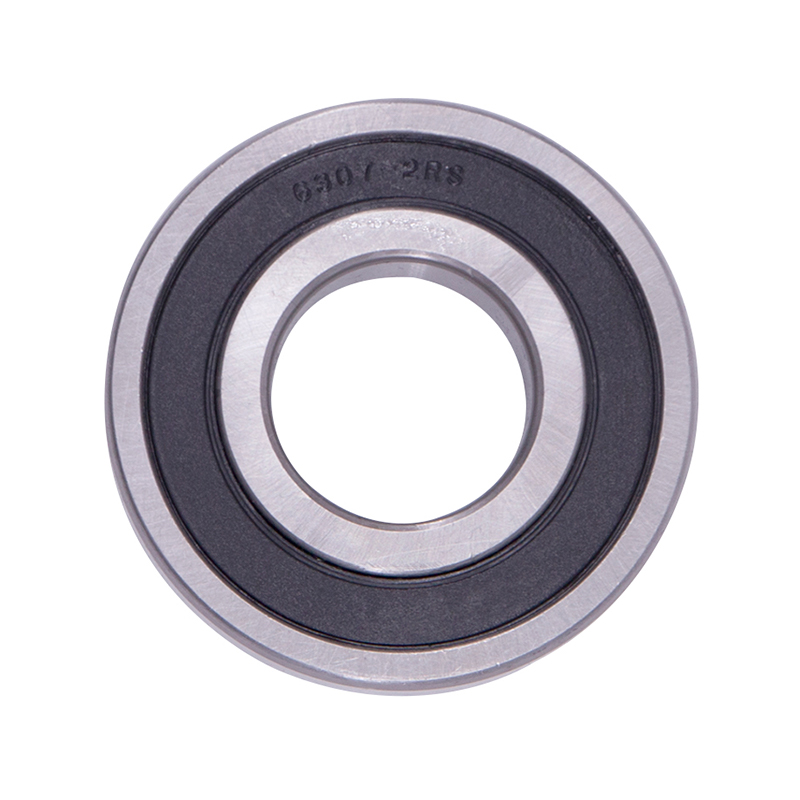 Wheel Hub Bearings
-
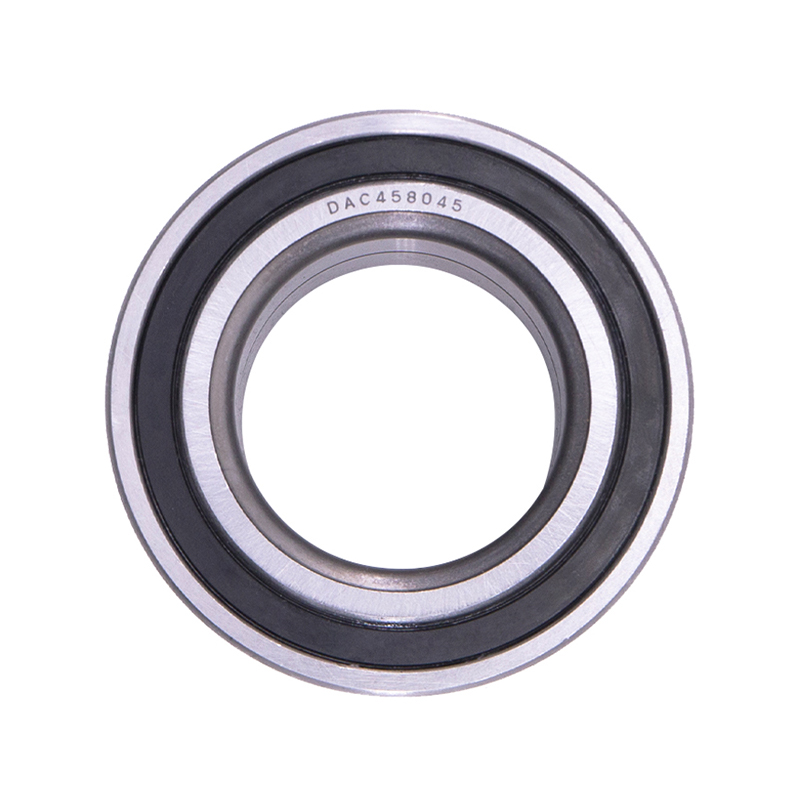 Wheel Hub Bearings
DAC387436 DAC458045 Hub Deep Groove Ball Car Wheel Bearing
-
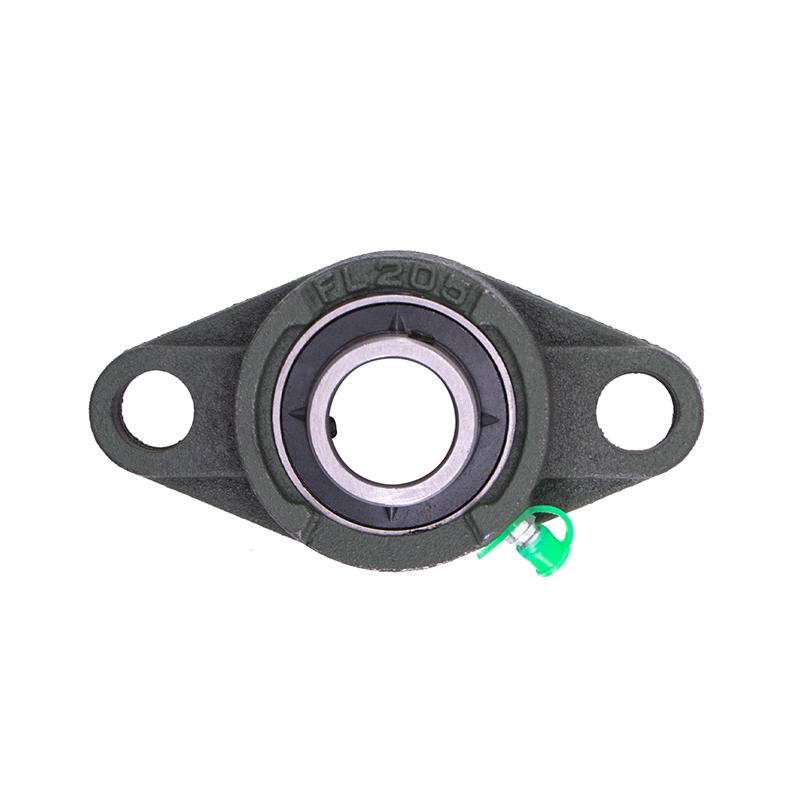 Spherical Bearings
FL204 FL205 FL206 Stainless Steel Pillow Block Bearing
-
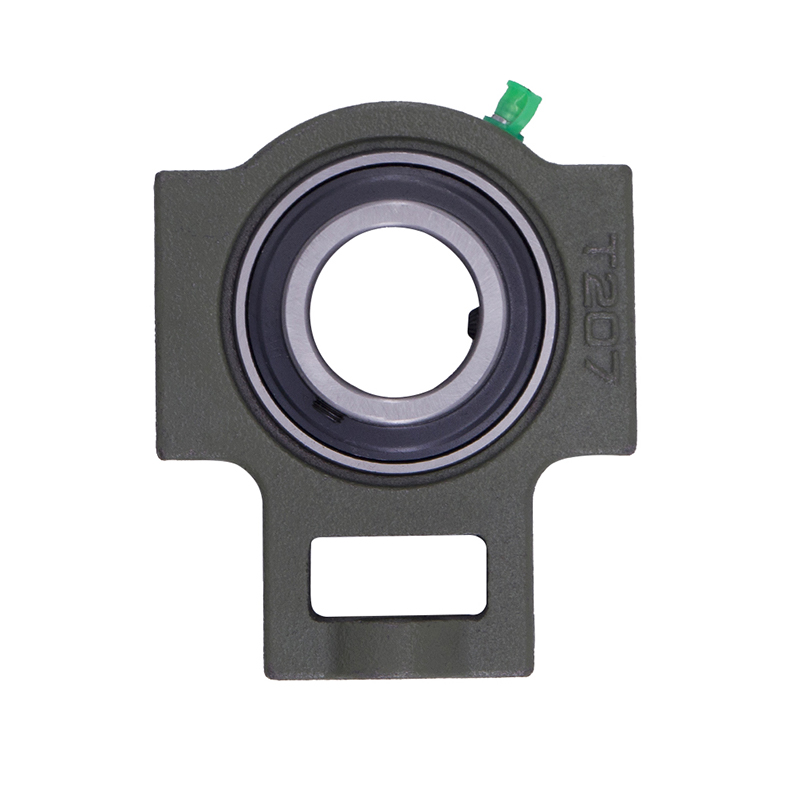 Spherical Bearings
T204 T207 UC204 High Speed Insert Pillow Block Bearing
-
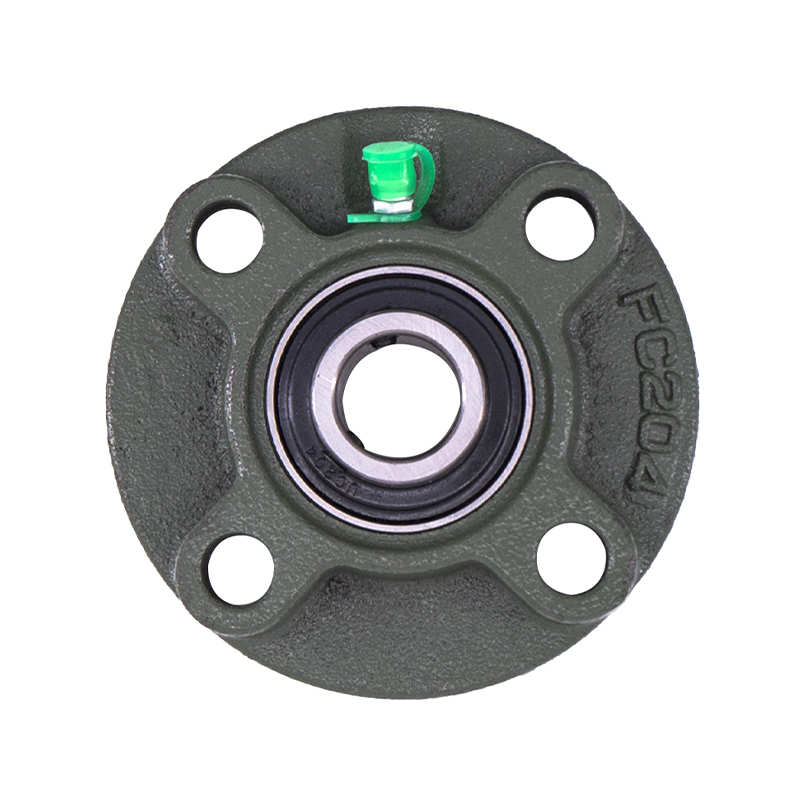 Spherical Bearings
FC204 F210 Auto Wheels Bike Pillow Block Bearing
-
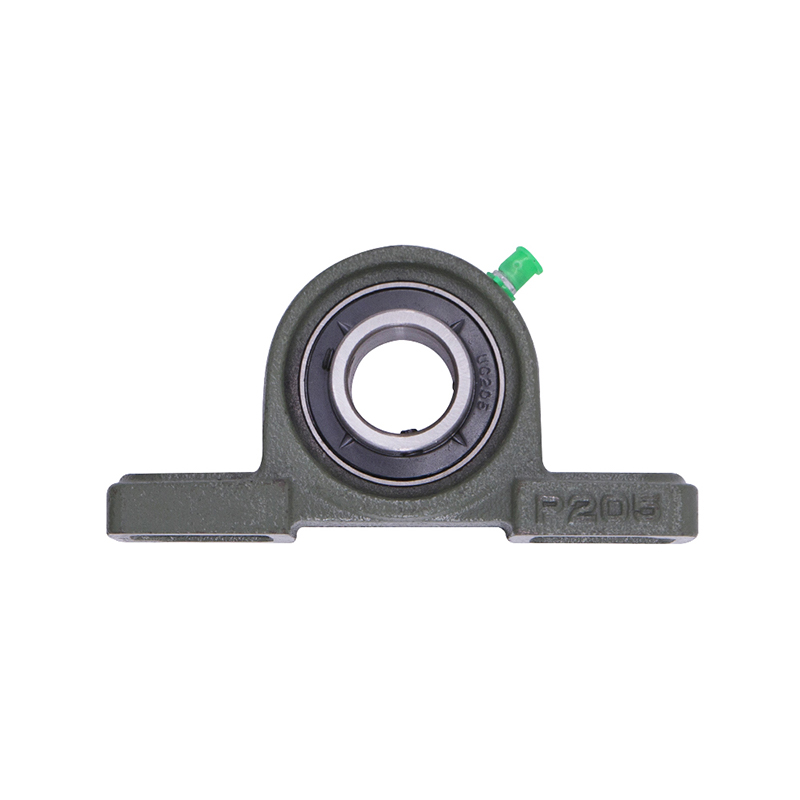 Spherical Bearings
P207 206 205 203 High Precision Wheel Pillow Block Bearing
-
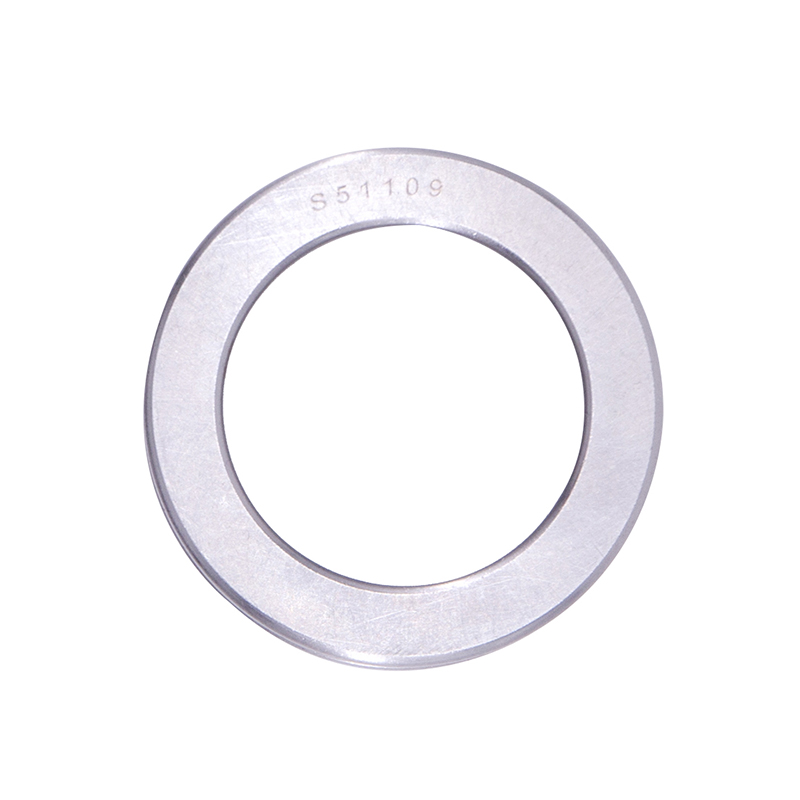 Thrust Roller Bearings
S51100 S51107 S51109 Car Wheel Plain Thrust Ball Bearing
-
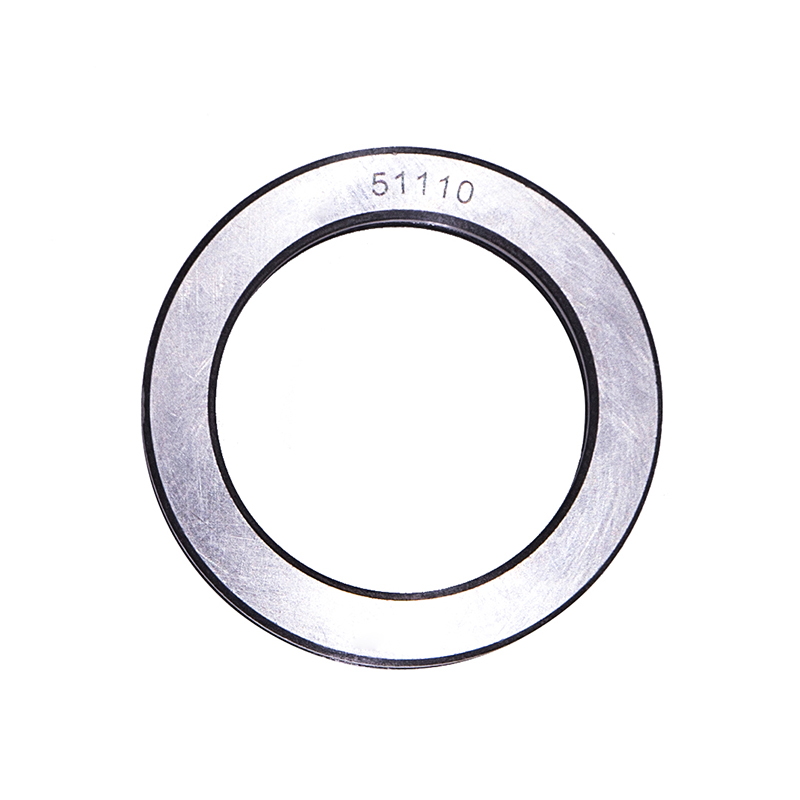 Thrust Roller Bearings
51110 51107 51104 51206 High Speed Plain Thrust Ball Bearing
What Should Global Buyers Verify Before Partnering with a China Bearing Company
Industry news-Finding a suitable bearing supplier involves more than comparing quotations and product prices. Global buyers need to consider manufacturing capabilities, quality management, product specifications, customization support, and international trade experience before establishing a long-term business relationship. These factors directly affect purchasing costs, equipment compatibility, and the consistency of future orders.
China has a well-developed bearing manufacturing industry, offering international buyers access to different bearing structures, production technologies, and OEM services. However, suppliers may differ considerably in their equipment, technical expertise, inspection procedures, and ability to handle customized requirements. A careful supplier evaluation helps purchasing teams understand what a factory can actually provide.
At Delian, we have been engaged in bearing production, processing, research, and development since 2015. Our product range includes deep groove ball bearings, cylindrical roller bearings, spherical roller bearings, angular contact ball bearings, tapered roller bearings, and thrust ball bearings. Through our experience working with international customers, we understand the importance of transparent specifications and consistent communication throughout the procurement process.
This article outlines several practical points that global buyers should examine before partnering with a china bearing company.
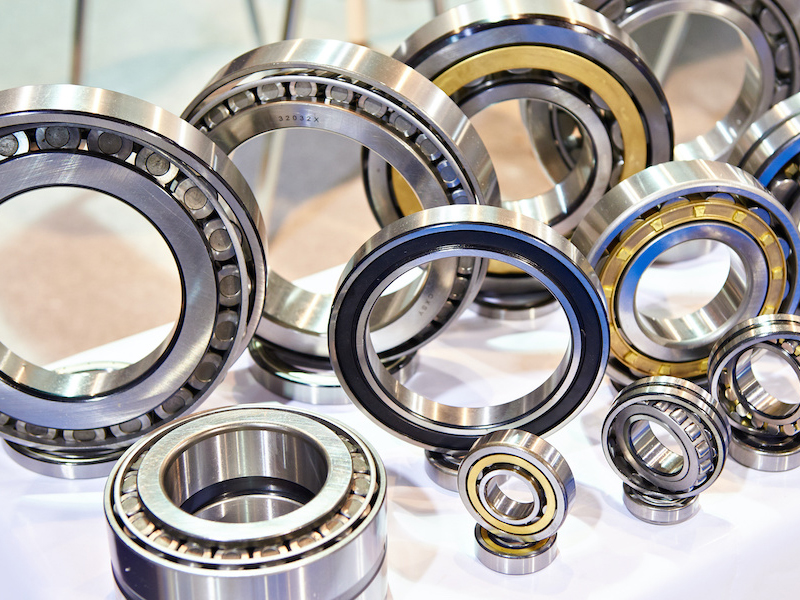
1. Verify the Manufacturer's Actual Production Capabilities
A supplier's product catalog provides an overview of its business, but it does not fully demonstrate its manufacturing capabilities. Buyers should examine the equipment, production processes, factory facilities, and technical resources behind the products.
Key Manufacturing Details to Examine
- Production equipment: Check whether the factory operates CNC grinding machines, machining equipment, automatic assembly lines, and other facilities relevant to the required bearing type.
- Processing capabilities: Understand whether the supplier handles bearing machining, grinding, assembly, and related production procedures.
- Production capacity: Ask about annual output, available production resources, and the ability to accommodate recurring orders.
- Technical personnel: Review the manufacturer's engineering and R&D capabilities, particularly for customized bearing projects.
- Product coverage: Confirm whether the factory can supply the bearing categories and specifications required by your business.
At Delian, our factory covers approximately 4,000 square meters and is equipped with CNC grinding machines and automatic assembly production lines. Our stated annual production capacity is approximately 3 million sets. These facilities support our production and processing activities across different bearing categories.
Buyers should also distinguish between a manufacturer and a trading company. A trading company may provide access to several product categories, while a factory can offer more direct information about its manufacturing processes, technical adjustments, and production arrangements. Both business models can serve procurement needs, but buyers should understand the actual source of the products.
2. Examine Quality Management and Inspection Procedures
Product quality is a central consideration when evaluating a china bearing company. Bearings operate under different loads, rotational speeds, temperatures, and environmental conditions. Dimensional deviations or inconsistent manufacturing processes may affect equipment operation and replacement cycles.
Rather than relying solely on general quality statements, buyers should request information about the supplier's inspection procedures and available quality records.
Important Bearing Quality Checks
| Inspection Item | Technical Details | Purchasing Consideration |
| Dimensional inspection | Bore diameter, outside diameter, and bearing width | Confirms dimensional compatibility with the equipment. |
| Radial internal clearance | CN, C2, C3, and other specified clearance classes | Helps match the bearing to operating temperature and shaft conditions. |
| Running performance | Rotation smoothness, noise, vibration, and torque | Provides information about operating characteristics. |
| Material inspection | Steel composition, hardness, and heat treatment records | Helps assess material consistency and manufacturing requirements. |
| Visual inspection | Surface condition, rust, cracks, and assembly appearance | Identifies visible defects before packaging. |
| Packaging inspection | Sealing, labeling, and product identification | Supports product protection and warehouse management. |
Dimensional accuracy is particularly important for bearings used in industrial machinery. Standards such as ISO 492 provide dimensional and geometrical tolerance classifications for rolling bearings. Buyers should identify the applicable precision class and confirm that the supplier's inspection methods correspond to the agreed specifications.
At Delian, we maintain quality inspection procedures and testing equipment for our bearing production activities. Our company profile also lists ISO 9001:2008 quality management system certification, together with SASO and QA certifications. Buyers can request relevant certificate details and current validity information during supplier qualification.
A useful procurement practice is to request inspection records for the actual bearing model under consideration rather than relying entirely on general factory certificates.
3. Confirm Whether the Product Range Matches Your Application
A china bearing company may offer several bearing categories, but product availability alone does not establish technical suitability. Buyers need to compare bearing structures, dimensions, load requirements, and operating conditions before confirming a purchase.
Common Bearing Types and Their Applications
| Bearing Category | Structural Characteristics | Typical Applications |
| Deep Groove Ball Bearings | Deep raceway grooves and ball rolling elements | Electric motors, fans, pumps, and general machinery |
| Cylindrical Roller Bearings | Cylindrical rolling elements designed primarily for radial loads | Industrial gearboxes, machine tools, and heavy machinery |
| Spherical Roller Bearings | Barrel-shaped rollers with self-aligning capability | Mining equipment, conveyors, and agricultural machinery |
| Angular Contact Ball Bearings | Raceway geometry designed to accommodate combined loads | Machine tool spindles, pumps, and precision equipment |
| Tapered Roller Bearings | Tapered rolling elements and raceways | Automotive components, wheel hubs, and industrial machinery |
| Thrust Ball Bearings | Designed to accommodate axial loads | Vertical shafts and axial-load applications |
Several technical parameters should be clarified before requesting a quotation:
- Bearing dimensions: Inner diameter (d), outer diameter (D), and width (B).
- Load conditions: Required radial load, axial load, and possible combined loading.
- Operating speed: Expected rotational speed in RPM.
- Internal clearance: The required clearance class, such as CN or C3.
- Cage configuration: Steel, brass, or other specified cage materials, depending on the bearing design.
- Lubrication: Grease or oil requirements, including any specified operating temperature range.
For example, an industrial fan operating at a relatively high rotational speed may require different bearing characteristics from a mining conveyor exposed to heavy radial loads and dust. A clear understanding of the application helps us evaluate the relevant bearing structure and technical configuration.
4. Assess OEM and Non-Standard Customization Support
Standard catalog products can satisfy many industrial purchasing requirements. However, equipment manufacturers and replacement-parts distributors sometimes need customized dimensions, special configurations, or specific product identification.
Before establishing a partnership with a china bearing company, buyers should understand how its customization process works and what technical information is required.
Questions to Discuss with the Supplier
- Can the manufacturer process bearings according to customer drawings?
- Does its R&D team support non-standard dimensions or special configurations?
- Can the factory evaluate alternative materials or cage structures?
- Are customized markings, labels, and packaging available?
- Can the supplier provide samples for technical evaluation before batch production?
At Delian, we provide OEM processing, non-standard customization, and bearing-related solutions for different customer requirements. Our R&D team can support customized services involving different molds and product configurations.
To make a customization inquiry more productive, buyers can prepare a technical drawing, reference bearing number, required dimensions, application description, and relevant operating parameters. Existing product samples or equipment drawings can also help clarify the requested design.
Clear technical communication at this stage helps both parties establish the same product requirements before discussing sampling and production arrangements.
5. Review Communication and International Trade Experience
Manufacturing capability is only part of a successful supplier relationship. International buyers also need clear communication, accurate quotations, organized documentation, and responsive support throughout the purchasing process.
Differences in technical terminology, measurement units, product naming, and regional standards can create misunderstandings during cross-border transactions. A supplier with foreign trade experience should be able to clarify these details and provide practical assistance.
Communication Points Worth Confirming
- Quotation details: Confirm model numbers, dimensions, materials, configurations, and pricing terms.
- Sample arrangements: Discuss sample availability, evaluation procedures, and approval requirements.
- Production planning: Confirm manufacturing schedules and arrangements for repeat orders.
- Export documentation: Clarify commercial invoices, packing lists, and other documents required by the destination market.
- After-sales communication: Understand how product discrepancies, technical questions, and quality claims are handled.
At Delian, we value clear communication with international customers. Our website states that customer inquiries receive a response within 12 working hours. We also provide support covering pre-sales discussions, manufacturing coordination, and after-sales communication.
Buyers should pay attention to the quality of the supplier's technical responses. A quotation that simply lists a price without confirming the bearing designation, dimensions, or operating requirements may leave important purchasing details unresolved.
6. Compare Suppliers Beyond the Quoted Price
Price comparisons are an essential part of industrial procurement, but a lower quotation does not necessarily represent a lower overall purchasing cost. Differences in material specifications, manufacturing tolerances, packaging, and inspection arrangements may explain variations between supplier offers.
A structured comparison helps purchasing teams evaluate the complete commercial and technical proposal.
| Evaluation Factor | Information to Request | Business Value |
| Product pricing | Unit price and quotation validity | Supports purchasing budget comparisons. |
| Technical compliance | Drawings, specifications, and tolerance requirements | Reduces compatibility concerns. |
| Quality documentation | Inspection reports and relevant certificates | Provides evidence for supplier qualification. |
| Production arrangements | Capacity and manufacturing schedule | Supports inventory and procurement planning. |
| Packaging services | Standard, neutral, or customized packaging options | Matches distribution and branding requirements. |
| Technical support | Drawing review, product recommendations, and after-sales assistance | Improves communication throughout the order process. |
We recommend that buyers compare quotations based on equivalent specifications. A deep groove ball bearing with a different clearance class or sealing configuration should not be treated as an identical product simply because its model designation appears similar.
For recurring purchases, buyers can also evaluate supplier performance through sample approval, trial orders, inspection results, and consistency between different production batches.
7. Prepare a Supplier Evaluation Checklist Before Placing an Order
A written evaluation checklist makes supplier comparisons easier, particularly for importers, distributors, and equipment manufacturers managing several sourcing projects simultaneously.
The following checklist can be used during discussions with a china bearing company:
- Verify the company's registered business information and actual manufacturing arrangements.
- Review factory equipment, production processes, and available technical resources.
- Request relevant quality management certificates and verify their validity.
- Confirm bearing models, dimensions, clearance classes, and material requirements.
- Ask about inspection procedures and product-specific quality records.
- Evaluate OEM processing and non-standard customization capabilities.
- Request samples and compare them with approved drawings or reference products.
- Review quotation details, packaging arrangements, and export documentation.
- Establish procedures for handling quality issues and technical feedback.
Not every project requires the same level of supplier verification. A distributor purchasing standard catalog bearings may focus on product conformity, packaging, and repeat-order consistency. An industrial equipment manufacturer developing a customized bearing assembly may need additional drawing reviews, material verification, and application testing.
8. How Delian Supports Global Bearing Buyers
At Delian, we understand that international customers need more than access to a bearing catalog. They also need a manufacturing partner that can communicate technical requirements, coordinate production, and provide support throughout the purchasing process.
Established in 2015, Yiwu Delian Bearing Co., Ltd. specializes in bearing production, processing, research, and development. Our business covers several bearing categories used in industrial equipment and machinery.
Our Manufacturing and Service Capabilities
- Multiple bearing categories: Deep groove ball bearings, cylindrical roller bearings, spherical roller bearings, angular contact ball bearings, tapered roller bearings, thrust ball bearings, and spherical housing bearings.
- Production facilities: Approximately 4,000 square meters of factory space, CNC grinding equipment, and automatic assembly production lines.
- Production capacity: An annual stated production capacity of approximately 3 million sets.
- Customization services: OEM processing and non-standard bearing customization based on customer requirements.
- Quality management: Established inspection procedures and testing equipment for bearing production.
- International customer support: Assistance with product inquiries, technical communication, manufacturing coordination, and after-sales matters.
Our bearings serve applications across fans, agricultural machinery, textile equipment, printing and dyeing machinery, conveying systems, mining, environmental protection equipment, and construction machinery.
We welcome inquiries from overseas importers, bearing distributors, industrial equipment manufacturers, and OEM customers. By reviewing your product specifications and application requirements, our team can discuss suitable bearing categories, customization possibilities, and relevant purchasing arrangements.
Our Product//
Related Product
If you are interested in our products, please consult us
Contact Details
- Address: 1377-13 Yinhai International, Jinhua, Zhejiang, China
- Fax: 0086-0319-8544668
- Tel: +86-15215868236
+86-15833609668 - Email: [email protected]
Products
Quick Link
News Center
Mobile terminal
Copyright © Yiwu Delian Bearing Co., Ltd. ALL RIGHTS RESERVED.
