
 English
 русский
 Español

-
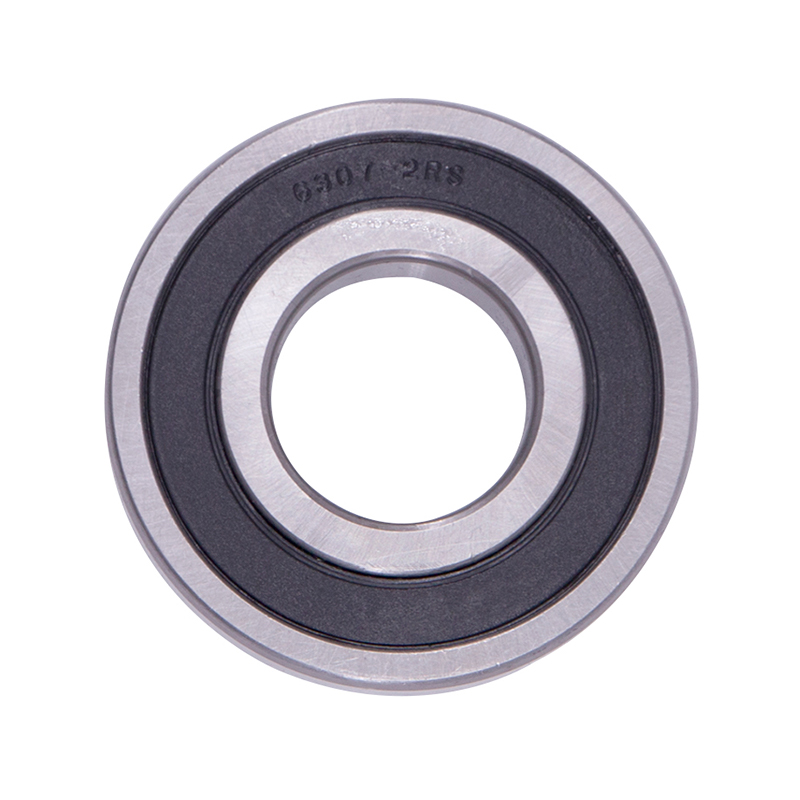 Wheel Hub Bearings
-
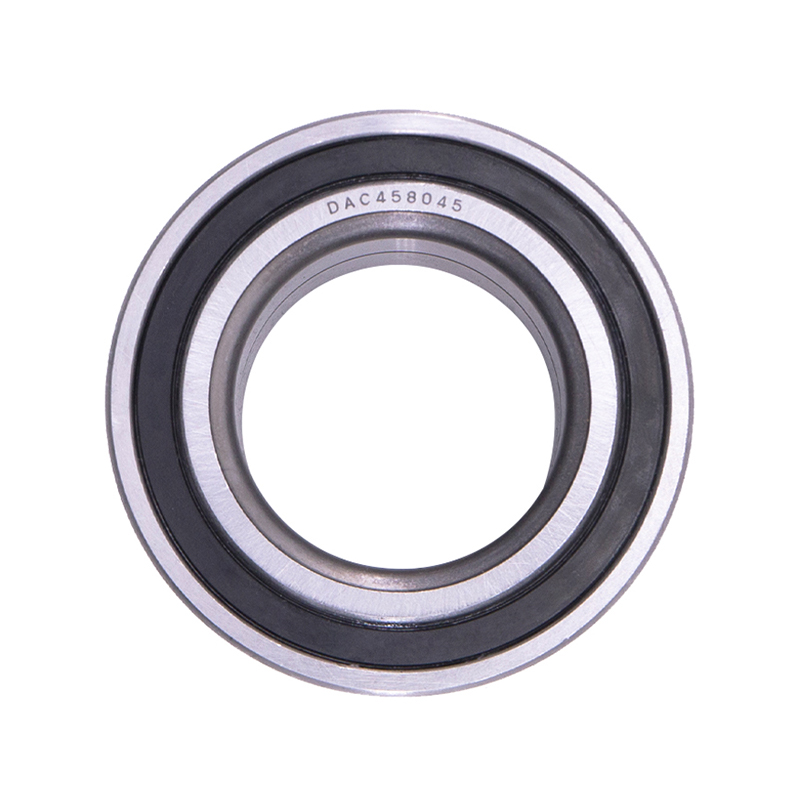 Wheel Hub Bearings
DAC387436 DAC458045 Hub Deep Groove Ball Car Wheel Bearing
-
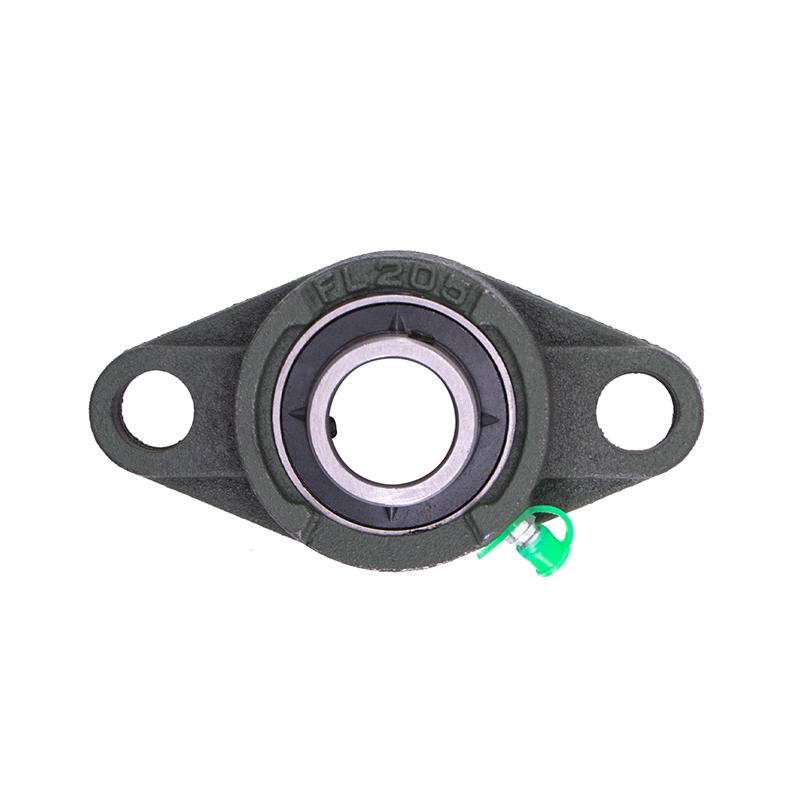 Spherical Bearings
FL204 FL205 FL206 Stainless Steel Pillow Block Bearing
-
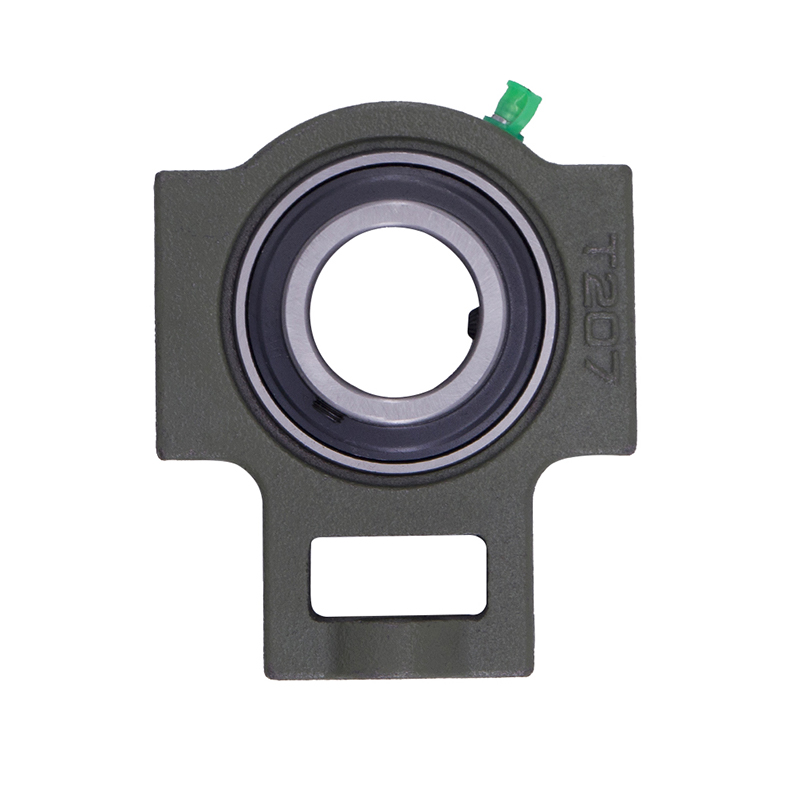 Spherical Bearings
T204 T207 UC204 High Speed Insert Pillow Block Bearing
-
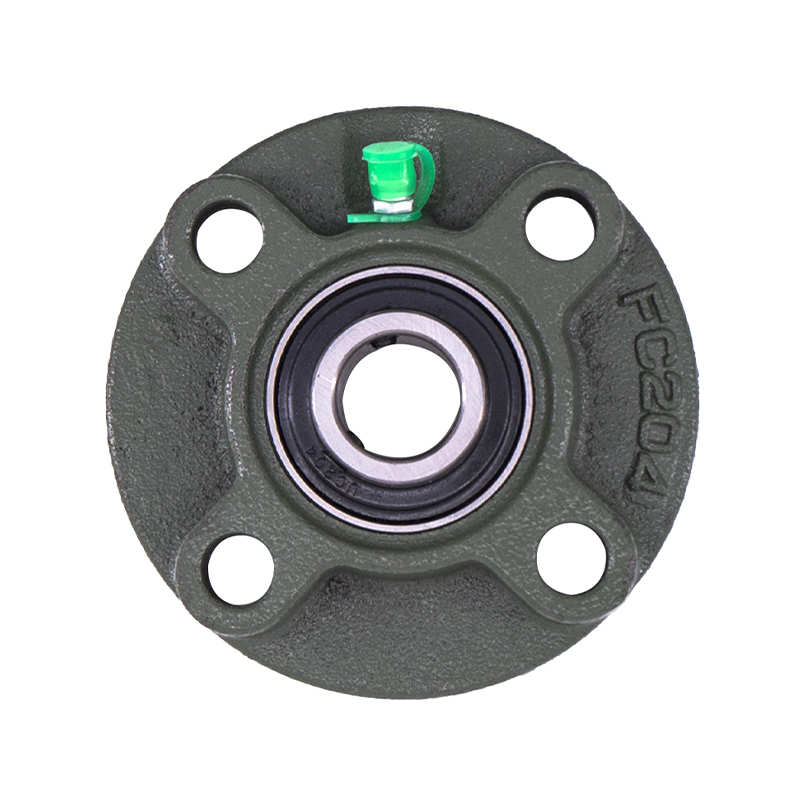 Spherical Bearings
FC204 F210 Auto Wheels Bike Pillow Block Bearing
-
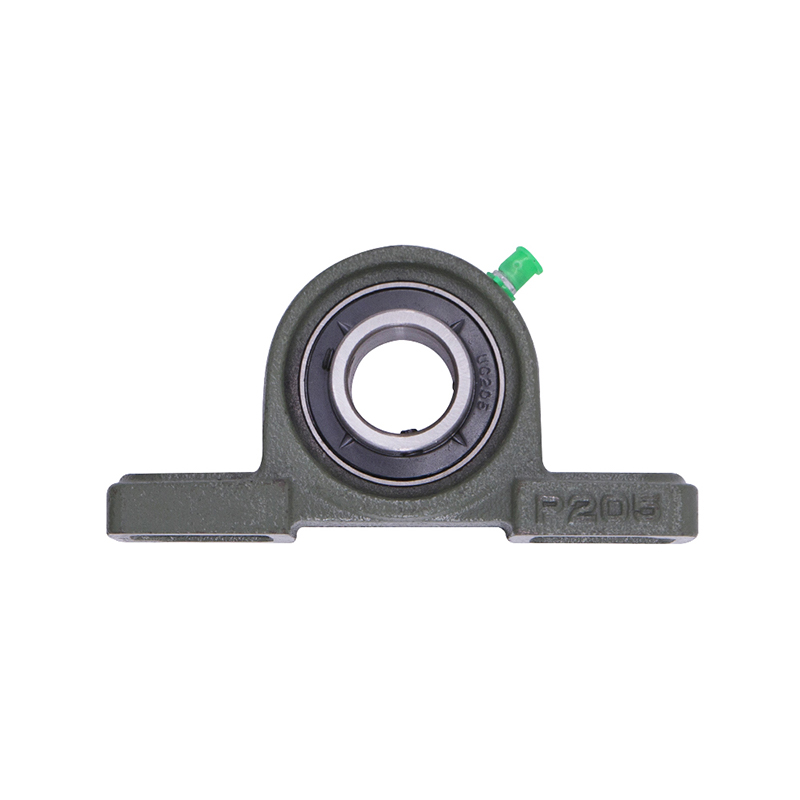 Spherical Bearings
P207 206 205 203 High Precision Wheel Pillow Block Bearing
-
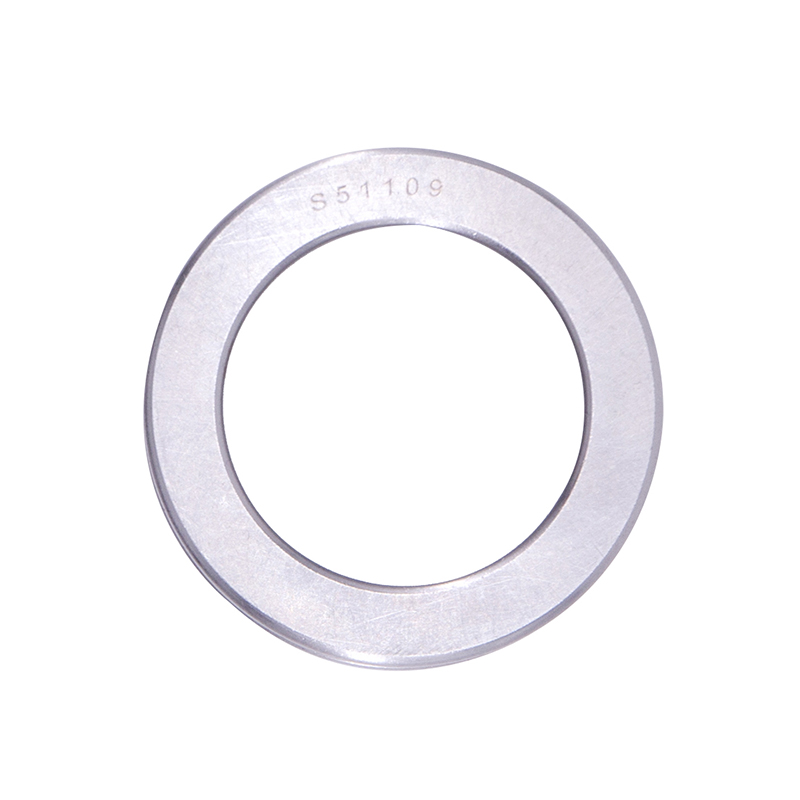 Thrust Roller Bearings
S51100 S51107 S51109 Car Wheel Plain Thrust Ball Bearing
-
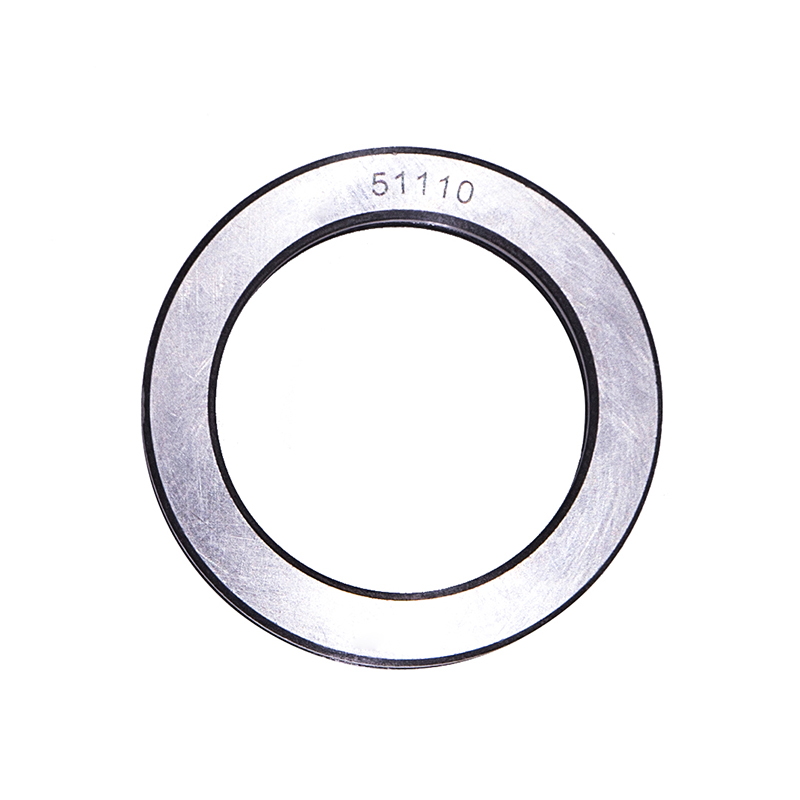 Thrust Roller Bearings
51110 51107 51104 51206 High Speed Plain Thrust Ball Bearing
Can Bearing Batch Records Reveal Quality Risks Before Shipment
Industry news-A bearing shipment can look consistent from the outside, yet differences in material condition, dimensional accuracy, internal clearance, or assembly quality may remain unnoticed without suitable inspection evidence. For industrial buyers, reviewing batch records before dispatch provides a practical way to identify specification gaps before products arrive at a warehouse or production facility.
At Delian, we recognize that dependable bearing procurement involves more than confirming a model number and shipment quantity. Buyers also need verifiable information connecting the ordered product with its manufacturing batch and inspection results. A well-organized quality record helps purchasing teams assess whether a shipment meets the agreed requirements and whether any unresolved deviations need attention before release.
Our approach to deep groove ball bearing procurement emphasizes clear specifications, traceable inspection information, and communication between the supplier and customer. The following guide explains which batch records deserve attention, how to interpret technical data, and which warning signs should prompt further verification.

1. Why Batch Records Matter Before Dispatch
A batch record documents relevant production and inspection information for a defined group of bearings. Its value depends on whether the recorded results can be connected to the actual goods prepared for shipment.
Reviewing this information before dispatch helps buyers address several procurement concerns:
- Specification conformity: Confirm that the recorded product dimensions, clearance class, seals, shields, and other ordered characteristics match the purchase requirements.
- Production consistency: Compare inspection results across samples or batches to identify unusual variation that deserves investigation.
- Material traceability: Check whether relevant material certificates and production records can be associated with the supplied batch.
- Shipment identification: Verify that batch numbers on inspection documents correspond with package labels and shipping records.
- Dispute prevention: Establish a documented reference for resolving questions about conformity, acceptance, or replacement.
A completed inspection sheet does not automatically establish product conformity. Buyers should examine the actual measurements, applicable acceptance limits, inspection methods, and identification details rather than relying solely on a statement that the goods have passed inspection.
2. Which Quality Records Should Buyers Request?
The required documentation depends on the bearing design, intended application, contractual requirements, and agreed inspection plan. Standard commercial orders may require a concise inspection summary, while customized or safety-critical applications can call for more detailed evidence.
Essential Documents for a Bearing Shipment
| Document | Information to Review | Potential Risk Identified |
| Dimensional inspection report | Bore diameter, outside diameter, width, and applicable tolerances | Incorrect fit or dimensional nonconformity |
| Internal clearance record | Specified clearance class and measured results, where applicable | Mismatch with operating and installation requirements |
| Material certificate | Material grade and traceable heat or material batch reference, as applicable | Unverified material identity |
| Hardness or heat-treatment record | Applicable test results, process identification, and acceptance criteria | Unresolved material-condition concerns |
| Functional inspection report | Rotation condition, noise, vibration, or other specified tests | Abnormal running characteristics |
| Certificate of conformity | Product designation, purchase order, batch identification, and compliance statement | Unclear connection between requirements and supplied goods |
| Packing and shipment record | Quantity, package labels, preservation measures, and shipment references | Identification errors or inadequate protection |
Not every bearing order requires every document listed above. At Delian, we recommend agreeing on the inspection scope and required records during quotation or order confirmation, particularly for repeat orders and projects with formal quality requirements.
3. Check Dimensional Results Against the Actual Specification
Dimensional inspection is a key part of bearing acceptance because even a small deviation can affect shaft fit, housing fit, installation conditions, and operating behavior. However, a measurement has limited value without the applicable tolerance and a clearly identified measuring method.
Important Dimensions for Deep Groove Ball Bearings
- Bore diameter (d): The inner-ring dimension that interfaces with the shaft.
- Outside diameter (D): The outer-ring dimension associated with the housing fit.
- Width (B): The bearing width, which affects axial space and assembly positioning.
- Radial internal clearance: The internal movement available between the rings before installation and under the specified measurement conditions.
- Runout or running accuracy: Relevant measurements used to evaluate rotational accuracy according to the agreed requirements.
Consider a 6204 deep groove ball bearing as an illustrative example. Its nominal boundary dimensions are commonly 20 mm bore diameter, 47 mm outside diameter, and 14 mm width. These figures identify the basic size, but they do not establish the complete acceptance criteria for every order.
| Inspection Item | Illustrative Reference | Buyer Verification |
| Bore diameter | 20 mm nominal | Compare the measured value with the applicable tolerance |
| Outside diameter | 47 mm nominal | Confirm the required dimensional class |
| Width | 14 mm nominal | Check the drawing or applicable dimensional standard |
| Clearance | Specified class, such as CN or C3 | Verify the ordered class and inspection requirements |
| Sealing arrangement | Open, ZZ, or 2RS configuration | Confirm the ordered construction and product marking |
These nominal dimensions are reference values, not universal acceptance limits. The applicable tolerances depend on the bearing specification and precision class. Buyers should consult the relevant drawing, product documentation, or applicable standard rather than applying an arbitrary numerical threshold to every model.
4. Identify Warning Signs in Batch Inspection Reports
Quality risks are not always indicated by an obviously failed measurement. Missing identifiers, incomplete test results, and unexplained differences between records can also weaken the evidence supporting a shipment release.
Five Issues Worth Investigating
- Missing batch numbers: The report cannot be clearly linked to the cartons or products being shipped.
- Unexplained specification changes: The report references a different clearance class, seal arrangement, material grade, or drawing revision from the purchase order.
- Incomplete measurement data: A report states that dimensions passed but provides no measured values, tolerance limits, or sampling details despite these being required by the inspection plan.
- Unresolved deviations: A recorded result falls outside the agreed acceptance criteria, but no disposition or corrective action is documented.
- Inconsistent quantities: The inspection report, packing list, and purchase order show different quantities without an explanation.
Any of these findings warrants clarification rather than an immediate assumption that the entire batch is defective. The supplier should explain the discrepancy, provide supporting evidence, and establish whether the affected goods satisfy the agreed requirements. Shipment release should follow the applicable acceptance procedure.
5. Review Material and Manufacturing Traceability
Dimensional compliance is only one aspect of bearing quality. Material condition, heat treatment, raceway finishing, rolling-element condition, lubrication, and assembly can influence bearing behavior under load and during continuous rotation.
Material and process records are particularly useful for applications involving repeated operation, elevated temperatures, or demanding load conditions. Their relevance depends on the bearing type and the agreed quality plan.
Questions to Ask About Production Records
- Can the material documentation be connected to the relevant production batch?
- Are applicable hardness and heat-treatment results available for review?
- Do the inspection records identify the relevant product model and production date or batch?
- Are nonconforming products segregated and documented according to the supplier's procedures?
- Can the supplier explain how inspection results are reviewed before the shipment is approved?
Material certification alone cannot confirm the quality of a finished bearing. Similarly, a dimensional report does not independently verify material composition or heat-treatment condition. These records serve different purposes and should be reviewed together according to the risks associated with the application.
6. Connect Quality Documentation with Pre-Shipment Inspection
Pre-shipment inspection brings product verification and document review together before the goods leave the manufacturing facility. A practical review should cover the ordered model, quantity, physical condition, required test results, packaging, and shipment identification.
At Delian, we encourage buyers to establish clear acceptance requirements before production begins. This gives both parties a shared reference for inspection and helps avoid disagreements caused by undocumented expectations.
A Practical Pre-Shipment Checklist
- Match the purchase order with the product model and agreed technical specification.
- Review the required dimensional, clearance, and functional inspection results.
- Confirm that material or process records are available wherever the order requires them.
- Check that batch identification remains consistent across reports, labels, and packing documents.
- Inspect packaging, corrosion protection, and handling arrangements against the agreed shipping requirements.
- Document outstanding discrepancies and obtain an agreed resolution before authorizing release.
The inspection plan should also define the sampling method and acceptance criteria. Sampling can provide useful evidence of batch conformity, but it does not mean that every individual bearing has been measured. A requirement for all inspection must be stated and verified separately where applicable.
7. Build a Repeatable Quality Review Process with Delian
Long-term bearing procurement depends on consistent specifications and records that remain useful across successive orders. A structured review process helps purchasing, engineering, and quality teams compare shipments without relying solely on supplier assurances or previous delivery experience.
Our recommended approach includes several practical measures:
- Maintain an approved specification: Record the model, dimensions, precision class, clearance, sealing arrangement, and other application-specific requirements.
- Define documentation requirements: Specify the reports, certificates, traceability details, and inspection scope expected with each order.
- Retain historical records: Compare relevant results across shipments to identify unexplained changes in measurements or product configuration.
- Establish a deviation procedure: Define how discrepancies are reported, investigated, corrected, and approved before shipment.
- Review supplier communication: Confirm that technical questions receive clear, documented answers and that any approved specification changes are recorded.
These measures create a more transparent purchasing process and support better coordination between the supplier and the buyer. They also provide a practical reference for investigating complaints or evaluating future orders.
Make Batch Evidence Part of the Buying Decision
Batch records can reveal quality risks before shipment, provided the information is complete, relevant, and connected to the actual goods. Dimensional measurements, internal clearance records, material documentation, functional inspection results, and package identification each contribute a different part of the quality picture.
At Delian, we encourage industrial buyers to discuss inspection expectations and traceability requirements before confirming an order. Clear acceptance criteria, consistent batch identification, and documented resolution of discrepancies help both parties manage procurement risk with greater confidence.
Planning a new bearing purchase or reviewing an existing supply arrangement? Contact Delian through bearing-manufacturer.com to discuss your application, technical specifications, and quality documentation requirements. A clearly defined inspection plan gives your purchasing team a practical basis for evaluating each shipment before dispatch.
Our Product//
Related Product
If you are interested in our products, please consult us
Contact Details
- Address: 1377-13 Yinhai International, Jinhua, Zhejiang, China
- Fax: 0086-0319-8544668
- Tel: +86-15215868236
+86-15833609668 - Email: [email protected]
Products
Quick Link
News Center
Mobile terminal
Copyright © Yiwu Delian Bearing Co., Ltd. ALL RIGHTS RESERVED.
