
 English
 русский
 Español

-
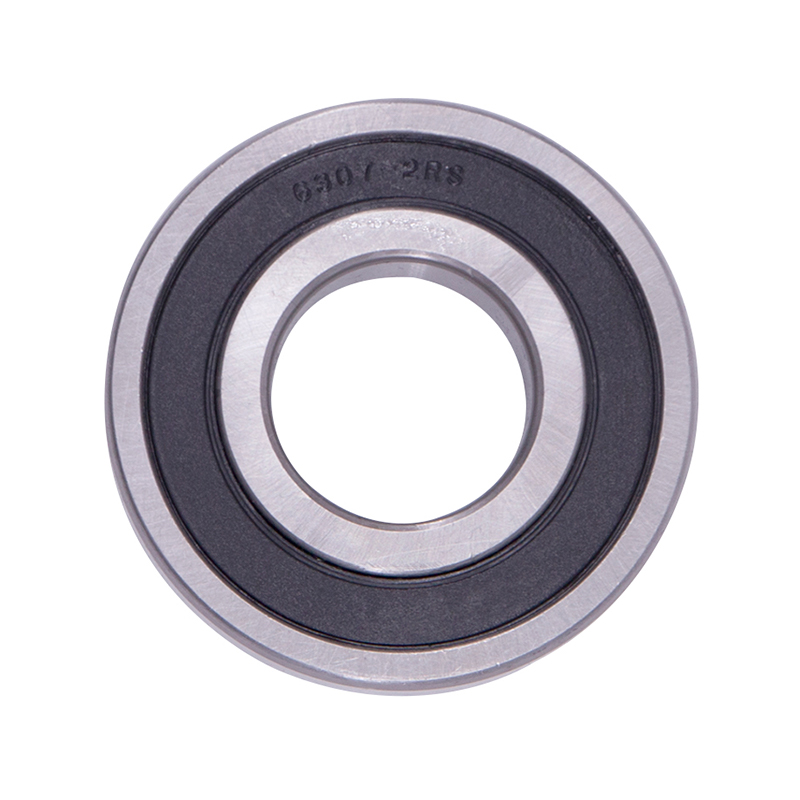 Wheel Hub Bearings
-
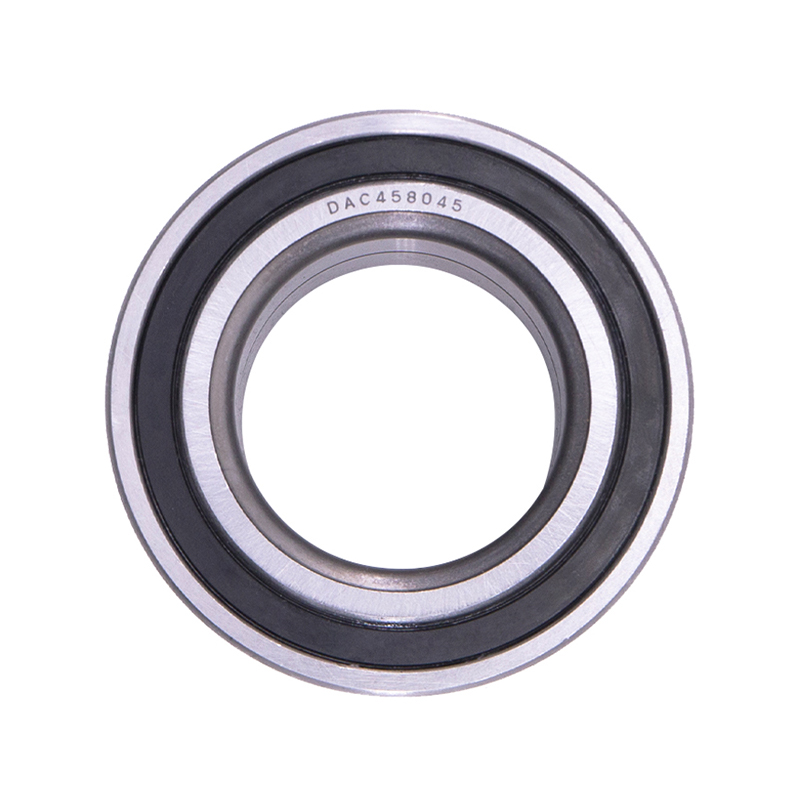 Wheel Hub Bearings
DAC387436 DAC458045 Hub Deep Groove Ball Car Wheel Bearing
-
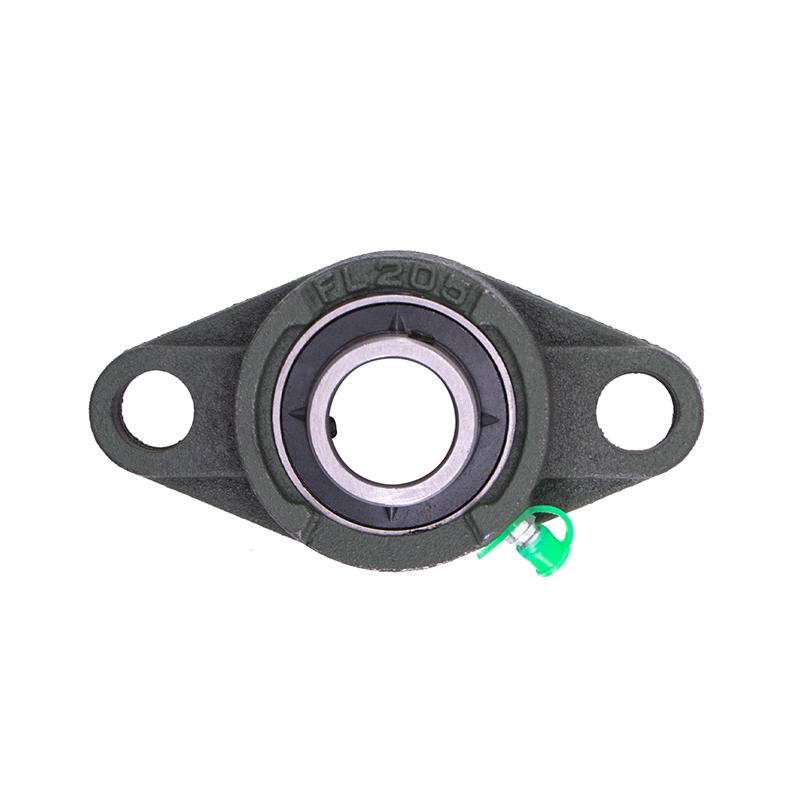 Spherical Bearings
FL204 FL205 FL206 Stainless Steel Pillow Block Bearing
-
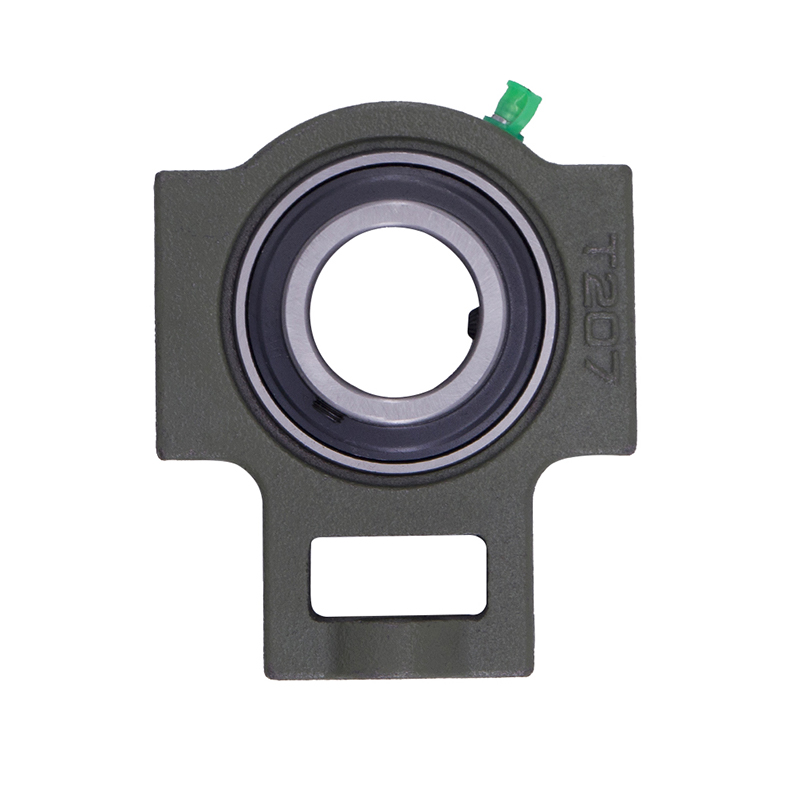 Spherical Bearings
T204 T207 UC204 High Speed Insert Pillow Block Bearing
-
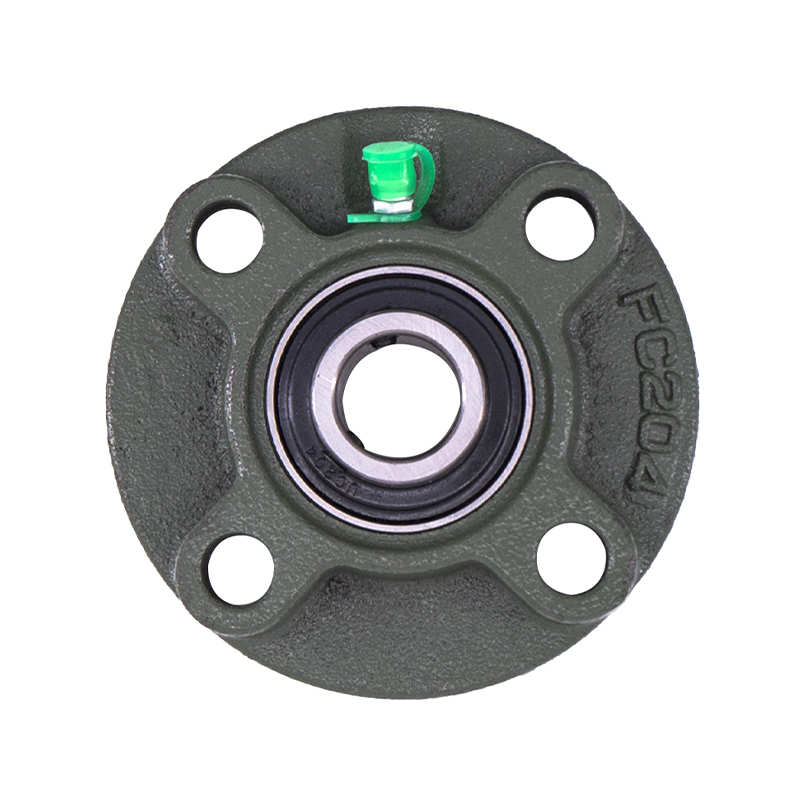 Spherical Bearings
FC204 F210 Auto Wheels Bike Pillow Block Bearing
-
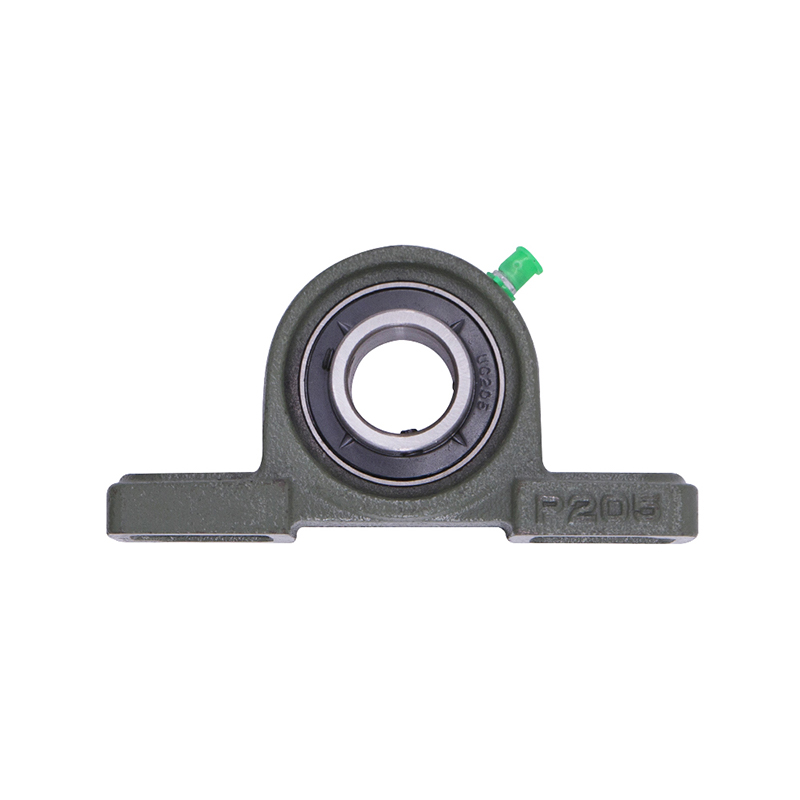 Spherical Bearings
P207 206 205 203 High Precision Wheel Pillow Block Bearing
-
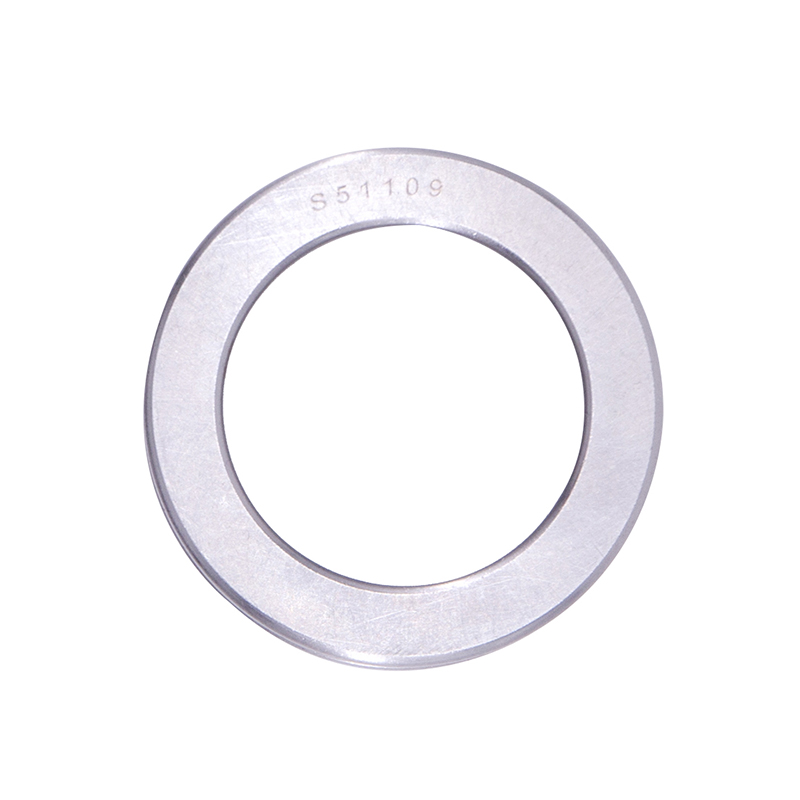 Thrust Roller Bearings
S51100 S51107 S51109 Car Wheel Plain Thrust Ball Bearing
-
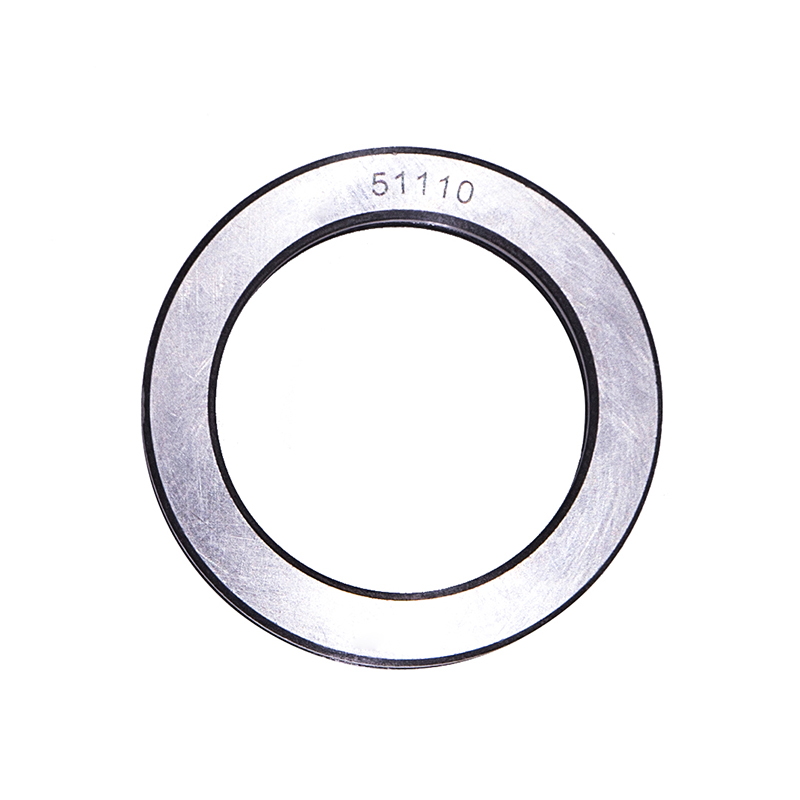 Thrust Roller Bearings
51110 51107 51104 51206 High Speed Plain Thrust Ball Bearing
Double Angular Contact Ball Bearing or Matched Pair: Which Fits Your Design
Industry news-Choosing an angular contact bearing arrangement involves more than comparing dimensions or purchase prices. The bearing structure determines how radial and axial loads are supported, how the shaft responds to overturning moments, and how much space the assembly requires. For equipment designers and purchasing teams, understanding these differences helps prevent specification mismatches before production begins.
At Delian, we work with bearing requirements across different industrial applications. A double angular contact ball bearing integrates two rows of balls into a single bearing unit, while a matched pair consists of two individual single-row angular contact ball bearings installed in a defined arrangement. Although both configurations can support combined loads, their structural characteristics and design flexibility are different.

1. Understanding the Two Bearing Configurations
Double-Row Angular Contact Ball Bearings
A double-row angular contact ball bearing contains two rows of balls within an integrated ring structure. Depending on the specific design, it can accommodate radial loads and axial loads acting in both directions.
This construction is useful for applications that require a compact bearing position and straightforward installation. Typical applications include:
- Industrial pumps and electric motors
- Gearboxes and transmission assemblies
- Compact rotating equipment
- Machinery requiring bidirectional axial support
Matched-Pair Angular Contact Ball Bearings
A matched pair combines two single-row angular contact ball bearings manufactured or supplied for use together. Their mounting orientation determines the resulting load-support characteristics. Buyers should not assume that two ordinary bearings with identical model numbers automatically form a suitable matched pair.
Three common arrangements are available:
- Back-to-back (DB): Supports axial loads in both directions and provides a relatively wide effective support span for resisting overturning moments.
- Face-to-face (DF): Supports axial loads in both directions, with a smaller effective support span than a comparable back-to-back arrangement.
- Tandem (DT): Places both bearings in the same load direction to share axial load; additional support is needed for axial forces acting in the opposite direction.
2. Key Differences for Equipment Designers
The appropriate configuration depends on the machine layout, load direction, installation space, precision requirements, and operating conditions.
| Comparison Item | Double-Row Bearing | Matched Pair |
| Construction | One integrated bearing unit | Two individual single-row bearings |
| Axial load support | Typically supports both directions | Depends on DB, DF, or DT arrangement |
| Installation space | Often more compact axially | Usually requires space for two bearings |
| Arrangement flexibility | Defined by the bearing's internal design | Allows different mounting configurations |
| Preload adjustment | Depends on the available design and specification | Offers greater flexibility in engineered bearing arrangements |
| Moment resistance | Depends on internal geometry and load ratings | Influenced by arrangement, support span, and preload |
| Replacement considerations | Requires verification of the complete bearing designation | Requires verification of both bearings and their matching arrangement |
These comparisons describe general design tendencies rather than universal performance guarantees. Actual load capacity, limiting speed, rigidity, and service life must be evaluated using the manufacturer's technical data for the specified bearing.
3. Which Design Factors Should Guide Your Decision?
Load Direction and Magnitude
Start by identifying the radial load and the axial forces acting on the shaft. A double-row bearing may suit a fixed bearing position exposed to axial loads in both directions. A matched pair provides additional options for applications involving heavy one-direction thrust or specific combinations of radial and axial loads.
Rigidity and Positioning Accuracy
Machine tool spindles, precision rotary assemblies, and similar equipment may require controlled axial movement and high stiffness. A back-to-back matched pair can provide a wide effective support span, which helps resist tilting moments. The actual result depends on bearing spacing, preload, shaft and housing rigidity, and operating conditions.
Available Installation Space
Compact equipment may benefit from an integrated double-row design because it combines two ball rows within a single bearing assembly. A matched pair requires room for both bearings and the associated mounting arrangement. However, the final dimensional comparison should use actual catalogue drawings rather than general assumptions about bearing width.
Speed and Operating Temperature
Preload, lubrication, cage design, fit, and heat generation all influence operating performance. Excessive preload can increase friction and temperature, while unsuitable clearance or mounting conditions may affect shaft positioning. Buyers should verify permissible speed and preload specifications against the intended duty cycle.
4. Technical Details to Confirm Before Ordering
At Delian, we recommend confirming the following information before requesting a quotation or approving a bearing substitution:
- Basic dimensions: Bore diameter, outside diameter, and bearing width.
- Load requirements: Radial load, axial load in each direction, and any significant moment load.
- Contact angle: The required angle according to the load balance and bearing design.
- Precision and clearance: Required accuracy class and applicable internal clearance or preload specification.
- Lubrication and protection: Grease requirements, cage material, and open, shielded, or sealed construction where available.
- Mounting configuration: Integrated double-row unit or matched DB, DF, or DT pair.
For replacement projects, the existing part number alone may not provide enough information. The original arrangement, shaft and housing dimensions, operating speed, and load direction should also be checked before confirming interchangeability.
5. How Delian Supports Bearing Specification Reviews
Clear technical communication helps equipment manufacturers, distributors, and industrial buyers reduce ordering errors. Delian encourages customers to provide drawings, existing bearing references, operating conditions, and expected quantities during the quotation process.
This information allows the required bearing configuration to be assessed against the application rather than relying on product names alone. It also helps clarify whether a proposed alternative requires changes to mounting dimensions, preload, or the surrounding shaft and housing design.
Our recommended purchasing process includes:
- Reviewing the complete bearing designation and dimensional requirements.
- Confirming the load directions and mounting arrangement.
- Checking applicable precision, clearance, and lubrication requirements.
- Comparing technical documentation before approving a substitute.
- Clarifying packaging, inspection documentation, and order requirements before shipment.
A double-row angular contact bearing is generally suited to applications that favor an integrated construction and compact mounting, while a matched pair offers greater flexibility in arrangement, preload, and application-specific load support. Neither design is automatically interchangeable with the other.
At Delian, we encourage buyers to evaluate the complete bearing arrangement alongside dimensional requirements, operating loads, speed, and installation conditions. Share your application details or existing bearing designation with our team through bearing-manufacturer.com to discuss the technical requirements and identify a suitable configuration for your equipment.
Our Product//
Related Product
If you are interested in our products, please consult us
Contact Details
- Address: 1377-13 Yinhai International, Jinhua, Zhejiang, China
- Fax: 0086-0319-8544668
- Tel: +86-15215868236
+86-15833609668 - Email: [email protected]
Products
Quick Link
News Center
Mobile terminal
Copyright © Yiwu Delian Bearing Co., Ltd. ALL RIGHTS RESERVED.
