
 English
 русский
 Español
-
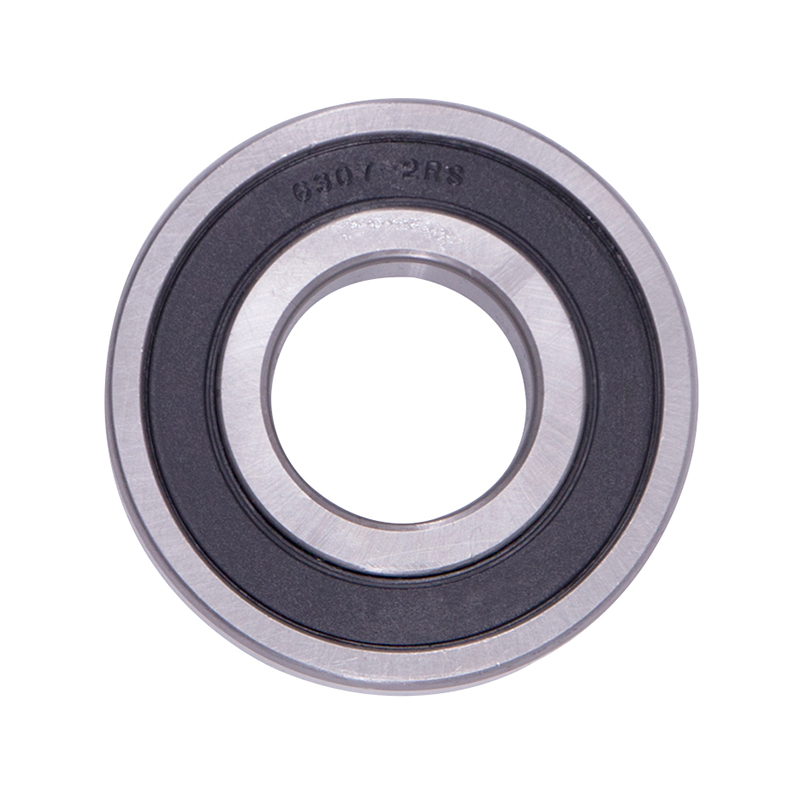 Wheel Hub Bearings
 -
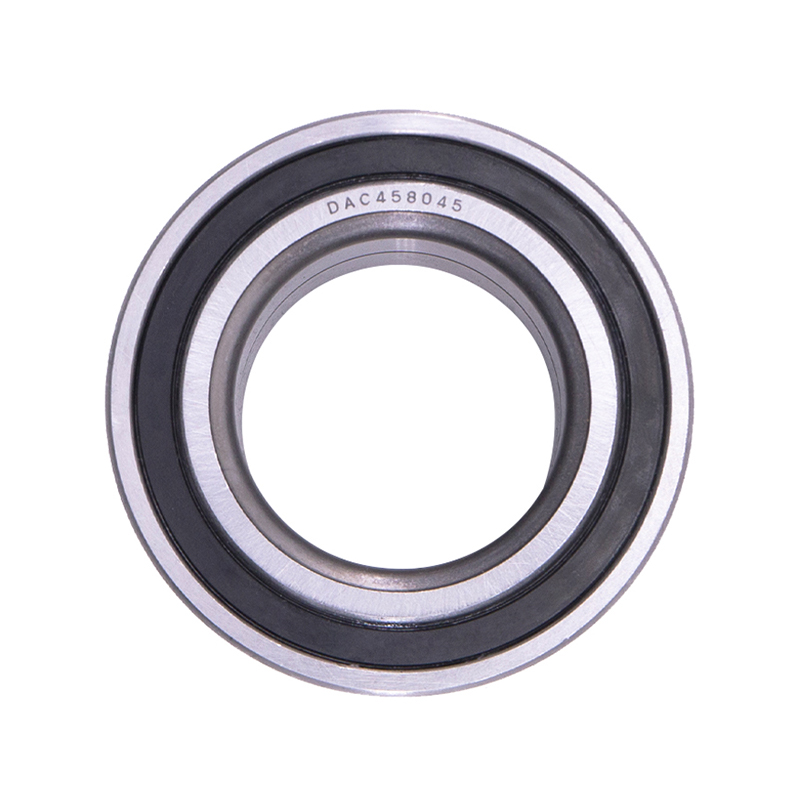 Wheel Hub Bearings
DAC387436 DAC458045 Hub Deep Groove Ball Car Wheel Bearing
-
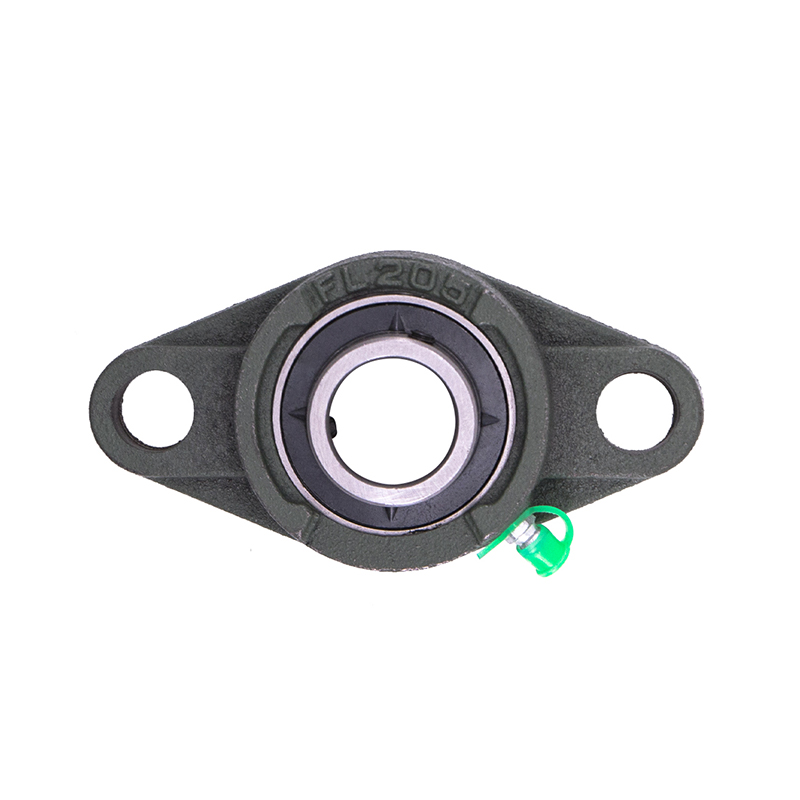 Spherical Bearings
FL204 FL205 FL206 Stainless Steel Pillow Block Bearing
-
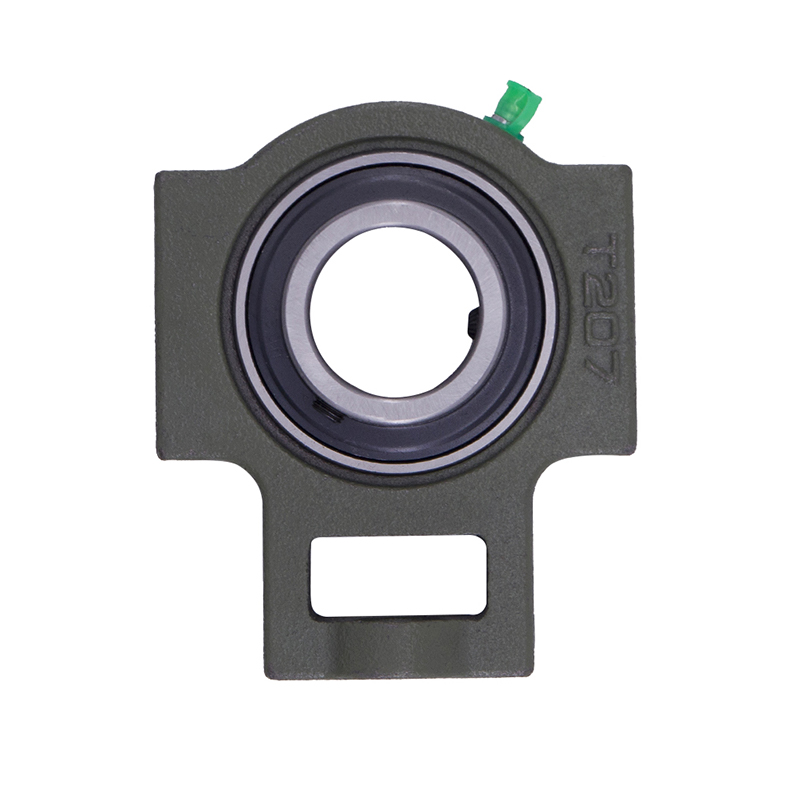 Spherical Bearings
T204 T207 UC204 High Speed Insert Pillow Block Bearing
-
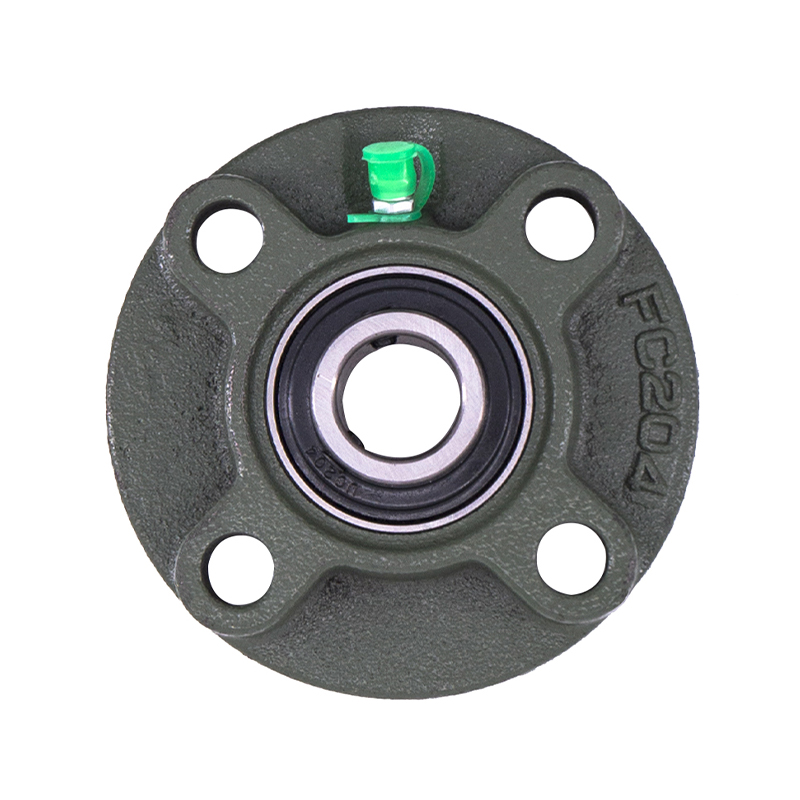 Spherical Bearings
FC204 F210 Auto Wheels Bike Pillow Block Bearing
-
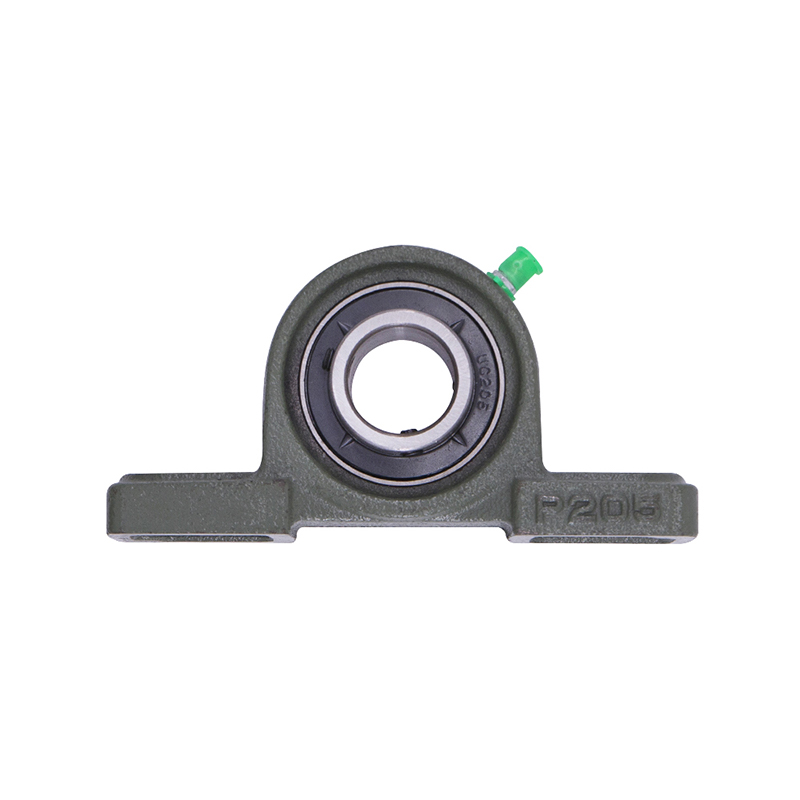 Spherical Bearings
P207 206 205 203 High Precision Wheel Pillow Block Bearing
-
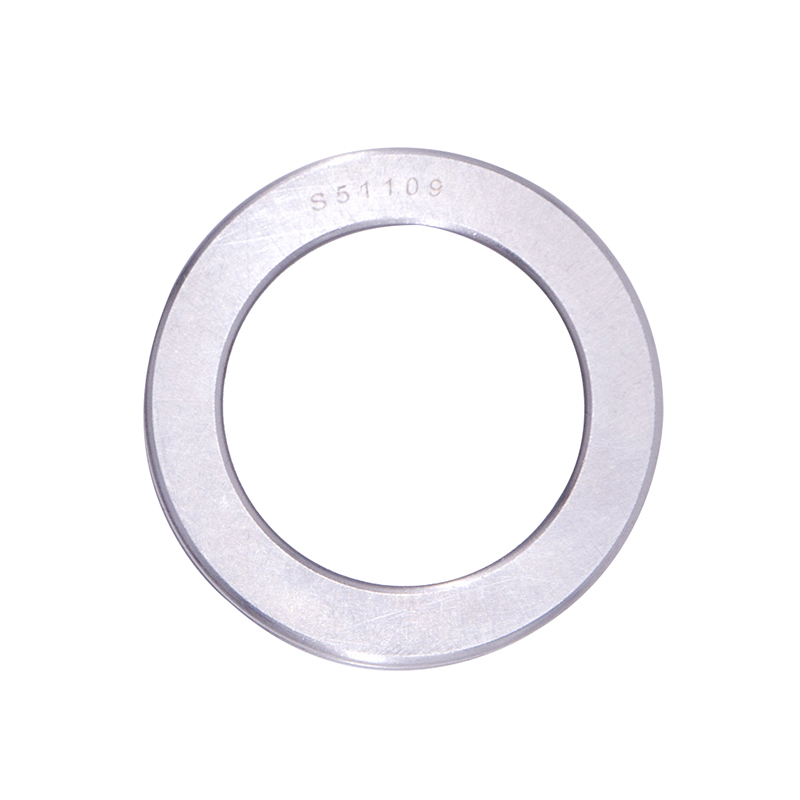 Thrust Roller Bearings
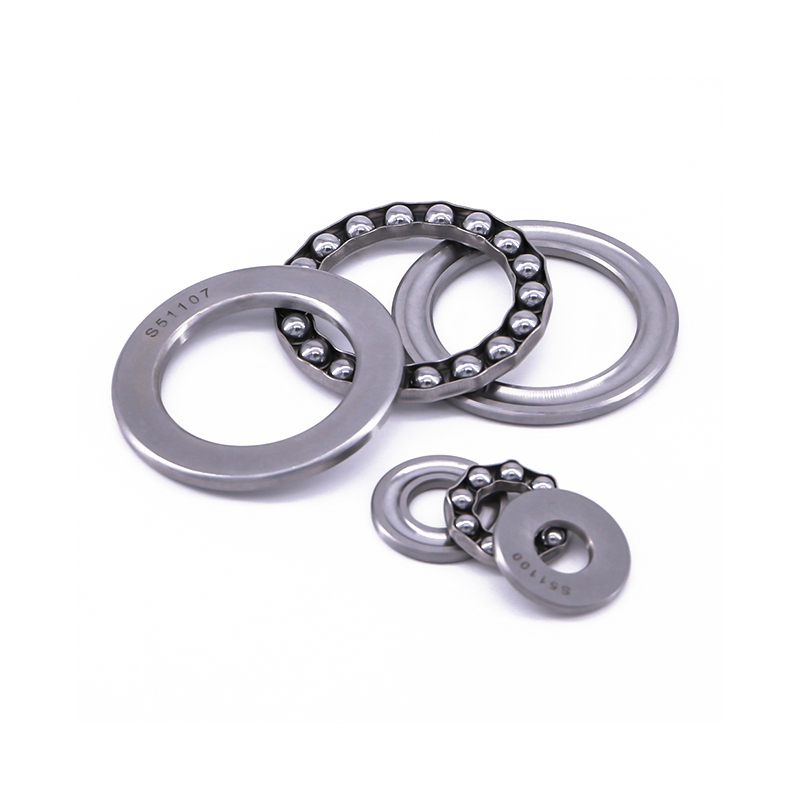
S51100 S51107 S51109 Car Wheel Plain Thrust Ball Bearing
-
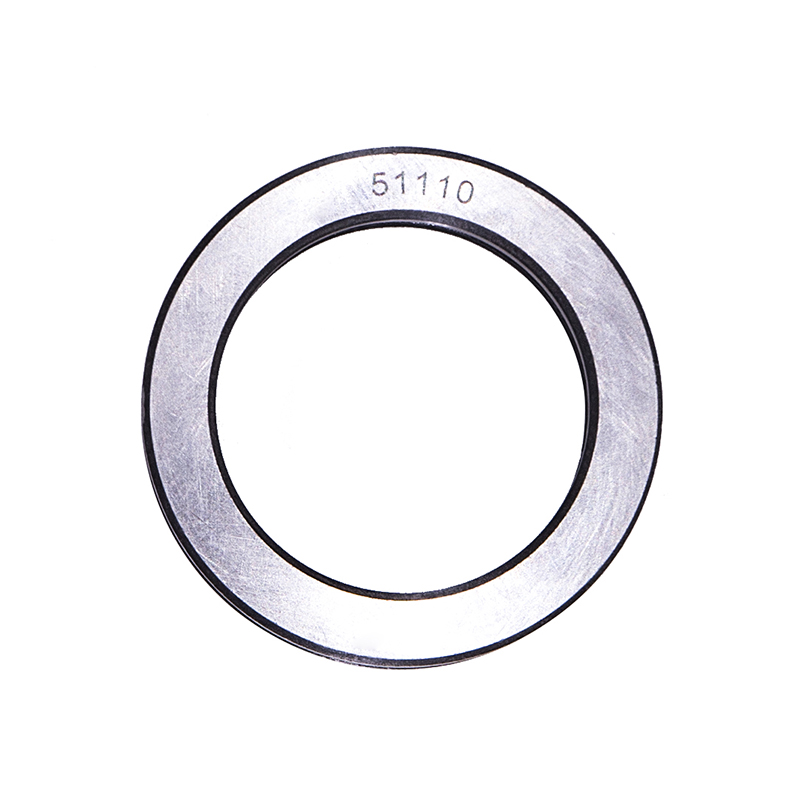 Thrust Roller Bearings
51110 51107 51104 51206 High Speed Plain Thrust Ball Bearing
Will a Replacement Spherical Bearing Match the Existing Housing
Industry news-Replacing a worn bearing may appear straightforward, especially when the original component is no longer available or its identification markings have become unreadable. However, a replacement that fits the shaft may still fail to fit the housing correctly. Differences in outside diameter, bearing width, internal construction, or mounting arrangements can affect installation and operating performance.
At Delian, we recommend checking the complete bearing specification before approving a replacement. Buyers searching for a double row spherical bearing should also verify the exact bearing family, since spherical roller bearings, self-aligning ball bearings, and spherical plain bearings have different constructions and application requirements. Similar terminology does not establish interchangeability.
1. Start by Identifying the Existing Bearing
The original bearing designation provides useful information about dimensions, internal design, clearance, seals, and other specifications. Record all visible markings before removing the component, and photograph the bearing and housing assembly where possible.
Useful identification details include:
- Complete model number: Record every suffix or modification code rather than copying only the basic series number.
- Bearing type: Determine whether the component is a spherical roller bearing, self-aligning ball bearing, spherical plain bearing, or another design.
- Manufacturer markings: Brand identifiers and production codes may help establish the original specification.
- Housing designation: Identify the housing separately from the bearing insert, particularly in mounted bearing assemblies.
- Application details: Record shaft speed, load direction, operating temperature, and any unusual vibration or alignment conditions.
Timken's bearing replacement guidance also recommends checking dimensions and distinctive construction details when identification markings cannot be read. These details help narrow the search, but the proposed replacement still requires verification against the relevant technical drawing.
2. Compare the Critical Dimensions
Dimensional compatibility is essential because the bearing must fit both the shaft and its supporting housing. A matching bore diameter alone does not prove that the replacement will fit the existing assembly.
| Dimension or Detail | What to Check | Potential Problem |
| Bore diameter (d) | Inner diameter and shaft fit | Excessive clearance or difficult installation |
| Outside diameter (D) | Bearing outer diameter and housing bore | Loose fit or interference during assembly |
| Bearing width (B) | Overall width and available axial space | Incorrect positioning or interference with adjacent parts |
| Shoulder and chamfer dimensions | Clearance around shaft and housing shoulders | Improper seating or contact with adjacent components |
| Retention arrangement | Grooves, locating rings, flanges, or other retaining features | Incompatible mounting or axial movement |
| Internal specifications | Clearance, load ratings, seals, and lubrication requirements | Unsuitable operating behavior despite dimensional similarity |
Use the manufacturer's dimensional drawing and the actual equipment drawing together. Nominal dimensions should be checked against the applicable tolerances, because the acceptable fit depends on the bearing design, shaft or housing material, loading conditions, and operating temperature.
3. Check the Housing Design and Fit
The housing supports the bearing and helps maintain the intended alignment under operating loads. Its bore geometry, surface condition, stiffness, and locating features can all affect the performance of a replacement component.
Housing Compatibility Checklist
- Bore condition: Inspect for wear, scoring, corrosion, ovality, or other damage that could affect the fit.
- Dimensional tolerance: Measure the housing bore and compare the result with the specified fit requirements.
- Shoulder geometry: Confirm that shoulders and corner clearances accommodate the replacement bearing.
- Retention features: Check locating rings, circlips, locking arrangements, and axial stops where applicable.
- Lubrication provisions: Verify compatibility with grease fittings, lubrication passages, seals, or other relevant components.
A replacement bearing should not be forced into a housing simply because its nominal outside diameter appears close to the original measurement. Excessive interference can damage components, while insufficient interference may permit unwanted movement. The correct fit must follow the bearing manufacturer's recommendations and the equipment's design requirements.
4. Verify Load Capacity and Operating Conditions
Dimensional matching is only part of replacement planning. The new bearing must also accommodate the application's radial and axial loads, rotational speed, misalignment, and lubrication conditions.
For spherical roller bearings, the internal roller arrangement and raceway geometry support heavy radial loads and, depending on the design, axial loads in both directions. Self-aligning ball bearings use two rows of balls and a spherical outer-ring raceway, while spherical plain bearings accommodate angular movement through sliding contact surfaces. These designs are not interchangeable simply because their names contain the word “spherical.”
Before approving an alternative, compare the following technical details:
- Basic dynamic and static load ratings.
- Permissible rotational speed under the intended lubrication conditions.
- Internal clearance or articulation requirements.
- Seal design and resistance to dust or moisture.
- Lubricant type, operating temperature, and expected duty cycle.
Any proposed change in bearing type should receive an engineering review, particularly where the assembly operates under heavy loads or requires precise shaft positioning.
5. What Should Buyers Send a Bearing Supplier?
Clear technical information helps Delian review replacement requirements and reduces uncertainty during quotation. Buyers do not need to rely on a model number alone, particularly when dealing with older machinery or undocumented assemblies.
Prepare the following information before requesting a replacement:
- The original bearing number, manufacturer marking, or available product photograph.
- Measured bore diameter, outside diameter, and width.
- Housing drawings or measurements, including retention details.
- Operating load, speed, temperature, and lubrication conditions.
- Required quantity, packaging preferences, and inspection documentation.
Delian can use these details to review the requested specification and clarify which additional measurements or technical documents are needed. A proposed alternative should be confirmed against the applicable product data before an order is finalized.
A replacement spherical bearing can match an existing housing, but compatibility depends on more than the shaft diameter or product name. Buyers should verify the bearing family, bore, outside diameter, width, fit tolerances, retention features, load ratings, and operating requirements before installation.
At Delian, we encourage equipment manufacturers, maintenance teams, and industrial distributors to provide the original model number, housing dimensions, or technical drawings during the quotation process. Contact our team through bearing-manufacturer.com to discuss your replacement requirements and review the specifications needed for a suitable bearing solution.
Our Product//
Related Product
If you are interested in our products, please consult us
Contact Details
- Address: 1377-13 Yinhai International, Jinhua, Zhejiang, China
- Fax: 0086-0319-8544668
- Tel: +86-15215868236
+86-15833609668 - Email: [email protected]
Products
Quick Link
News Center
Mobile terminal
Copyright © Yiwu Delian Bearing Co., Ltd. ALL RIGHTS RESERVED.
