
 English
 русский
 Español
-
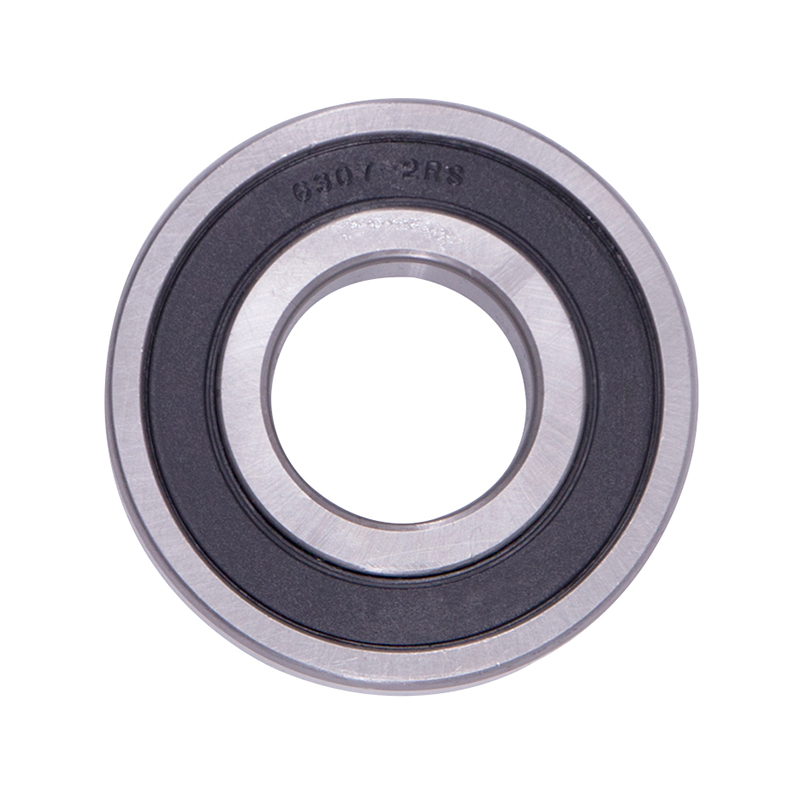 Wheel Hub Bearings
 -
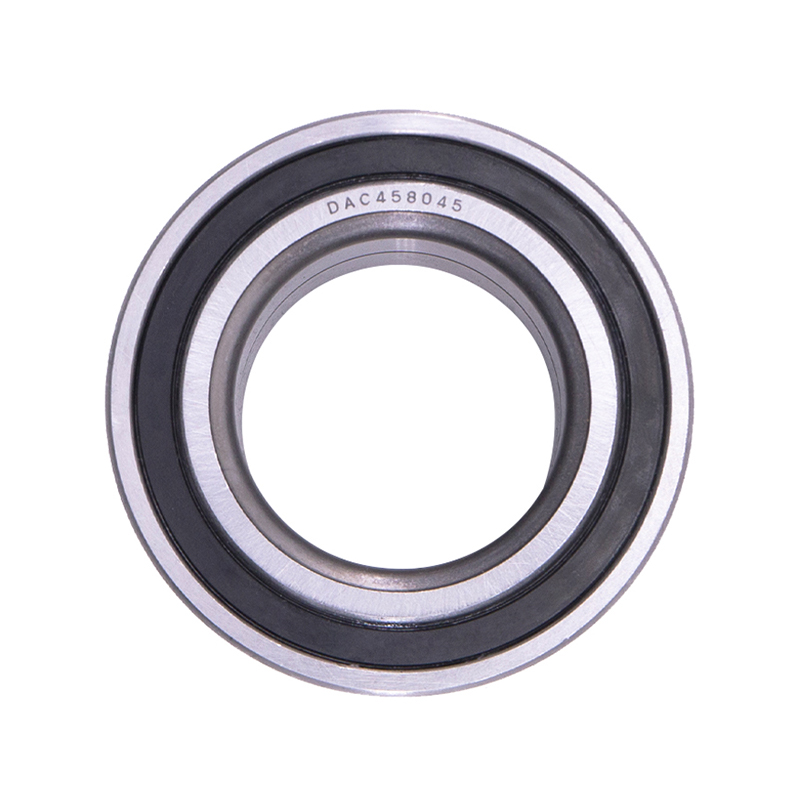 Wheel Hub Bearings
DAC387436 DAC458045 Hub Deep Groove Ball Car Wheel Bearing
-
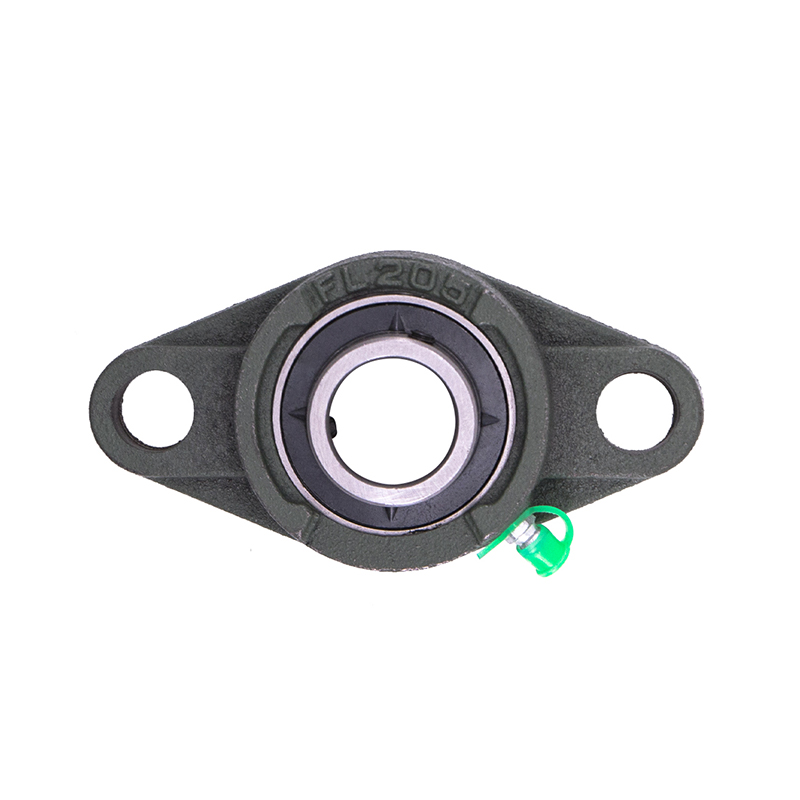 Spherical Bearings
FL204 FL205 FL206 Stainless Steel Pillow Block Bearing
-
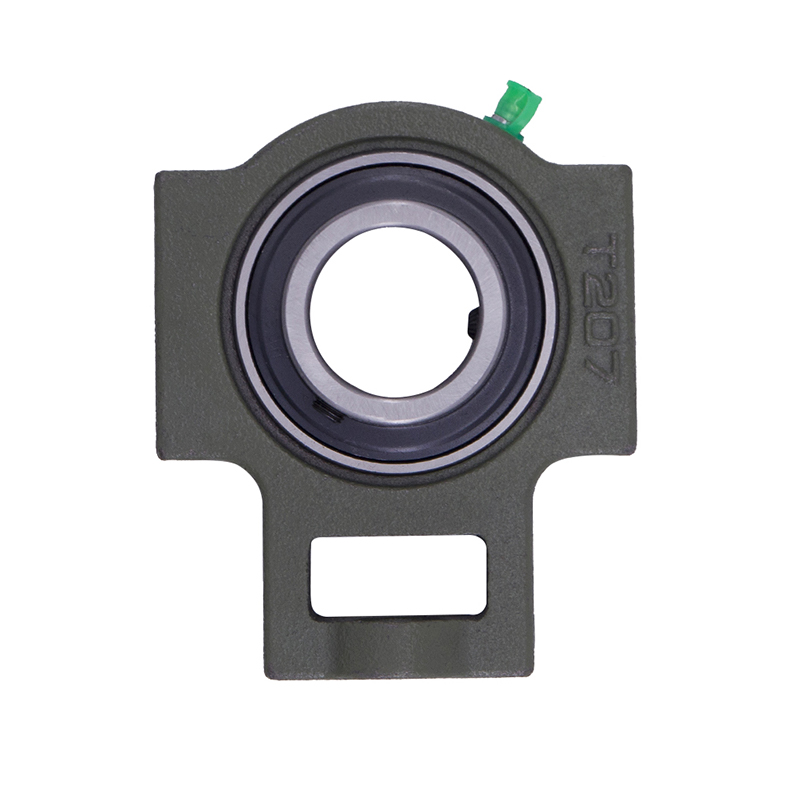 Spherical Bearings
T204 T207 UC204 High Speed Insert Pillow Block Bearing
-
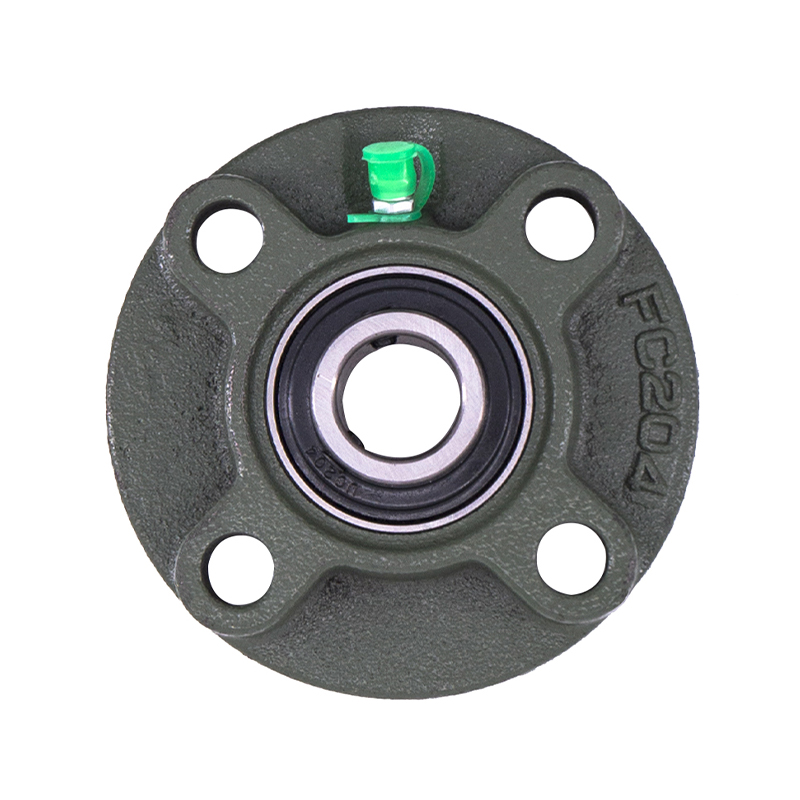 Spherical Bearings
FC204 F210 Auto Wheels Bike Pillow Block Bearing
-
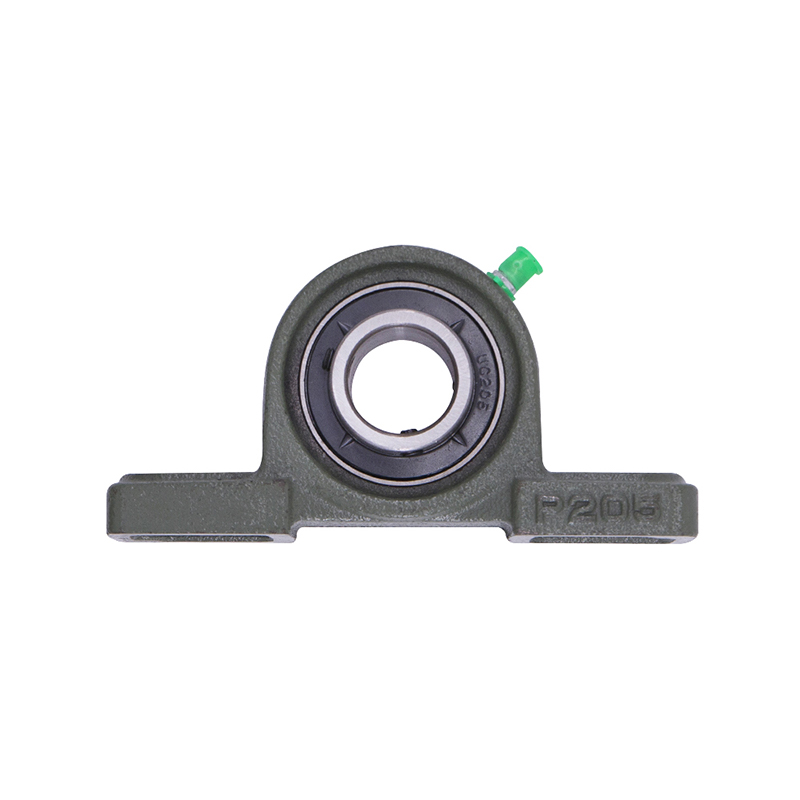 Spherical Bearings
P207 206 205 203 High Precision Wheel Pillow Block Bearing
-
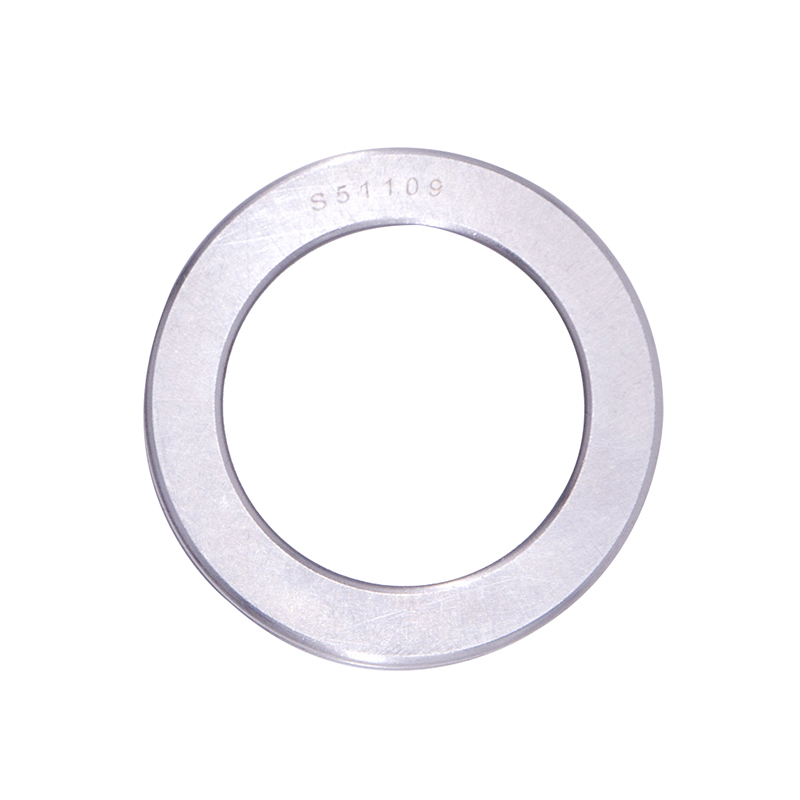 Thrust Roller Bearings
S51100 S51107 S51109 Car Wheel Plain Thrust Ball Bearing
-
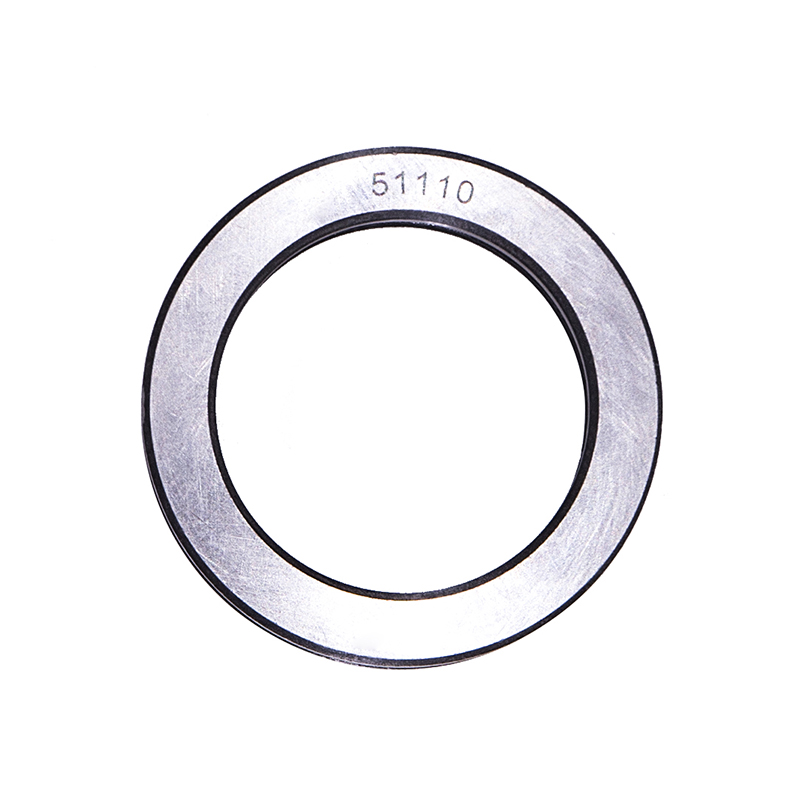 Thrust Roller Bearings
51110 51107 51104 51206 High Speed Plain Thrust Ball Bearing
Factory Audit or Sample Testing? What Should Buyers Verify First
Industry news-Choosing a bearing supplier involves two different questions: can the factory maintain consistent production quality, and does the actual product meet your technical requirements? A factory audit and sample testing provide different types of evidence. Relying on only one may leave important purchasing risks unresolved.
At Delian, we encourage overseas buyers to evaluate manufacturing capability and product conformity as separate but connected steps. Buyers searching for a bearing factory in China should review the supplier's quality management procedures, production equipment, inspection records, and sample performance before committing to a production order. The appropriate sequence depends on order complexity, customization requirements, and the consequences of a potential quality failure.
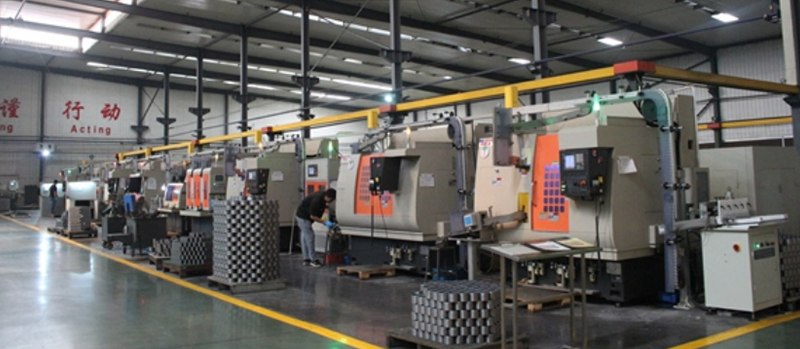
1. Factory Audits and Sample Testing Serve Different Purposes
What Does a Factory Audit Reveal?
A factory audit examines the systems and processes behind manufacturing. It helps buyers understand whether a supplier has the equipment, trained personnel, inspection procedures, and documentation needed to produce bearings according to agreed specifications.
During a bearing factory audit, buyers should examine:
- Production capability: Review relevant machining, grinding, assembly, and finishing processes.
- Quality management: Check inspection procedures, nonconformity handling, corrective actions, and document control.
- Measurement equipment: Verify that measuring instruments are suitable for the required tolerances and have appropriate calibration records.
- Material traceability: Examine how incoming materials and production batches are identified and recorded.
- Production planning: Confirm that available capacity and process arrangements match the proposed order.
What Does Sample Testing Confirm?
Sample testing evaluates physical products against defined requirements. Depending on the bearing type and application, the assessment may cover dimensions, internal clearance, rotation, noise, vibration, material properties, or other specified characteristics.
A sample can demonstrate that a particular product meets the tested requirements. However, it cannot independently prove that every unit in a future production batch will have identical characteristics. Buyers should therefore consider sample results alongside manufacturing controls and batch inspection procedures.
2. Which Verification Step Should Come First?
The order of verification should reflect the purchasing risk. Buyers sourcing standard catalogue bearings may begin with a technical sample and a review of supplier documentation. Projects involving custom dimensions, specialized materials, or demanding operating conditions may require a more detailed capability assessment before sample approval.
| Purchasing Situation | Recommended Initial Check | Follow-Up Action |
| Standard catalogue bearing | Review product specifications and sample availability | Verify sample dimensions and relevant quality records |
| Customized bearing design | Audit manufacturing capability and drawing review procedures | Test samples against the approved drawing |
| Large recurring order | Review production controls and capacity evidence | Validate samples and agree on batch inspection requirements |
| High-precision application | Check measurement capability and process controls | Conduct specified precision and functional tests |
| Replacement bearing project | Confirm the existing bearing designation and dimensions | Verify interchangeability and test the proposed replacement |
Neither approach should be treated as a universal rule. A sample may help clarify technical requirements before an audit, while an audit may identify manufacturing limitations that need to be resolved before sample production begins.
3. What Should Buyers Examine During Sample Testing?
Bearing samples should be evaluated against an agreed specification rather than judged by appearance or hand rotation alone. The inspection plan needs to identify the characteristics being tested, applicable acceptance limits, measurement methods, and sampling arrangements.
Key Technical Checks
- Dimensional accuracy: Measure bore diameter, outside diameter, and width against the applicable drawing and tolerance class.
- Internal clearance: Confirm the specified clearance class, such as CN or C3, where applicable.
- Running characteristics: Assess rotation, noise, vibration, or torque according to the product requirements.
- Material and hardness: Request relevant test reports or certificates where these properties form part of the specification.
- Seals and lubrication: Verify the ordered configuration and applicable lubrication requirements.
For example, a deep groove ball bearing intended for an electric motor may require particular attention to running noise and vibration. A bearing used in a heavily loaded industrial assembly may require closer review of load ratings, clearance, mounting fit, and material specifications. The inspection plan should reflect the intended application.
4. How Can Buyers Assess a Supplier's Manufacturing Capability?
A supplier's equipment list and quality certificate provide useful starting information, but actual production records offer stronger evidence of how processes are controlled. At Delian, we recommend asking for documentation that connects manufacturing procedures with measurable results.
Consider these verification points:
- Certification validity: Check the certificate number, issuing organization, validity period, and certified site or scope.
- Process inspection: Review incoming, in-process, and final inspection records relevant to the bearing being purchased.
- Equipment calibration: Confirm that measurement tools are maintained and suitable for the specified tolerances.
- Traceability: Ask how the supplier connects material batches, production records, inspection results, and finished-product labels.
- Corrective action: Review how defects are investigated, documented, and prevented from recurring.
ISO 9001 certification can indicate that a quality management system has been assessed against the standard, but it does not automatically certify every bearing model or guarantee that each shipment conforms to the buyer's specification. Product-specific evidence remains necessary.
5. Combine Audit Findings with a Controlled Trial Order
After reviewing the supplier and approving the sample, buyers can use a trial production order to evaluate how the supplier performs under actual purchasing conditions. This step provides additional evidence beyond a small sample evaluation.
A practical trial-order plan should include:
- An approved drawing and complete product designation.
- Written acceptance criteria and an agreed inspection plan.
- Documented batch identification and inspection reports.
- Confirmed packaging, labeling, and shipment requirements.
- A process for reporting discrepancies and approving corrective actions.
Buyers should compare the delivered products with the approved samples and specifications, then assess whether the documentation and shipment records meet the agreed requirements. A successful trial order supports supplier qualification, although ongoing monitoring may still be appropriate for recurring purchases.
6. How Delian Supports Bearing Procurement Reviews
At Delian, we believe effective supplier evaluation starts with clear technical requirements and documented expectations. Our discussions with buyers can cover bearing dimensions, application conditions, product configurations, inspection needs, and order-specific documentation.
To make the evaluation process more productive, buyers can prepare:
- The bearing model or technical drawing.
- Expected order quantity and purchasing schedule.
- Operating speed, load conditions, and required precision.
- Sample testing criteria and required quality documents.
- Any customization, packaging, or traceability requirements.
These details help establish a common technical reference before quotation, sampling, and production. They also make it easier to determine whether additional supplier verification or product testing is necessary for a particular project.
Factory audits and sample testing answer different questions. An audit evaluates manufacturing systems and process capability, while sample testing checks whether specific products meet defined technical requirements. A practical purchasing strategy combines both methods according to the bearing application, order value, and potential quality risks.
Contact Delian through bearing-manufacturer.com to discuss your bearing specifications, sample evaluation requirements, and supplier verification needs. Clear documentation and a structured qualification process can help your purchasing team make informed decisions before moving into regular production orders.
Our Product//
Related Product
If you are interested in our products, please consult us
Contact Details
- Address: 1377-13 Yinhai International, Jinhua, Zhejiang, China
- Fax: 0086-0319-8544668
- Tel: +86-15215868236
+86-15833609668 - Email: [email protected]
Products
Quick Link
News Center
Mobile terminal
Copyright © Yiwu Delian Bearing Co., Ltd. ALL RIGHTS RESERVED.
