
 English
 русский
 Español
-
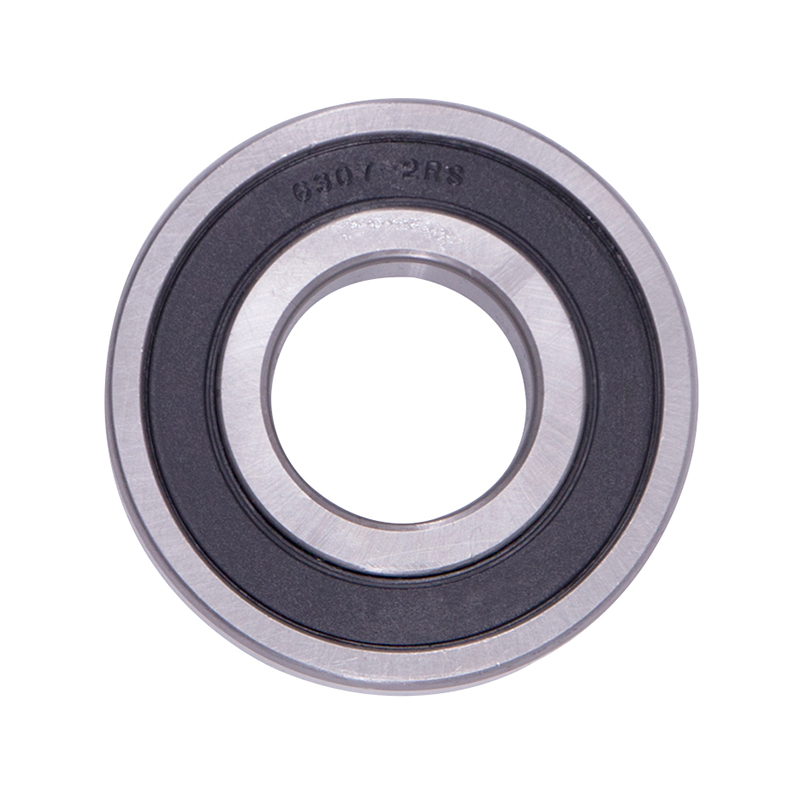 Wheel Hub Bearings
 -
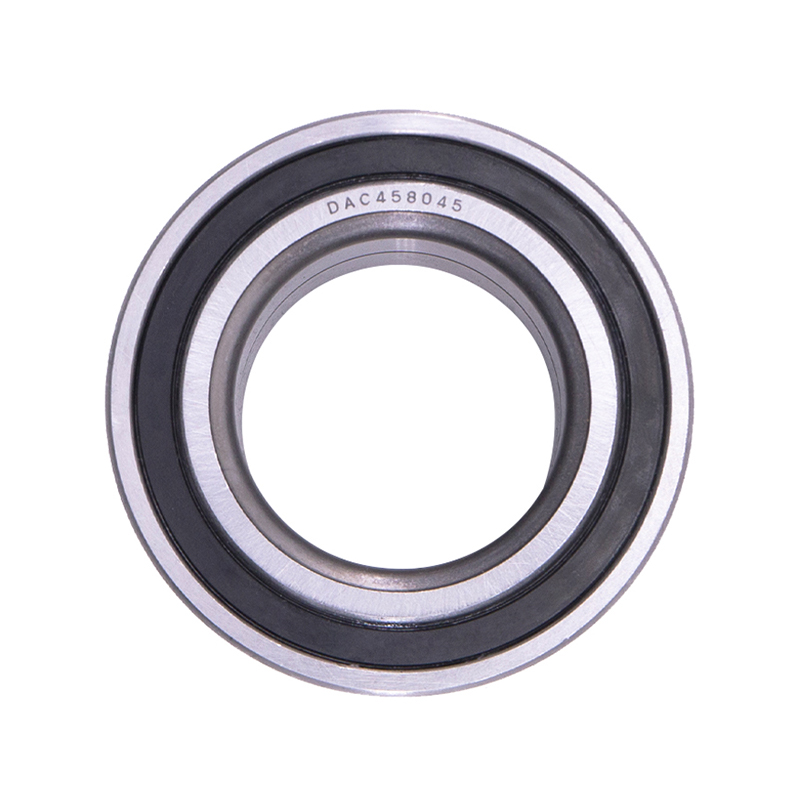 Wheel Hub Bearings
DAC387436 DAC458045 Hub Deep Groove Ball Car Wheel Bearing
-
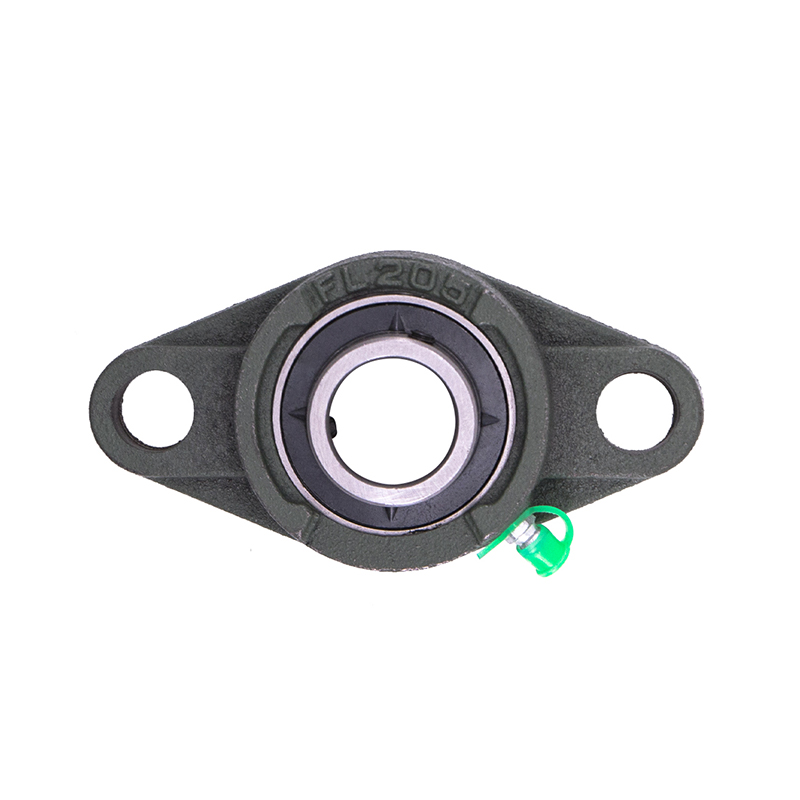 Spherical Bearings
FL204 FL205 FL206 Stainless Steel Pillow Block Bearing
-
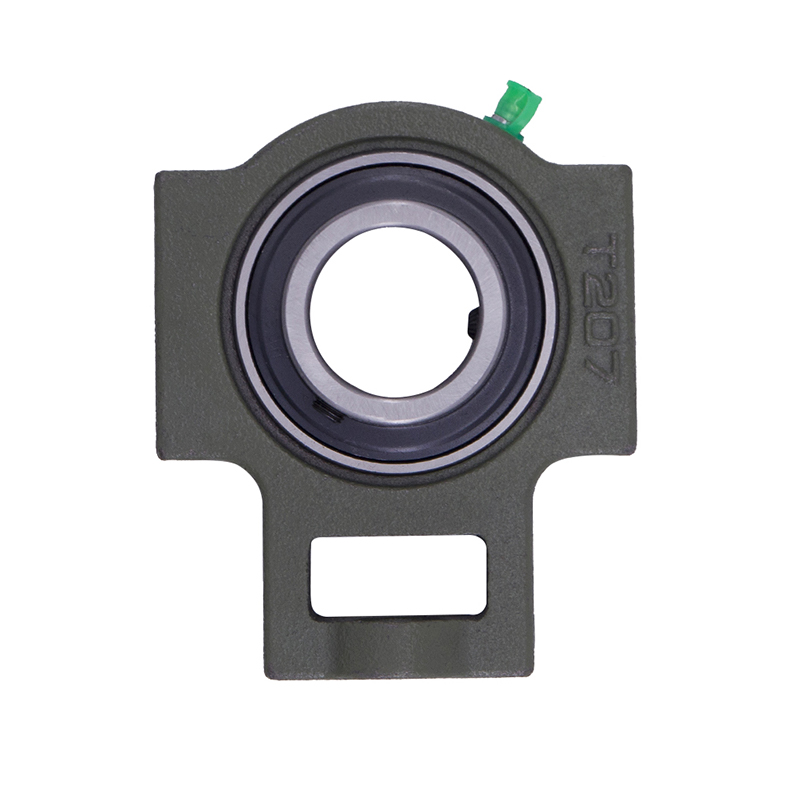 Spherical Bearings
T204 T207 UC204 High Speed Insert Pillow Block Bearing
-
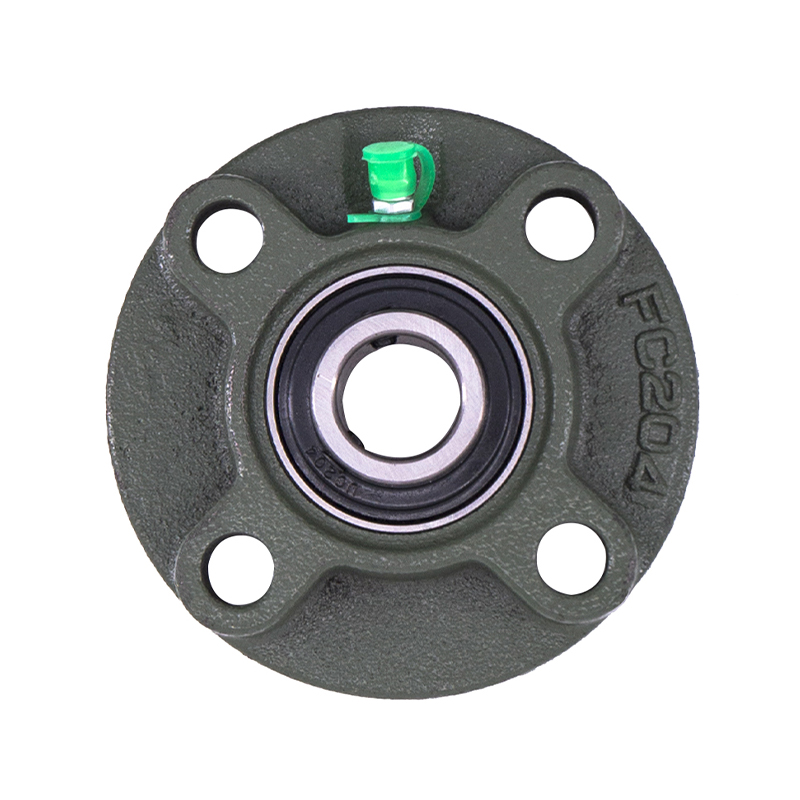 Spherical Bearings
FC204 F210 Auto Wheels Bike Pillow Block Bearing
-
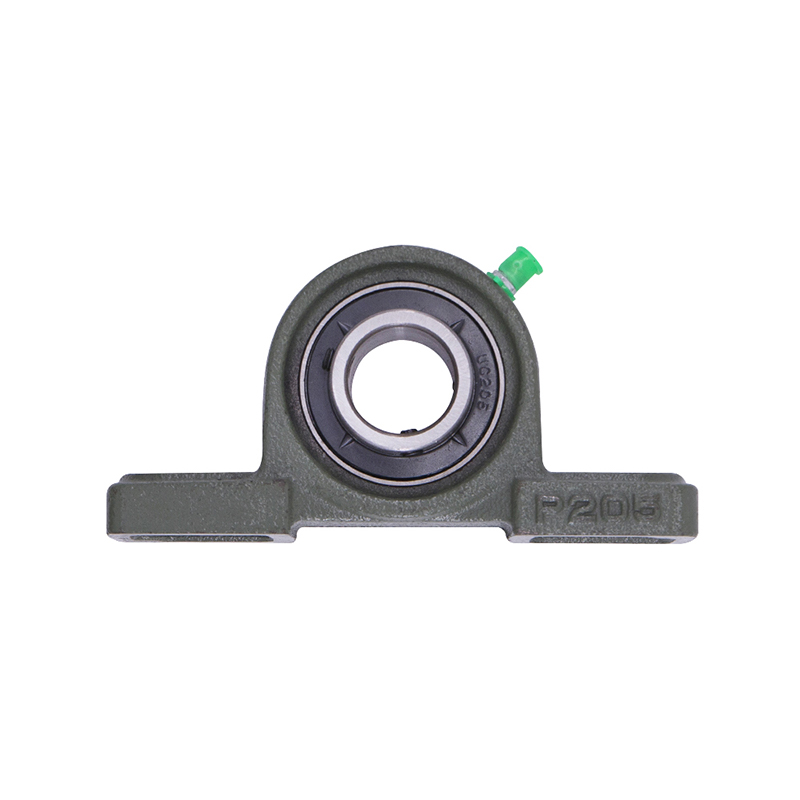 Spherical Bearings
P207 206 205 203 High Precision Wheel Pillow Block Bearing
-
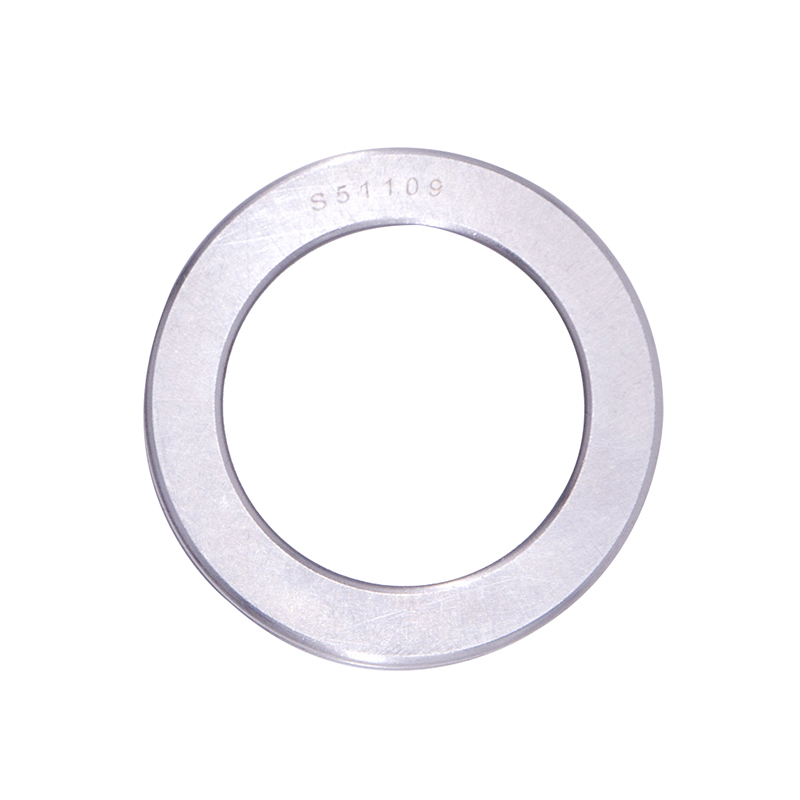 Thrust Roller Bearings
S51100 S51107 S51109 Car Wheel Plain Thrust Ball Bearing
-
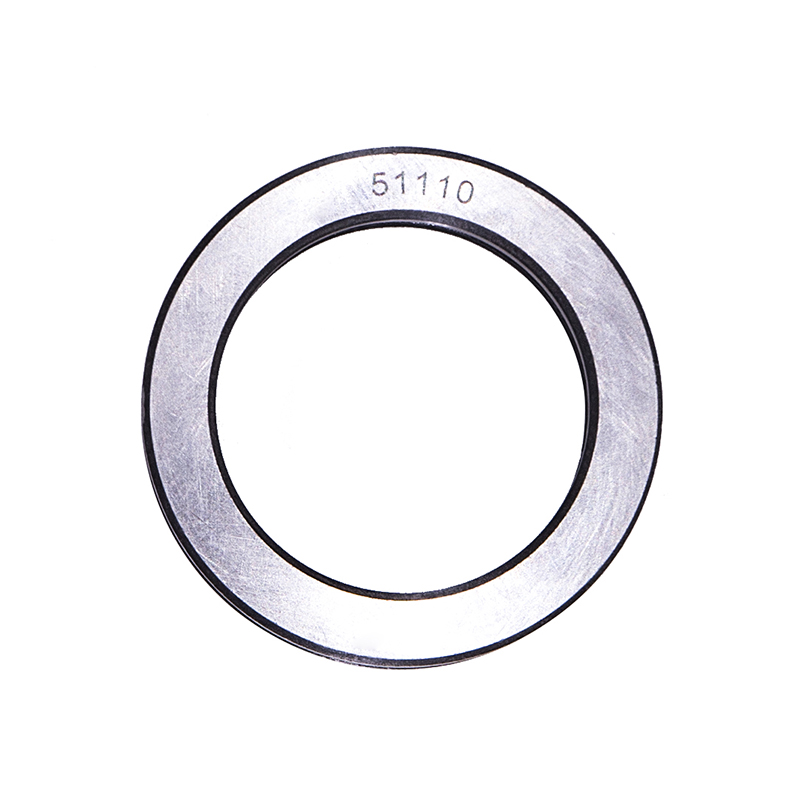 Thrust Roller Bearings
51110 51107 51104 51206 High Speed Plain Thrust Ball Bearing
6303Z vs 6307Z: Does Size Change More Than Load
Industry news-Two deep groove ball bearings can share the same basic design while serving very different mechanical requirements. The 6303Z and 6307Z are a good example. Both belong to the 6300 series, but their bore diameter, outside diameter, width, load ratings, mass, and permissible speed are noticeably different.
That raises a practical question: is the larger 6307Z simply a higher-load version of the 6303Z, or does its larger size change the way engineers should approach bearing selection?
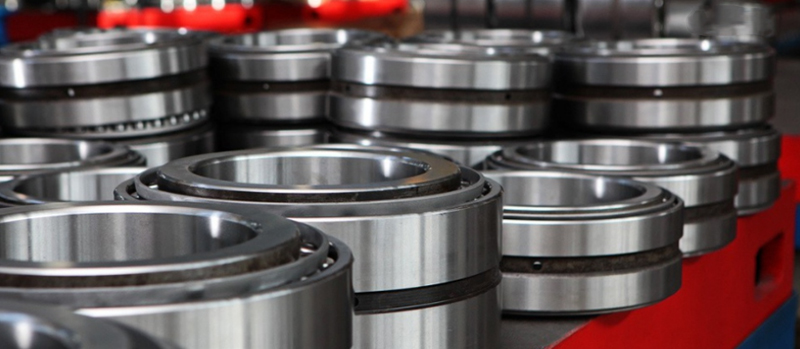
A closer look at the 6303Z 6307Z Deep Groove Ball Bearing range shows that dimensional differences can affect far more than radial load capacity.
How Different Are the Two Bearings?
The basic dimensions already show a substantial difference. According to NTN specifications, the 6303Z has a 17 mm bore, 47 mm outside diameter, and 14 mm width. The 6307Z has a 35 mm bore, 80 mm outside diameter, and 21 mm width.
| Parameter | 6303Z | 6307Z |
| Bore diameter | 17 mm | 35 mm |
| Outside diameter | 47 mm | 80 mm |
| Width | 14 mm | 21 mm |
| Dynamic load rating* | 15.0 kN | 37.0 kN |
| Static load rating* | 6.55 kN | 19.10 kN |
| Grease limiting speed* | 16,000 rpm | 8,800 rpm |
*NTN values shown for the referenced single-shielded products; specifications can vary by manufacturer, clearance, seal/shield configuration, cage, and other design details.
A Larger Bearing Does Not Mean Higher Speed
The comparison becomes interesting once rotational speed enters the discussion. NTN lists a grease limiting speed of 16,000 rpm for its 6303Z/2AS example, compared with 8,800 rpm for the 6307Z.
This illustrates an important engineering trade-off: increasing bearing size can increase load capacity while reducing the practical speed range.
The larger rolling elements and greater bearing dimensions change the internal operating conditions. Equipment designers therefore need to consider both load and speed rather than assuming that a larger bearing provides an across-the-board performance increase.
Load Capacity Changes Significantly
The 6307Z has a considerably higher basic dynamic load rating than the 6303Z in the cited NTN specifications. Its dynamic rating is 37.0 kN compared with 15.0 kN for the 6303Z. Static load rating also rises from 6.55 kN to 19.10 kN.
- Higher radial load capability: The larger 6307Z is designed to accommodate substantially higher radial loading.
- Greater static capacity: The higher static rating provides more capacity for stationary or shock-loaded conditions.
- Larger shaft compatibility: A 35 mm bore allows the 6307Z to fit substantially larger shafts.
- Greater installation envelope: The larger outside diameter and width require more housing space.
Does the Extra Size Affect Machine Design?
Yes. Bearing dimensions are closely connected with shaft diameter, housing bore, shoulder dimensions, available clearance, and surrounding components.
A 6303Z may suit a compact shaft arrangement where limited radial space is available. The 6307Z requires a substantially larger housing and shaft interface. That difference can influence the size of seals, spacers, retaining components, and adjacent machine parts.
| Design Concern | 6303Z | 6307Z |
| Shaft size | Smaller shaft interface | Larger shaft interface |
| Housing space | More compact | Requires greater radial space |
| Axial envelope | 14 mm width | 21 mm width |
| Load requirement | Suitable for moderate radial loads | Better suited to heavier radial loads |
| Speed consideration | Higher speed range in the cited example | Lower speed range in the cited example |
Shielding Is Another Detail to Check
The “Z” designation generally identifies a shielded configuration, but exact designation conventions can vary among manufacturers. NSK, for example, lists 6303ZZ as a single-row deep groove ball bearing with a 17 × 47 × 14 mm envelope. Its published basic dynamic load rating is 15,000 N and grease speed is 17,000 min⁻¹.
This highlights why the complete part number matters. Clearance class, shield arrangement, cage material, lubricant, and manufacturer-specific internal geometry can change the published performance figures.
Which Size Fits Which Machine?
The practical difference between these two bearings becomes clearer through application requirements.
- Compact motors: A smaller 6303Z can fit applications where shaft and housing dimensions are restricted.
- Industrial drive systems: A 6307Z can provide greater radial load capacity where machine size permits.
- High-speed assemblies: Published speed ratings should be checked carefully rather than assuming the larger bearing is suitable.
- Heavy rotating equipment: The larger bearing can offer a useful load-capacity advantage when shaft and housing dimensions support it.
Size, Load, and Speed Work Together
The 6303Z versus 6307Z comparison demonstrates why bearing selection cannot rely on load rating alone. The larger 6307Z provides substantially greater load capacity in the referenced NTN data, but it also occupies more space and has a lower published grease limiting speed.
That means a designer may prefer the smaller bearing for a compact, faster-running assembly even though its load capacity is lower. A larger bearing becomes more attractive where shaft diameter and radial loading are the dominant design constraints.
Size changes more than load. The difference between the 6303Z and 6307Z affects shaft compatibility, housing dimensions, bearing width, mass, load ratings, and rotational-speed limits. Their common deep groove configuration does not make them interchangeable substitutes.
For anyone evaluating a 6303Z 6307Z Deep Groove Ball Bearing, the useful comparison should cover bore size, outside diameter, width, dynamic load rating, static load rating, speed, and available installation space.
The right bearing is therefore determined by the machine around it—not simply by choosing the larger size. A careful comparison of the complete operating requirements can prevent an apparently stronger bearing from becoming an unsuitable fit for the actual equipment.
Our Product//
Related Product
If you are interested in our products, please consult us
Contact Details
- Address: 1377-13 Yinhai International, Jinhua, Zhejiang, China
- Fax: 0086-0319-8544668
- Tel: +86-15215868236
+86-15833609668 - Email: [email protected]
Products
Quick Link
News Center
Mobile terminal
Copyright © Yiwu Delian Bearing Co., Ltd. ALL RIGHTS RESERVED.
