
 English
 русский
 Español
-
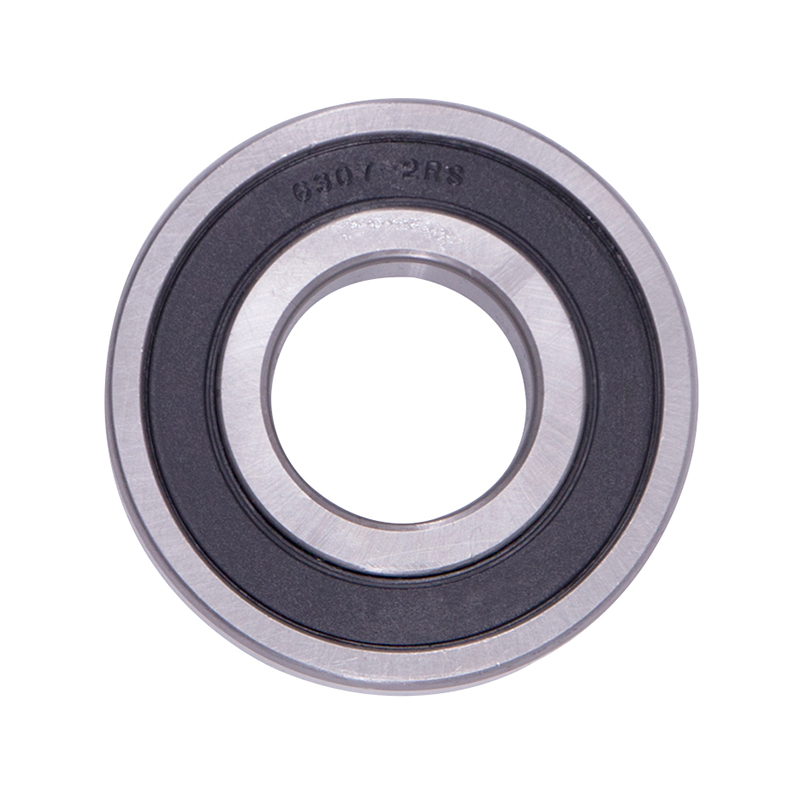 Wheel Hub Bearings
 -
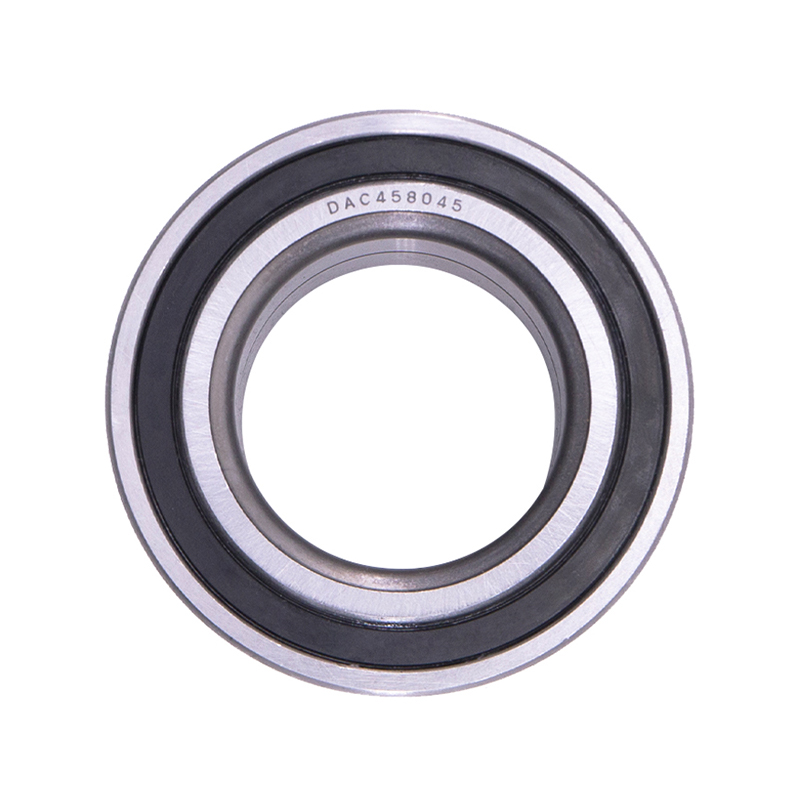 Wheel Hub Bearings
DAC387436 DAC458045 Hub Deep Groove Ball Car Wheel Bearing
-
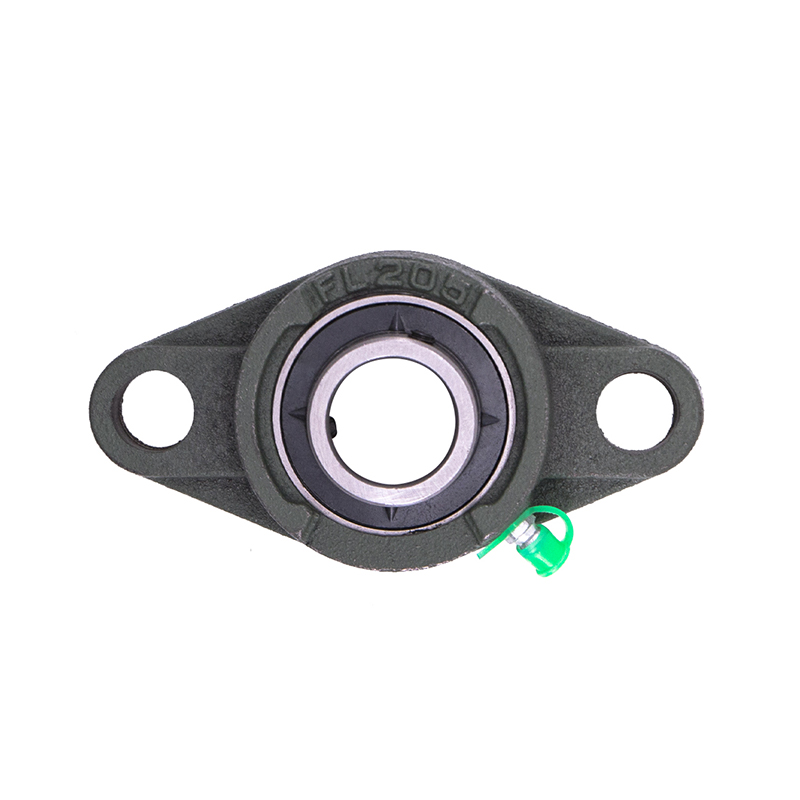 Spherical Bearings
FL204 FL205 FL206 Stainless Steel Pillow Block Bearing
-
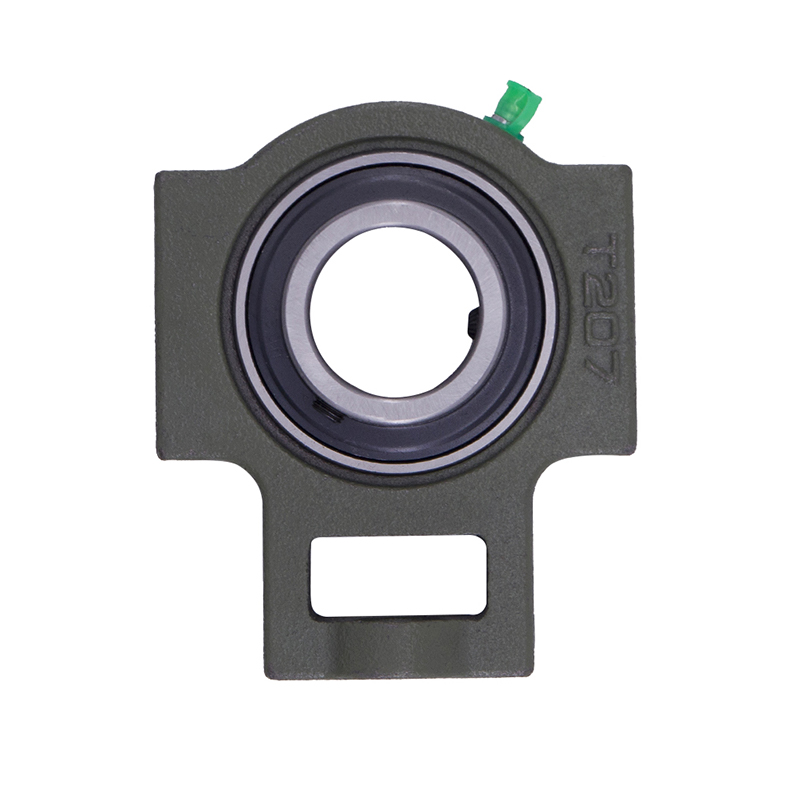 Spherical Bearings
T204 T207 UC204 High Speed Insert Pillow Block Bearing
-
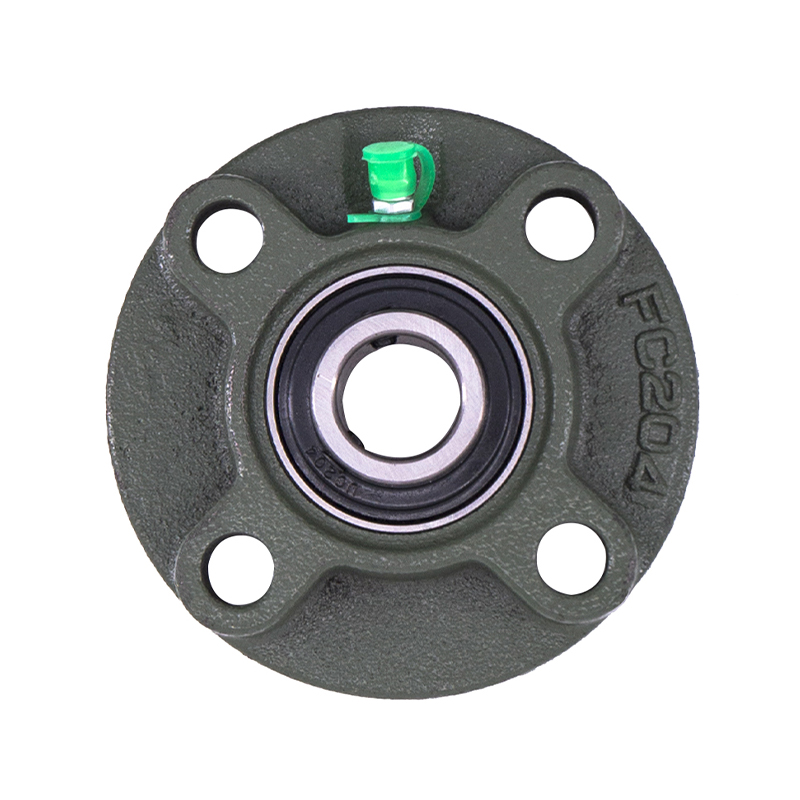 Spherical Bearings
FC204 F210 Auto Wheels Bike Pillow Block Bearing
-
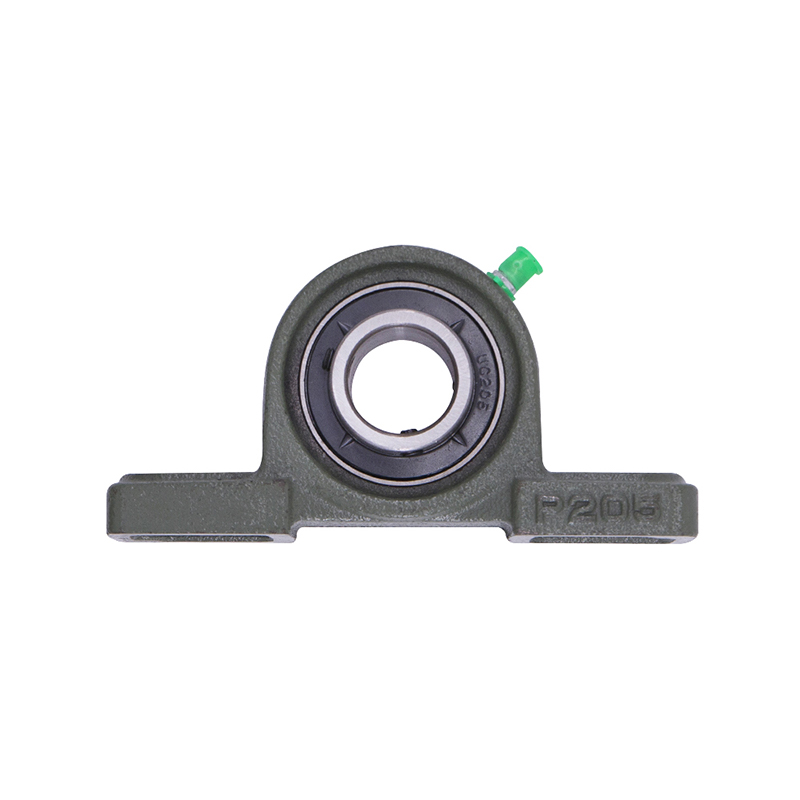 Spherical Bearings
P207 206 205 203 High Precision Wheel Pillow Block Bearing
-
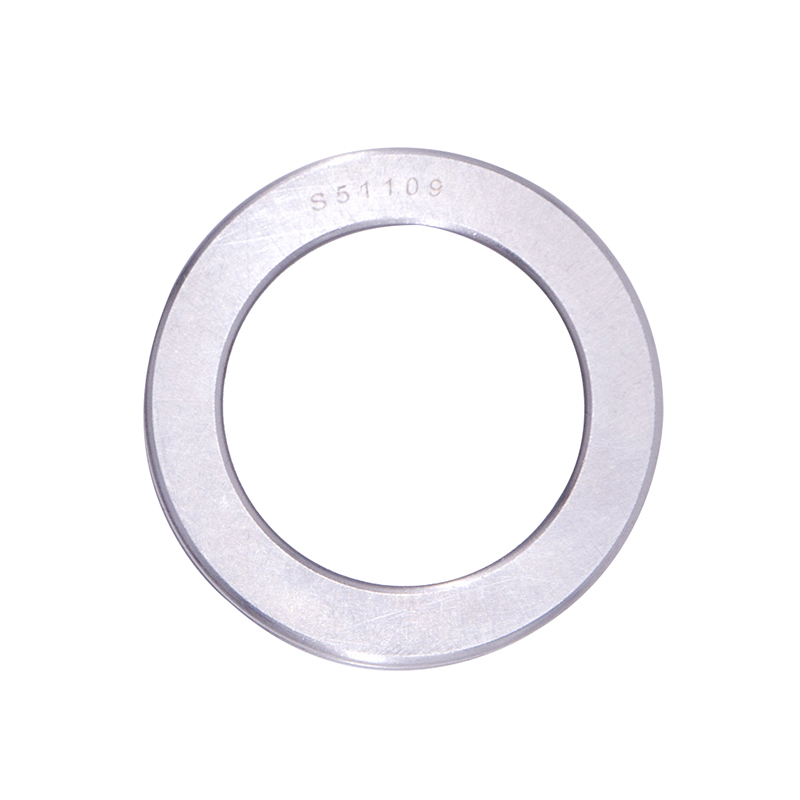 Thrust Roller Bearings
S51100 S51107 S51109 Car Wheel Plain Thrust Ball Bearing
-
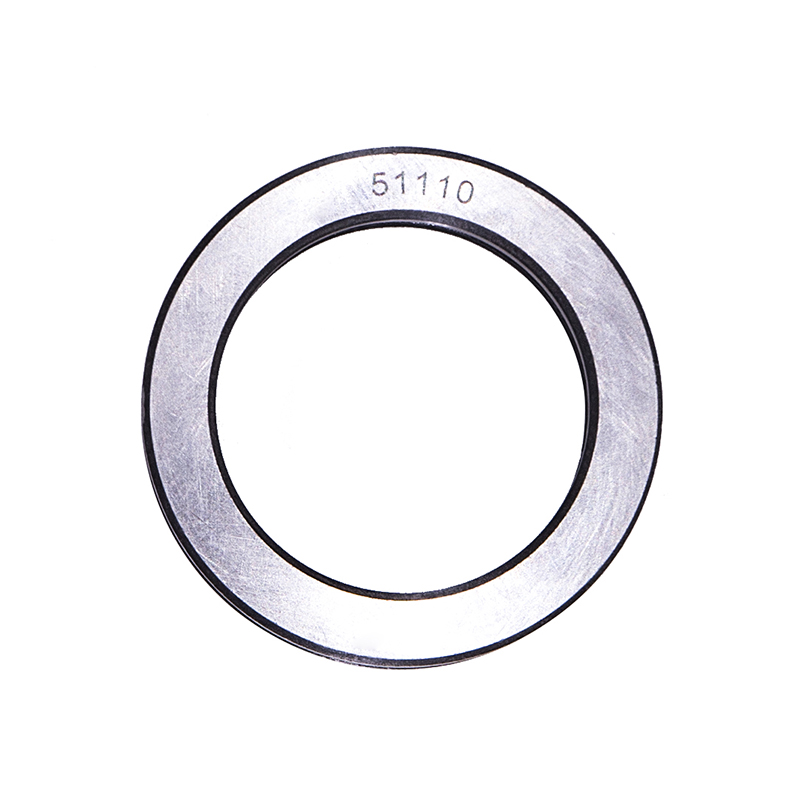 Thrust Roller Bearings
51110 51107 51104 51206 High Speed Plain Thrust Ball Bearing
Where Do Stainless Bearing Adapter Sleeves Add Value
Industry news-Mounting a bearing with a tapered bore onto a cylindrical shaft can create a practical engineering challenge. The shaft may not have a machined taper, yet the bearing still requires a secure and accurately positioned mounting arrangement. An adapter sleeve provides a mechanical interface between the two components.
A Stainless Steel Bearing Adaptor Sleeve takes this concept further by combining the mounting function of an adapter sleeve with the corrosion resistance associated with stainless steel. This can make the material particularly relevant to machinery exposed to moisture, cleaning agents, condensation, or demanding production environments.
What Does an Adapter Sleeve Actually Solve?
Bearings with tapered bores can be mounted directly onto tapered shaft seats, but many machines use conventional cylindrical shafts. SKF specifies adapter sleeves as a common method for locating tapered-bore bearings on cylindrical shafts. They can be used on both plain and stepped shafts.
- Mounting compatibility: A tapered-bore bearing can be installed on a cylindrical shaft.
- Flexible positioning: On a plain shaft, the bearing can be positioned at different locations.
- Axial positioning: A spacer arrangement can help position a bearing accurately on a stepped shaft.
- Simplified assembly: The sleeve provides the required tapered interface without machining a matching taper directly onto the shaft.
Why Does Stainless Steel Change the Application?
The material becomes important once the sleeve itself is exposed to corrosive conditions. Stainless steel is commonly considered for components that need better resistance to moisture and corrosion than conventional carbon-steel components can provide.
This can be particularly relevant around washdown areas, humid production spaces, food-processing equipment, chemical-handling machinery, and outdoor installations. The exact corrosion resistance depends on the stainless-steel grade, surface condition, contaminant, temperature, and exposure duration.
| Application Condition | Why Stainless Construction May Matter |
| High humidity | Helps reduce concerns associated with surface corrosion |
| Frequent washdown | Provides a material option for wet cleaning environments |
| Condensation | Useful where repeated moisture exposure occurs |
| Outdoor machinery | Can provide additional resistance to atmospheric exposure |
| Clean-production areas | Suitable for applications where corrosion control is important |
Stainless Steel Is More Than a Corrosion Question
Material choice also affects the mechanical interface between the shaft, sleeve, and bearing. The sleeve must maintain the correct geometry while transmitting mounting forces and maintaining the required interference between the bearing bore and shaft.
SKF mounting documentation emphasizes checking shaft dimensions, component accuracy, and surface condition before installing tapered-bore bearings with adapter sleeves. Burrs, rust, contamination, or dimensional errors can interfere with proper mounting.
Key Dimensions Deserve Attention
- Shaft diameter: The sleeve bore must correspond to the intended shaft size.
- Bearing bore: The sleeve's external taper must match the bearing's tapered bore.
- Taper geometry: Many industrial adapter sleeves use a 1:12 external taper.
- Locking arrangement: Locknuts and locking devices secure the assembly after mounting.
- Surface condition: Clean, dimensionally accurate mating surfaces support consistent installation.
SKF's standard adapter sleeve designs use a slotted construction and a 1:12 external taper, with metric dimensions corresponding to ISO 2982-1.
Plain Shafts or Stepped Shafts?
The shaft configuration can influence how an adapter sleeve is used. A plain shaft provides freedom to position the bearing along the shaft, which can be useful for machinery layouts where bearing location needs to be adjusted.
A stepped shaft offers a defined mechanical reference. SKF notes that an adapter sleeve combined with an L-shaped spacer ring can provide accurate axial positioning on a stepped shaft while supporting bearing mounting and dismounting.
| Shaft Type | Adapter Sleeve Role |
| Plain shaft | Allows flexible bearing positioning |
| Stepped shaft | Supports controlled axial positioning with suitable components |
| Large shaft | May use sleeve designs incorporating oil supply features |
Can Large Sleeves Use Hydraulic Mounting?
Adapter sleeve technology is not limited to small or medium assemblies. Schaeffler states that adapter sleeves with bore diameters of 140 mm or greater can be available with oil slots for hydraulic mounting. SKF likewise describes oil-injection adapter sleeves with supply ducts and distribution grooves for larger sizes.
This approach can be useful for large industrial bearings where conventional mechanical mounting forces become substantial. Hydraulic mounting allows controlled movement of the bearing onto the tapered sleeve interface, provided that the bearing and sleeve are designed for this method.
Where Does a Stainless Steel Bearing Adaptor Sleeve Fit?
The application case becomes stronger where the mechanical benefits of an adapter sleeve overlap with corrosion-related material requirements.
- Food and beverage processing machinery
- Equipment exposed to regular cleaning
- Marine or coastal machinery
- Outdoor rotating equipment
- Humid industrial production areas
- Machinery where corrosion around the shaft interface is a concern
A Stainless Steel Bearing Adaptor Sleeve should still be specified according to bearing bore, shaft diameter, taper, load conditions, mounting method, and stainless-steel grade. Corrosion resistance alone does not determine whether a sleeve is mechanically suitable.
Adapter sleeves solve a specific mounting problem: they allow tapered-bore bearings to be installed on cylindrical shafts without requiring the shaft itself to have a matching taper. Their use on plain and stepped shafts gives designers considerable flexibility in bearing positioning and assembly.
Stainless construction adds another consideration where moisture, cleaning, condensation, or atmospheric exposure can affect the shaft-bearing interface. The value of a Stainless Steel Bearing Adaptor Sleeve therefore comes from combining mounting compatibility, dimensional control, and corrosion-resistant material selection for the actual operating environment.
Our Product//
Related Product
If you are interested in our products, please consult us
Contact Details
- Address: 1377-13 Yinhai International, Jinhua, Zhejiang, China
- Fax: 0086-0319-8544668
- Tel: +86-15215868236
+86-15833609668 - Email: [email protected]
Products
Quick Link
News Center
Mobile terminal
Copyright © Yiwu Delian Bearing Co., Ltd. ALL RIGHTS RESERVED.
