
 English
 русский
 Español
-
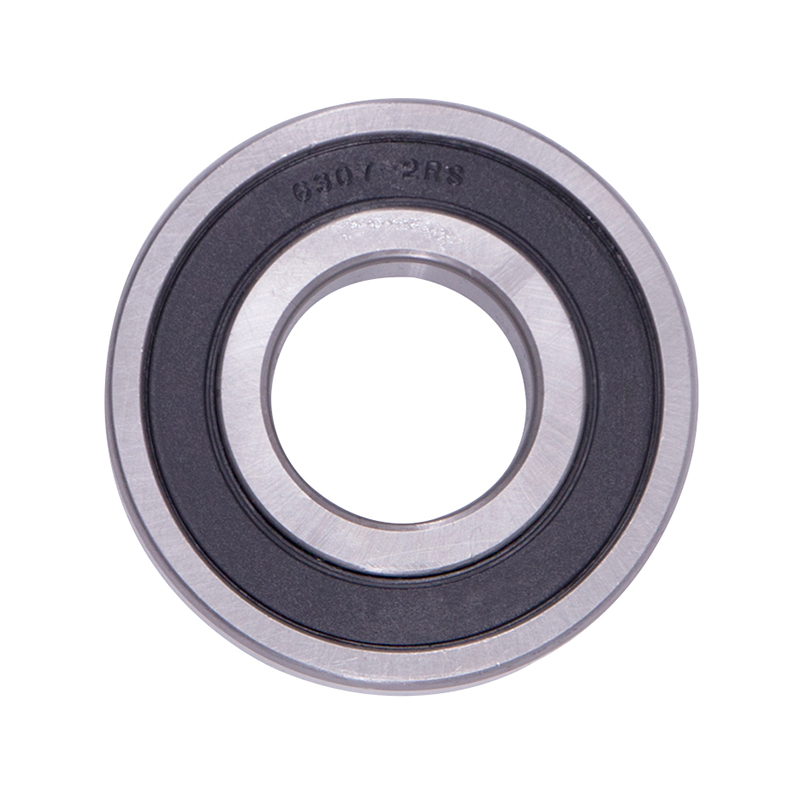 Wheel Hub Bearings
 -
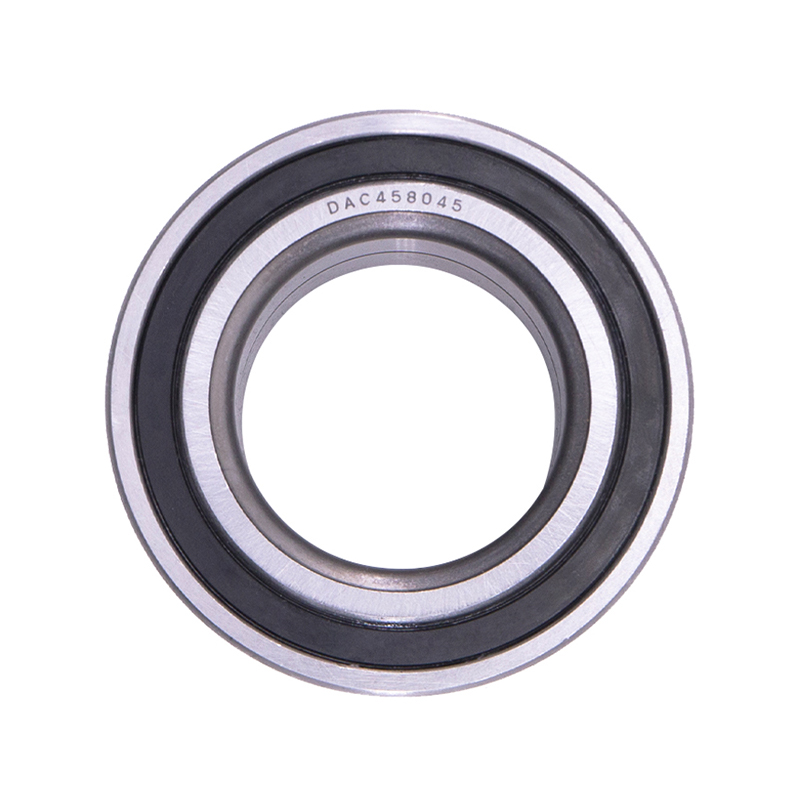 Wheel Hub Bearings
DAC387436 DAC458045 Hub Deep Groove Ball Car Wheel Bearing
-
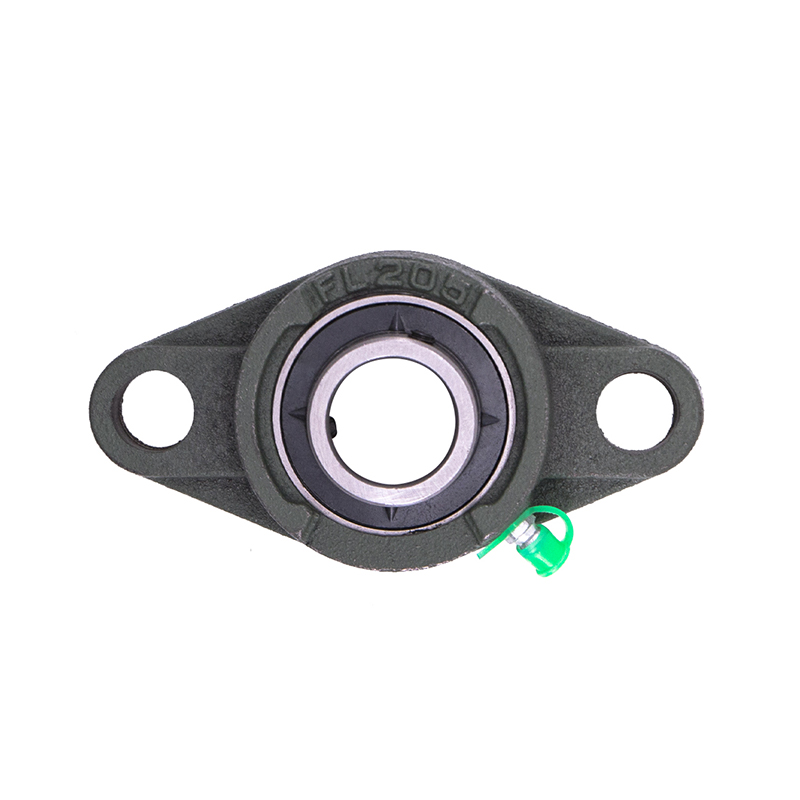 Spherical Bearings
FL204 FL205 FL206 Stainless Steel Pillow Block Bearing
-
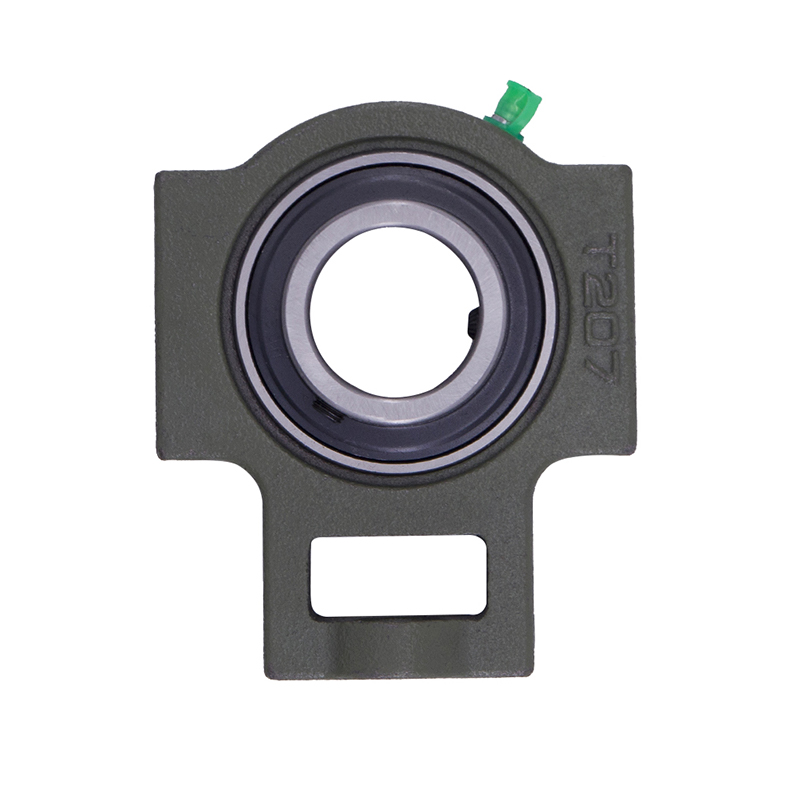 Spherical Bearings
T204 T207 UC204 High Speed Insert Pillow Block Bearing
-
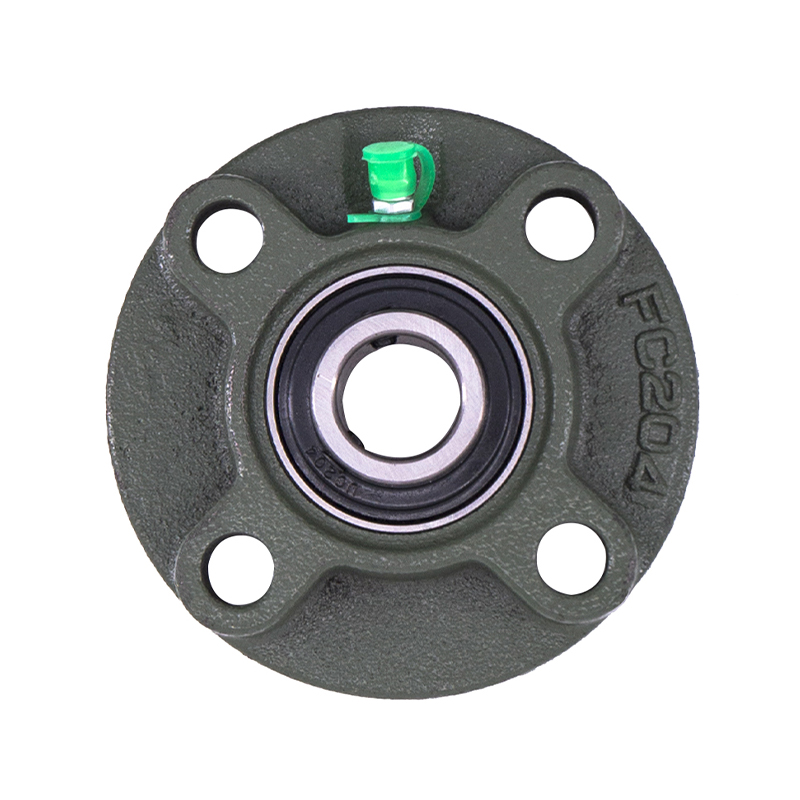 Spherical Bearings
FC204 F210 Auto Wheels Bike Pillow Block Bearing
-
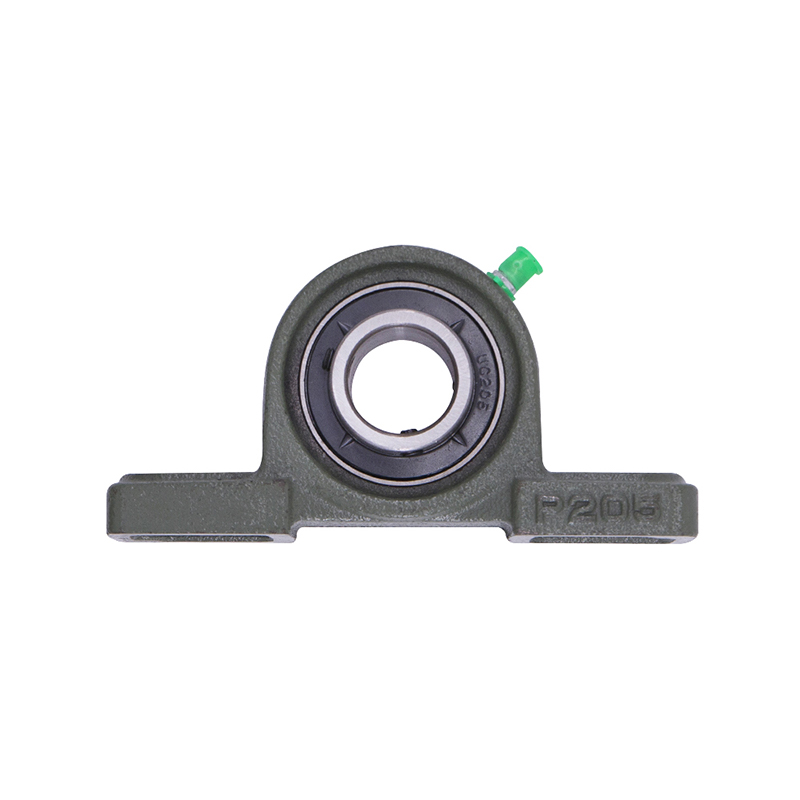 Spherical Bearings
P207 206 205 203 High Precision Wheel Pillow Block Bearing
-
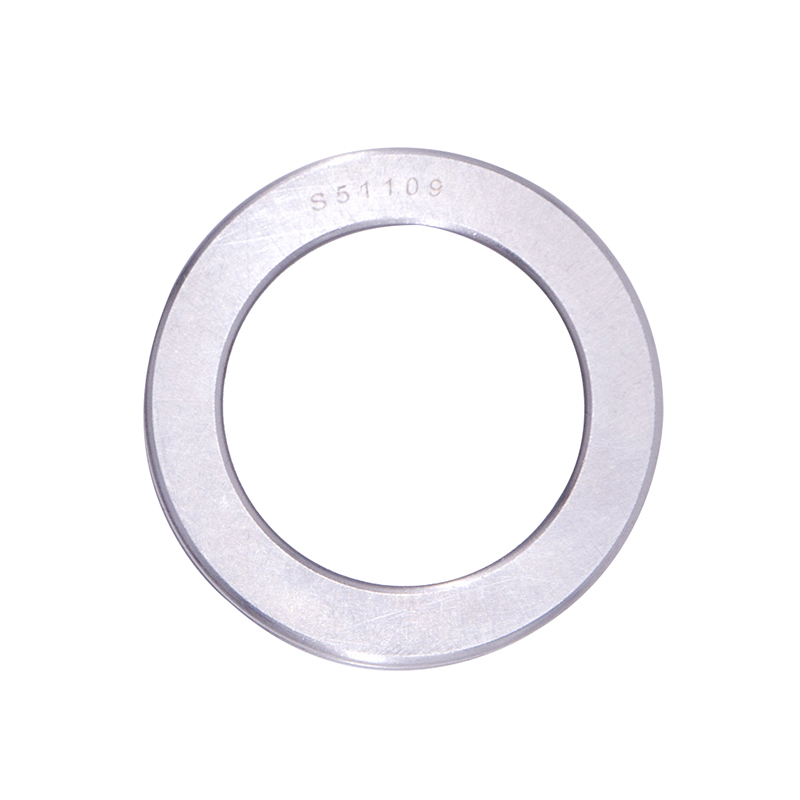 Thrust Roller Bearings
S51100 S51107 S51109 Car Wheel Plain Thrust Ball Bearing
-
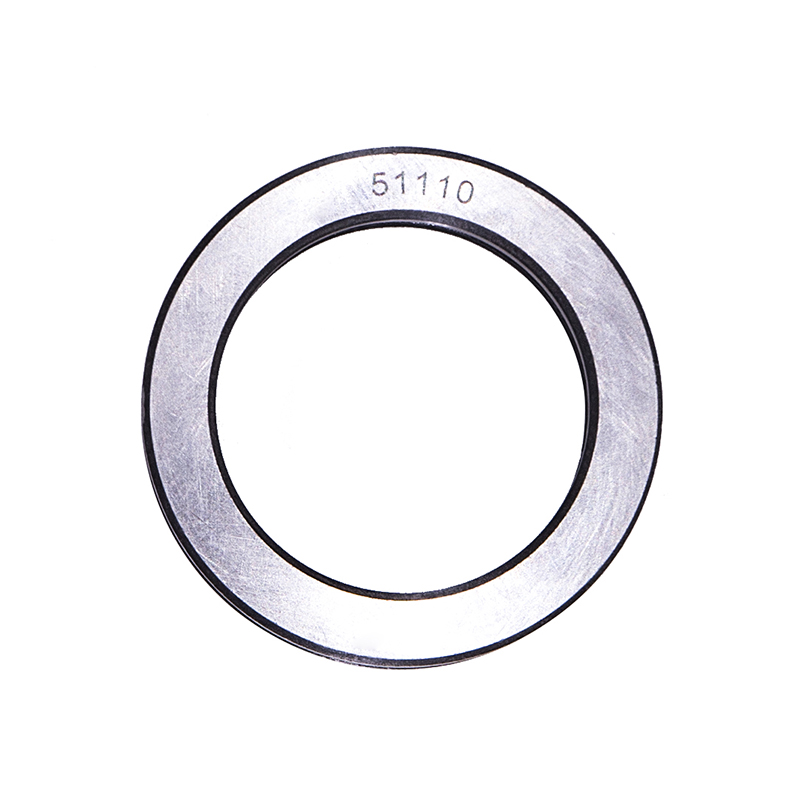 Thrust Roller Bearings
51110 51107 51104 51206 High Speed Plain Thrust Ball Bearing
Brass Cages or Steel: What Changes in Thrust Bearings
Industry news-A thrust bearing may look simple from the outside, but its cage material can influence how the rolling elements behave under axial loading. Brass and steel are both established cage materials, yet they offer different combinations of strength, rigidity, thermal behavior, weight, and application compatibility.
For equipment operating under demanding axial loads, a Thrust Ball Bearing with Brass Cage can provide a useful alternative to a conventional steel-cage design. The difference is not simply the material itself. Cage construction also affects how balls are spaced, guided, and maintained during rotation.
What Does the Cage Actually Do?
The cage keeps the balls separated around the bearing's pitch diameter and helps maintain their relative position during operation. This prevents excessive ball-to-ball contact and supports controlled rolling motion. NSK identifies cage material as an important bearing design factor, with pressed-steel cages commonly used for smaller thrust ball bearings and machined cages appearing in larger designs.
- Ball spacing: The cage maintains separation between adjacent rolling elements.
- Ball guidance: Cage geometry influences the movement of the balls during rotation.
- Load environment: Cage construction must withstand vibration, acceleration, and operating temperature.
- Lubrication interaction: Cage material has to remain compatible with the selected oil or grease.
How Does Brass Change the Bearing?
Machined brass cages are associated with applications that demand robust cage construction. Timken describes brass- and steel-type cages as designs intended for heavily loaded applications, with both machined brass and machined steel configurations available.
Brass also has useful thermal and material characteristics. SKF states that brass is unaffected by many common bearing lubricants and that machined brass cages can be used at temperatures up to 250°C in certain super-precision bearing applications. Actual temperature limits, however, depend on the bearing design, lubricant, clearance, and operating environment.
| Characteristic | Brass Cage | Steel Cage |
| Construction | Often machined for larger or demanding designs | Frequently pressed or machined depending on bearing type |
| Rigidity | Suitable for demanding mechanical conditions | High strength and stiffness |
| Temperature capability | Suitable for elevated-temperature applications depending on design | Also suitable for elevated temperatures depending on material and design |
| Lubricant compatibility | Compatible with many common bearing lubricants | Generally compatible with common bearing lubricants |
| Typical consideration | Heavy-duty and demanding operating conditions | General-purpose and high-strength cage applications |
Why Cage Design Matters Under Axial Load
A thrust ball bearing is designed primarily to support axial forces along the shaft direction. Single-direction designs support axial loads in one direction, while double-direction designs can accommodate axial forces in both directions.
Under these conditions, the cage has to maintain consistent ball spacing while the rolling elements move between the shaft washer and housing washer. High axial loading, vibration, acceleration, and changes in lubrication can all influence cage behavior.
Machined Brass Adds a Different Design Option
A Thrust Ball Bearing with Brass Cage may use a one-piece or two-piece machined brass cage depending on the bearing series. Schaeffler's technical documentation lists machined brass cage designs for thrust ball bearings, while SKF nomenclature also identifies machined brass cage configurations for thrust bearing products.
Machining allows the cage geometry to be controlled around the ball pockets and guiding surfaces. This can be useful for larger bearing assemblies where cage rigidity and mechanical durability are important design considerations.
Brass Is Not Automatically the Right Choice
Cage material should be matched to the actual operating conditions rather than treated as an isolated upgrade. Steel cages remain widely used because they provide high strength and are available across many bearing designs. NSK lists pressed steel and machined brass among established cage options, with the available design depending on bearing type and size.
- Check the required axial load rating.
- Review operating temperature and lubricant type.
- Consider vibration, shock, and acceleration.
- Compare cage construction and bearing size.
- Verify the manufacturer's permissible speed and load data.
Where Can Brass-Cage Thrust Bearings Fit?
Heavy machinery, industrial gear assemblies, pumps, vertical shafts, machine tools, and other axial-load applications may use thrust bearings with machined cages. The appropriate cage depends on the combination of load, speed, temperature, lubrication, and mechanical conditions.
A Thrust Ball Bearing with Brass Cage can therefore be viewed as a design choice for demanding operating environments rather than simply a premium version of a steel-cage bearing.
Brass and steel cages can both support reliable thrust-bearing operation, but their material characteristics and construction are different. Brass cages are particularly interesting for demanding applications where cage rigidity, mechanical durability, lubricant compatibility, and elevated-temperature capability need careful consideration. Steel remains a widely used option where high strength and established manufacturing designs are required.
The practical question is not simply whether brass is better than steel. The more useful approach is to examine axial load, speed, temperature, lubrication, vibration, and cage construction together. That combination determines whether a Thrust Ball Bearing with Brass Cage fits the actual operating requirements.
Our Product//
Related Product
If you are interested in our products, please consult us
Contact Details
- Address: 1377-13 Yinhai International, Jinhua, Zhejiang, China
- Fax: 0086-0319-8544668
- Tel: +86-15215868236
+86-15833609668 - Email: [email protected]
Products
Quick Link
News Center
Mobile terminal
Copyright © Yiwu Delian Bearing Co., Ltd. ALL RIGHTS RESERVED.
