
 English
 русский
 Español
-
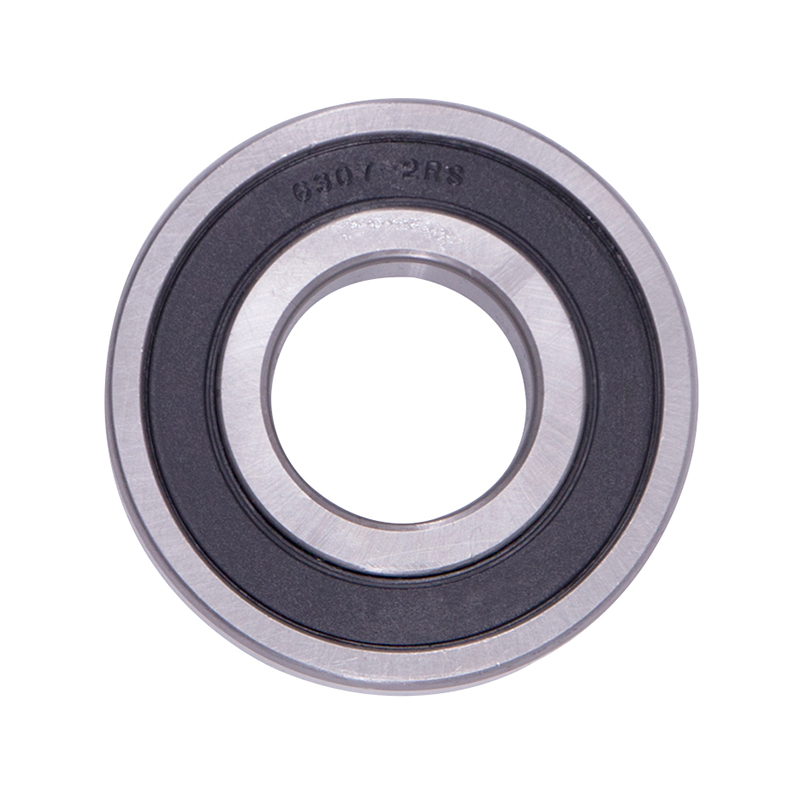 Wheel Hub Bearings
 -
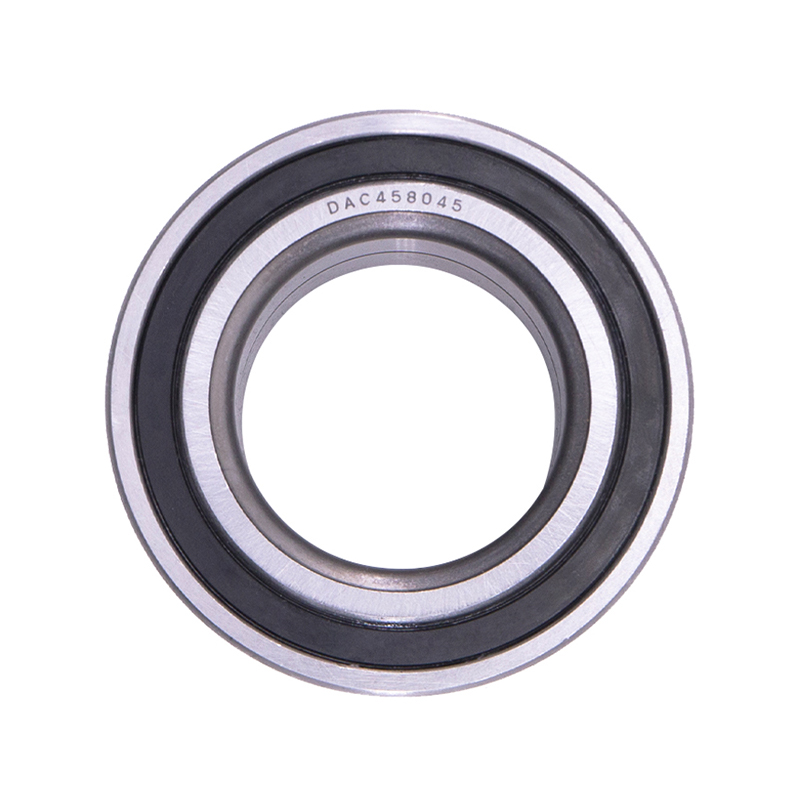 Wheel Hub Bearings
DAC387436 DAC458045 Hub Deep Groove Ball Car Wheel Bearing
-
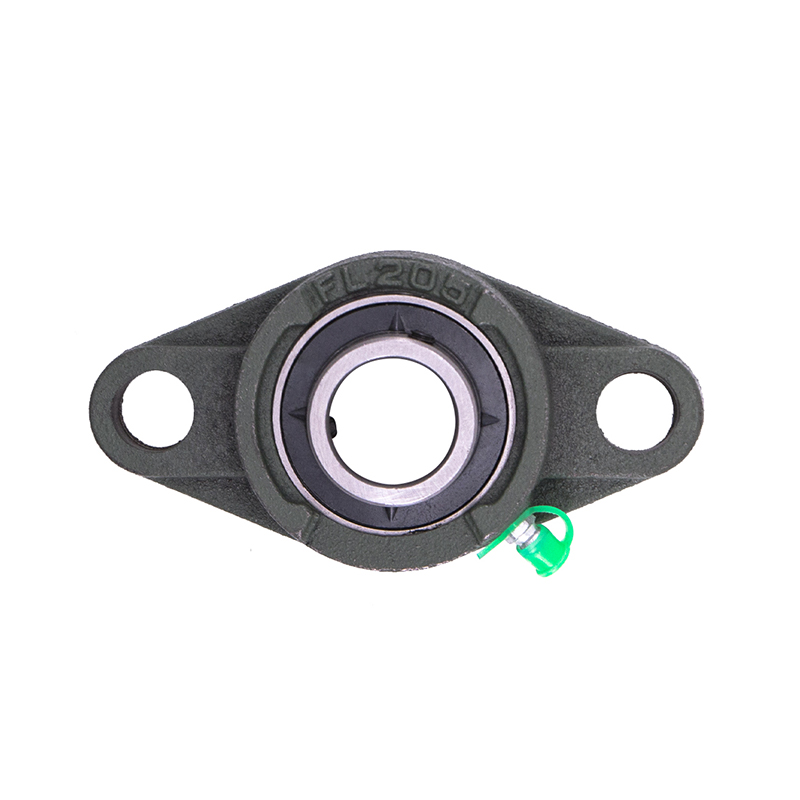 Spherical Bearings
FL204 FL205 FL206 Stainless Steel Pillow Block Bearing
-
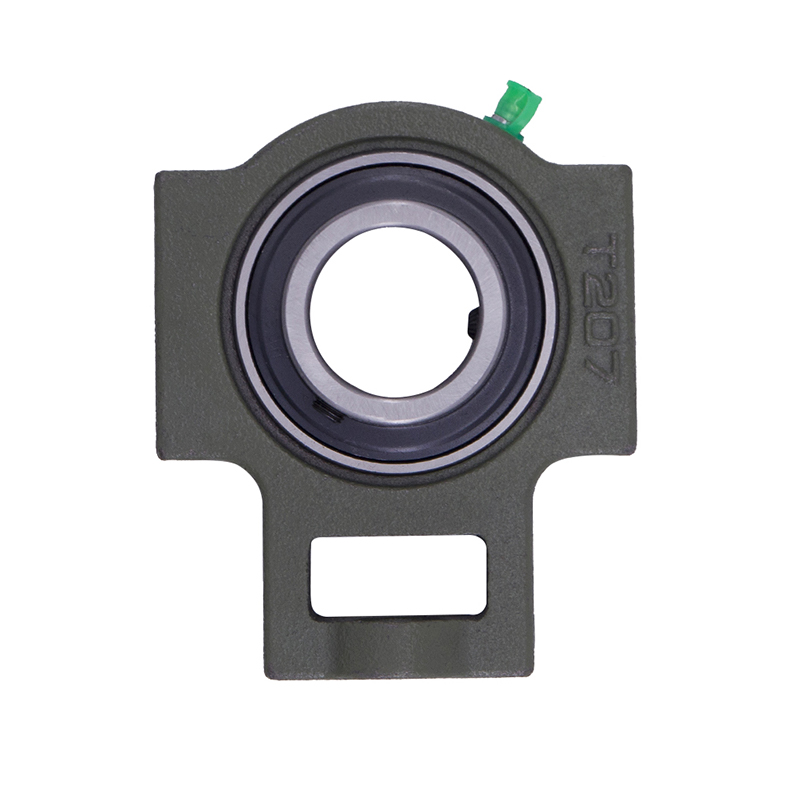 Spherical Bearings
T204 T207 UC204 High Speed Insert Pillow Block Bearing
-
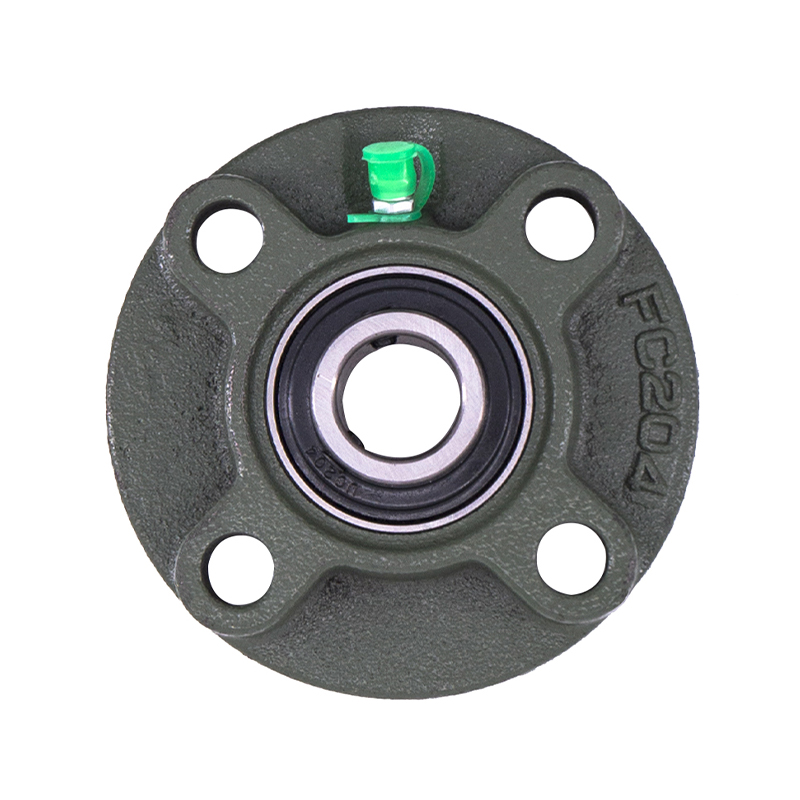 Spherical Bearings
FC204 F210 Auto Wheels Bike Pillow Block Bearing
-
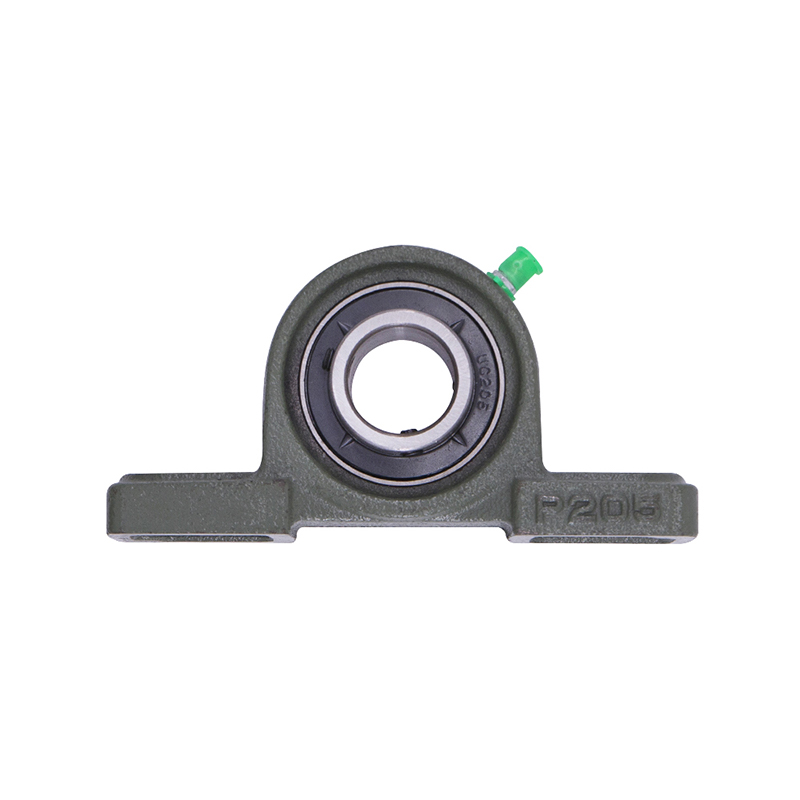 Spherical Bearings
P207 206 205 203 High Precision Wheel Pillow Block Bearing
-
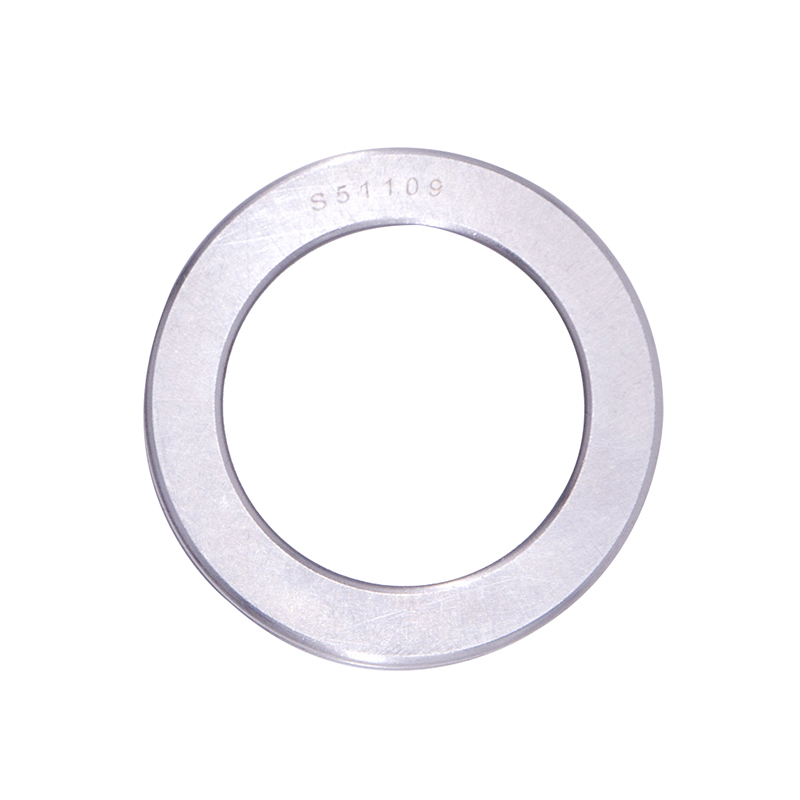 Thrust Roller Bearings
S51100 S51107 S51109 Car Wheel Plain Thrust Ball Bearing
-
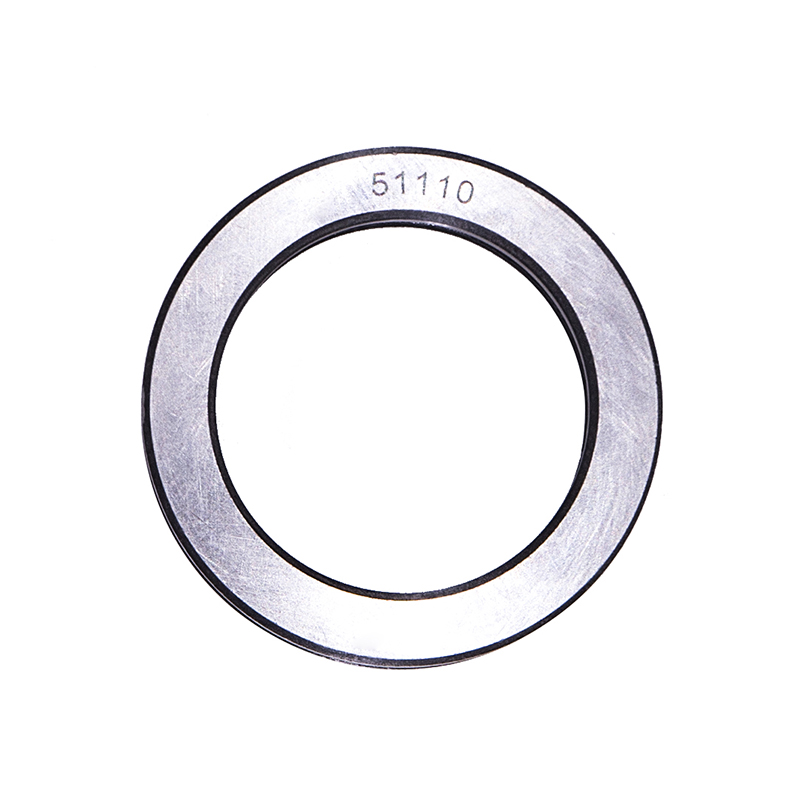 Thrust Roller Bearings
51110 51107 51104 51206 High Speed Plain Thrust Ball Bearing
Does Contact Angle Change Bearing Load Behavior
Industry news-A bearing's contact angle may look like a small geometric detail, but it has a direct influence on how loads are transmitted through the rolling elements. For equipment exposed to combined radial and axial forces, this angle becomes an important part of bearing design.
A Single Row Angular Contact Ball Bearing is designed with an inclined contact path between the balls and raceways. Unlike a standard deep groove ball bearing, its geometry intentionally creates an axial force component under radial loading. The selected contact angle therefore affects the balance between axial load capacity, radial load behavior, and rotational speed.
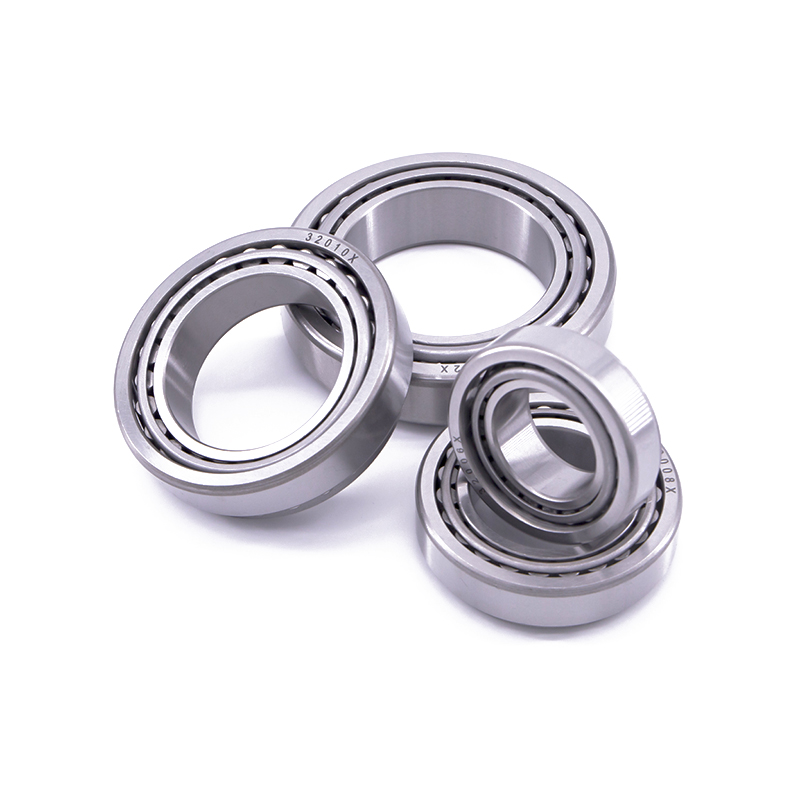
What Does Contact Angle Actually Mean?
The contact angle is the angle between the radial plane and the line connecting the contact points between a ball and the inner and outer raceways.
Common single-row angular contact designs use angles such as 25°, 30°, and 40°. Increasing the angle shifts the bearing's load-carrying characteristics toward axial loading. Smaller angles place greater emphasis on radial loading and high-speed operation.
| Contact Angle | General Load Characteristic | Typical Consideration |
| 25° | Balanced radial/axial behavior with speed advantages | Higher-speed applications with moderate axial forces |
| 30° | Moderate axial load capability | Combined-load machinery |
| 40° | Greater axial load capacity | Applications with a stronger axial-load component |
These categories are general engineering tendencies rather than fixed performance limits. Actual load ratings depend on the specific bearing series, dimensions, internal geometry, cage design, and operating conditions.
Larger Angles Shift the Load Balance
A larger contact angle allows the rolling elements to transmit a greater portion of the applied load in the axial direction. This makes higher-angle designs useful for machinery where axial forces are a significant part of the operating load.
- Higher axial capability: Increasing the contact angle generally increases axial load-carrying capacity.
- Combined loading: Angular contact bearings can accommodate radial and axial forces acting together.
- Speed consideration: Smaller contact angles are generally more suitable for high-speed rotation.
- Arrangement matters: Two opposed bearings can handle axial loading in opposite directions.
NSK notes that single-row angular contact ball bearings normally carry axial load in a single direction. A pair or multiple-bearing arrangement can therefore be used to handle the required axial force direction.
Why Radial Load Can Create Axial Force
The geometry of an angular contact bearing means that radial loading does not remain purely radial inside the bearing. The inclined contact between the balls and raceways produces an axial force component.
This characteristic becomes important in machines with changing load directions. A single bearing may be suitable for axial force in one direction, while a paired arrangement can provide support in opposing directions.
Paired Bearings Change the Overall Behavior
Engineers can arrange single-row angular contact bearings in configurations such as back-to-back, face-to-face, or tandem arrangements. Each configuration changes the way axial loads are supported and how the bearing system reacts to external forces.
Preload can also increase the rigidity of the bearing arrangement. NSK specifically identifies preloaded single-row angular contact bearings as a common solution for machine-tool spindles where running accuracy and stiffness are important.
| Design Variable | Potential Effect |
| Contact angle | Changes the balance between axial load capacity and speed capability |
| Pair arrangement | Determines axial load direction and system behavior |
| Preload | Raises bearing-system rigidity but also affects operating conditions |
| Rotational speed | Influences ball dynamics and contact conditions |
Speed Makes the Contact Angle More Interesting
Load capacity is not the only consideration. At elevated rotational speeds, centrifugal force and ball gyroscopic effects can alter the internal contact condition. SKF explains that changes in contact angle at higher speeds can increase sliding, friction, and the possibility of adhesive wear. Adequate axial loading helps maintain satisfactory rolling conditions.
This creates a practical engineering trade-off. A larger contact angle may provide greater axial load capacity, but a high-speed spindle may favor a smaller angle because speed capability becomes increasingly important.
Where Does a Single Row Angular Contact Ball Bearing Fit?
These bearings are widely used in equipment exposed to combined loading, including machine-tool spindles, compressors, pumps, gearboxes, conveyors, and industrial motors. The appropriate design depends on the actual ratio of radial to axial force rather than simply choosing a bearing based on bore diameter.
- Machine-tool spindle systems may prioritize rigidity and running accuracy.
- Pump and compressor assemblies may experience combined radial and axial forces.
- Gearbox arrangements may require controlled axial positioning.
- High-speed equipment may place greater emphasis on contact angle and speed limits.
Yes, contact angle changes bearing load behavior. A larger angle generally increases axial load capacity, while a smaller angle tends to favor higher-speed operation. The difference is not merely a specification-sheet detail—it affects the way forces travel through the rolling elements and how a Single Row Angular Contact Ball Bearing should be arranged.
For engineers evaluating angular contact bearings, the useful question is not simply which angle is larger. The better approach is to compare radial load, axial load, rotational speed, preload, and bearing arrangement as a complete system. That perspective provides a more reliable basis for matching the bearing geometry to the machine's actual operating conditions.
Our Product//
Related Product
If you are interested in our products, please consult us
Contact Details
- Address: 1377-13 Yinhai International, Jinhua, Zhejiang, China
- Fax: 0086-0319-8544668
- Tel: +86-15215868236
+86-15833609668 - Email: [email protected]
Products
Quick Link
News Center
Mobile terminal
Copyright © Yiwu Delian Bearing Co., Ltd. ALL RIGHTS RESERVED.
