
 English
 русский
 Español
-
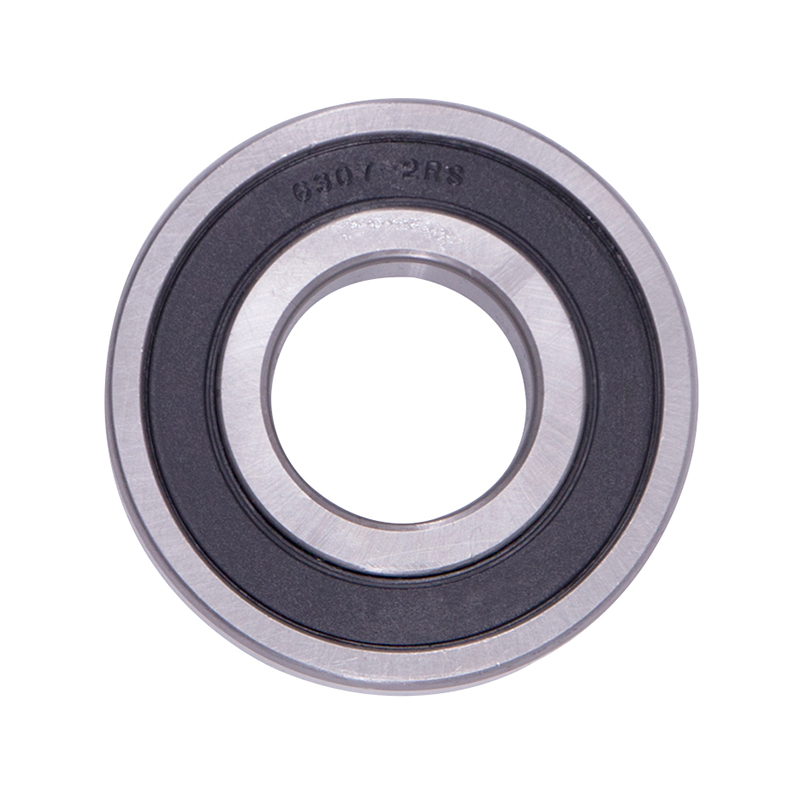 Wheel Hub Bearings
 -
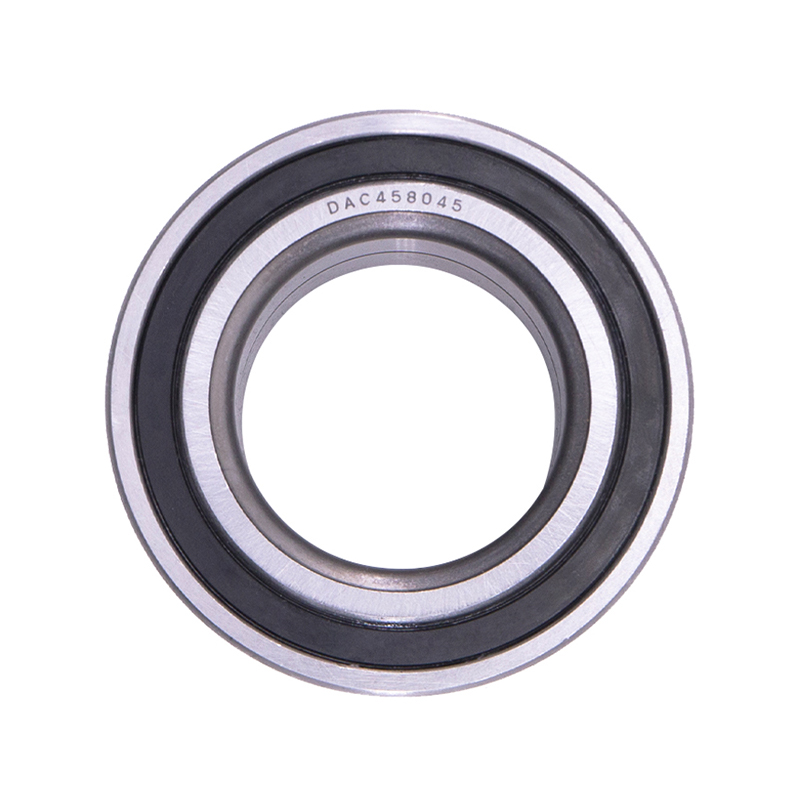 Wheel Hub Bearings
DAC387436 DAC458045 Hub Deep Groove Ball Car Wheel Bearing
-
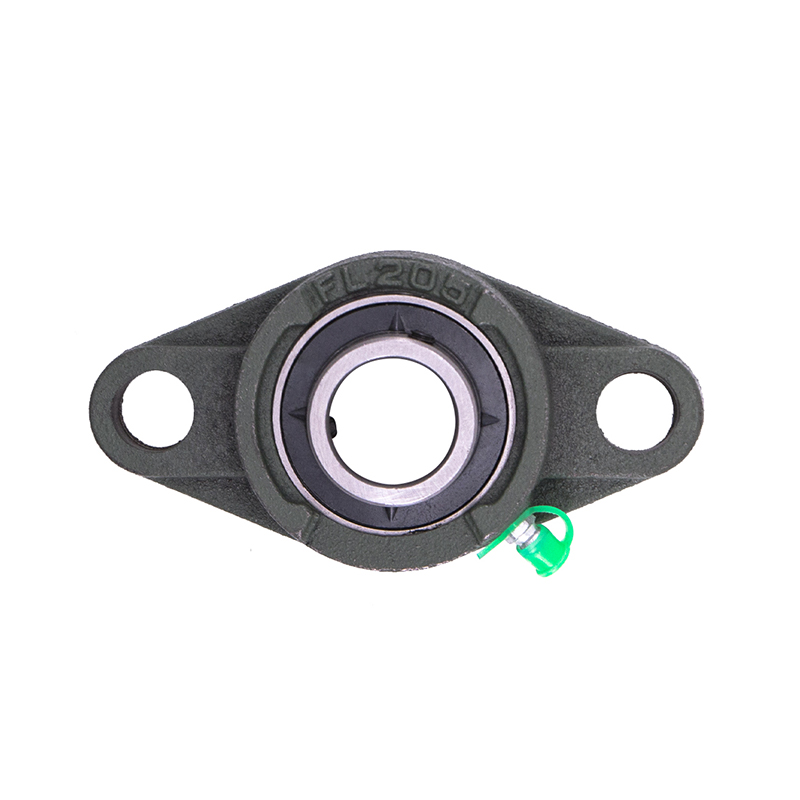 Spherical Bearings
FL204 FL205 FL206 Stainless Steel Pillow Block Bearing
-
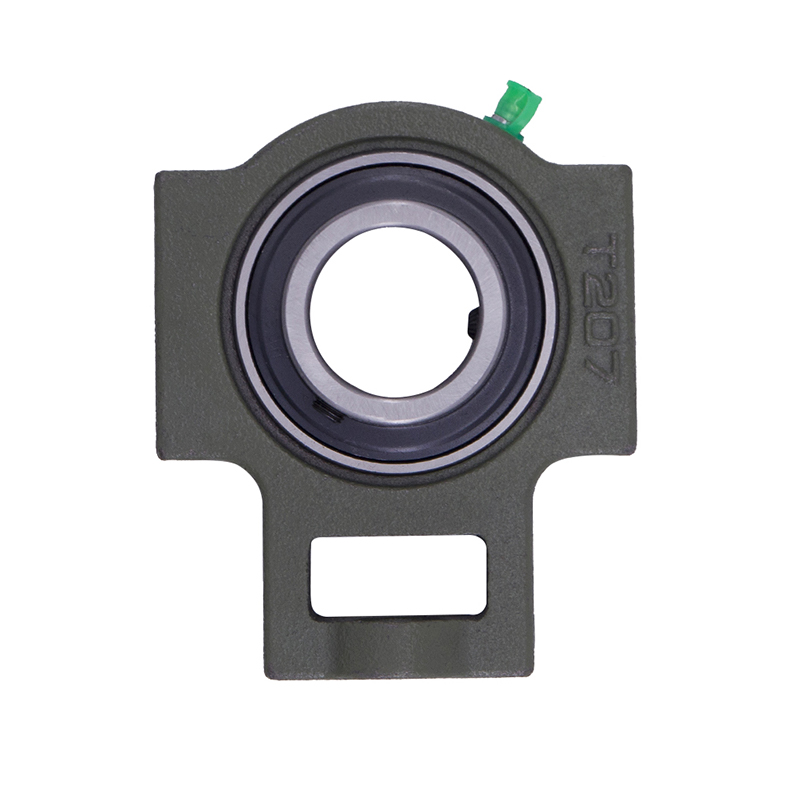 Spherical Bearings
T204 T207 UC204 High Speed Insert Pillow Block Bearing
-
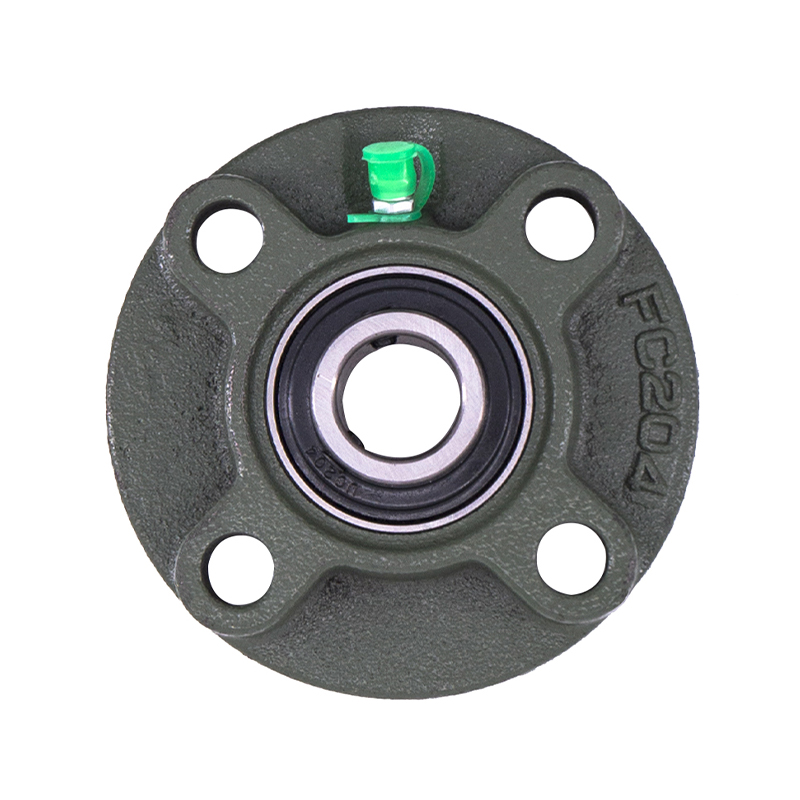 Spherical Bearings
FC204 F210 Auto Wheels Bike Pillow Block Bearing
-
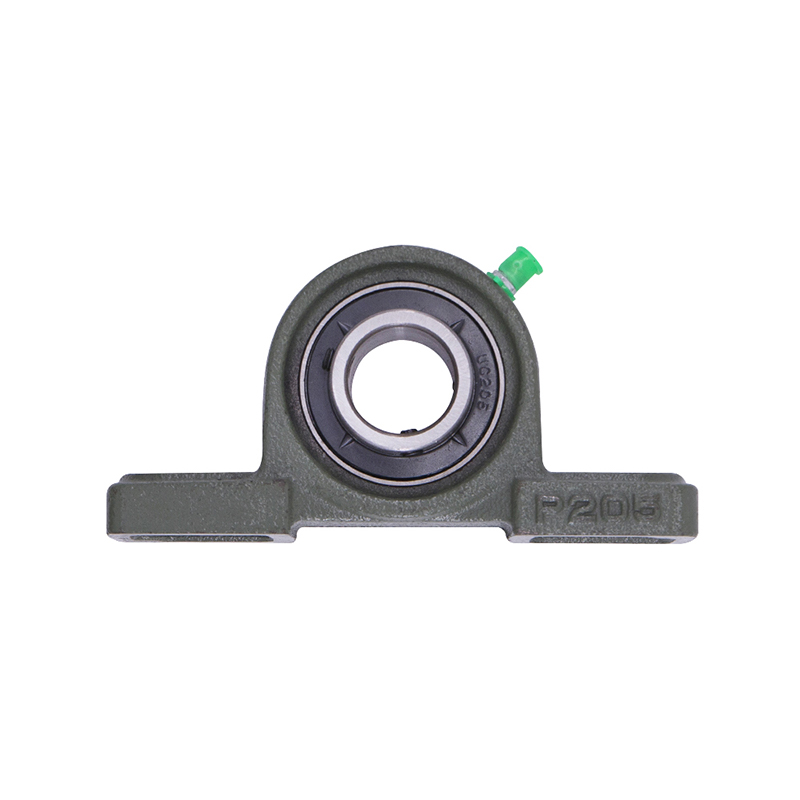 Spherical Bearings
P207 206 205 203 High Precision Wheel Pillow Block Bearing
-
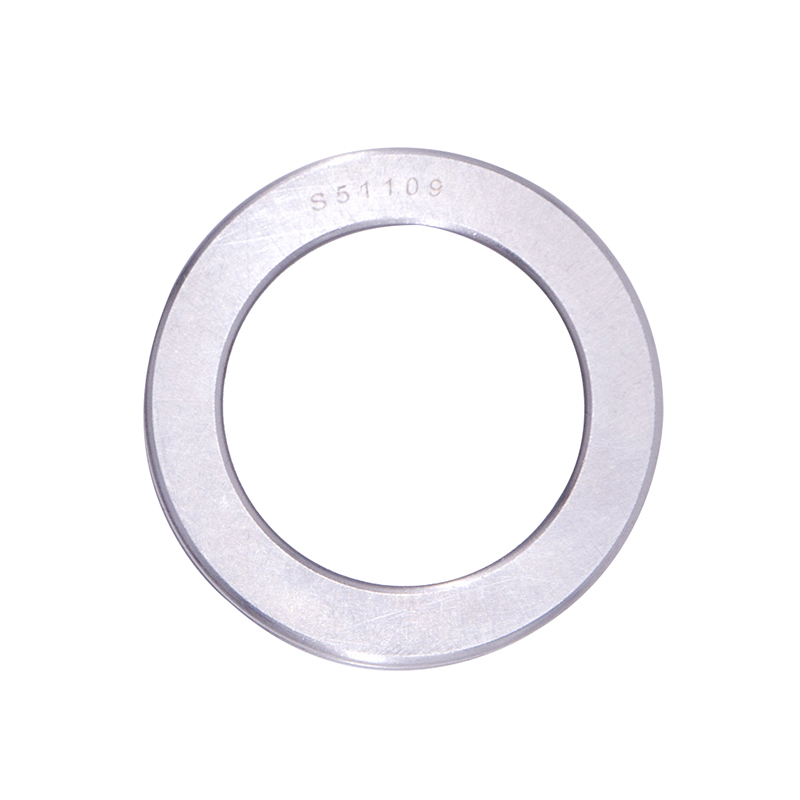 Thrust Roller Bearings
S51100 S51107 S51109 Car Wheel Plain Thrust Ball Bearing
-
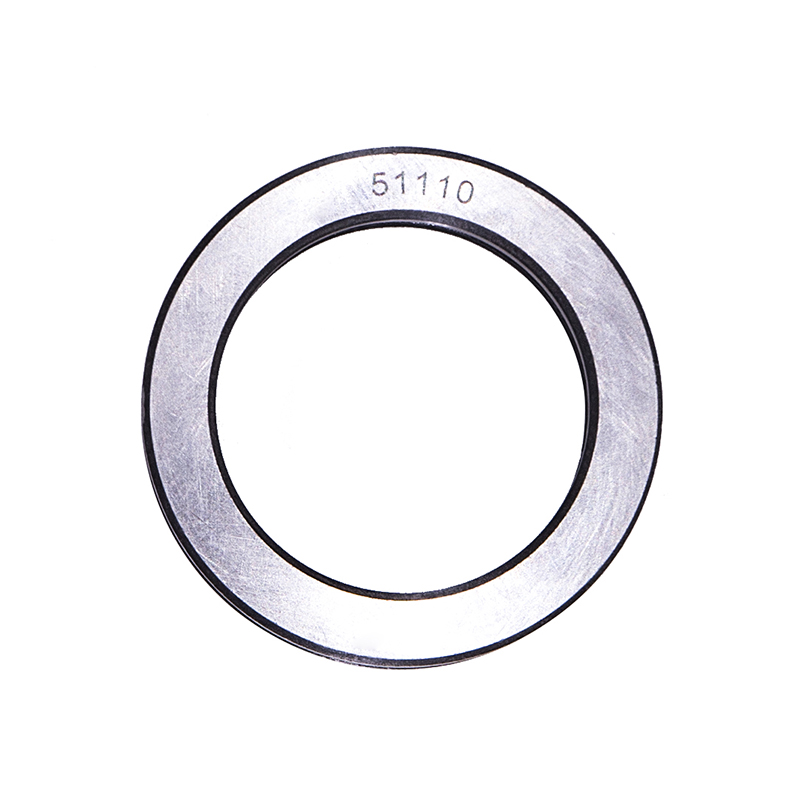 Thrust Roller Bearings
51110 51107 51104 51206 High Speed Plain Thrust Ball Bearing
Can Spherical Roller Bearings Handle Shaft Deflection
Industry news-Shaft deflection is a practical challenge in heavy-duty machinery. Long shafts can bend under radial loads, while housing deformation, mounting tolerances, and thermal effects may shift the relative position of the bearing rings. A rigid bearing may experience uneven contact under these conditions, but a spherical roller bearing is designed to accommodate angular misalignment between the shaft and housing.
That makes the Industrial Spherical Roller Bearing an interesting solution for equipment where shaft alignment cannot remain perfectly constant during operation. However, its self-aligning capability does not mean that unlimited shaft deflection can be accepted.
What Happens as a Shaft Bends?
Under operating loads, a shaft may develop a slight curved profile. The inner ring follows the shaft, while the outer ring remains positioned by the housing. This creates an angular difference between the two rings.
With a conventional rigid bearing arrangement, excessive angular deviation can produce localized contact, uneven roller loading, friction, and additional heat. A spherical roller design uses a spherical outer-raceway geometry to accommodate this relative angular movement.
- Shaft bending: Deflection can occur under radial forces, particularly with long or heavily loaded shafts.
- Housing distortion: Structural deformation can alter the relationship between bearing seats.
- Mounting variation: Small installation errors can create initial angular misalignment.
- Rotating deflection: Machinery such as vibrating screens can produce changing misalignment as the shaft rotates.
How Much Misalignment Can Be Accommodated?
The answer depends on the bearing series, applied load, housing arrangement, sealing design, and whether the misalignment remains constant relative to the outer ring. SKF technical data gives different guideline values across spherical roller bearing series rather than a single universal limit.
| Factor | Effect on Bearing Behavior |
| Bearing series | Permissible angular misalignment varies by design and size |
| Radial load | Higher loading can restrict usable misalignment |
| Deflection direction | Constant and rotating misalignment can produce different internal behavior |
| Housing structure | Housing deformation can change the actual alignment condition |
| Seal arrangement | Sealed designs may have more restrictive misalignment limits |
For example, SKF documentation lists guideline angular misalignment values ranging from approximately 1.5° to 3.5° across different spherical roller bearing series under specified conditions. These figures should be treated as application guidelines rather than a universal operating allowance.
Why Rotating Deflection Deserves Attention
A stationary angular offset and a rotating shaft deflection are not identical conditions. With rotating deflection, the position of the misalignment changes relative to the bearing outer ring. This movement can introduce additional sliding inside the bearing.
That distinction matters in applications such as vibrating screens and other machinery where shaft deformation changes continuously during rotation. SKF notes that such conditions can restrict the practical misalignment range to only a few tenths of a degree because additional sliding may occur.
Load and Deflection Should Be Evaluated Together
Looking only at shaft displacement can give an incomplete picture. A small angular deviation under a heavy radial load may create a different internal condition from the same deviation under a light load.
- Check the expected radial and axial loads.
- Estimate shaft bending at the bearing locations.
- Identify whether the misalignment is fixed or continuously rotating.
- Compare the calculated angular deviation with the bearing manufacturer's data.
- Consider housing stiffness and bearing-seat geometry.
Where Does an Industrial Spherical Roller Bearing Fit?
Applications involving heavy radial loading and possible shaft deformation are natural candidates for spherical roller designs. Typical equipment includes conveyors, gearboxes, crushers, vibrating screens, paper-processing machinery, and other industrial systems where shaft alignment can change during operation.
The key advantage is not simply that the bearing can tolerate “misalignment.” Its internal geometry allows the bearing to accommodate a controlled angular relationship between the shaft and housing while maintaining rolling contact. Technical selection still requires consideration of bearing load ratings, speed, clearance, lubrication, mounting method, and permissible misalignment.
Yes, spherical roller bearings can handle a degree of shaft deflection, and this capability is a major reason they are used in demanding industrial machinery. Their self-aligning construction can accommodate angular misalignment caused by shaft bending, housing deformation, and mounting variation.
However, shaft deflection should always be quantified rather than treated as an unlimited tolerance. Bearing series, load, deflection pattern, housing design, and operating speed all influence the practical limit. A properly specified Industrial Spherical Roller Bearing can therefore provide a robust approach to machines where maintaining optimal shaft alignment throughout operation is unrealistic.
Our Product//
Related Product
If you are interested in our products, please consult us
Contact Details
- Address: 1377-13 Yinhai International, Jinhua, Zhejiang, China
- Fax: 0086-0319-8544668
- Tel: +86-15215868236
+86-15833609668 - Email: [email protected]
Products
Quick Link
News Center
Mobile terminal
Copyright © Yiwu Delian Bearing Co., Ltd. ALL RIGHTS RESERVED.
