
 English
 русский
 Español
-
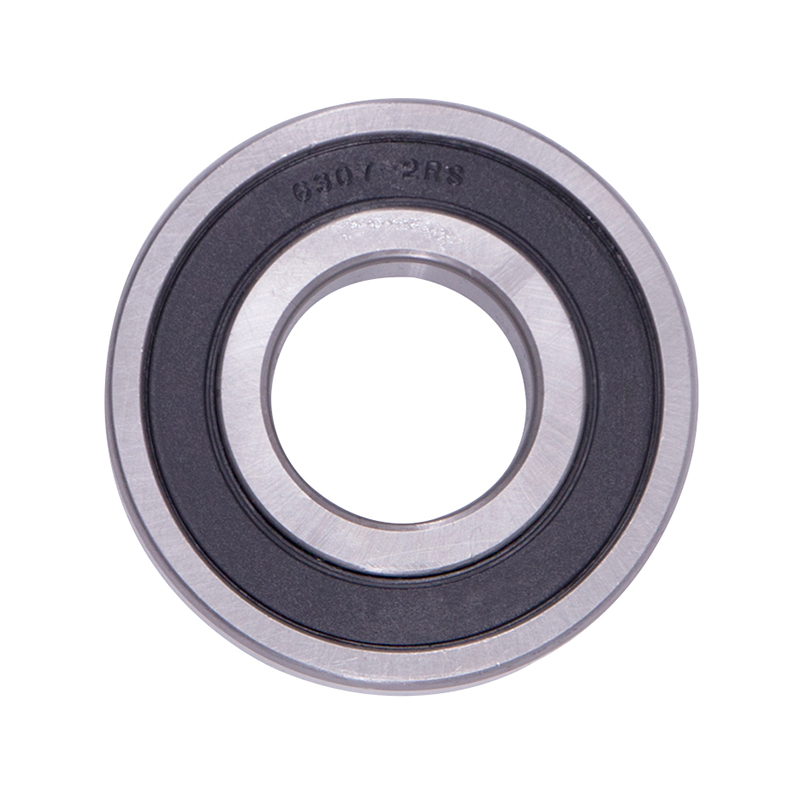 Wheel Hub Bearings
 -
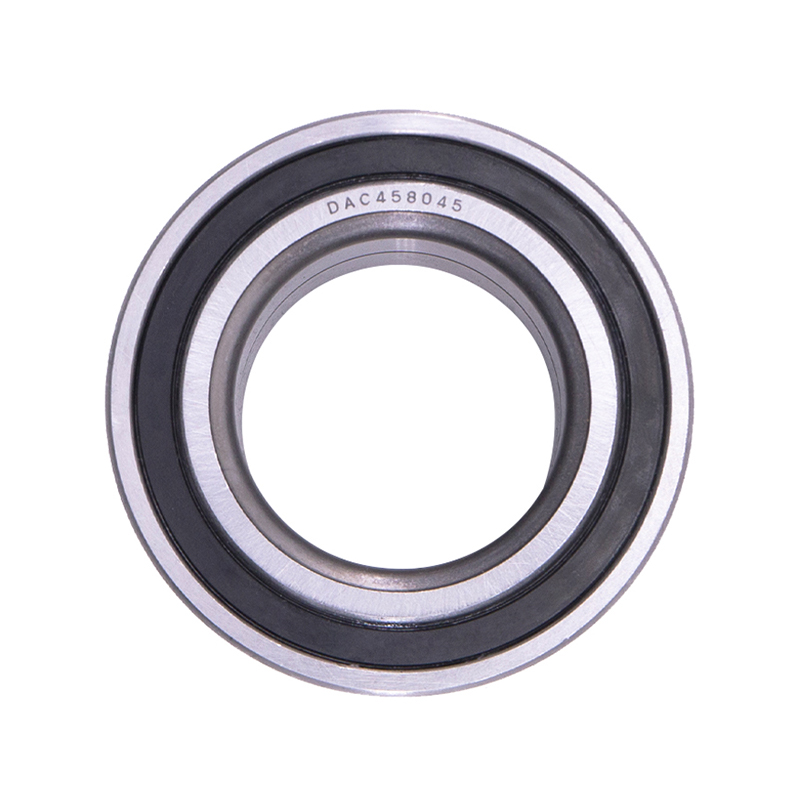 Wheel Hub Bearings
DAC387436 DAC458045 Hub Deep Groove Ball Car Wheel Bearing
-
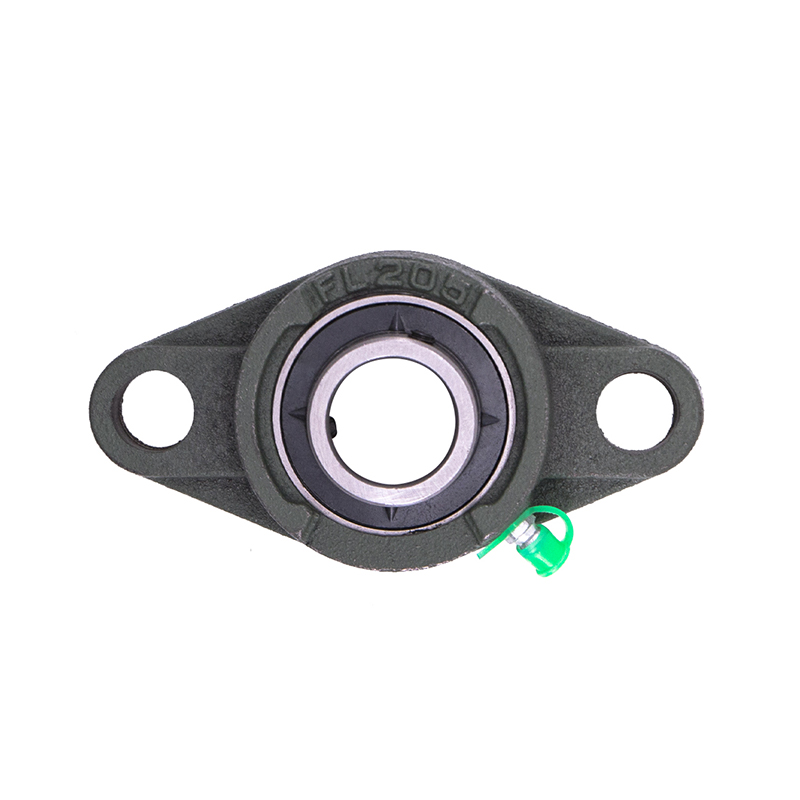 Spherical Bearings
FL204 FL205 FL206 Stainless Steel Pillow Block Bearing
-
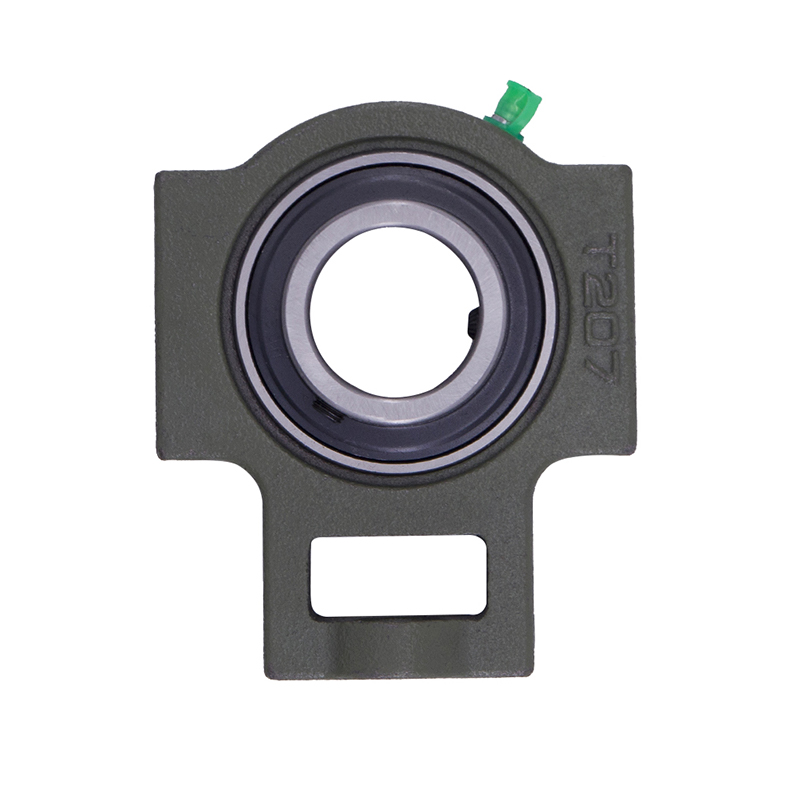 Spherical Bearings
T204 T207 UC204 High Speed Insert Pillow Block Bearing
-
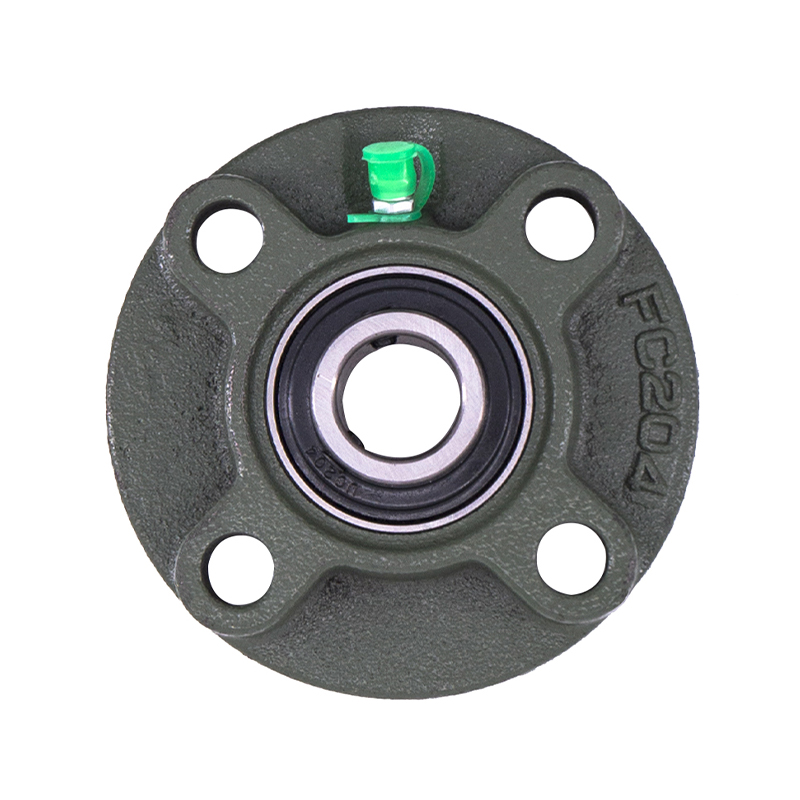 Spherical Bearings
FC204 F210 Auto Wheels Bike Pillow Block Bearing
-
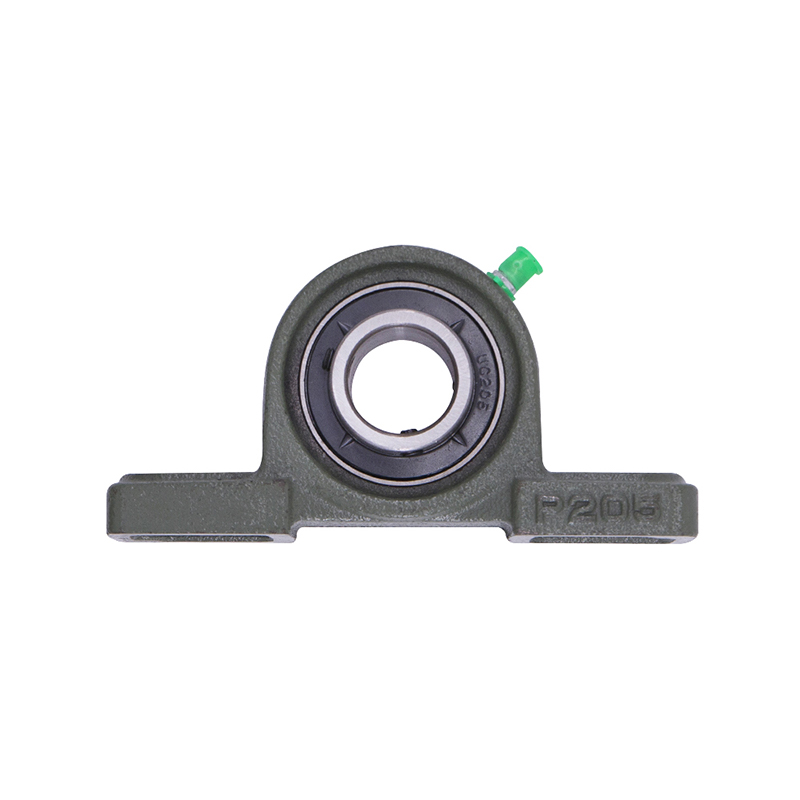 Spherical Bearings
P207 206 205 203 High Precision Wheel Pillow Block Bearing
-
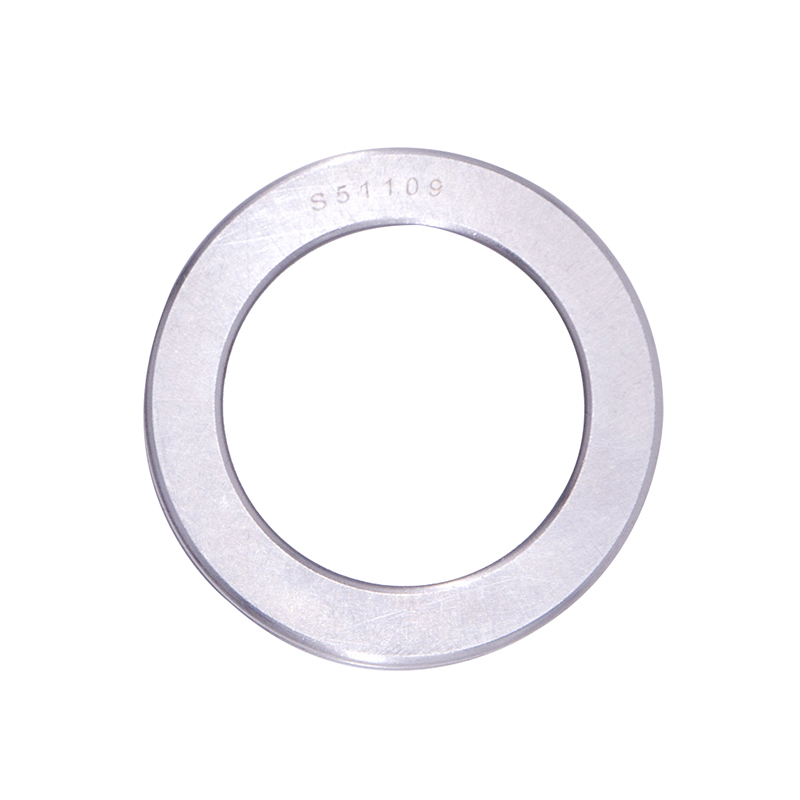 Thrust Roller Bearings
S51100 S51107 S51109 Car Wheel Plain Thrust Ball Bearing
-
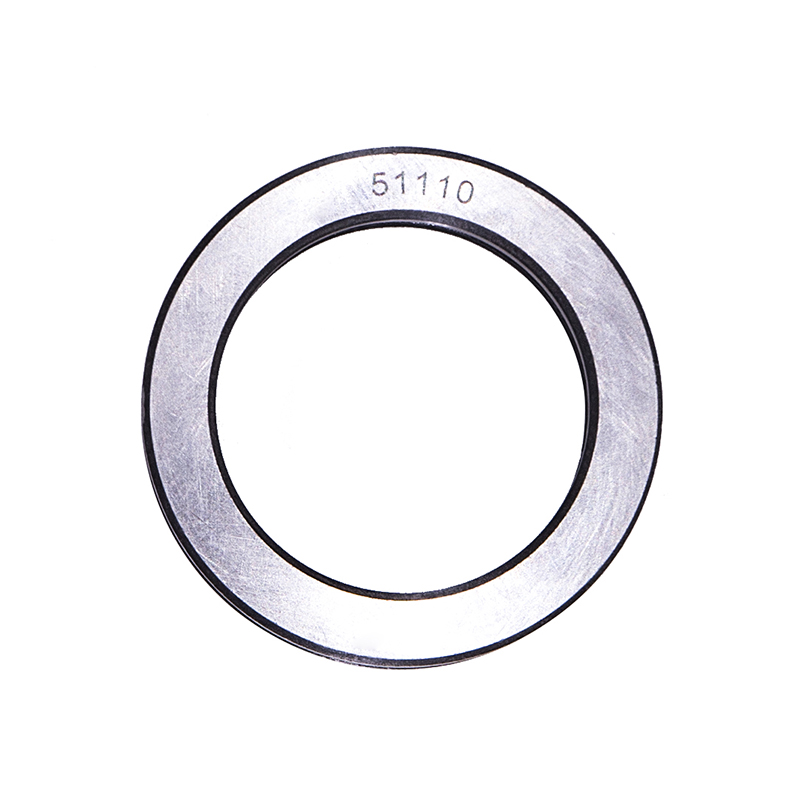 Thrust Roller Bearings
51110 51107 51104 51206 High Speed Plain Thrust Ball Bearing
Cylindrical Roller Bearings: Uses and Regional Distribution
Industry news-Functional Applications and Design Characteristics of Cylindrical Roller Bearings
High radial load capacity in industrial machinery.
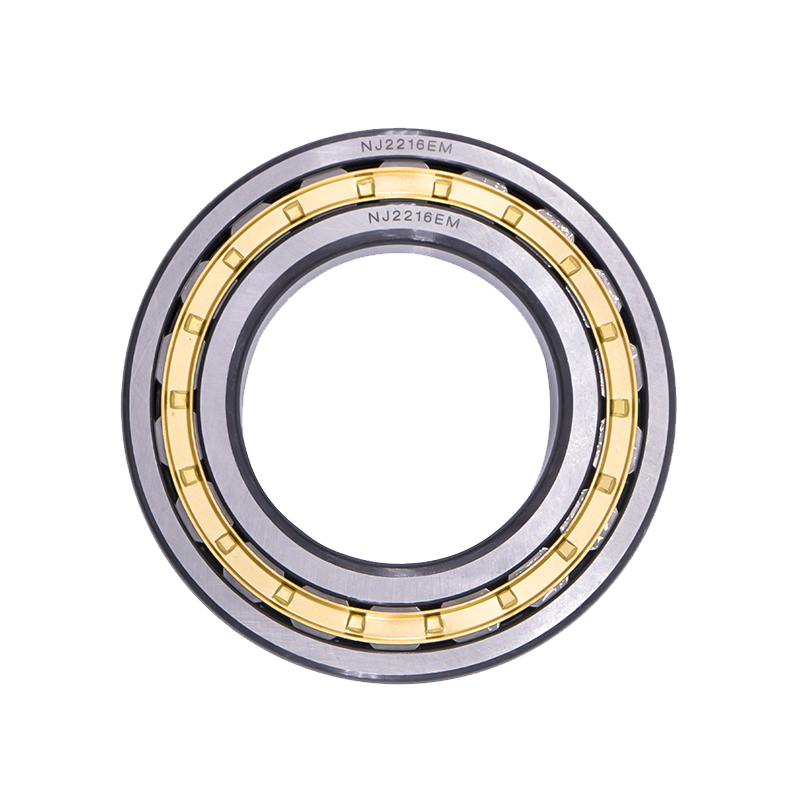
Cylindrical roller bearings use cylindrical rolling elements instead of balls, providing line contact rather than point contact between the rolling element and raceway. This geometry increases radial load capacity by approximately 1.5 to 2.5 times compared to a ball bearing of the same external dimensions. For a given radial load of 50 kN, a cylindrical roller bearing of 80 mm bore has a calculated L10 life of 15,000–20,000 hours, while a deep groove ball bearing of the same bore under identical load yields 4,000–6,000 hours. These bearings are applied in gearboxes, electric motor support positions, rolling mill stands, and large compressors. The separator (cage) maintains even spacing between rollers, allowing speeds up to 10,000–15,000 rpm depending on bearing size, lubrication method, and cage material—polyamide cages for moderate temperatures (up to 120°C), brass or steel cages for high temperatures (up to 200°C) and higher speeds.
Separable design for assembly and maintenance.
Cylindrical roller bearings offer separable components: the inner ring with roller-cage assembly can be removed from the outer ring. This feature simplifies mounting and dismounting, particularly on shafts with shoulders or adjacent components. For a gearbox input shaft with a bearing located between two gears, the separable design allows the outer ring to be installed in the housing bore while the inner ring with rollers is pressed onto the shaft separately. Without separability, the entire bearing would require heating and simultaneous alignment with both shaft and housing—a difficult operation when access is restricted. Most cylindrical roller bearings in the NU and N series have no flanges on one ring, permitting axial displacement of the shaft relative to the housing. This accommodates thermal expansion: a steel shaft of 1,000 mm length operating at 80°C above ambient expands by approximately 1.0 mm, which the bearing’s axial float (2–3 mm typical) can absorb without inducing internal axial loads.
Lubrication and speed limitations.
Cylindrical roller bearings require a minimum oil film thickness to separate the rollers from raceways. For oil lubrication, the kinematic viscosity at operating temperature should be 15–40 mm²/s for normal conditions. At speeds above 8,000 mm/s (bearing pitch diameter in mm multiplied by rpm), oil-air lubrication or jet lubrication becomes necessary to remove heat. For a bearing with 100 mm bore and pitch diameter of 140 mm, 8,000 mm/s corresponds to 57,000 / 140 = 9,500 rpm. Above this speed, the rolling elements generate heat from churning in the oil bath. A bearing at 12,000 rpm with oil bath lubrication may reach 100–120°C steady temperature, reducing oil viscosity and risking metal-to-metal contact. Jet lubrication (oil directed at the roller-ring contact) reduces operating temperature by 15–25°C at the same speed. For grease lubrication, permissible speeds are 40–60% of oil-lubricated speeds. A bearing rated for 10,000 rpm with oil jet is limited to 4,000–6,000 rpm with grease, because grease cannot flow quickly enough to cool the contact zones.
Regional Production and Application Patterns of Cylindrical Roller Bearings
European manufacturing heritage and high-precision segments.
Germany, Sweden, and Italy account for approximately 35–40% of global cylindrical roller bearing production by value, according to industry association data from 202German manufacturers (Schaeffler/FAG, INA) specialize in high-precision bearings for machine tool spindles and wind turbine gearboxes, with dimensional tolerances achieving P4 and P2 classes (ABEC 7 and 9). A German-made P4 cylindrical roller bearing for a 100 mm diameter spindle shaft has bore tolerance of +0/-0.008 mm, radial runout below 0.003 mm, and roller diameter matched to within 0.0005 mm across all rollers. These bearings are priced 2–3 times higher than standard P0 grade bearings but operate at 20,000–30,000 rpm with oil-air lubrication. Swedish manufacturers (SKF) focus on applications in heavy industry—paper mill rolls, marine propulsion shafts, and mining conveyors. SKF’s Explorer series cylindrical roller bearings for 200–400 mm bore diameters have dynamic load ratings 10–15% higher than previous generations through optimized roller profiles and surface texturing. Italian producers (Caser, RKB) serve the European automotive and agricultural machinery sectors with medium-volume bearings (50,000–200,000 units per year per product line).
North American specialty applications and aftermarket.
The United States and Canada produce approximately 8–10% of global cylindrical roller bearings by value, with production concentrated in specialized applications where domestic content is specified—military vehicles, aerospace actuators, and oil and gas drilling equipment. US manufacturers (Timken, RBC Bearings) focus on bearings for severe operating conditions: high-temperature (up to 250°C with special grease), corrosive environments (offshore drilling platforms requiring 316 stainless steel rings), and shock-loaded applications (railroad axle bearings). Timken’s cylindrical roller bearings for rail applications (6.5–8.0 inch bore) are designed for 1–1.5 million miles of service life under axle loads of 30–35 tons. Surface carburizing (case depth 1.5–2.5 mm, surface hardness 58–62 HRC) provides wear resistance while the core remains tough (35–40 HRC) to absorb shock loads. The North American aftermarket for cylindrical roller bearings is significant: replacement bearings for mining trucks, steel mill equipment, and power generation plants account for 40–50% of sales volume, compared to 20–25% in Europe and 10–15% in China, where original equipment dominates. Lead times for specialty bearings (non-catalog sizes or materials) from US manufacturers range from 8–20 weeks, compared to 12–30 weeks from European suppliers and 4–12 weeks from Chinese suppliers, influencing buyer decisions based on urgency versus price sensitivity.
Our Product//
Related Product
If you are interested in our products, please consult us
Contact Details
- Address: 1377-13 Yinhai International, Jinhua, Zhejiang, China
- Fax: 0086-0319-8544668
- Tel: +86-15215868236
+86-15833609668 - Email: [email protected]
Products
Quick Link
News Center
Mobile terminal
Copyright © Yiwu Delian Bearing Co., Ltd. ALL RIGHTS RESERVED.
