
 English
 русский
 Español
-
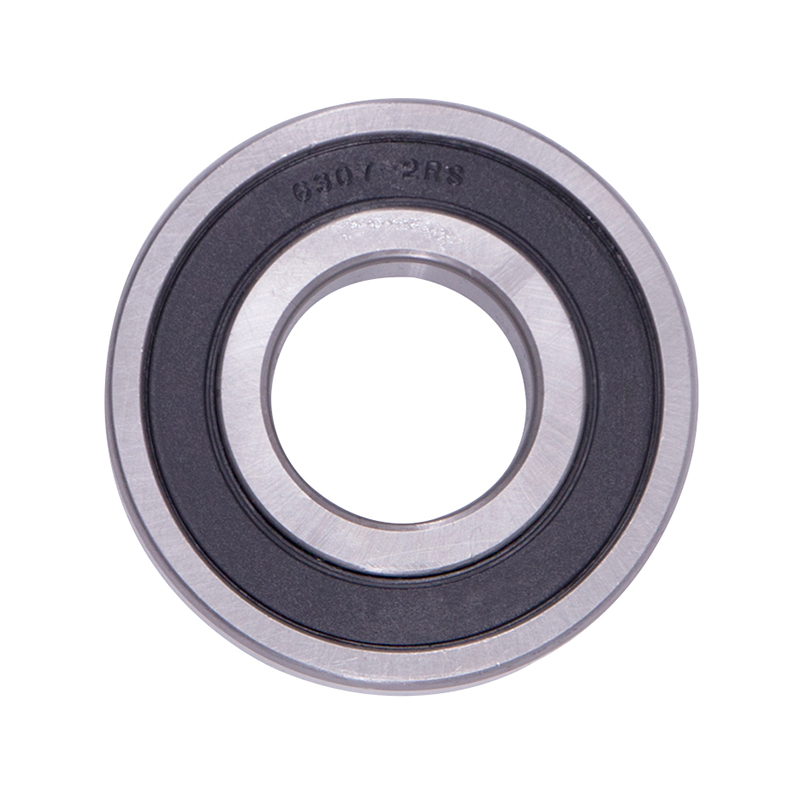 Wheel Hub Bearings
 -
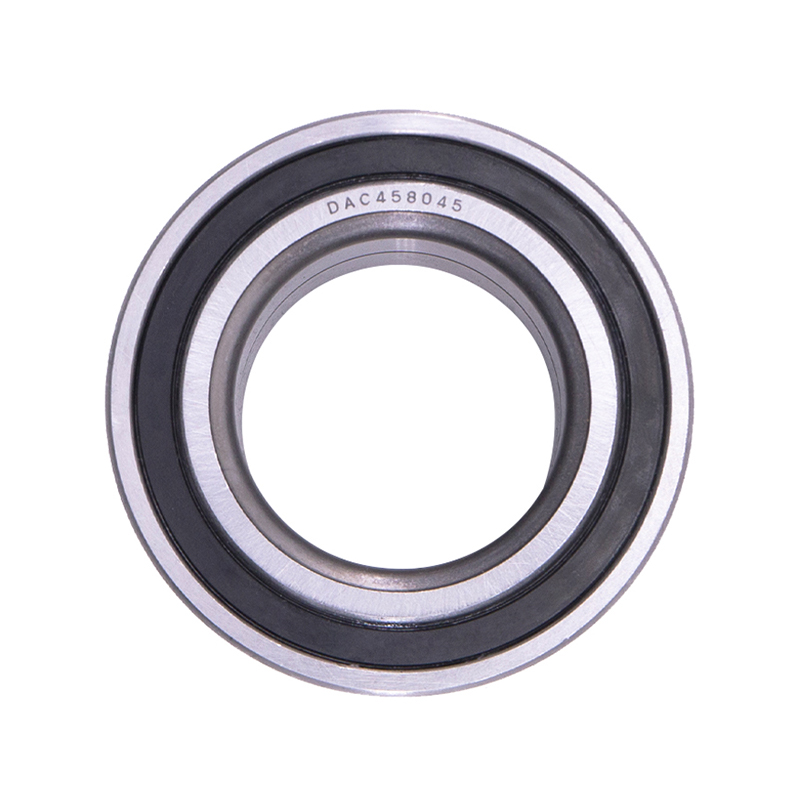 Wheel Hub Bearings
DAC387436 DAC458045 Hub Deep Groove Ball Car Wheel Bearing
-
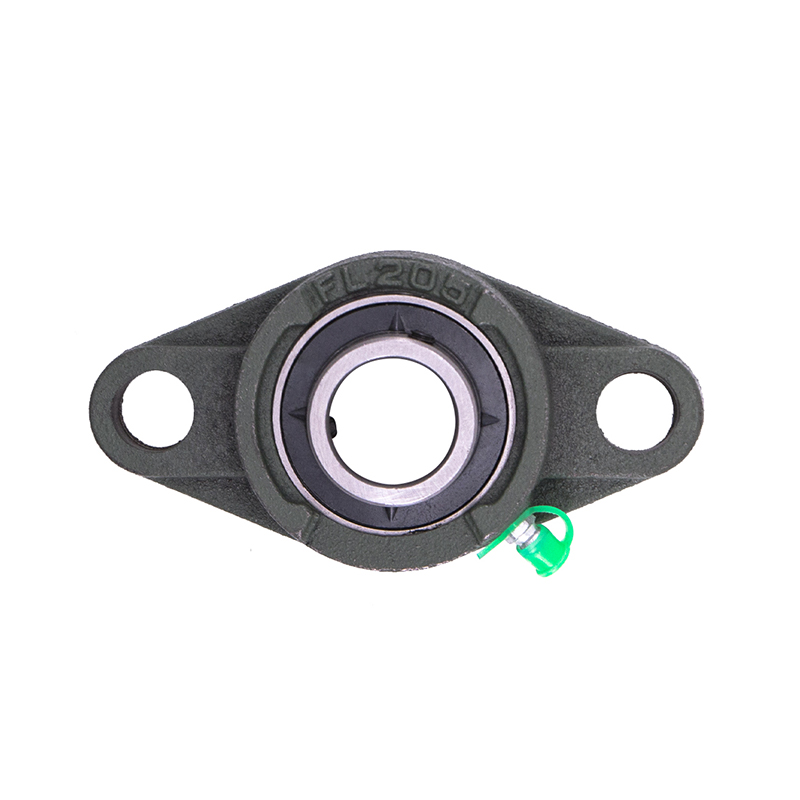 Spherical Bearings
FL204 FL205 FL206 Stainless Steel Pillow Block Bearing
-
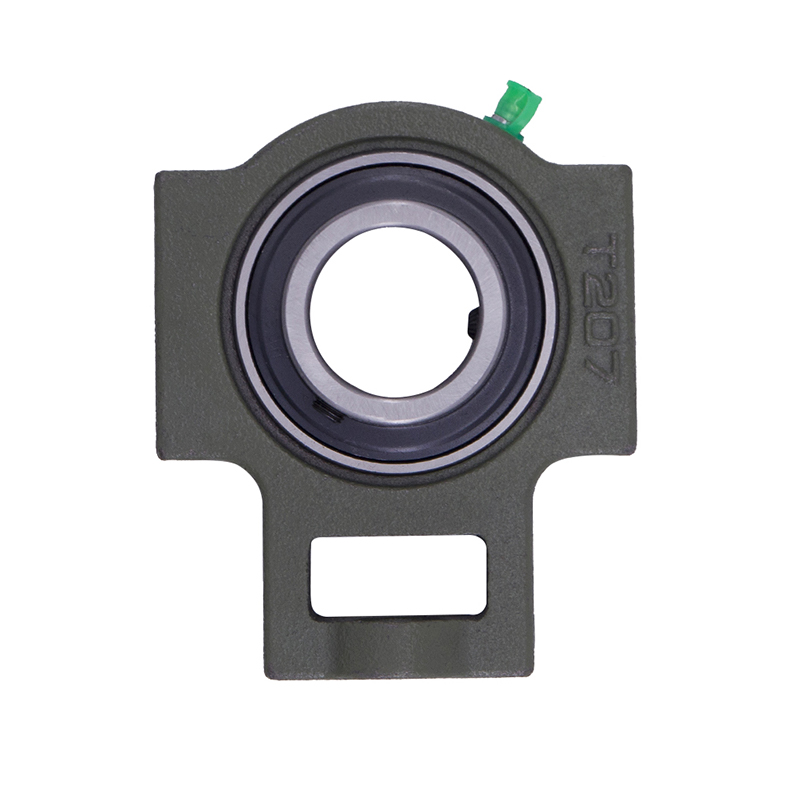 Spherical Bearings
T204 T207 UC204 High Speed Insert Pillow Block Bearing
-
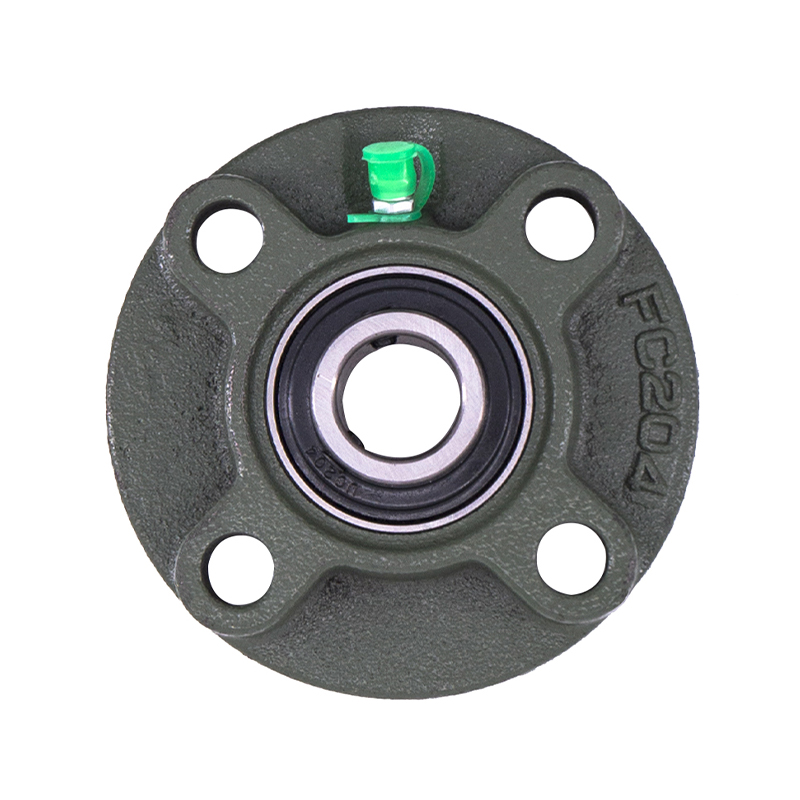 Spherical Bearings
FC204 F210 Auto Wheels Bike Pillow Block Bearing
-
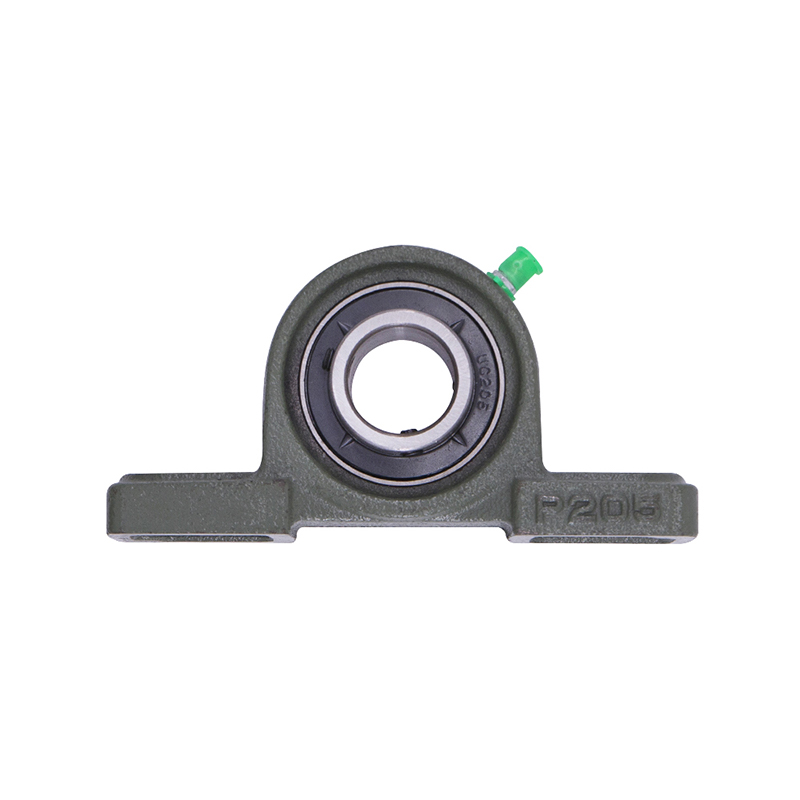 Spherical Bearings
P207 206 205 203 High Precision Wheel Pillow Block Bearing
-
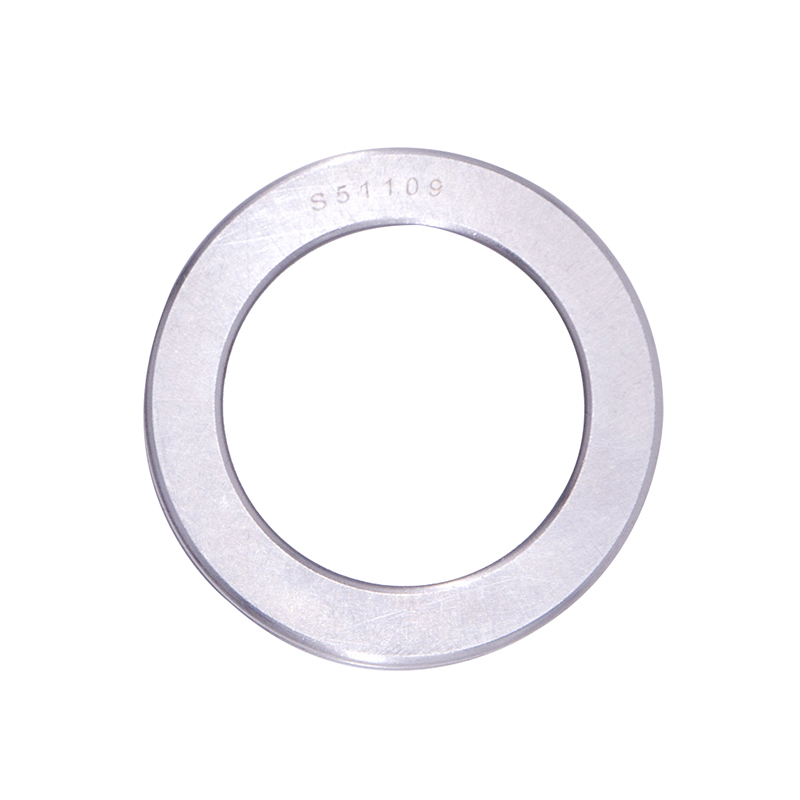 Thrust Roller Bearings
S51100 S51107 S51109 Car Wheel Plain Thrust Ball Bearing
-
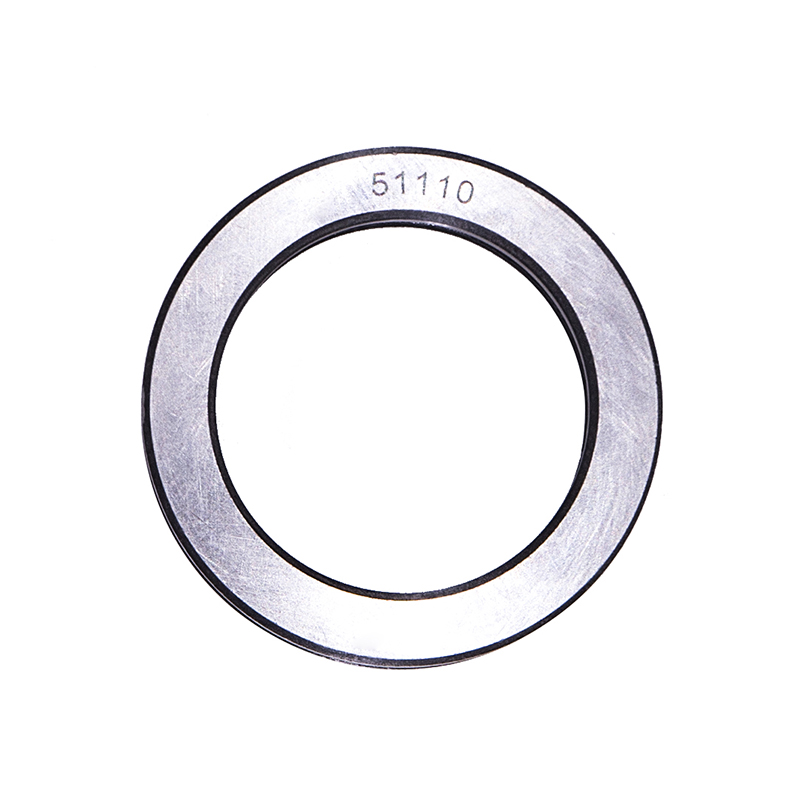 Thrust Roller Bearings
51110 51107 51104 51206 High Speed Plain Thrust Ball Bearing
How Are High Precision Machinery Self-Aligning Ball Bearings Used and What Challenges Do They Present?
Industry news-High precision machinery self-aligning ball bearings are specialized components designed to support radial and axial loads in rotating machinery while accommodating misalignment. These bearings are commonly used in applications where precision, reliability, and smooth operation are important, such as machine tools, industrial motors, and automation equipment. They feature a double-row ball design and a spherical outer raceway that allows the inner ring to self-align, compensating for shaft deflection or mounting errors.
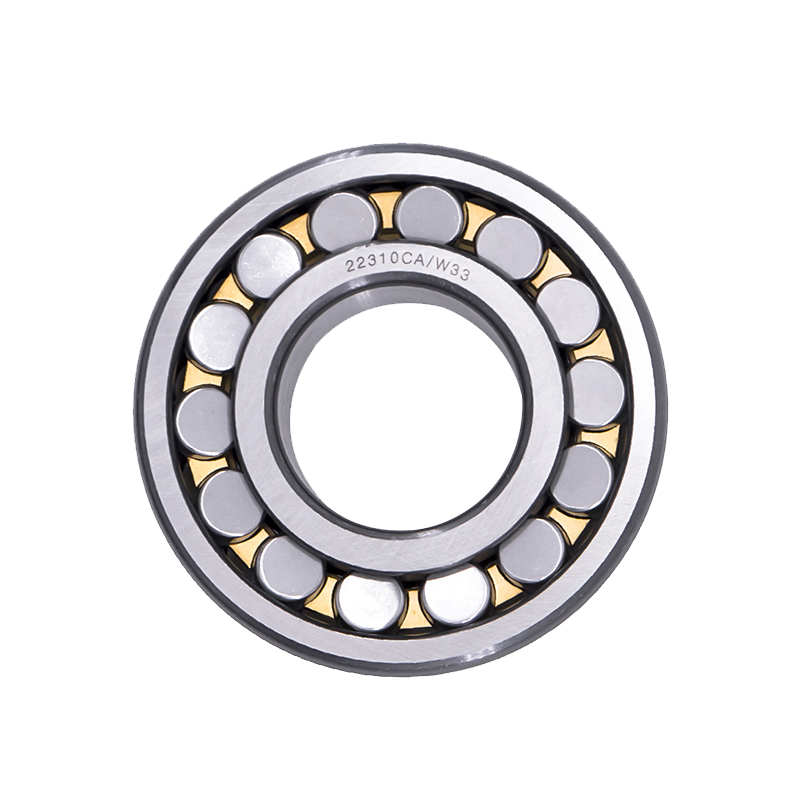
Bearing Rings: Inner and Outer Races
Through-Hardened Chromium Steel:
The most common material for precision bearing rings is SAE 52100 chromium steel (also known as 100Cr6 or AISI 52100).
This alloy contains approximately 1.5% chromium and 1% carbon, providing high hardness after heat treatment (typically 60-67 HRC).
The material offers excellent wear resistance and dimensional stability under load.
For high precision applications, the steel undergoes additional processing including vacuum degassing to reduce non-metallic inclusions that could cause premature failure.
Case-Hardened Steels:
For applications involving heavy shock loads, manufacturers use case-hardened steels such as 8620 or 4320 alloys.
These materials have a tough, ductile core with a hard, wear-resistant outer layer.
Case hardening creates compressive residual stresses that improve fatigue life under demanding conditions.
Stainless Steels:
AISI 440C stainless steel is used in applications requiring corrosion resistance, such as food processing or medical equipment.
This martensitic stainless steel achieves hardness comparable to 52100 but with lower load capacity due to different alloy composition.
For extreme corrosion resistance, some precision bearings use nitride-based ceramics for rings, though these are specialized and costly.
High Precision Machinery Self-Aligning Ball Bearings
Applications and Functions
These bearings are used in various precision machinery settings:
Machine tools
Lathes, milling machines, and grinders requiring precise rotation
Support high-speed spindles and reduce vibration for accurate machining
Industrial motors and generators
Provide consistent rotation under combined loads
Accommodate minor shaft misalignments without compromising performance
Automation and robotics
Bearings in robotic arms or precision actuators help maintain alignment under variable loads
Reduce wear in systems with moving joints or minor misalignments
Pumps and fans
Support smooth rotation in applications with slight shaft deflection or thermal expansion
Features Contributing to Performance
Self-aligning capability
Spherical outer raceway allows the inner ring to adjust automatically
Reduces stress on the bearing and surrounding components
High precision and rigidity
Manufactured to tight tolerances for consistent rotation
Helps maintain alignment in high-speed or high-load operations
Durable construction
Typically made of high-grade steel, heat-treated for wear resistance
Compatible with lubrication systems to reduce friction and extend service life
These features ensure that self-aligning ball bearings support reliable performance in precision machinery.
What Are the Problems with High Precision Machinery Self-Aligning Ball Bearings?
While self-aligning ball bearings are useful in precision machinery, they present certain operational and maintenance challenges.
Misalignment Limits
Bearings can correct only small degrees of misalignment; excessive misalignment may reduce bearing life.
In high-speed applications, even minor angular deviations can increase wear and vibration.
Load and Speed Limitations
Designed primarily for radial loads, with moderate axial capacity; exceeding these limits may cause premature failure.
High-speed operation can generate heat, increasing lubricant degradation and reducing performance.
Lubrication and Maintenance Challenges
Bearings require consistent lubrication to reduce friction and prevent overheating.
Contaminants such as dust, metal shavings, or moisture can cause corrosion or abrasion.
Regular inspection and cleaning are necessary but may be challenging in confined or automated equipment.
Noise and Vibration
Worn or improperly installed bearings can produce vibration or noise, affecting precision machinery performance.
Misalignment, uneven lubrication, or contamination may increase operational noise.
Cost Considerations
High precision self-aligning bearings are more expensive than standard bearings.
Repair or replacement in machinery can be costly due to precise installation and calibration requirements.
Our Product//
Related Product
If you are interested in our products, please consult us
Contact Details
- Address: 1377-13 Yinhai International, Jinhua, Zhejiang, China
- Fax: 0086-0319-8544668
- Tel: +86-15215868236
+86-15833609668 - Email: [email protected]
Products
Quick Link
News Center
Mobile terminal
Copyright © Yiwu Delian Bearing Co., Ltd. ALL RIGHTS RESERVED.
