
 English
 русский
 Español
-
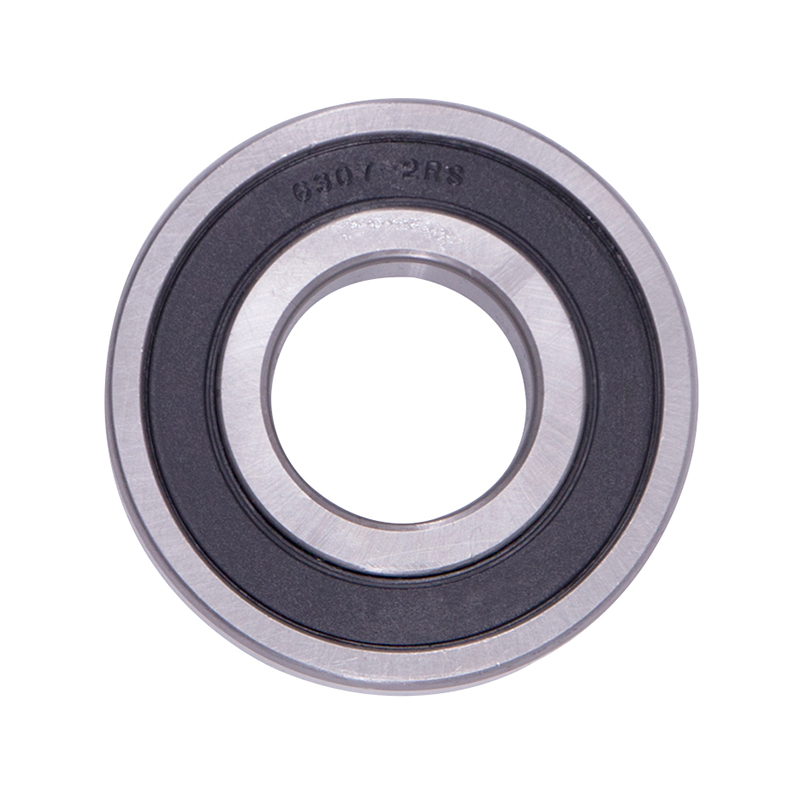 Wheel Hub Bearings
 -
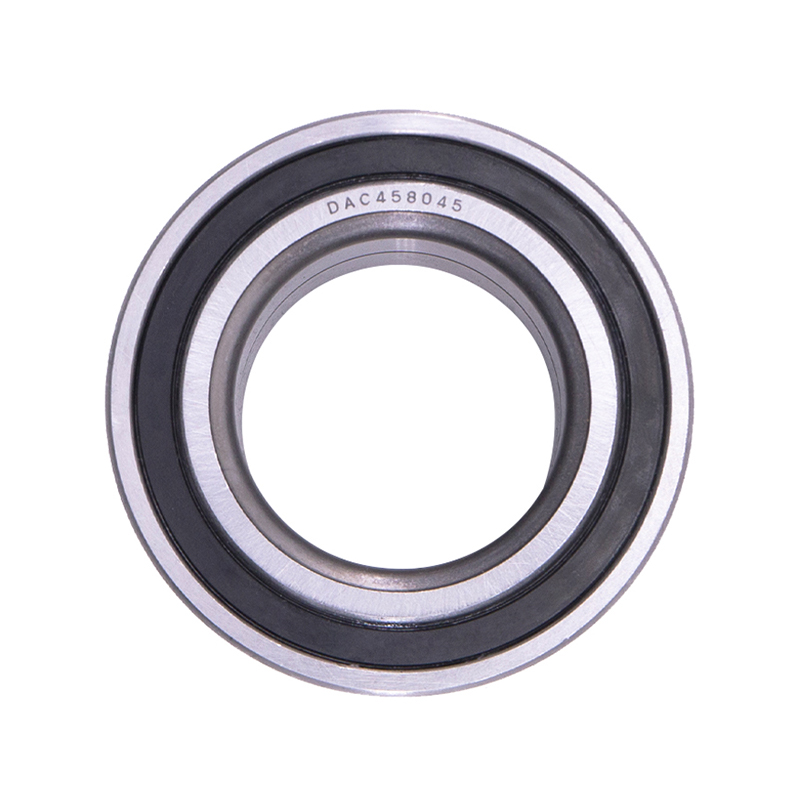 Wheel Hub Bearings
DAC387436 DAC458045 Hub Deep Groove Ball Car Wheel Bearing
-
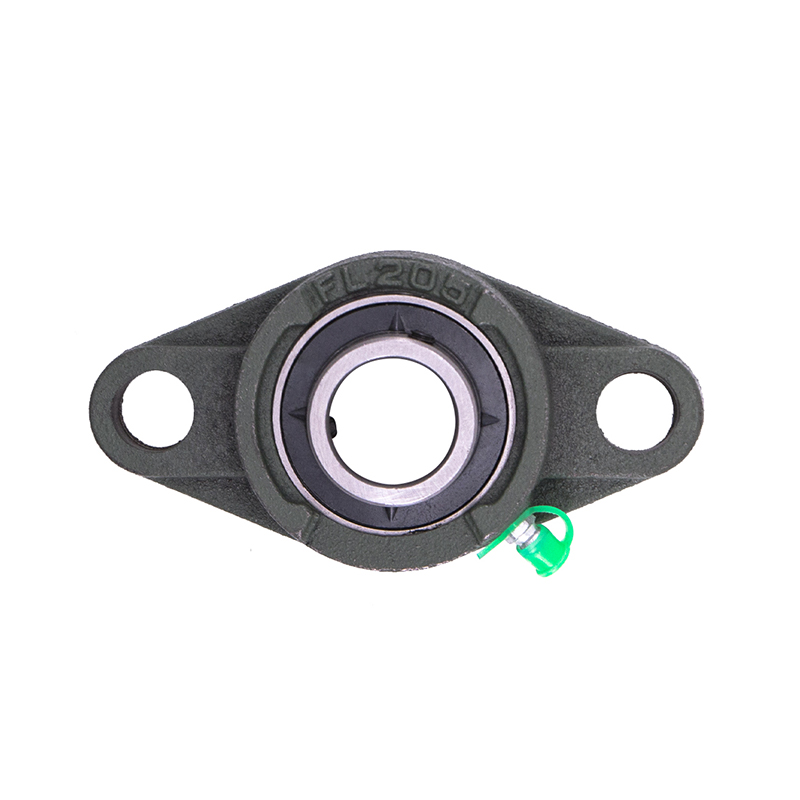 Spherical Bearings
FL204 FL205 FL206 Stainless Steel Pillow Block Bearing
-
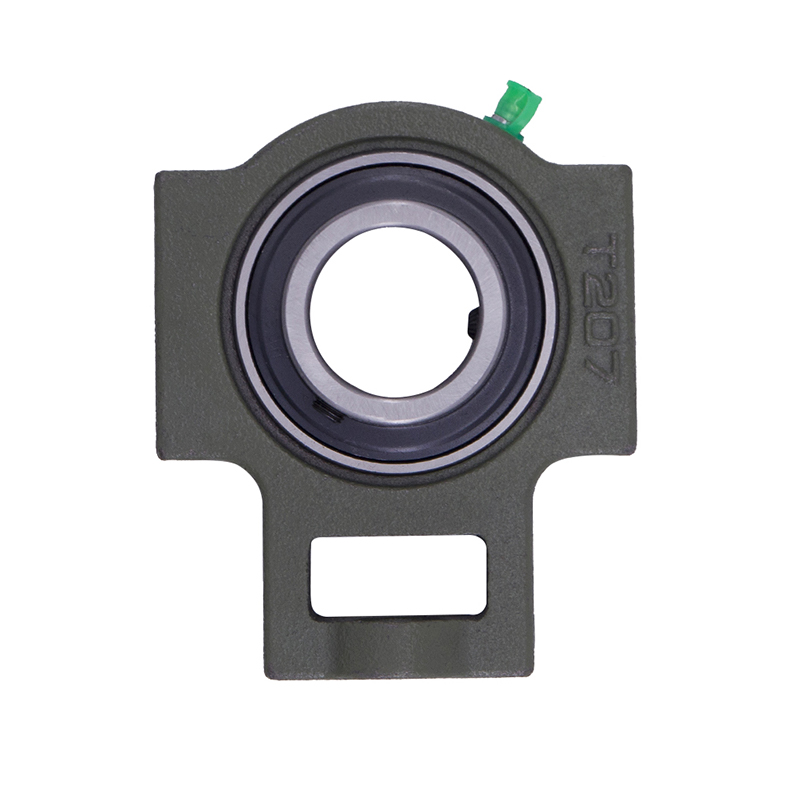 Spherical Bearings
T204 T207 UC204 High Speed Insert Pillow Block Bearing
-
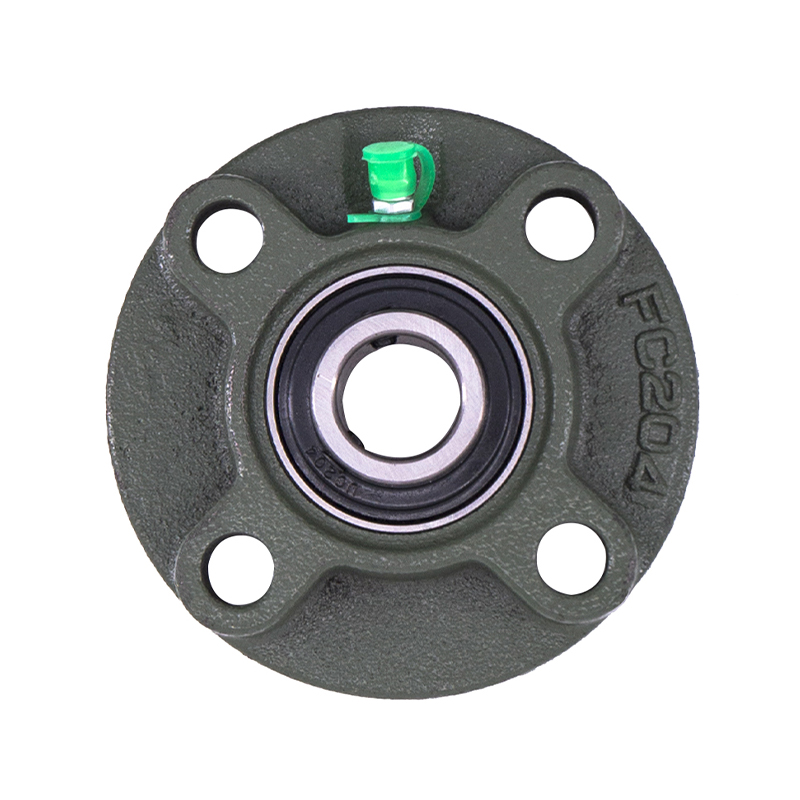 Spherical Bearings
FC204 F210 Auto Wheels Bike Pillow Block Bearing
-
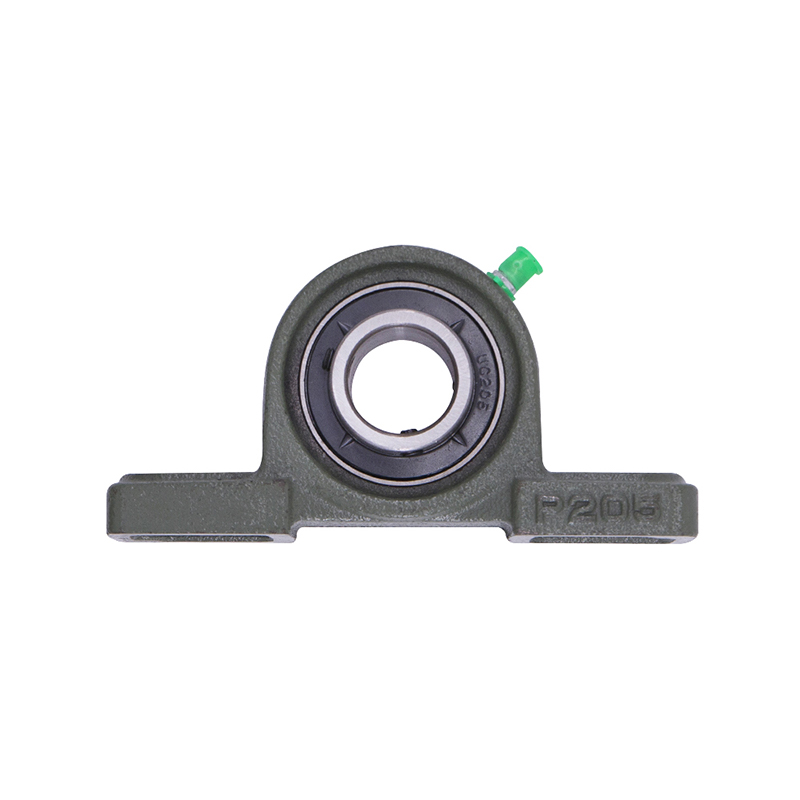 Spherical Bearings
P207 206 205 203 High Precision Wheel Pillow Block Bearing
-
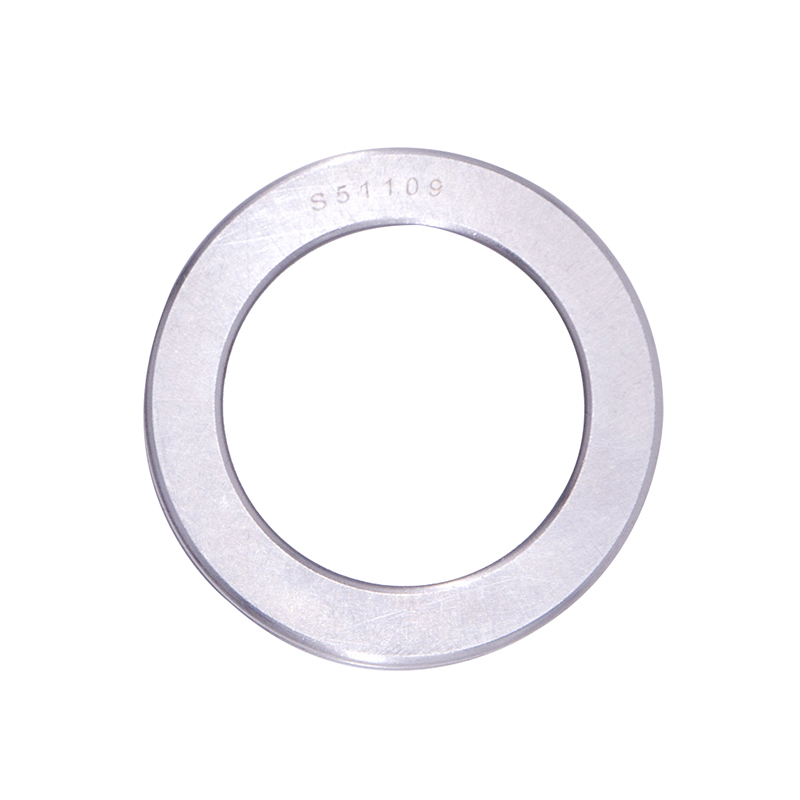 Thrust Roller Bearings
S51100 S51107 S51109 Car Wheel Plain Thrust Ball Bearing
-
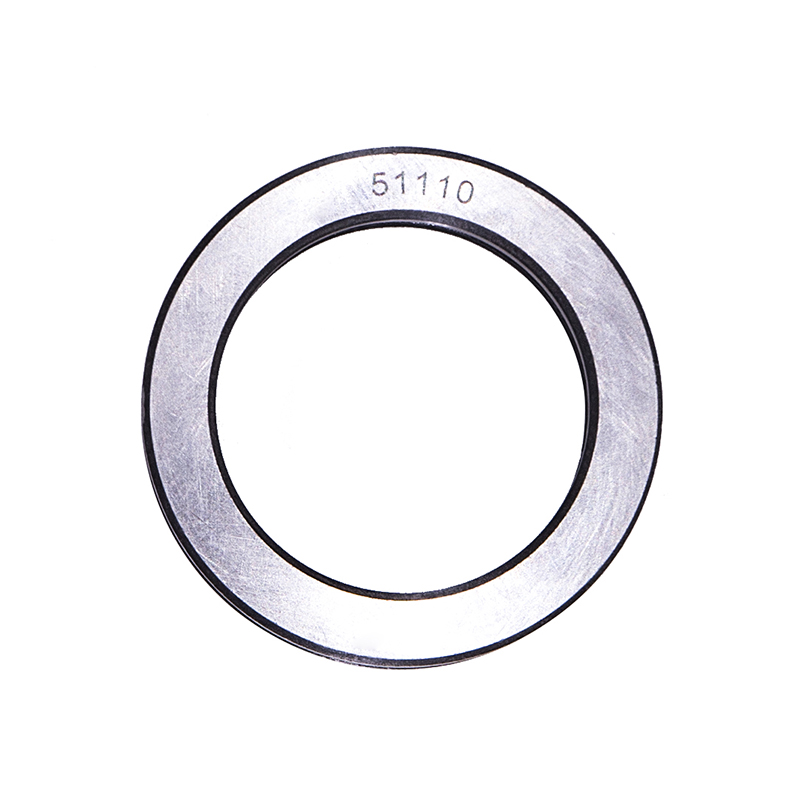 Thrust Roller Bearings
51110 51107 51104 51206 High Speed Plain Thrust Ball Bearing
What Should You Know About Car Hub Deep Groove Ball Bearings: Types, Value, and Design?
Industry news-Car hub deep groove ball bearings are essential components in automotive wheel assemblies. They provide support for the vehicle's wheels while allowing smooth rotation and the ability to carry radial and axial loads. These bearings are commonly used in passenger cars, trucks, and commercial vehicles, ensuring stability, handling, and safety.
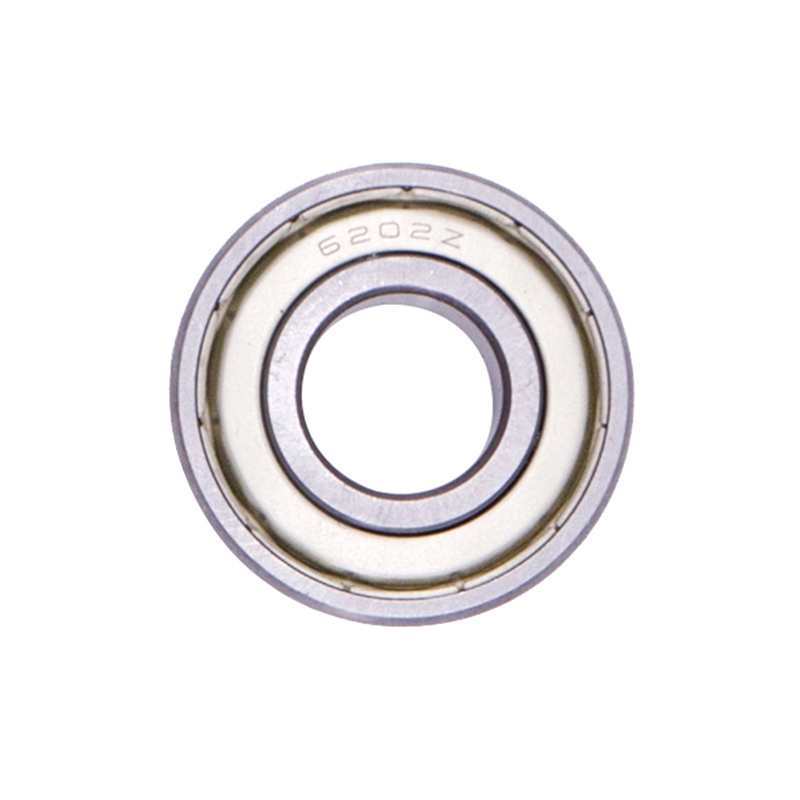
What Types of Car Hub Deep Groove Ball Bearings Are Available?
Car hub deep groove ball bearings can be categorized based on construction, sealing, and application type. These distinctions affect performance, durability, and compatibility with specific vehicles.
By Construction
Single-row deep groove ball bearings
Consist of a single row of balls between inner and outer rings
Support moderate radial and axial loads in both directions
Commonly used in smaller vehicles or lighter wheel hubs
Double-row deep groove ball bearings
Contain two rows of balls, increasing load-carrying capacity
Provide greater rigidity and stability for heavier vehicles or high-speed applications
Often used in trucks, SUVs, and commercial vehicles
By Sealing and Shielding
Open bearings
Do not have seals or shields, allowing easier inspection and lubrication
Suitable for applications where protective covers are present or maintenance is frequent
Sealed or shielded bearings
Include rubber or metal seals to prevent contamination from dust, water, or debris
Reduce the need for frequent lubrication and extend service intervals
Commonly used in modern passenger vehicles for maintenance-free operation
These types allow manufacturers and users to select bearings based on load requirements, environmental conditions, and maintenance considerations.
Why Is Car Hub Deep Groove Ball Bearing Worth Buying?
Car hub deep groove ball bearings provide several practical advantages for vehicle performance, safety, and maintenance.
Load Carrying Capacity
Capable of supporting radial loads from the weight of the vehicle
Handle axial loads generated during cornering, braking, and acceleration
Double-row designs provide additional support for heavier vehicles or high-load conditions
Smooth Rotation and Handling
Precision manufacturing ensures reduced friction and even load distribution
Smooth rotation contributes to improved wheel alignment, ride quality, and vehicle stability
Reduces wear on other suspension and drivetrain components
Maintenance and Durability
Sealed or shielded versions help prevent contamination and reduce the need for lubrication
Bearings are made from hardened steel or high-grade alloys for resistance to wear and fatigue
Designed for long service intervals when installed correctly and maintained as recommended
Safety Considerations
Bearings help maintain proper wheel attachment and rotation, reducing risk of accidents
Consistent performance supports braking efficiency and cornering stability
Reliable bearings contribute to overall vehicle safety by ensuring predictable handling
These practical advantages make car hub deep groove ball bearings a necessary investment for vehicle maintenance and manufacturing.
How Is the Design of Car Hub Deep Groove Ball Bearings?
The design of car hub deep groove ball bearings incorporates structural elements, materials, and protective features to ensure performance and reliability.
Core Components
Inner and outer rings
Provide raceways for the balls and maintain alignment under load
Rings are usually hardened and precision machined for tight tolerances
Balls
Spherical steel balls provide rolling contact between the rings
Even load distribution reduces friction and wear
Cage or retainer
Separates balls and maintains uniform spacing
Reduces friction and ensures smooth operation
Sealing and Lubrication
Seals or shields prevent contamination from dust, water, or debris
Bearings may be pre-lubricated with grease suitable for automotive conditions
Lubrication reduces heat generation and extends service life
Material and Heat Treatment
High-quality steel or alloy is used for rings and balls
Heat treatment increases hardness and fatigue resistance
Corrosion-resistant coatings or finishes may be applied for additional durability
Design Considerations for Vehicle Applications
Bearings are designed to accommodate radial and axial loads simultaneously
Double-row configurations increase rigidity for larger or heavier vehicles
Integration into hub assemblies ensures compatibility with braking systems, wheel mounts, and suspension components
Proper design ensures that the bearing can support vehicle weight, handle dynamic loads, and operate effectively under varying temperatures and road conditions.
Our Product//
Related Product
If you are interested in our products, please consult us
Contact Details
- Address: 1377-13 Yinhai International, Jinhua, Zhejiang, China
- Fax: 0086-0319-8544668
- Tel: +86-15215868236
+86-15833609668 - Email: [email protected]
Products
Quick Link
News Center
Mobile terminal
Copyright © Yiwu Delian Bearing Co., Ltd. ALL RIGHTS RESERVED.
