
 English
 русский
 Español
-
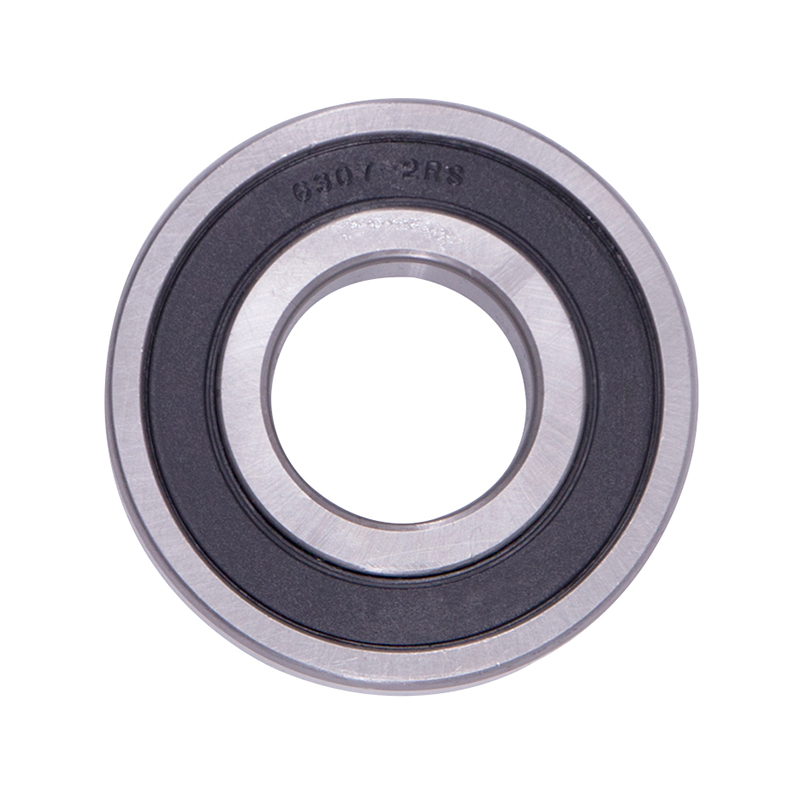 Wheel Hub Bearings
 -
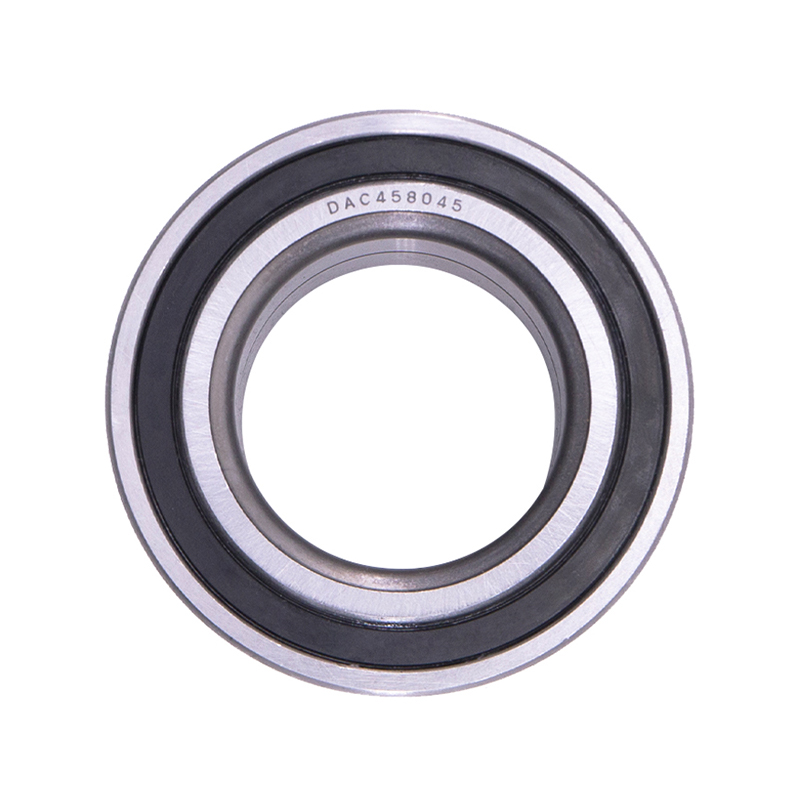 Wheel Hub Bearings
DAC387436 DAC458045 Hub Deep Groove Ball Car Wheel Bearing
-
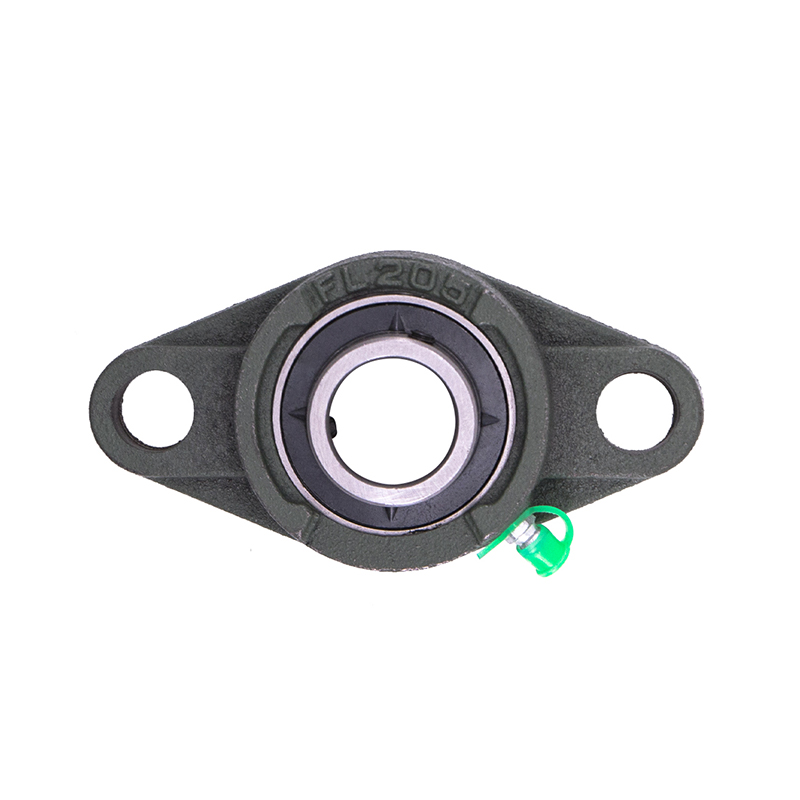 Spherical Bearings
FL204 FL205 FL206 Stainless Steel Pillow Block Bearing
-
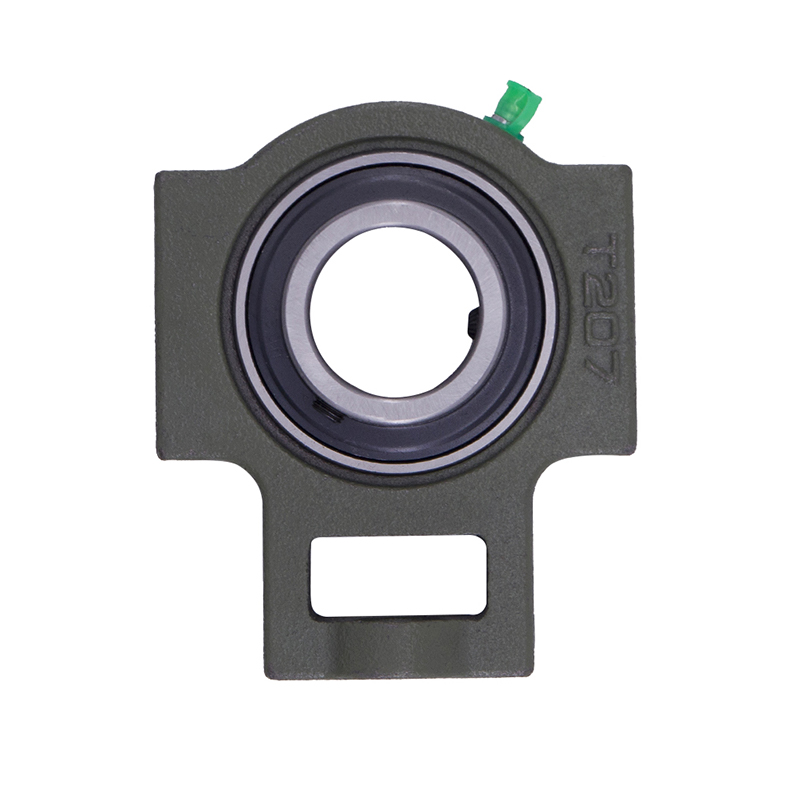 Spherical Bearings
T204 T207 UC204 High Speed Insert Pillow Block Bearing
-
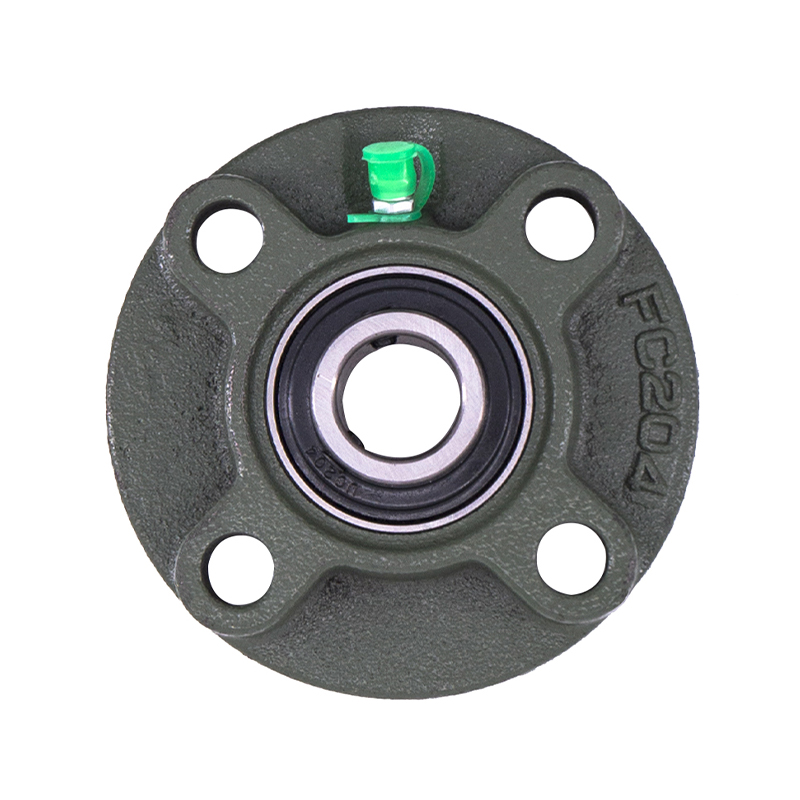 Spherical Bearings
FC204 F210 Auto Wheels Bike Pillow Block Bearing
-
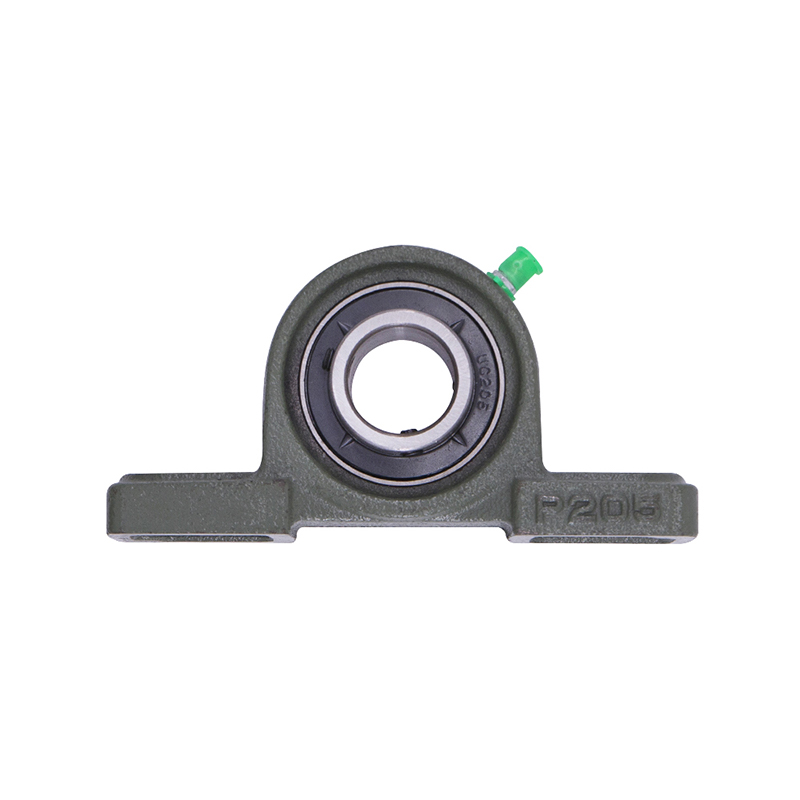 Spherical Bearings
P207 206 205 203 High Precision Wheel Pillow Block Bearing
-
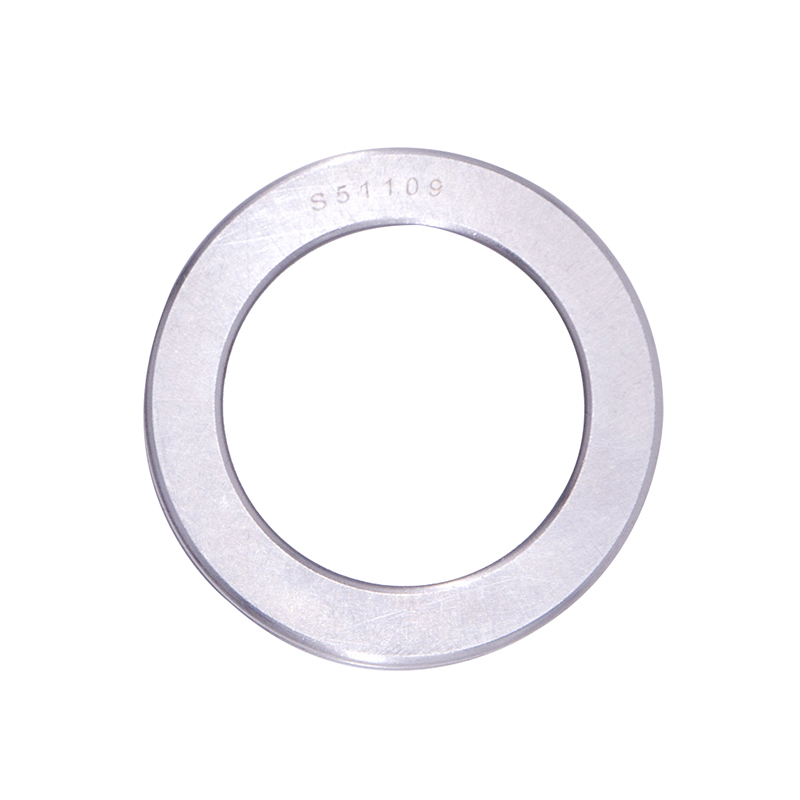 Thrust Roller Bearings
S51100 S51107 S51109 Car Wheel Plain Thrust Ball Bearing
-
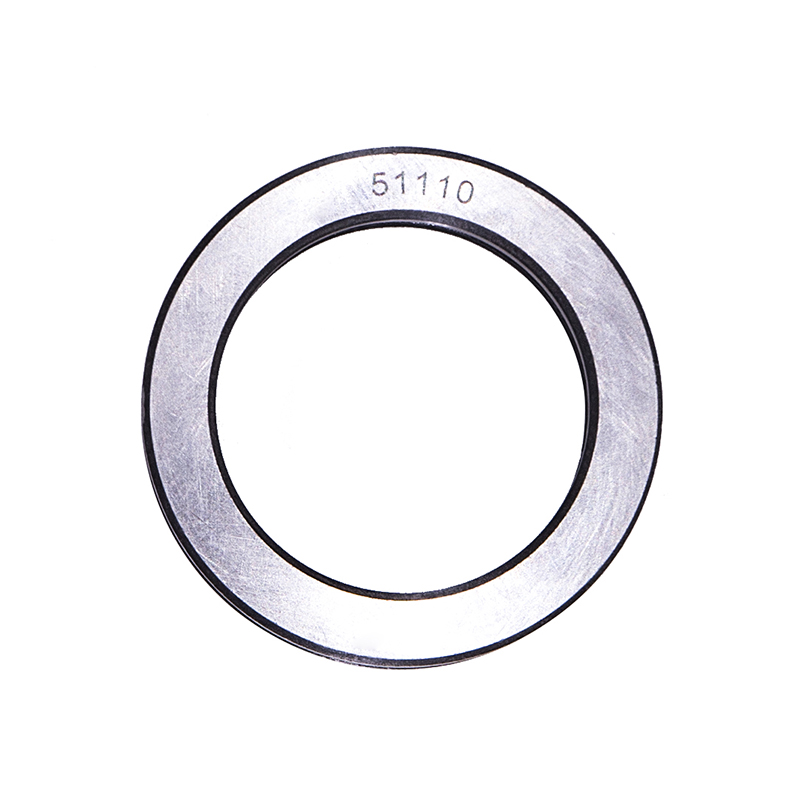 Thrust Roller Bearings
51110 51107 51104 51206 High Speed Plain Thrust Ball Bearing
What Materials Are Used in Today's Auto Angular Contact Ball Bearings?
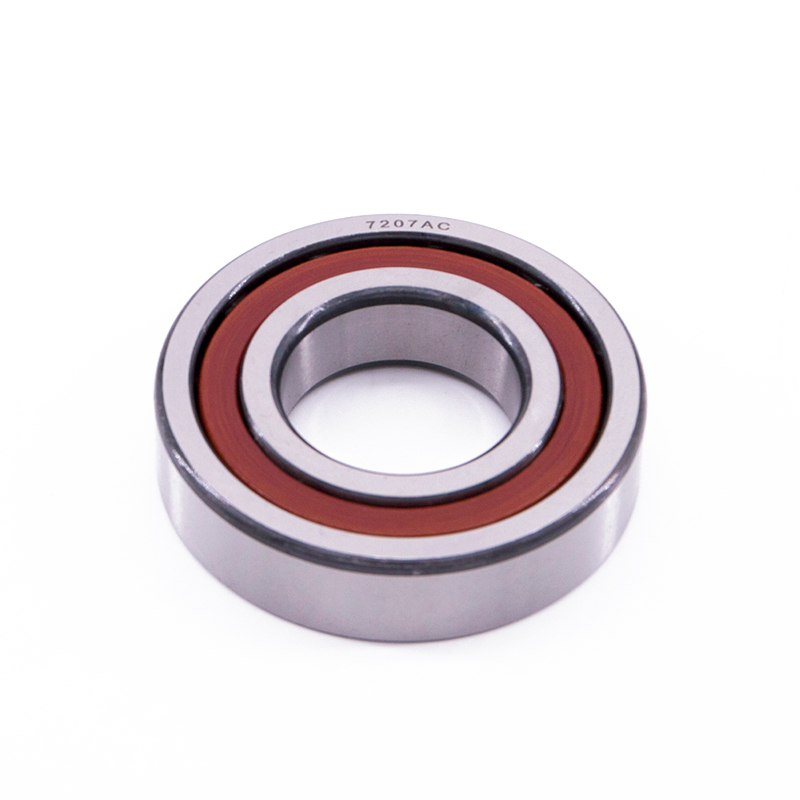
Industry news-Angular contact ball bearings are precision components essential to modern automotive systems, found in wheel hubs, transmissions, differentials, and air conditioning compressors. Unlike deep groove ball bearings, angular contact bearings are designed to support combined radial and axial loads simultaneously, with contact angles that determine their load-carrying characteristics.
Bearing Steels: The Foundation of Performance
The rings and rolling elements of automotive angular contact ball bearings are manufactured from high-carbon chromium steel, a material family developed specifically for bearing applications. The choice among these steels depends on the operating conditions and expected service life.
SAE 52100 (AISI 52100) Steel: This is the common bearing steel for automotive applications, often referred to as chromium steel or bearing quality steel.
It contains approximately 1.0 percent carbon and 1.5 percent chromium, along with smaller amounts of manganese and silicon.
Through-hardening heat treatment produces a uniform microstructure of tempered martensite with fine carbides, achieving hardness of 58-65 HRC (Rockwell Hardness C scale).
SAE 52100 offers an combination of wear resistance, fatigue strength, and dimensional stability under normal operating temperatures up to approximately 120-150°C.
It is suitable for automotive wheel bearings, transmission applications, and accessory drives where operating conditions are within conventional temperature ranges.
Case-Hardening Steels: For applications involving high loads or where surface durability must be combined with a tough core, case-hardening steels are specified.
Grades such as SAE 4320 or SAE 8620 are commonly used. These are nickel-chromium-molybdenum alloys with lower carbon content (approximately 0.2 percent).
After machining, the components undergo carburizing, a heat treatment that introduces carbon into the surface layer. This produces a hard, wear-resistant case (58-62 HRC) while maintaining a tough, ductile core capable of absorbing shock loads.
Case-hardened bearings are often used in heavy-duty truck wheel ends, pinion bearings in differentials, and other applications where impact loading is anticipated.
High-Temperature Steels: For applications involving elevated operating temperatures, such as turbocharger supports or certain transmission locations, specialized high-temperature bearing steels are required.
M50 tool steel (AMS 6491) is a molybdenum-based tool steel that maintains hardness at temperatures up to 315°C. It is commonly used in aircraft engine bearings and some high-performance automotive applications.
M50 NiL is a case-hardening version of M50 with lower carbon content, providing a tough core with a hard case for improved fracture resistance.
CSS-42L is a advanced carburizing stainless steel designed for temperature and corrosion resistance, used in the demanding applications.
These materials are significantly more expensive than 52100 steel and are used only where standard steels cannot meet temperature requirements.
Stainless Steels: Corrosion Resistance for Challenging Environments
In automotive applications where bearings may be exposed to moisture, road salts, or corrosive fluids, stainless steels provide essential protection against rust and pitting.
AISI 440C Stainless Steel: This is the common stainless bearing steel, containing approximately 1.0 percent carbon and 17 percent chromium.
The high chromium content provides corrosion resistance by forming a passive chromium oxide layer on the surface.
Through-hardening heat treatment achieves hardness of 58-60 HRC, comparable to 52100 steel.
440C is used in automotive applications such as water pump bearings, air conditioning compressor bearings, and some sensor components where corrosion resistance is required.
It has slightly lower fatigue life than 52100 under ideal lubrication conditions but outperforms it in corrosive environments where pitting would initiate failure in standard steel.
X30CrMoN15 (Nitrided Stainless Steel): A more advanced stainless bearing steel that incorporates nitrogen for enhanced properties.
Nitrogen alloying improves corrosion resistance and increases hardness compared to conventional stainless steels.
This material offers a good combination of corrosion resistance and fatigue strength, making it suitable for bearings operating in marginal lubrication or contaminated environments.
Cronidur 30: A high-nitrogen stainless steel developed specifically for bearing applications.
It offers significantly improved corrosion resistance compared to 440C, along with higher hardness and fatigue strength.
This material is used in applications such as jet engine main shafts and some high-performance automotive racing bearings, though its cost limits widespread adoption in production vehicles.
Ceramic Materials: Hybrid Bearing Technology
Ceramic materials, particularly silicon nitride, have found increasing application in automotive angular contact bearings, typically in hybrid configurations where ceramic balls run on steel rings.
Silicon Nitride (Si3N4): This is the ceramic material commonly used for bearing rolling elements.
Silicon nitride is approximately 40 percent lighter than steel, reducing centrifugal forces on the outer race during high-speed operation. This is particularly beneficial in applications like turbochargers or electric vehicle drive motors where speeds are high.
The material is hard (approximately 78 HRC equivalent) and provides wear resistance.
Silicon nitride is inherently corrosion-resistant and does not require lubrication for corrosion protection.
Ceramic balls generate less heat than steel balls due to lower friction coefficients and do not adhesively weld to steel races under marginal lubrication conditions, providing improved tolerance to lubricant starvation.
The modulus of elasticity of silicon nitride is about 50 percent higher than steel, meaning ceramic balls deflect less under load, which can improve stiffness in high-precision applications.
Zirconia (ZrO2): Occasionally used in specialized applications, zirconia offers different properties than silicon nitride.
It has higher toughness than silicon nitride but lower hardness.
Zirconia has a coefficient of thermal expansion closer to steel, which can simplify design in applications with wide temperature variations.
It is less commonly used in automotive than silicon nitride due to higher density and lower fatigue resistance.
Manufacturing Considerations: Ceramic bearing components are manufactured through powder processing, including pressing, sintering, and grinding. The surfaces must be polished to fine finishes to achieve the low friction required for bearing operation. The higher cost of ceramic materials and processing limits their use to applications where their specific advantages justify the expense.
Cage Materials: Separating and Guiding the Rolling Elements
The cage, also called the retainer, separates the rolling elements, maintains even spacing, and guides them through the load zone. Cage material selection affects bearing speed capability, lubrication, and noise characteristics.
Steel Cages: Formed or machined steel cages are common in automotive angular contact bearings.
Low-carbon steel (typically SAE 1010) formed and riveted construction is used for high-volume, cost-sensitive applications. These cages are strong and durable but can be noisier than polymer alternatives.
Machined steel cages (often from free-machining steel) are used in larger bearings or where higher strength is required. They offer precise pocket geometry and consistent performance.
Steel cages may receive surface treatments such as phosphate coating or silver plating for improved lubricity or corrosion resistance.
Brass Cages: Machined or stamped brass cages are used in higher-performance applications.
Brass offers good strength, machinability, and natural lubricity. It runs quietly and has good resistance to shock loads.
Cast bronze cages may be used in very large or specialty bearings, though this is uncommon in automotive applications.
Brass is more expensive than steel and is typically used where its noise and friction advantages justify the cost.
Polymer Cages: Engineering plastics have become increasingly common in automotive angular contact bearings, particularly for smaller sizes and high-volume applications.
Polyamide 66 (Nylon 66) with glass fiber reinforcement is the common polymer cage material. It offers low friction, good strength-to-weight ratio, and noise-damping properties.
Polyetheretherketone (PEEK) is used in higher-temperature applications or where chemical resistance is required. PEEK maintains its properties at temperatures up to 240°C and resists automotive fluids.
Polymer cages are typically injection-molded, allowing complex geometries that optimize guidance and lubrication flow. They are lighter than metal cages, reducing inertia and improving high-speed performance.
Polymer cages run quietly and require no secondary operations such as deburring or cleaning. However, they have temperature limitations and may not be suitable for very high-temperature applications.
Surface Treatments and Coatings: Enhancing Performance and Life
Advanced surface engineering techniques are increasingly applied to automotive angular contact bearings to improve performance under challenging conditions.
Black Oxide Coating: This chemical conversion coating produces a layer of magnetite (Fe3O4) on steel surfaces.
Black oxide provides mild corrosion protection and improves lubricant retention by creating a slightly porous surface that holds oil.
It can help prevent smearing damage during marginal lubrication conditions and is often applied to bearing rings and rolling elements.
The coating is thin (typically 1-3 micrometers) and does not affect dimensional tolerances.
Phosphate Coatings: Manganese or zinc phosphate coatings are sometimes applied to bearing components.
These coatings provide corrosion protection and improve break-in wear characteristics.
They are porous and absorb lubricant, providing a reservoir of oil at the contact surfaces.
Diamond-Like Carbon (DLC) Coatings: For applications, DLC coatings may be applied to bearing races or rolling elements.
DLC offers low friction coefficients (0.05-0.10) and very high hardness, approaching that of diamond.
These coatings can significantly improve performance under marginal lubrication and reduce operating temperatures.
The high cost of DLC coating limits its use to specialized applications such as racing transmissions or high-performance electric vehicle drivetrains.
Silver and Gold Plating: Historically used in aircraft bearings for their lubricity and corrosion resistance, precious metal platings occasionally appear in specialty automotive applications. Silver plating on cages improves lubricity and prevents galling at the ball-pocket interface.
Our Product//
Related Product
If you are interested in our products, please consult us
Contact Details
- Address: 1377-13 Yinhai International, Jinhua, Zhejiang, China
- Fax: 0086-0319-8544668
- Tel: +86-15215868236
+86-15833609668 - Email: [email protected]
Products
Quick Link
News Center
Mobile terminal
Copyright © Yiwu Delian Bearing Co., Ltd. ALL RIGHTS RESERVED.
