
 English
 русский
 Español
-
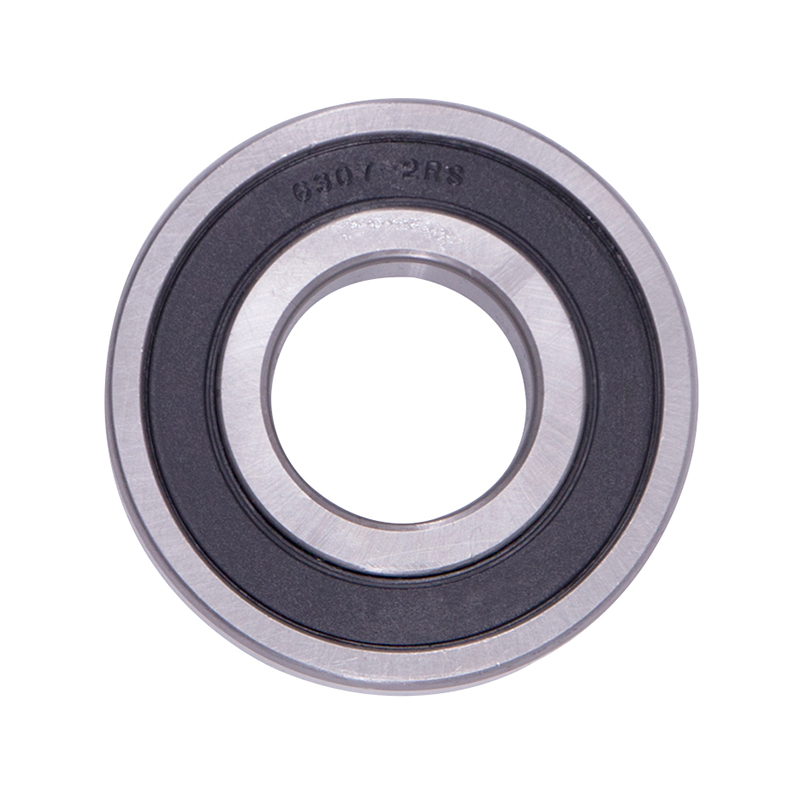 Wheel Hub Bearings
 -
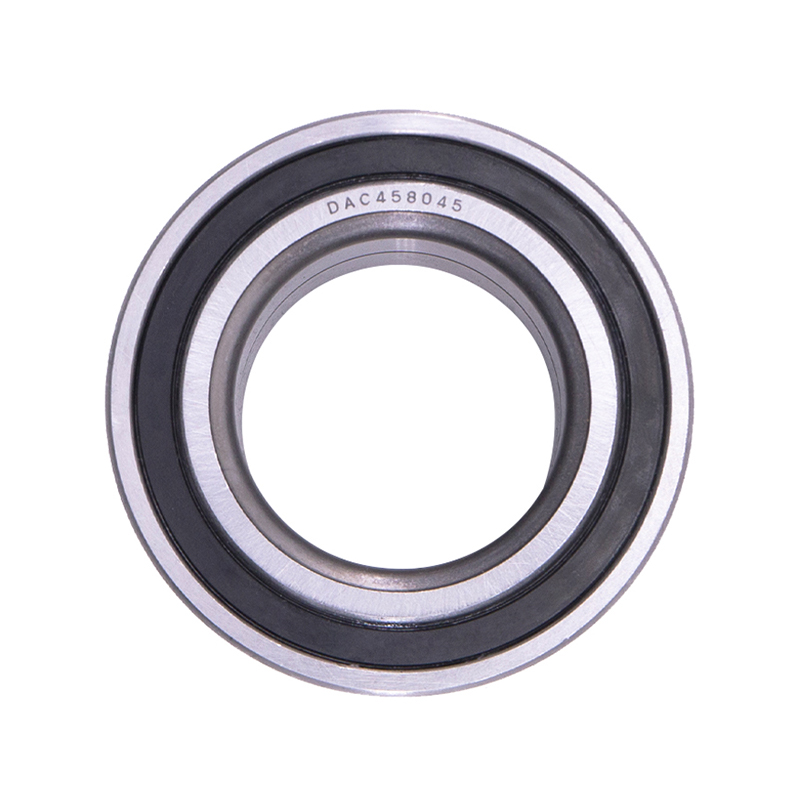 Wheel Hub Bearings
DAC387436 DAC458045 Hub Deep Groove Ball Car Wheel Bearing
-
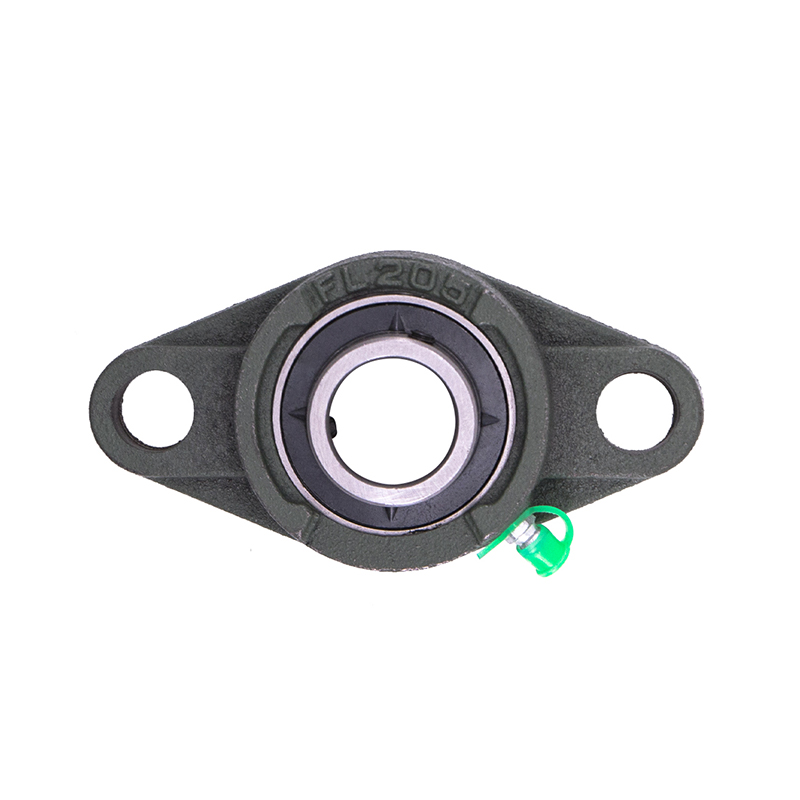 Spherical Bearings
FL204 FL205 FL206 Stainless Steel Pillow Block Bearing
-
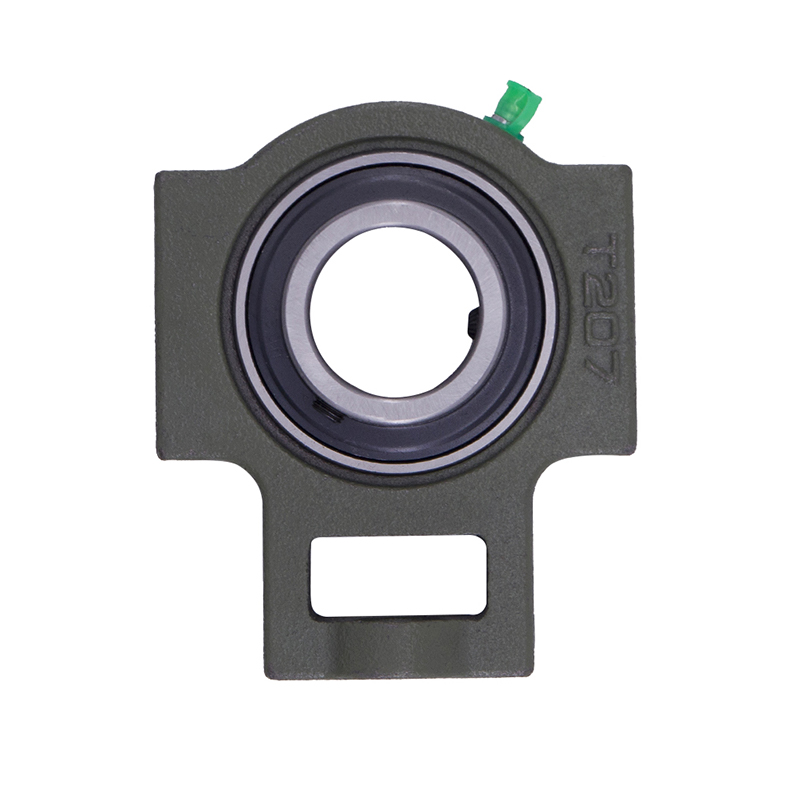 Spherical Bearings
T204 T207 UC204 High Speed Insert Pillow Block Bearing
-
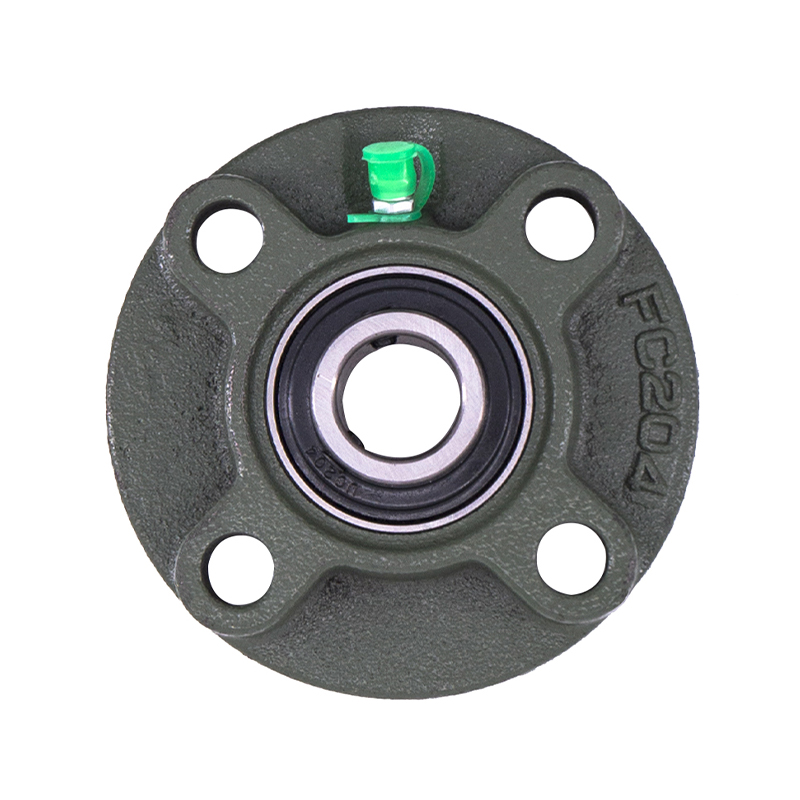 Spherical Bearings
FC204 F210 Auto Wheels Bike Pillow Block Bearing
-
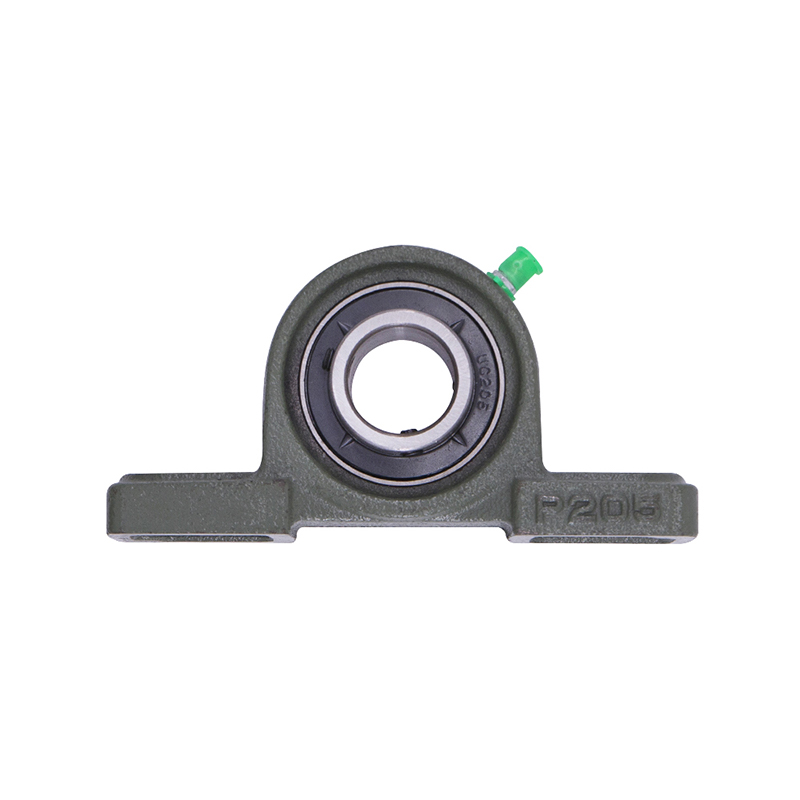 Spherical Bearings
P207 206 205 203 High Precision Wheel Pillow Block Bearing
-
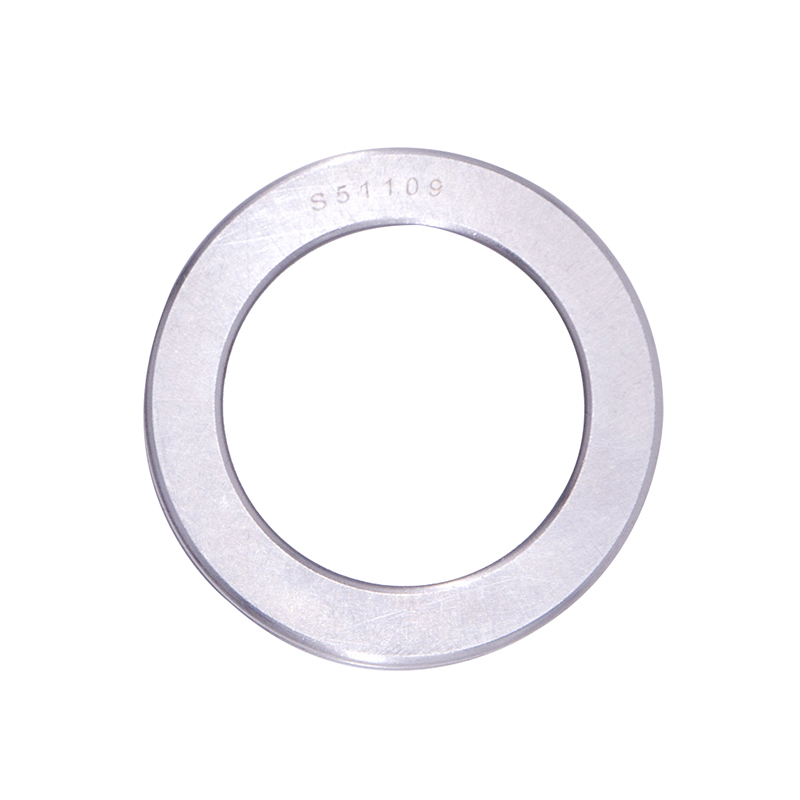 Thrust Roller Bearings
S51100 S51107 S51109 Car Wheel Plain Thrust Ball Bearing
-
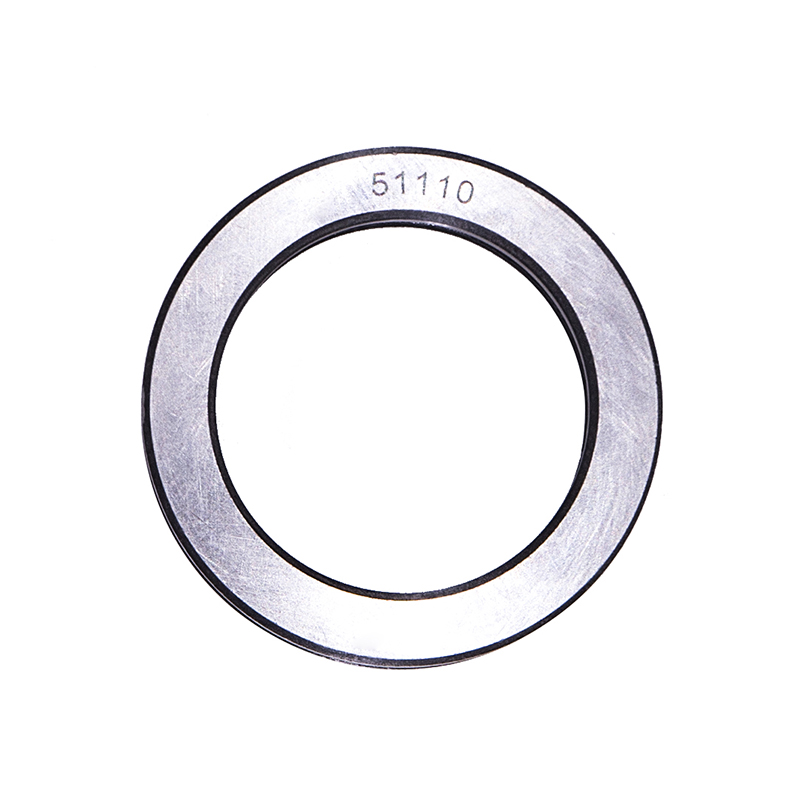 Thrust Roller Bearings
51110 51107 51104 51206 High Speed Plain Thrust Ball Bearing
What Is a Plain Thrust Ball Bearing and How Does It Work?
Industry news-Understanding the basic configuration and operating principle of thrust ball bearings is essential for proper application. The term "plain" in this context typically refers to bearings without integral mounting features or complex housing arrangements.
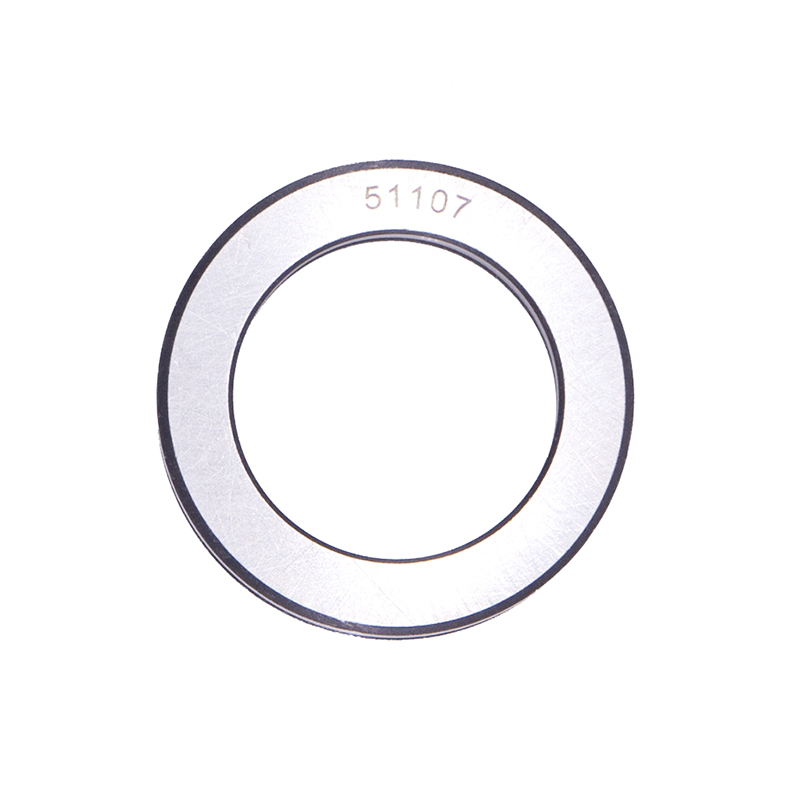
Basic Construction
A thrust ball bearing consists of three primary components: two washers (races) and a ball and cage assembly. The shaft washer has a bore that fits onto the rotating shaft, while the housing washer has an outer diameter that fits into a stationary housing. The ball and cage assembly sits between these washers, with the balls rolling in grooves ground into the washer faces.
The contact angle, typically 90 degrees relative to the bearing axis, means these bearings are designed to accommodate pure axial loads. They have very limited capacity for radial loads and are generally not suitable for applications with significant radial force components.
The balls are spaced and guided by a cage, which maintains even spacing, prevents ball-to-ball contact, and guides the balls through the load zone. Cage design is particularly important in high-speed applications, where centrifugal forces on the balls become significant.
Operating Principle
When the shaft rotates, the shaft washer rotates with it. The balls roll between the shaft washer and the stationary housing washer, transmitting axial load from one component to the other while minimizing frictional resistance.
Unlike radial bearings, where load distribution around the circumference is relatively uniform, thrust bearings concentrate the load on the balls directly in line with the applied force. This load concentration affects lubrication requirements and heat generation.
At high speeds, centrifugal forces cause the balls to be pressed against the outer diameter of the housing washer groove, which can increase friction and heat generation. This phenomenon influences both design choices and speed limitations.
Types of Thrust Ball Bearings
Single-direction thrust bearings: Accommodate axial load in one direction only. They consist of one shaft washer, one housing washer, and one ball and cage assembly. These require a second bearing for opposite thrust or must be used where loads are consistently in one direction.
Double-direction thrust bearings: Accommodate axial loads in both directions. They use two housing washers with a central shaft washer and two ball and cage assemblies. These are more complex but can handle reversing thrust loads without additional components.
Aligning thrust bearings: Include a spherical seating surface on the housing washer to accommodate initial misalignment between the shaft and housing. This feature compensates for mounting errors or shaft deflection.
What Materials Are Used in High-Speed Thrust Ball Bearings?
Material selection for thrust ball bearings operating at high speeds involves balancing strength, fatigue resistance, wear characteristics, and thermal properties. Different components serve different functions and therefore utilize different materials.
Washer Materials
SAE 52100 bearing steel is the common material for thrust bearing washers in general applications. This through-hardening steel, containing approximately 1.0 percent carbon and 1.5 percent chromium, achieves hardness of 58-65 HRC after heat treatment. It offers fatigue resistance and wear characteristics for operating temperatures up to about 150°C.
Case-hardening steels such as SAE 4320 or 8620 may be used for larger thrust bearings or those subject to shock loads. The carburized case provides a hard, wear-resistant surface while the tough core absorbs impacts without fracture. This combination is valuable in applications like automotive transmissions where sudden load changes occur.
High-temperature steels such as M50 tool steel are specified when operating temperatures exceed the capability of 52100. M50 maintains hardness up to approximately 315°C, making it suitable for aircraft engines and high-performance automotive applications where heat generation is significant.
Stainless steels such as 440C provide corrosion resistance for applications involving moisture or corrosive environments. While slightly lower in fatigue life than 52100 under ideal conditions, stainless steels outperform standard bearing steels when corrosion would otherwise initiate premature failure.
Ball Materials
Chrome steel balls (SAE 52100) are standard for applications, providing good performance at moderate cost. They are manufactured to strict standards for roundness, surface finish, and size consistency.
Stainless steel balls (440C) are used where corrosion resistance is required, such as in food processing equipment or outdoor applications.
Silicon nitride (Si3N4) ceramic balls are increasingly used in high-speed thrust bearings. The advantages of ceramic balls include:
Lower density (approximately 40 percent lighter than steel), which reduces centrifugal forces on the outer race at high speeds.
Higher hardness, providing wear resistance.
Lower coefficient of friction, reducing heat generation.
Inherent corrosion resistance, eliminating rust concerns.
Higher modulus of elasticity, increasing stiffness.
The primary disadvantage is higher cost, which limits ceramic balls to applications where their specific advantages justify the expense.
Cage Materials
Steel cages formed from low-carbon steel stampings are common in high-volume applications. They are strong and durable but can be noisier than polymer alternatives. Machined steel cages provide precision for high-speed applications.
Brass cages (machined or stamped) offer good strength, natural lubricity, and quiet operation. They are often used in higher-performance applications where noise and friction considerations are important.
Polymer cages made from glass-filled polyamide (nylon) or PEEK are increasingly common. These materials offer low friction, noise damping, and light weight. PEEK is used where higher temperatures or chemical resistance are required.
How Are High-Speed Thrust Ball Bearings Lubricated?
Lubrication is critical for thrust ball bearings, particularly at high speeds where heat generation and lubricant film formation become challenging. The choice of lubrication method and lubricant type significantly affects bearing life and performance.
Lubrication Mechanisms
The primary function of lubrication in thrust bearings is to separate the rolling elements from the raceways with a thin film of lubricant, preventing metal-to-metal contact. This elastohydrodynamic lubrication (EHL) film thickness depends on speed, load, lubricant viscosity, and temperature.
At high speeds, centrifugal forces can throw lubricant away from the contact surfaces, making adequate lubrication more difficult to maintain. Lubricant must be consistently supplied to the bearing in sufficient quantity to maintain the separating film.
Heat generation increases with speed, and the lubricant must also serve as a coolant, carrying heat away from the bearing contacts.
Grease Lubrication
Grease is the common lubrication method for many thrust bearing applications because it is simple, requires no external supply system, and helps seal the bearing against contaminants.
For high-speed applications, specialty greases are formulated with:
Base oils of appropriate viscosity to maintain film thickness at operating temperatures. Synthetic oils (polyalphaolefins, esters, or silicones) are often used for their wider temperature range and better stability.
Thickeners such as lithium complex, polyurea, or calcium sulfonate that provide the grease structure without interfering with lubrication.
Additives including anti-wear compounds, oxidation inhibitors, and corrosion preventers.
The grease fill quantity must be carefully controlled. Too little grease bring about lubrication failure; too much grease causes churning, which increases temperature and power consumption. High-speed bearings typically use 20-35 percent of the free space, less than低速 applications.
Oil Lubrication
For very high speeds or severe operating conditions, oil lubrication is often necessary. Oil can remove heat more effectively than grease and can be continuously supplied to maintain fresh lubricant at the contacts.
Oil bath lubrication is simple but has speed limitations because churning losses increase with speed.
Oil mist lubrication delivers a fine spray of oil particles in compressed air, providing effective lubrication with minimal churning. This method is common in high-speed machine tool spindles.
Oil jet lubrication directs a stream of oil directly at the bearing, providing both lubrication and cooling. This method is used in the demanding high-speed applications such as gas turbine engines.
Oil-air lubrication delivers precise metered amounts of oil in pulses of air, combining efficiency with minimal churning.
Lubricant Selection Considerations
Viscosity at operating temperature is the critical property. The lubricant must be viscous enough to form an adequate film under load but not so viscous that churning losses become excessive.
Thermal stability is essential because high-speed bearings generate significant heat. The lubricant must resist oxidation and breakdown at elevated temperatures.
Compatibility with bearing materials, particularly polymer cages and seals, must be verified.
For food processing, pharmaceutical, or other regulated industries, lubricants must meet appropriate certification standards.
What Are the Speed Limitations and How Are They Determined?
All bearings have speed ratings, and exceeding these limits bring about rapid failure. Understanding speed limitations helps in proper bearing selection and application.
Speed Rating Definitions
Manufacturers provide speed ratings based on standardized testing. The thermal reference speed is the speed at which the bearing reaches thermal equilibrium under defined operating conditions. The limiting speed is the mechanically permissible speed considering cage design, lubrication, and other factors.
Speed ratings are typically expressed in revolutions per minute (RPM) and vary with bearing size, design, lubrication method, and load conditions.
These ratings assume ideal conditions including proper mounting, alignment, lubrication, and moderate loads. Real-world applications may require derating based on actual operating conditions.
Factors Affecting Speed Capability
Bearing size: Larger bearings have higher surface speeds for a given rotational speed, generating more heat and increasing centrifugal forces. Speed capability generally decreases as bearing size increases.
Cage design: The cage must withstand centrifugal forces and guide the balls properly at high speeds. High-speed bearings typically use machined cages with precise pocket geometry rather than stamped cages.
Ball material: Ceramic balls, being lighter than steel, generate lower centrifugal forces, allowing higher operating speeds for a given bearing size.
Lubrication method: Oil lubrication generally permits higher speeds than grease because it provides better cooling and has lower churning losses.
Load magnitude and direction: Higher loads, particularly combined loads that differ from the bearing's design intent, reduce permissible speed.
Accuracy grade: Higher precision bearings (ABEC 7, 9, or P4, P2) with tighter tolerances can operate at higher speeds than standard precision bearings.
Consequences of Overspeed Operation
Operating a thrust bearing above its rated speed bring about several failure mechanisms:
Excessive heat generation can degrade lubricant, bring about film failure and metal-to-metal contact.
High centrifugal forces can cause ball skidding, where balls slide rather than roll, generating heat and wear.
Cage stresses may exceed material limits, bring about cage fracture.
Thermal expansion can reduce internal clearances, causing additional friction and heat in a runaway condition.
Lubricant starvation may occur as centrifugal forces throw lubricant away from critical contacts.
Application Considerations
When selecting a thrust bearing for high-speed operation, the designer must consider not only the bearing's inherent speed capability but also the system's ability to manage heat and maintain lubrication.
Cooling may be required through oil circulation, air flow, or heat sinks.
Monitoring bearing temperature during operation provides an indication of whether the bearing is operating within its thermal limits.
For variable speed applications, acceleration rates should be controlled to allow the lubricant to establish proper films before full speed is reached.
Our Product//
Related Product
If you are interested in our products, please consult us
Contact Details
- Address: 1377-13 Yinhai International, Jinhua, Zhejiang, China
- Fax: 0086-0319-8544668
- Tel: +86-15215868236
+86-15833609668 - Email: [email protected]
Products
Quick Link
News Center
Mobile terminal
Copyright © Yiwu Delian Bearing Co., Ltd. ALL RIGHTS RESERVED.
