
 English
 русский
 Español
-
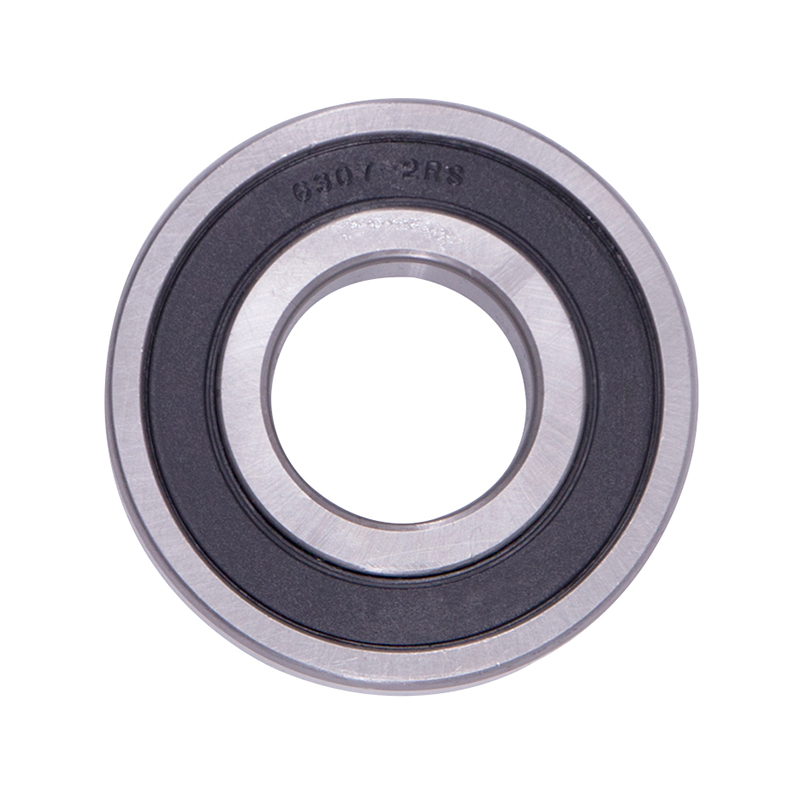 Wheel Hub Bearings
 -
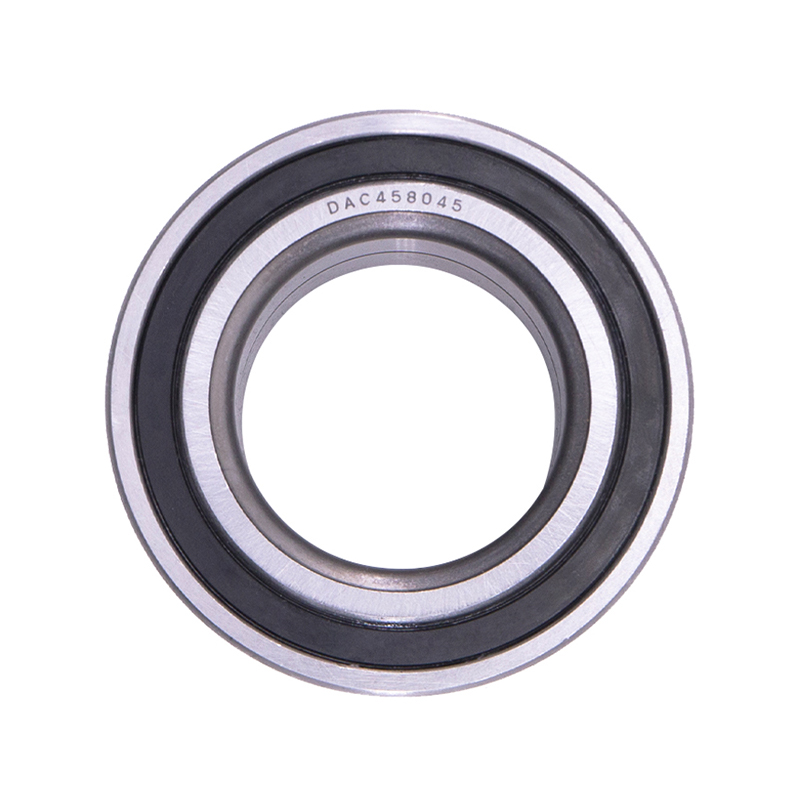 Wheel Hub Bearings
DAC387436 DAC458045 Hub Deep Groove Ball Car Wheel Bearing
-
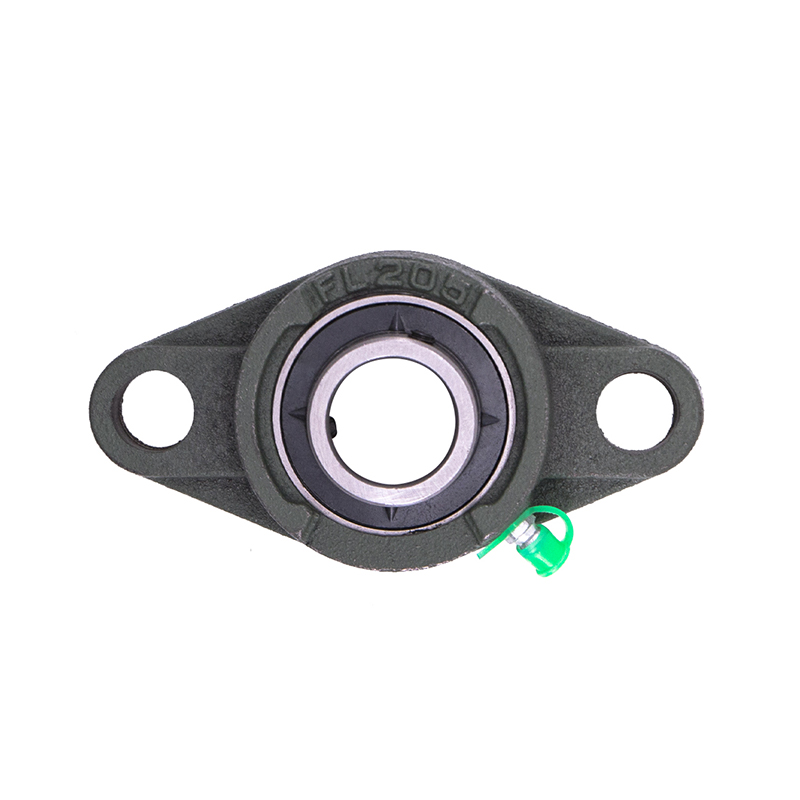 Spherical Bearings
FL204 FL205 FL206 Stainless Steel Pillow Block Bearing
-
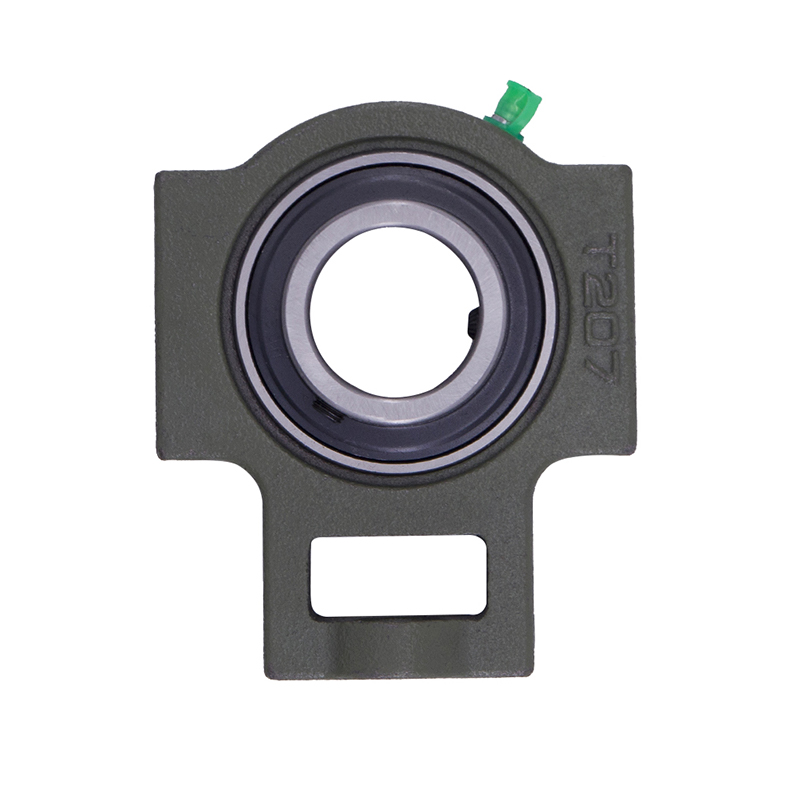 Spherical Bearings
T204 T207 UC204 High Speed Insert Pillow Block Bearing
-
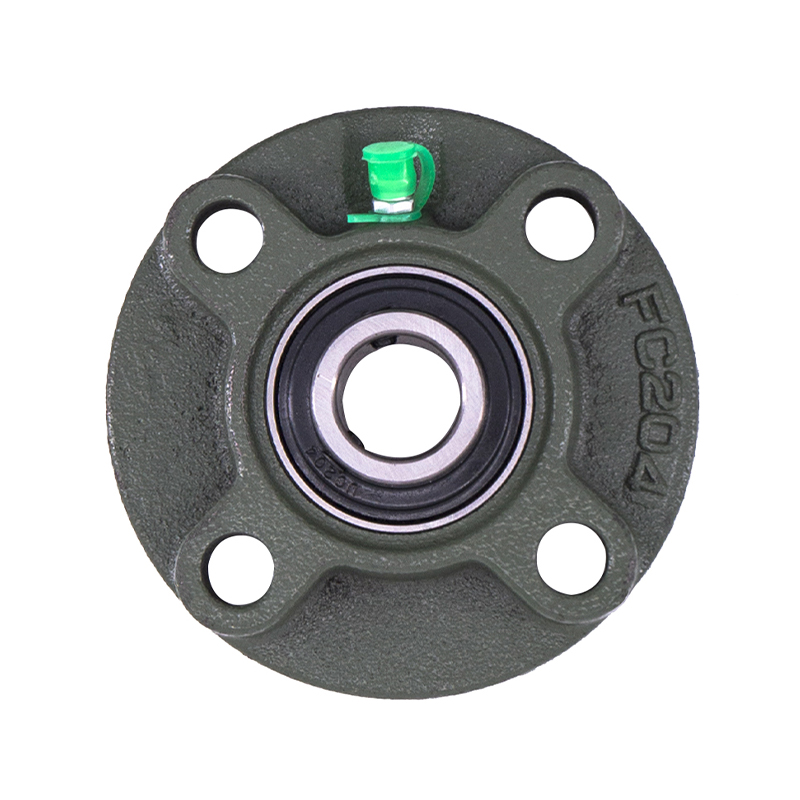 Spherical Bearings
FC204 F210 Auto Wheels Bike Pillow Block Bearing
-
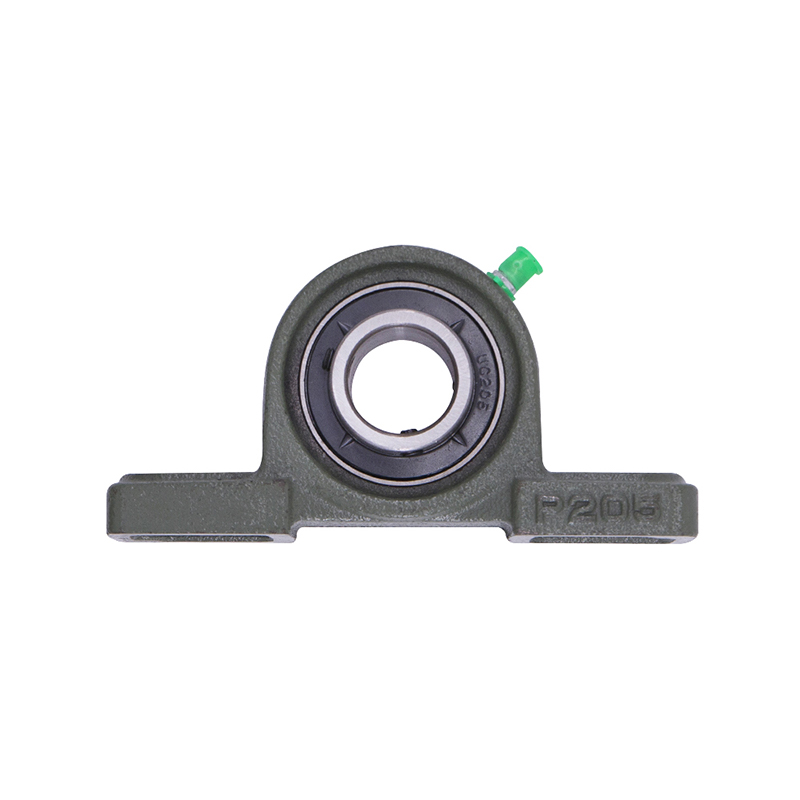 Spherical Bearings
P207 206 205 203 High Precision Wheel Pillow Block Bearing
-
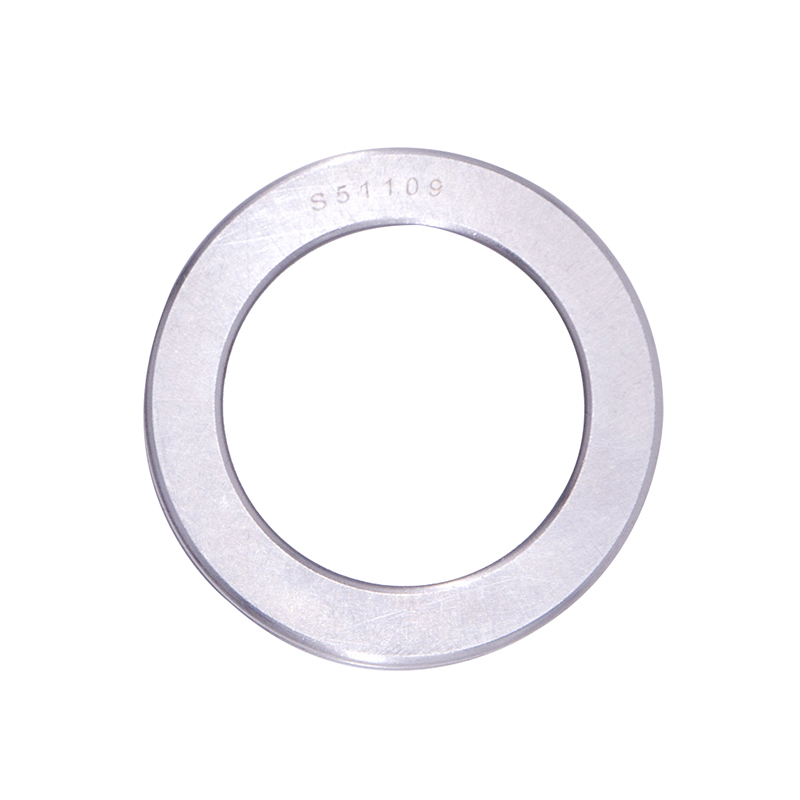 Thrust Roller Bearings
S51100 S51107 S51109 Car Wheel Plain Thrust Ball Bearing
-
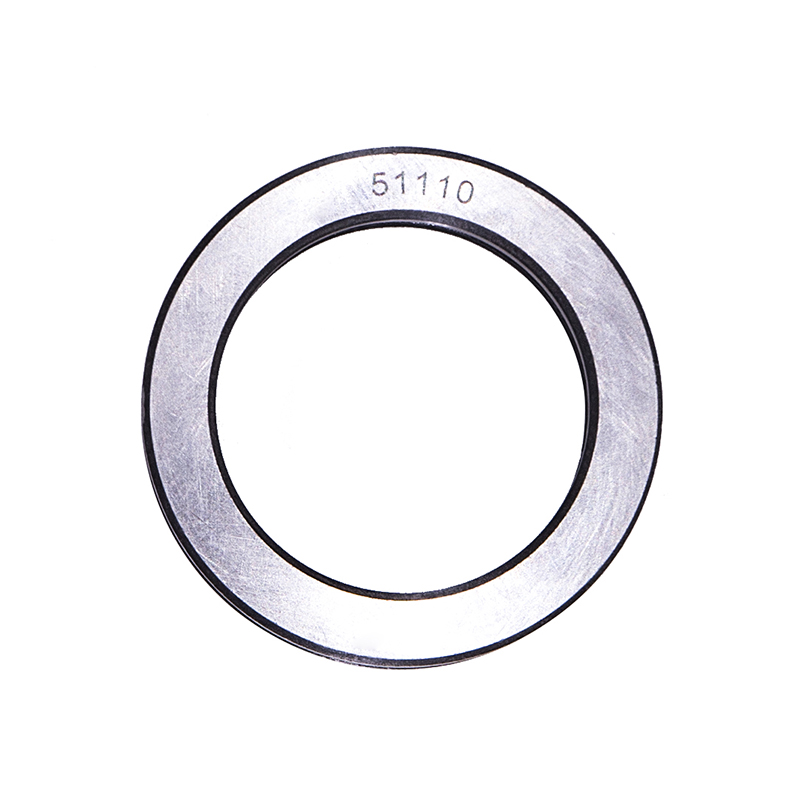 Thrust Roller Bearings
51110 51107 51104 51206 High Speed Plain Thrust Ball Bearing
Self-Aligning Ball Bearings – Application Coverage and Reasons for Popularity
Industry news-Application Coverage of Self-Aligning Ball Bearings
Agricultural and Forestry Machinery
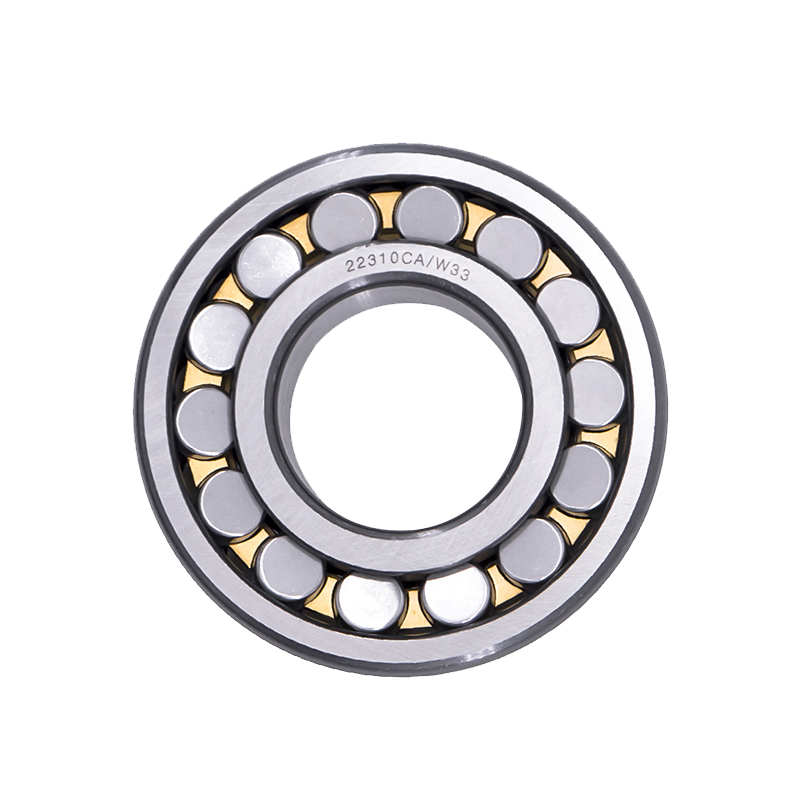
Self-aligning ball bearings are used in equipment where shafts are long, supports are widely spaced, or mounting surfaces are uneven. In agricultural applications such as combine harvesters, hay balers, and tillage equipment, drive shafts may flex under load or experience misalignment due to frame twisting. For example, a 30 mm diameter shaft spanning 1.5 meters between bearings may deflect by 0.5–1.5 degrees under full load. Self-aligning bearings accommodate this deflection without reducing rotational speed or increasing vibration. Common series used include 1200, 1300, and 2200 (ISO 15). The bearings are typically sealed with contact or non-contact seals (2RS or 2Z designation) to exclude dust and plant debris.
Conveyor Systems and Material Handling
Belt conveyors, roller conveyors, and bucket elevators use self-aligning ball bearings as take-up or tail-end bearings. Conveyor frames are often fabricated from steel channels or angle iron, which may not maintain perfect alignment after welding or during operation. A 20-meter conveyor frame may have a cumulative misalignment of 5–10 mm across its length. Self-aligning bearings mounted in pillow blocks (cast iron or pressed steel housings) correct for this misalignment. The bearings operate at low to moderate speeds (200–1,000 rpm) and carry radial loads typical of bulk materials (e.g., coal, grain, sand). For conveyor idler rollers, self-aligning bearings with increased radial clearance (C3 or C4) accommodate thermal expansion of the roller tube.
Textile and Paper Manufacturing Machinery
In textile spinning frames and paper winding machines, rollers and cylinders must rotate smoothly despite minor misalignment from roll deflection or bearing housing wear. Self-aligning ball bearings maintain quiet operation (below 65 dB at 3,000 rpm) because the spherical outer ring allows the balls to find a centered position under load. For paper machine drying cylinders (diameters 1–3 meters), self-aligning bearings with split housings allow replacement without removing the cylinder shaft. Operating temperatures in paper drying sections range from 80°C to 120°C; bearings for these applications use heat-stabilized rings (up to 150°C) and high-temperature grease.
|
Application Sector |
Typical Bearing Series |
Misalignment Tolerance (degrees) |
Speed Range (rpm) |
Sealing Type |
|
Agricultural machinery |
1205–1210, 1305–1308 |
2.5 – 3.5 |
500 – 2,000 |
Contact seal (rubber) |
|
Conveyor idlers |
1204–1208, 2204–2208 |
2.0 – 3.0 |
200 – 1,200 |
Shielded (metal) |
|
Textile rollers |
1260–1270 (small bore) |
1.5 – 2.5 |
1,500 – 4,000 |
Non-contact seal |
|
Paper drying cylinders |
1315–1322, 2315–2322 |
1.0 – 1.5 |
100 – 500 |
Open (circulating oil) |
|
Fans and blowers |
1206–1212, 2206–2212 |
1.5 – 2.0 |
1,000 – 3,000 |
Shielded or sealed |
|
Mining screens |
1308–1316 (C4 clearance) |
2.0 – 2.5 |
400 – 900 |
Open with labyrinth seals |
Self-aligning ball bearings are less common in precision machine tool spindles (where angular contact bearings dominate) or in very high-speed applications above 10,000 rpm (where hybrid ceramic bearings are preferred). However, for the applications listed above—where moderate speed, moderate load, and misalignment tolerance are required—self-aligning ball bearings provide a practical solution.
Why Are Self-Aligning Ball Bearings Popular?
Design Advantages Over Alternative Bearing Types
Misalignment accommodation reduces installation precision requirements
Unlike deep groove ball bearings (which tolerate misalignment of only 0.1–0.3 degrees) or cylindrical roller bearings (which allow 0.05–0.1 degrees), self-aligning ball bearings accept 2–4 degrees of static misalignment. This tolerance allows manufacturers to use simpler housing designs, avoid expensive precision machining, and reduce assembly time. For a shaft supported by two bearings 1 meter apart, a 2-degree misalignment corresponds to a 35 mm offset between the bearing centers—an impossible tolerance for non-self-aligning bearings but acceptable for self-aligning types. Field data indicates that installation costs for self-aligning bearings are 20–40% lower than for matched angular contact bearing pairs requiring precision shimming.
Reduced sensitivity to shaft deflection under load
Long shafts (length-to-diameter ratio above 15:1) deflect under their own weight or under belt tension. A 2-meter shaft of 40 mm diameter supporting a belt drive may deflect 0.5–1.0 mm at mid-span, creating a slope of 0.1–0.2 degrees at the bearing positions. Self-aligning bearings maintain even load distribution across the balls despite this slope. In contrast, a deep groove ball bearing subjected to the same slope would experience edge loading (contact stress concentration at the raceway edges), reducing calculated fatigue life by 50–80%. Laboratory tests show that self-aligning bearings retain 90–95% of their rated life under 1.5 degrees misalignment, while deep groove bearings retain only 30–50% under the same condition
Our Product//
Related Product
If you are interested in our products, please consult us
Contact Details
- Address: 1377-13 Yinhai International, Jinhua, Zhejiang, China
- Fax: 0086-0319-8544668
- Tel: +86-15215868236
+86-15833609668 - Email: [email protected]
Products
Quick Link
News Center
Mobile terminal
Copyright © Yiwu Delian Bearing Co., Ltd. ALL RIGHTS RESERVED.
