
 English
 русский
 Español
-
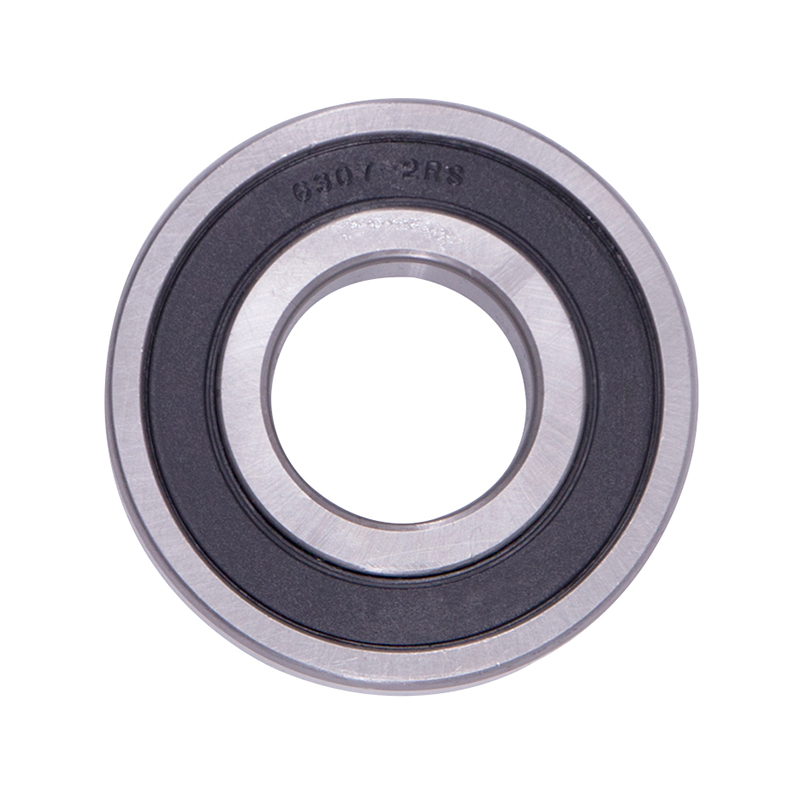 Wheel Hub Bearings
 -
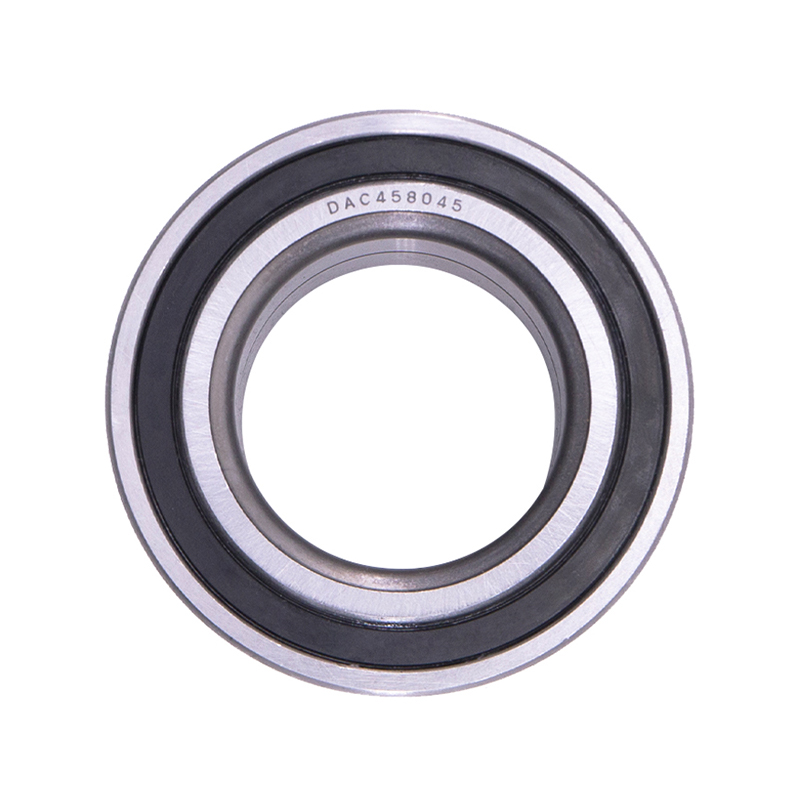 Wheel Hub Bearings
DAC387436 DAC458045 Hub Deep Groove Ball Car Wheel Bearing
-
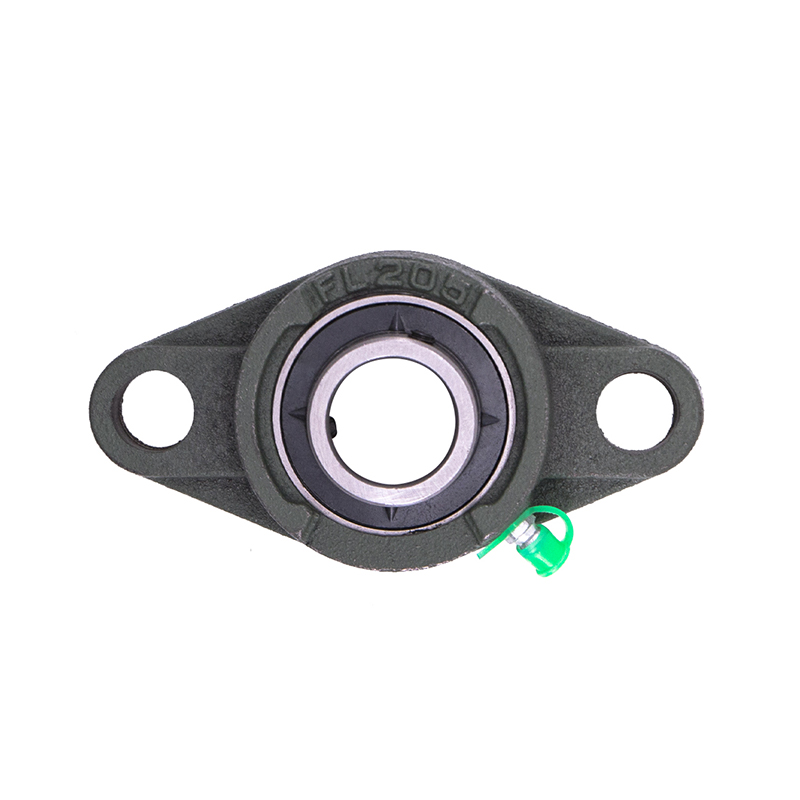 Spherical Bearings
FL204 FL205 FL206 Stainless Steel Pillow Block Bearing
-
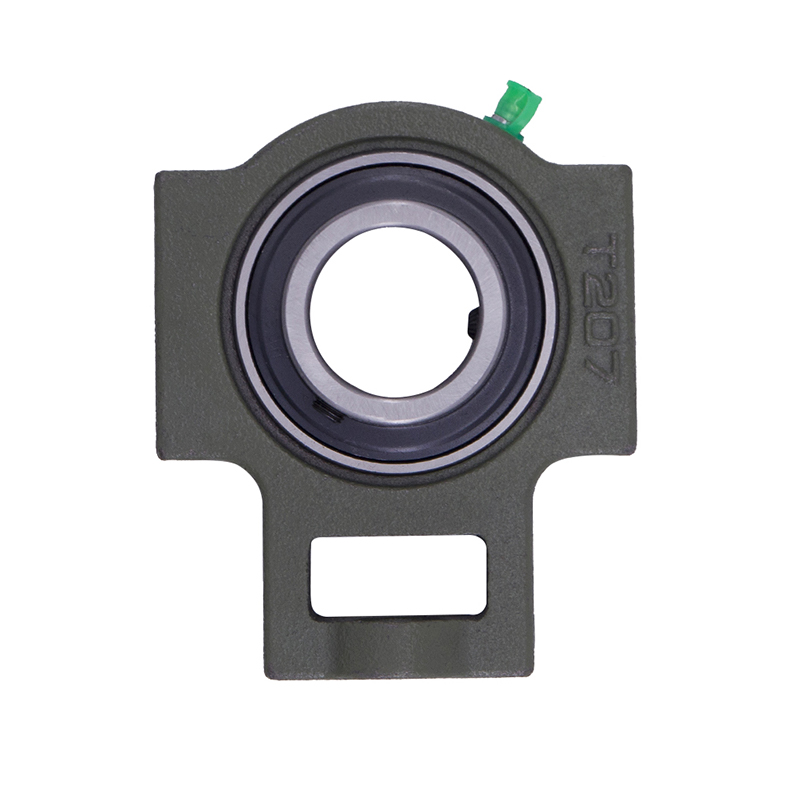 Spherical Bearings
T204 T207 UC204 High Speed Insert Pillow Block Bearing
-
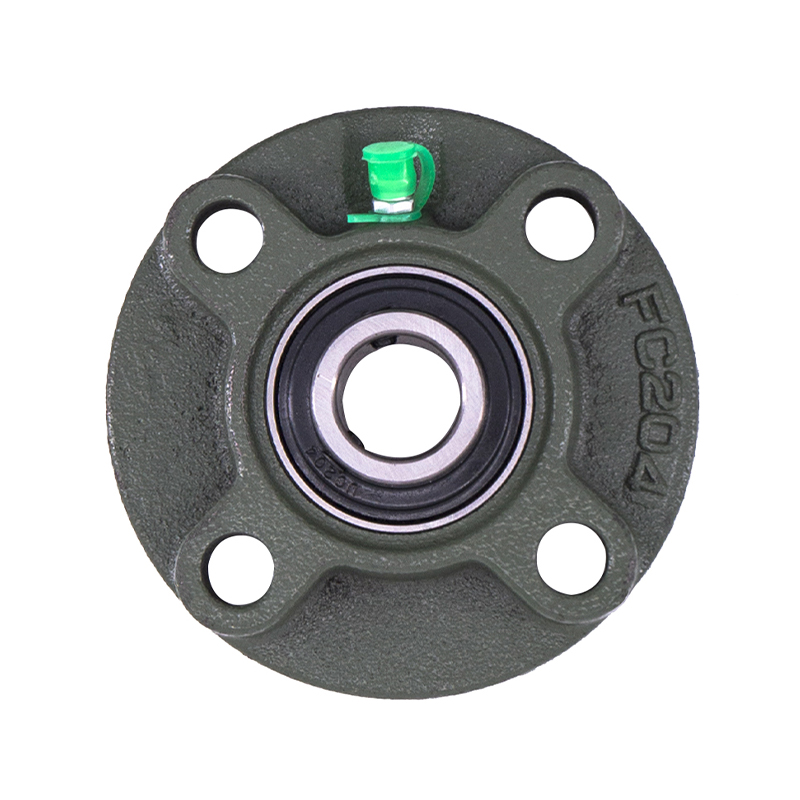 Spherical Bearings
FC204 F210 Auto Wheels Bike Pillow Block Bearing
-
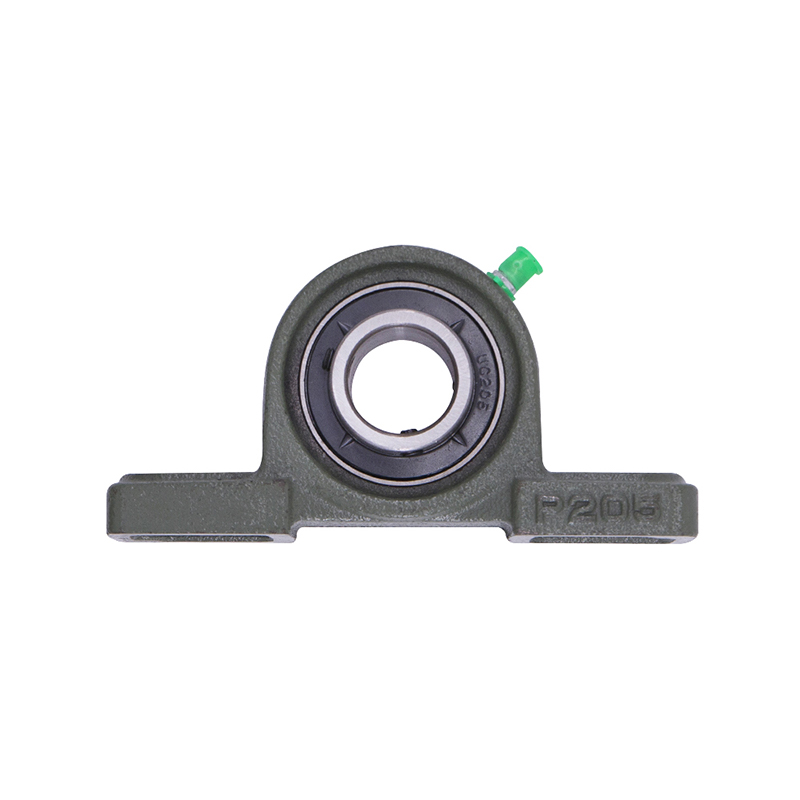 Spherical Bearings
P207 206 205 203 High Precision Wheel Pillow Block Bearing
-
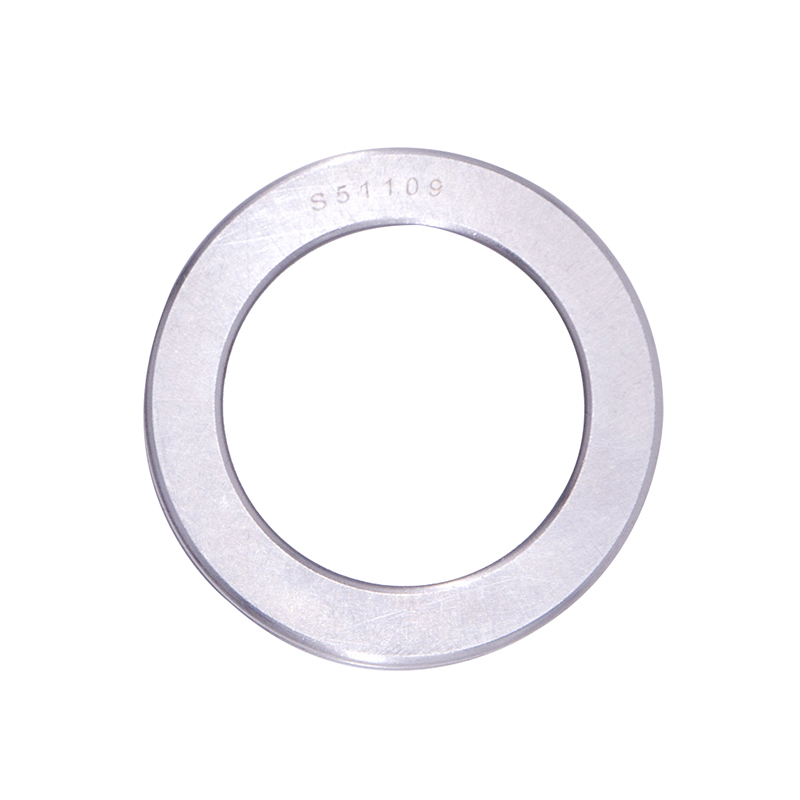 Thrust Roller Bearings
S51100 S51107 S51109 Car Wheel Plain Thrust Ball Bearing
-
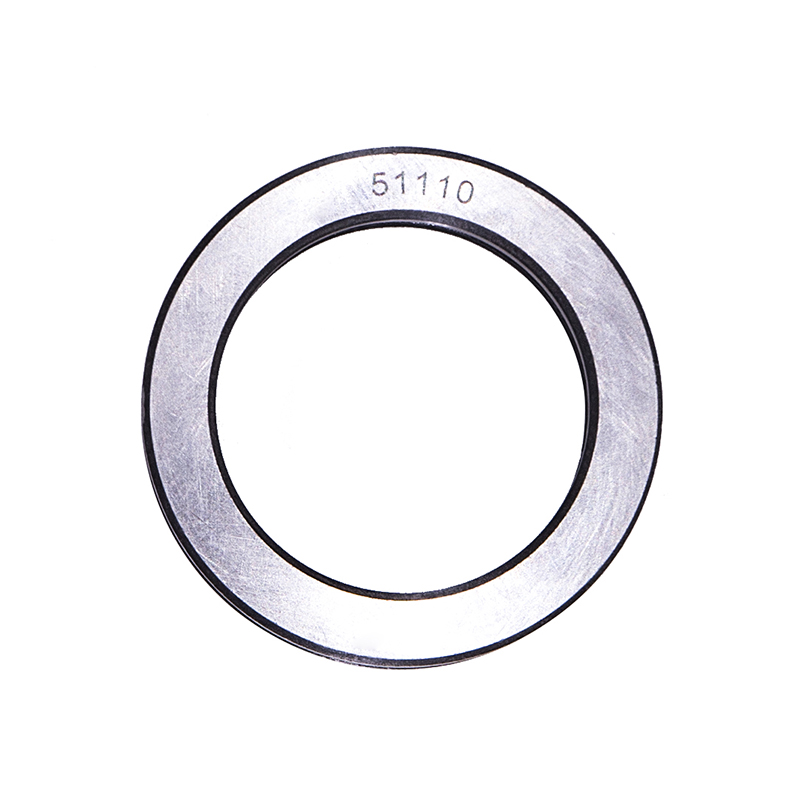 Thrust Roller Bearings
51110 51107 51104 51206 High Speed Plain Thrust Ball Bearing
How Motorcycle Bearings Reduce Friction and Improve Smoothness
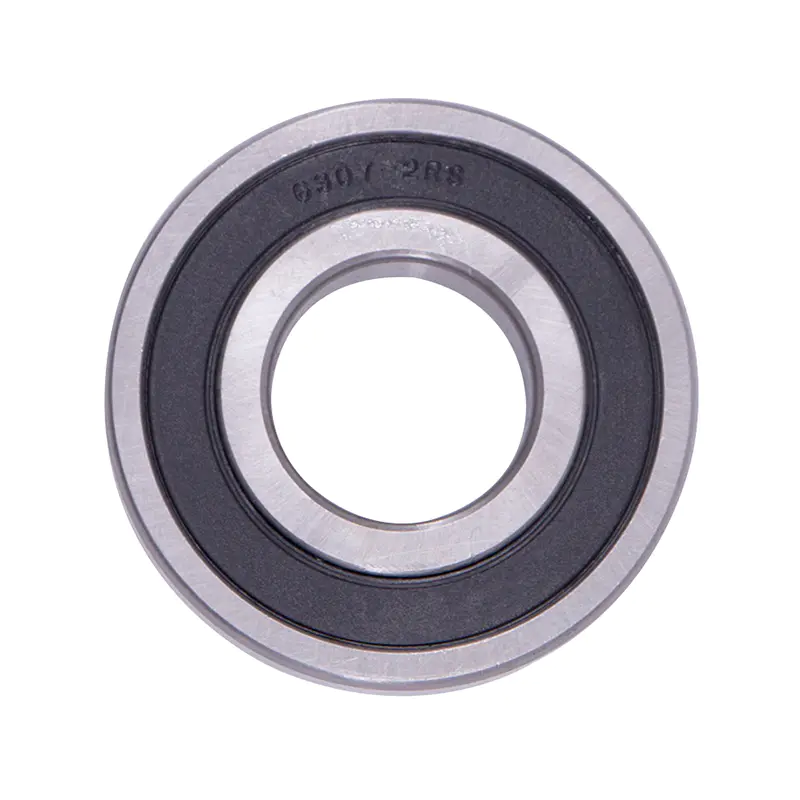
Industry news-Beneath every smooth turn of the wheel, every steady line through a corner, and every quiet stretch of road, there is a component working without attention but never without purpose: the Motorcycle Bearing. By turning sliding contact into rolling motion, it helps reduce friction, manage load, and keep critical parts moving with steadier control, whether the bearing sits in the wheel hub, steering head, engine, or transmission.
What a Bearing Actually Does Underneath the Surface
Rolling Contact Is the Core Idea
The fundamental job of any bearing is to let two surfaces move relative to each other with as little resistance as possible. In a motorcycle, rotating parts — wheel hubs, steering stems, crankshafts, gearbox shafts — need to spin or pivot against fixed structures. Without a bearing between them, those surfaces would drag against each other under load, generating friction, heat, and wear that would make the machine inefficient and unreliable.
A rolling element bearing replaces that dragging contact with rolling contact. Steel balls or cylindrical rollers sit between the inner and outer rings, and instead of one surface sliding across another, they roll. Rolling friction is far lower than sliding friction under the same load. That is the mechanism — simple in concept, significant in practice.
The Four Components and What Each Contributes
Bearings used in motorcycle applications share the same basic structure:
- Inner ring: Press-fitted to the rotating shaft or hub, turns with the component it supports
- Outer ring: Fitted into the stationary housing or frame, stays fixed
- Rolling elements: The balls or rollers that carry the load and allow smooth movement between the rings
- Cage: A separator that keeps the rolling elements evenly spaced, preventing them from grinding against each other
Each part is doing something specific, and when any of them wears or fails, the others are affected. Bearing failure is rarely just one thing going wrong.
Where Bearings Sit in a Motorcycle and Why Location Matters
Each Position Places Different Demands on the Bearing
It is worth thinking about where bearings actually live in a motorcycle, because the loads and conditions at each location are genuinely different.
Wheel bearings carry the weight of the machine and rider while the wheel spins. They handle radial load from the vehicle's weight and some axial load from cornering. They also deal with water, road grit, and the heat that builds up around the brakes — a fairly hostile environment for a precision component.
Steering head bearings are what allow the front fork to turn smoothly. They handle a mix of radial and axial loads from braking and road impacts. This is the bearing that gives itself away noticeably when it wears — the steering starts to feel indexed or catches slightly at certain angles, which is the classic sign of pitting in the raceways.
Engine crankshaft bearings operate at high speed under repeated cyclic load from combustion. They run in engine oil and need tight dimensional tolerances to maintain correct clearances. When these start to wear, the engine gets louder before anything else changes.
Gearbox and transmission bearings carry drive torque through the gearbox shafts in both radial and axial directions. They typically live in an oil bath, which helps, but they still wear over time.
Swing arm pivot bearings are interesting because they do not rotate continuously — they oscillate as the suspension moves. That means the load pattern is different, and contamination from road exposure is a bigger concern because the movement is slow enough that it does not naturally push contaminants out.
The Friction Reduction Mechanism in Plain Terms
Why Rolling Contact Works So Much Better Than Sliding
When two metal surfaces slide under load, the friction force is proportional to the load and how rough or sticky those surfaces are against each other. Unlubricated metal-on-metal contact generates enough heat and wear to destroy components quickly. Even with lubrication, sliding friction is a meaningful energy loss.
A ball bearing changes the geometry of contact. A ball touching a raceway makes contact over a very small area — close to a single point. As the ball rolls, the contact point moves around the ball's surface rather than staying fixed. The friction involved in rolling that contact forward is much lower than dragging a surface across another surface.
The practical results of this are worth spelling out:
- Less energy is lost to heat, so more of the engine's output reaches the wheel
- Components stay cooler, which reduces stress on everything around the bearing
- Wear slows down significantly, extending service life
- The rotating assembly turns more freely, which contributes to overall mechanical efficiency throughout the drivetrain
Does Bearing Type Actually Make a Difference?
Different Designs Handle Different Load Combinations
Not every bearing in a motorcycle is the same type, because different positions carry different combinations of radial and axial load at different speeds. Putting the wrong bearing type in a position where it is not suited leads to either premature failure or poorer performance.
Bearing TypeLoad HandlingSpeed RangeWhere It Typically Goes
Deep groove ball bearingModerate radial and axialHigh speed capableWheel hubs, engine auxiliary shafts
Angular contact ball bearingHigh combined axial and radialHigh speedSteering heads, some gearbox positions
Cylindrical roller bearingHigh radial, limited axialHigh speedCrankshaft main bearings, gearbox
Tapered roller bearingHigh radial and axial combinedModerate speedWheel hubs on heavier motorcycles
Needle roller bearingHigh radial in a compact sectionModerate to highConnecting rods, rocker pivots
Sealed ball bearingModerate load with contamination protectionHigh speedWheel bearings, exposed steering positions
The selection is not arbitrary. Each type reflects the load direction, magnitude, and operating environment at that specific location.
How Bearing Quality Shows Up in Ride Feel
Dimensional Accuracy at the Component Level Becomes Handlebar Feel
The connection between bearing manufacturing tolerance and what a rider actually feels is more direct than it might seem. A bearing with precisely ground raceways, consistent ball sizes across the set, and a well-made cage runs with minimal vibration and even rolling resistance. A bearing with dimensional variation produces cyclic changes in rolling resistance that translate into vibration or roughness at the contact point.
In wheel bearings, that shows up as vibration through the chassis at certain speeds. In the steering head, it creates the notchy or indexed sensation when moving the bars through a corner. In engine bearings, it adds to the mechanical noise signature of the running engine.
This is why bearing grade and manufacturing precision matter as much as design type. Two bearings of the same nominal size and type can behave very differently under the same operating conditions if their internal geometry is not held to the same standard.
Preload and Internal Clearance Shape the Handling Response
Bearings are installed with a defined internal clearance — the amount of free movement between the rolling elements and the raceways before any load is applied. In some positions, a slight preload is specified instead, where the bearing is installed under mild compression to eliminate that play entirely.
At the steering head, this matters directly for handling feel. Too much clearance makes the steering feel vague and disconnected. Too much preload adds friction and wears the bearing faster. Getting this right requires both correct bearing selection and correct installation to the manufacturer's specification — the bearing alone does not determine the outcome.
Seals and Contamination: Why Environmental Protection Matters
What Actually Causes Bearings to Fail Prematurely
Under clean, well-lubricated conditions, a quality bearing has a long service life. That life shortens sharply when contamination gets in. Abrasive particles from road grit score the raceways. Water displaces or breaks down the grease. Once contamination is established inside a bearing, wear accelerates in a way that cannot be reversed by cleaning or re-lubrication.
Seals and shields are what stand between the rolling elements and the road environment:
- Metal shields reduce contamination ingress without adding friction. Suitable for applications with moderate exposure.
- Rubber contact seals press against the inner ring to create a positive barrier. They add a small amount of friction but significantly extend bearing life in exposed positions.
- Labyrinth seals create a winding path that makes it difficult for contaminants to reach the rolling elements without direct contact friction.
For wheel bearings and swing arm pivots facing direct road spray and grit, sealed bearings with rubber contact seals are the standard choice for any application where longevity matters.
Recognizing Bearing Wear Before It Becomes a Problem
The Signs Are There Before the Failure
Bearing degradation almost always progresses gradually, and the early signs are detectable:
- Vibration at specific speeds, or vibration that grows with speed: Often points to wheel bearing wear, where surface irregularities in the raceways create periodic disturbance as the wheel turns
- Notchy or indexed steering feel at low speed: Pitting in the steering head bearing raceways, often from accumulated road shock impact
- Roughness when spinning a wheel by hand with the bike on a stand: A good wheel bearing spins freely with no detectable roughness
- Increased noise from the engine or gearbox: Overlaps with other causes, but bearing wear is on the list
- Play or looseness at the steering head: Internal clearance has grown beyond the designed specification
Catching these early means replacing the bearing before it damages the surrounding components — and that is always cheaper than the alternative.
What Bearing Material and Manufacturing Quality Actually Mean
Steel Grade and Heat Treatment Determine Longevity Under Load
Quality Motorcycle Bearings are made from high-carbon chromium steel, hardened and ground to close tolerances. The hardness achieved through heat treatment determines how well the contact surfaces hold up under the compressive stress of rolling contact across millions of cycles.
Lower-grade materials may look the same on the outside but wear faster because the surface hardness and internal consistency are not equivalent. For any application where bearing replacement is inconvenient or where service intervals are long, the material specification of the bearing is not a detail to skip over.
Pre-greased sealed bearings are filled at manufacture with a grease formulated for the temperature range and speed of the intended application. That grease is not field-serviceable — when the bearing has reached the end of its useful life, it is replaced rather than regreased. Using a bearing filled with grease intended for a slow, low-temperature application in a high-speed engine position leads to grease breakdown and early failure, regardless of how the bearing looks.
Smooth, low-friction rotation in a motorcycle is not accidental — it is the direct result of bearing design, material quality, and correct application matching working together across every rotating point in the machine. When any of those factors falls short, the effect shows up as vibration, rough steering, or accelerated wear that shortens the life of the surrounding components. For manufacturers, assemblers, and maintenance operations sourcing bearings at volume, consistency across a supply is as important as individual bearing quality — dimensional variation between batches introduces installation variability that a stable supply eliminates. Yiwu Delian Bearing Co., Ltd. manufactures Motorcycle Bearing products across a range of types and specifications for OEM and aftermarket applications, working with manufacturers and procurement teams on technical specifications, application matching, and volume requirements. If you are evaluating bearing supply for a production or maintenance program, their team is a practical starting point for that conversation.
Our Product//
Related Product
If you are interested in our products, please consult us
Contact Details
- Address: 1377-13 Yinhai International, Jinhua, Zhejiang, China
- Fax: 0086-0319-8544668
- Tel: +86-15215868236
+86-15833609668 - Email: [email protected]
Products
Quick Link
News Center
Mobile terminal
Copyright © Yiwu Delian Bearing Co., Ltd. ALL RIGHTS RESERVED.
