
 English
 русский
 Español
-
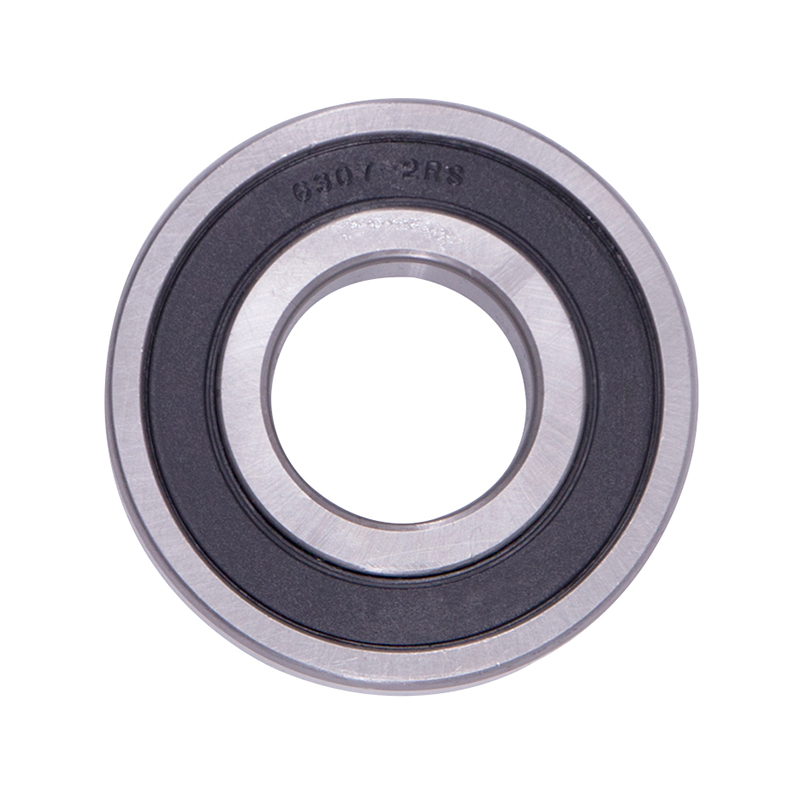 Wheel Hub Bearings
 -
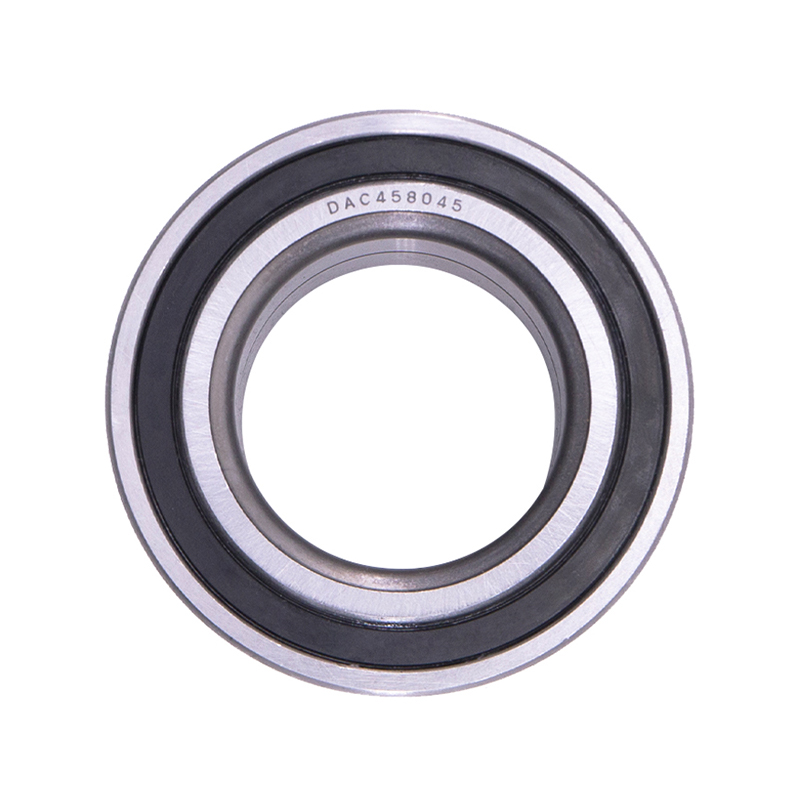 Wheel Hub Bearings
DAC387436 DAC458045 Hub Deep Groove Ball Car Wheel Bearing
-
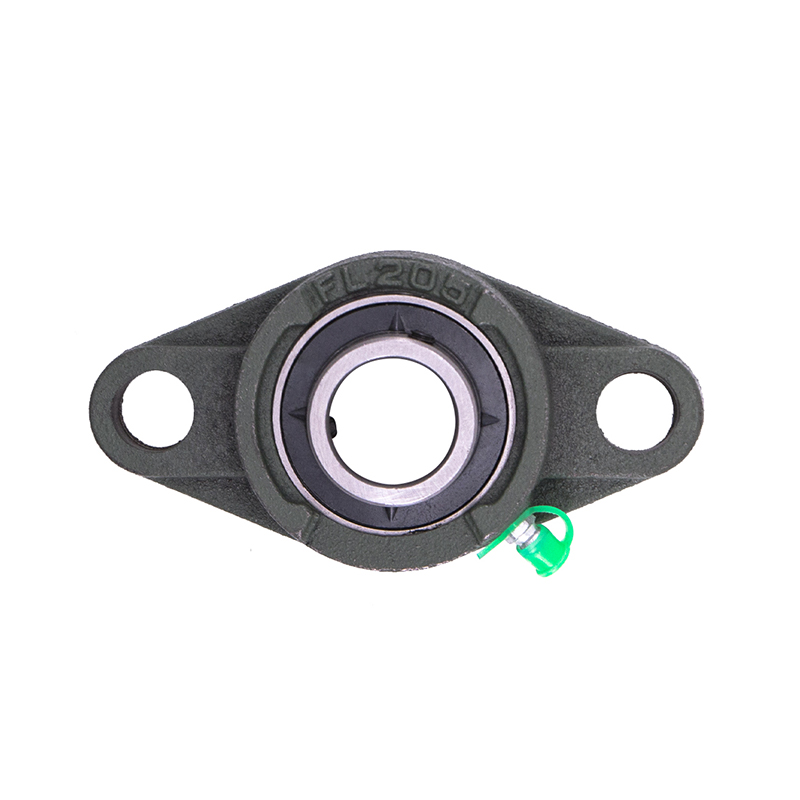 Spherical Bearings
FL204 FL205 FL206 Stainless Steel Pillow Block Bearing
-
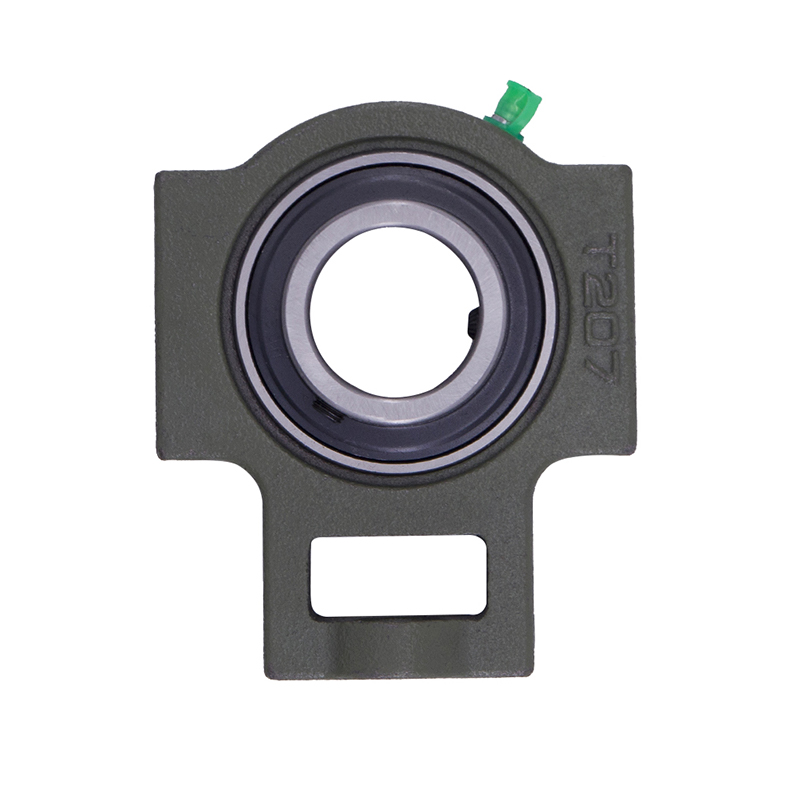 Spherical Bearings
T204 T207 UC204 High Speed Insert Pillow Block Bearing
-
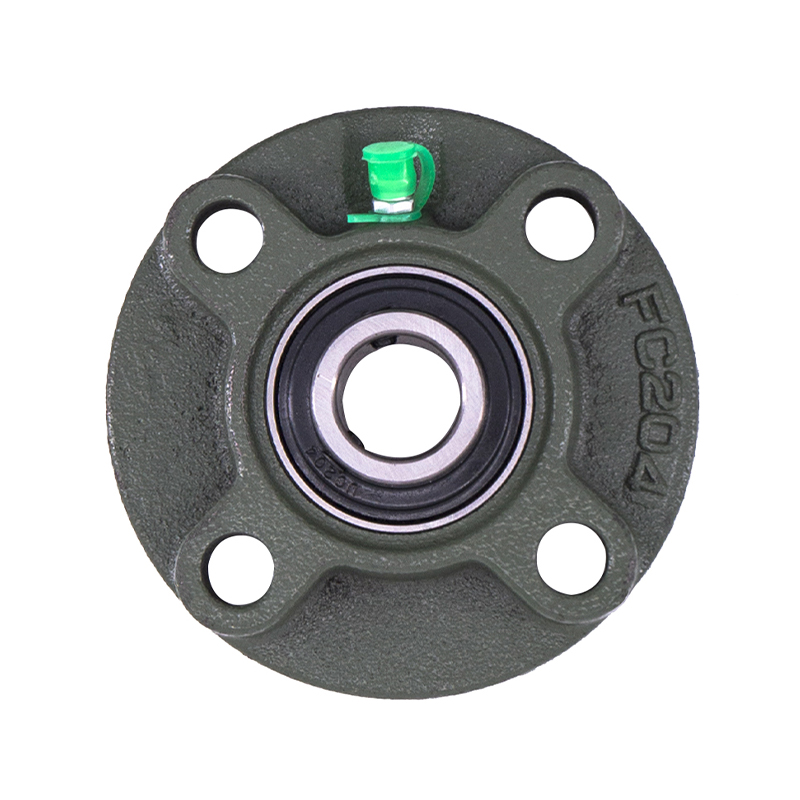 Spherical Bearings
FC204 F210 Auto Wheels Bike Pillow Block Bearing
-
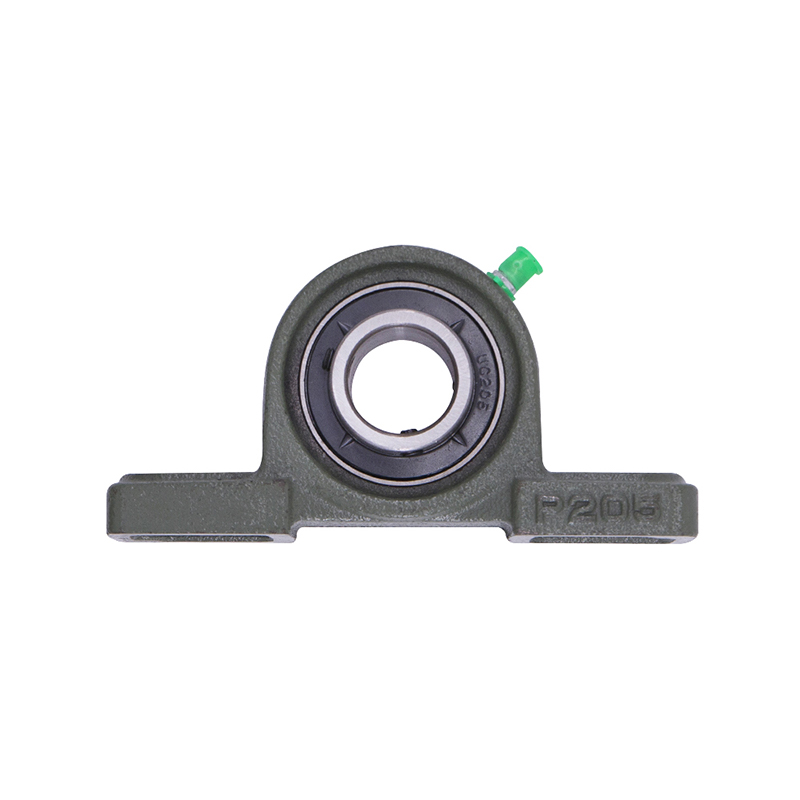 Spherical Bearings
P207 206 205 203 High Precision Wheel Pillow Block Bearing
-
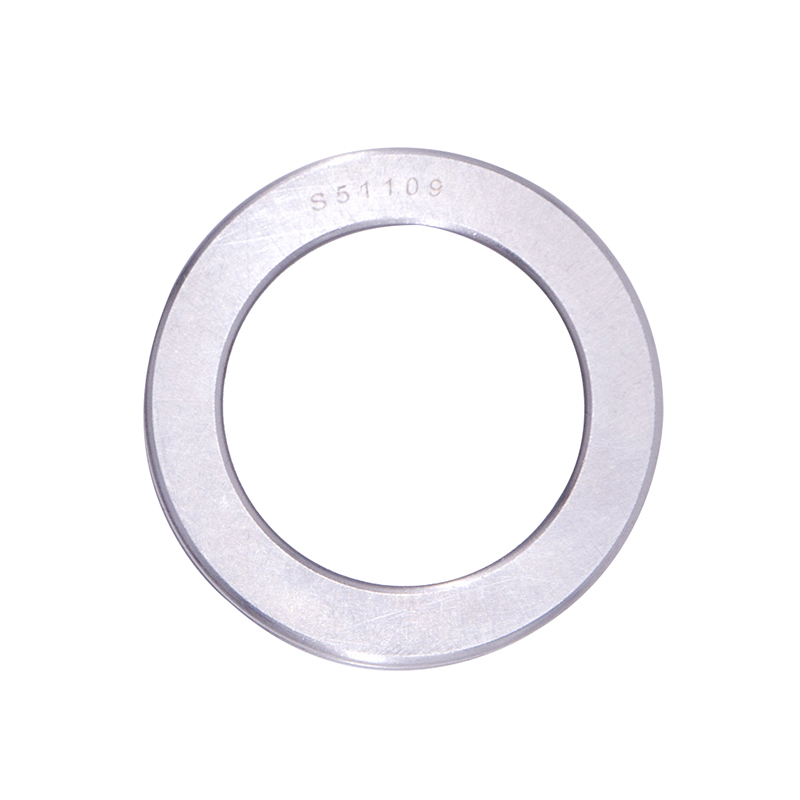 Thrust Roller Bearings
S51100 S51107 S51109 Car Wheel Plain Thrust Ball Bearing
-
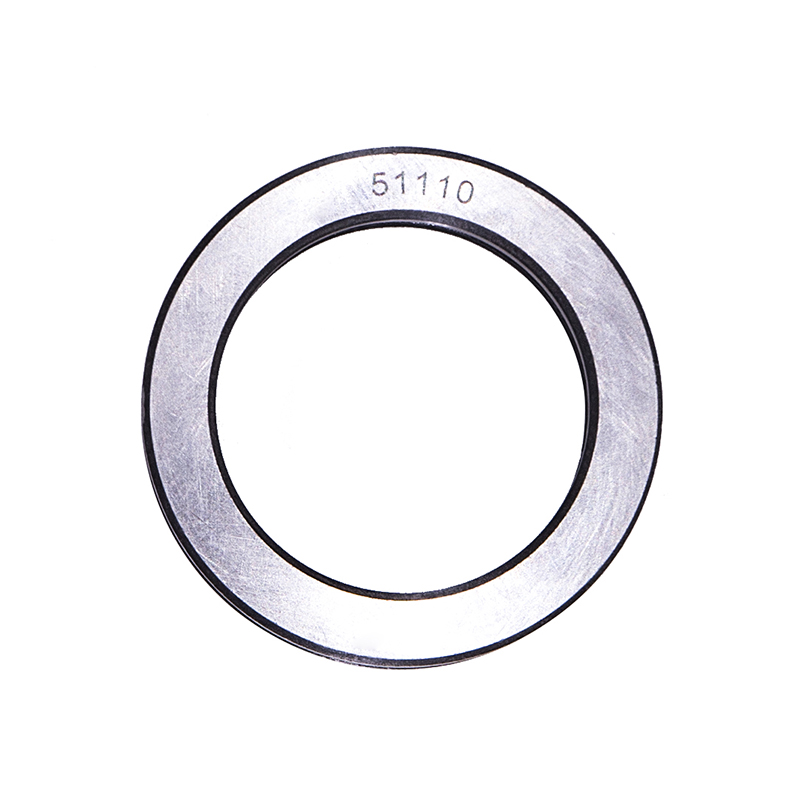 Thrust Roller Bearings
51110 51107 51104 51206 High Speed Plain Thrust Ball Bearing
What are the capabilities and limitations of deep groove ball bearings?
Industry news-What are the primary capabilities and limitations of deep groove ball bearings?
The primary capability of a deep groove ball bearing is its efficient support of radial loads—forces acting perpendicular to the shaft axis. Due to the geometry of the deep grooves, it can also accommodate moderate axial (thrust) loads in both directions, though its axial load capacity is typically about one-third to one-half of its radial capacity. This ability to handle combined loads, along with its low friction and suitability for high speeds, is a key reason for its widespread use.

Its limitations are well-defined. It is not designed for very heavy axial loads; for such applications, a dedicated thrust bearing or a taper roller bearing is more appropriate. While it can accommodate a small amount of misalignment (typically a few minutes of arc), it is not a self-aligning bearing. Significant angular misalignment between the shaft and housing will cause increased stress, noise, and premature failure. Furthermore, its performance in high-vibration or shock-load environments may be less robust than that of roller bearings, which have line contact rather than point contact.
How are deep groove ball bearings sealed and lubricated, and what are the trade-offs between different sealing types?
Seals and shields are used to retain lubricant and exclude contaminants. The common types are ZZ metal shields and 2RS rubber contact seals. A metal shield (denoted by ZZ) is a thin steel plate pressed into the outer ring, with a small running clearance around the inner ring. It offers low friction and is suitable for high speeds, providing good protection against large particulate contaminants but limited defense against fine dust or moisture.
A rubber contact seal (denoted by 2RS, meaning two rubber seals) has a lip that makes light contact with a groove on the inner ring. It provides protection against dust, moisture, and other fine contaminants. The trade-off is increased friction and lower permissible speed compared to an open or shielded bearing. There are also non-contact rubber seals and hybrid designs that balance these characteristics. For electric motors and general industrial applications, rubber-sealed (2RS) bearings are standard. For high-speed spindles or applications where minimal friction is critical, shielded or open bearings are selected and lubricated within a sealed housing.
What factors commonly bring about premature bearing failure, and how can they be prevented?
Premature failure is rarely random and is usually attributable to identifiable causes. The common is contamination. Abrasive particles (dirt, sand, metal debris) entering the bearing act as a grinding compound, causing rapid wear of the raceways and balls, bring about increased clearance, vibration, and ultimately fatigue failure. Prevention involves using proper seals for the environment, ensuring clean handling during installation, and maintaining clean lubricant.
Incorrect lubrication is another major cause. This includes using the wrong lubricant type or viscosity, under-lubrication (starvation), and over-lubrication, which can cause churning and overheating in high-speed applications. Following the manufacturer's lubrication guidelines for type, quantity, and re-lubrication intervals is necessary.
Improper installation accounts for a significant portion of failures. This includes using brute force to press the bearing onto a shaft (which can damage the raceways), misalignment of the housing, and incorrect fitting tolerances. A bearing inner ring that is a loose fit on a shaft can creep and wear, while an excessively tight fit generates internal preload and heat. Using proper tools, following prescribed mounting procedures, and adhering to specified shaft and housing tolerances are essential preventive measures.
How does one correctly select a deep groove ball bearing for a given application?
Selection is a systematic process based on load, speed, and life requirements. The step is to define the load conditions: the magnitude and direction (radial, axial, or combined) of the forces the bearing must support. Next, the required operational life (in hours or revolutions) must be established, often using standardized life calculation methods like the L10 life rating, which predicts the life at which 90% of a bearing population will survive under given conditions.
With load and life defined, a bearing with a sufficient dynamic load rating (C) can be selected from a manufacturer's catalog. This rating indicates the load a bearing can endure for one million revolutions with a 90% survival probability. The bearing's physical dimensions (bore, outer diameter, width) must fit the available space in the housing and on the shaft. Finally, considerations for the operating environment determine the necessary seal type, lubrication, and material (standard chrome steel vs. stainless steel for corrosion resistance). For high-speed applications, the bearing's limiting speed rating must also be checked to ensure it can operate safely at the required RPM without excessive heat generation.
Our Product//
Related Product
If you are interested in our products, please consult us
Contact Details
- Address: 1377-13 Yinhai International, Jinhua, Zhejiang, China
- Fax: 0086-0319-8544668
- Tel: +86-15215868236
+86-15833609668 - Email: [email protected]
Products
Quick Link
News Center
Mobile terminal
Copyright © Yiwu Delian Bearing Co., Ltd. ALL RIGHTS RESERVED.
