
 English
 русский
 Español
-
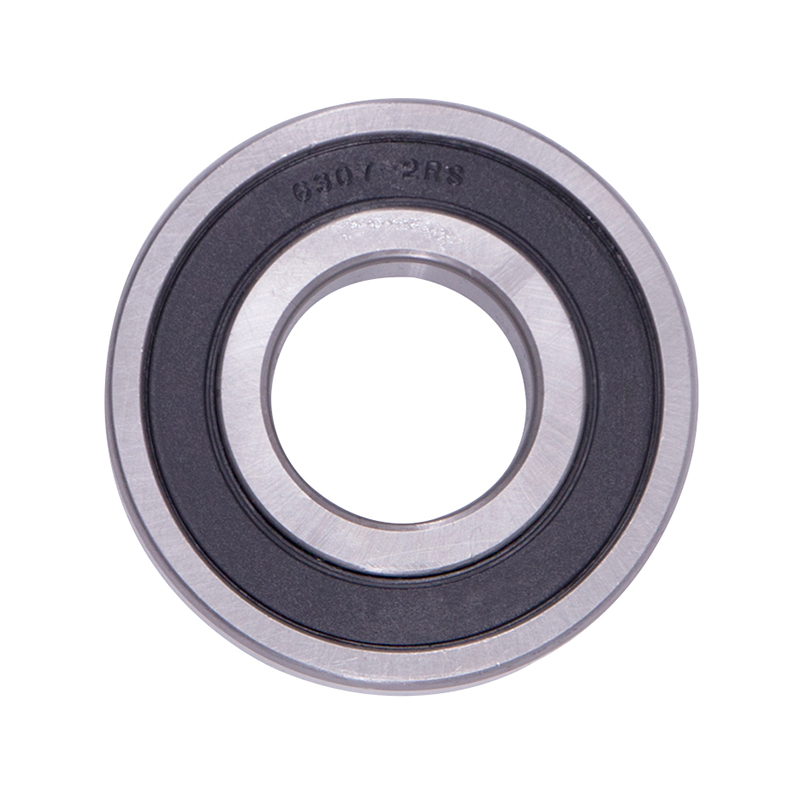 Wheel Hub Bearings
 -
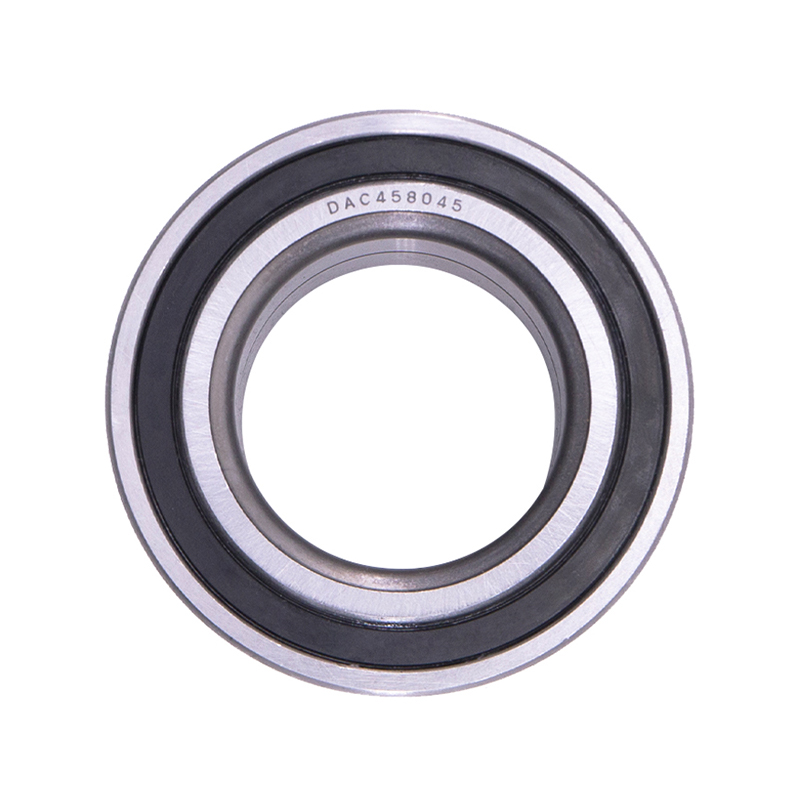 Wheel Hub Bearings
DAC387436 DAC458045 Hub Deep Groove Ball Car Wheel Bearing
-
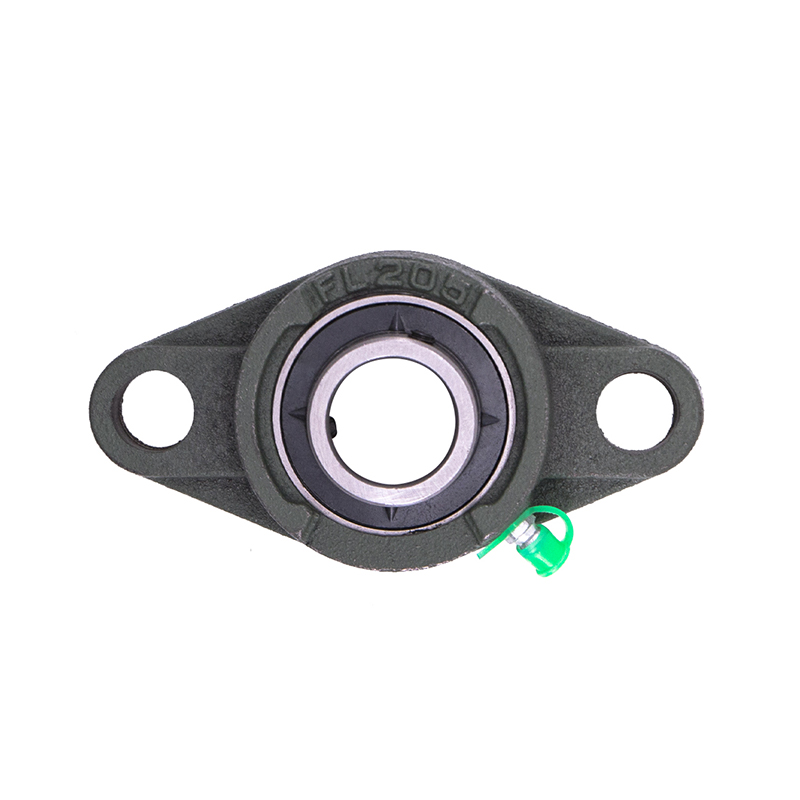 Spherical Bearings
FL204 FL205 FL206 Stainless Steel Pillow Block Bearing
-
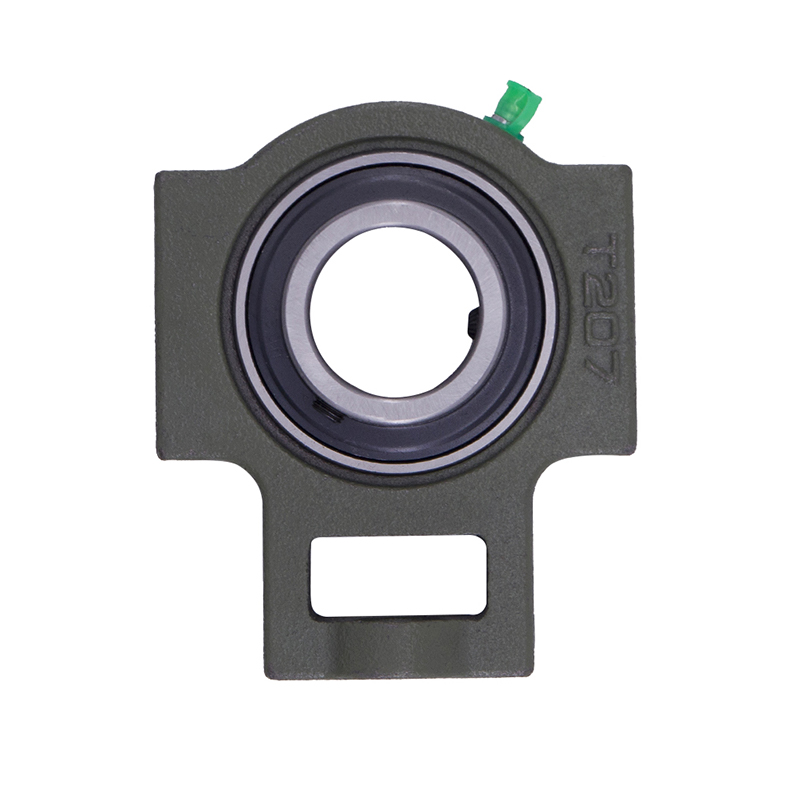 Spherical Bearings
T204 T207 UC204 High Speed Insert Pillow Block Bearing
-
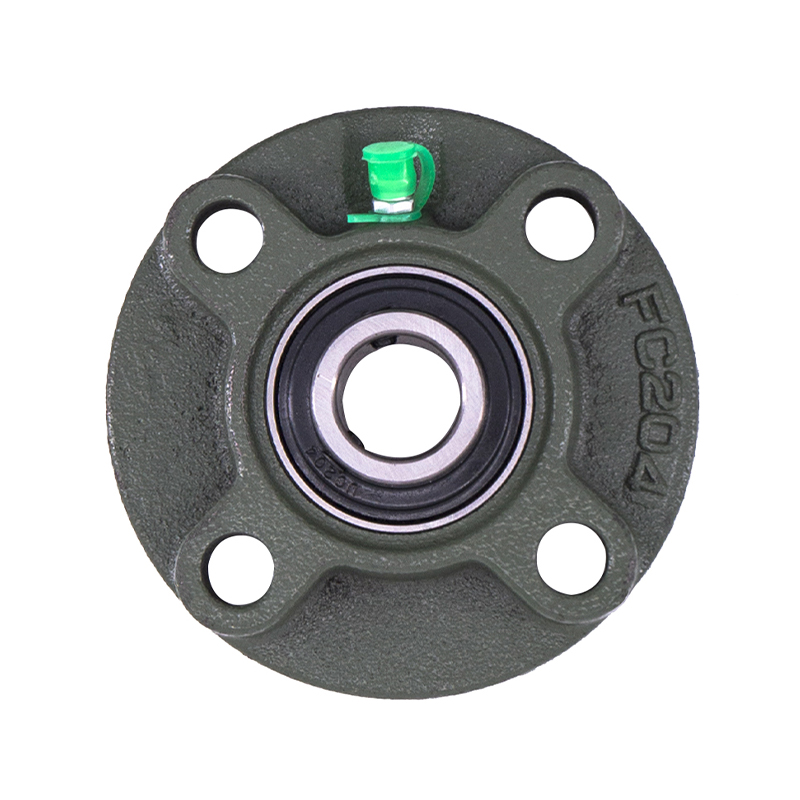 Spherical Bearings
FC204 F210 Auto Wheels Bike Pillow Block Bearing
-
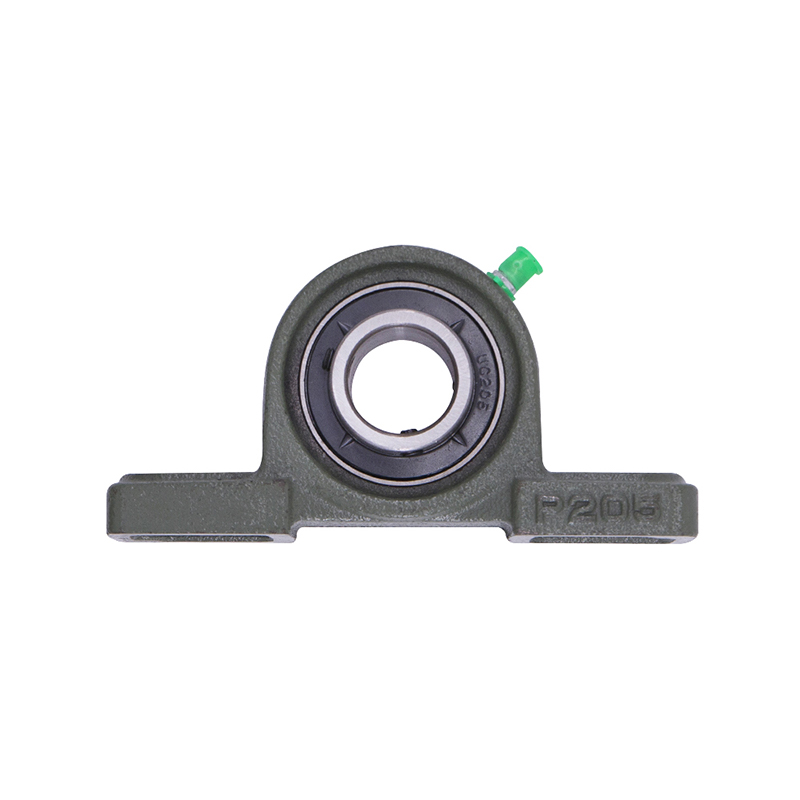 Spherical Bearings
P207 206 205 203 High Precision Wheel Pillow Block Bearing
-
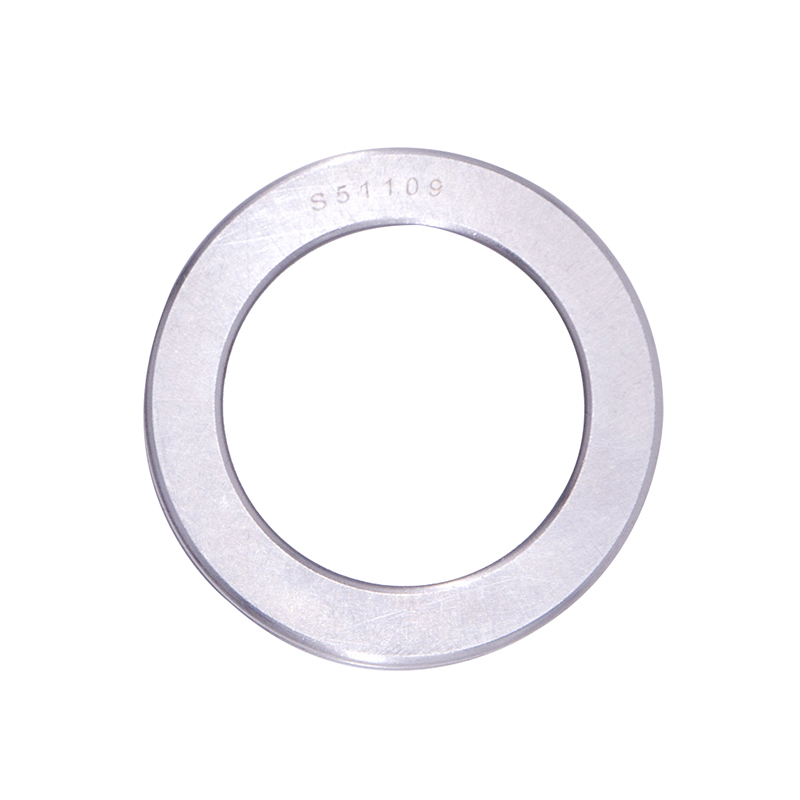 Thrust Roller Bearings
S51100 S51107 S51109 Car Wheel Plain Thrust Ball Bearing
-
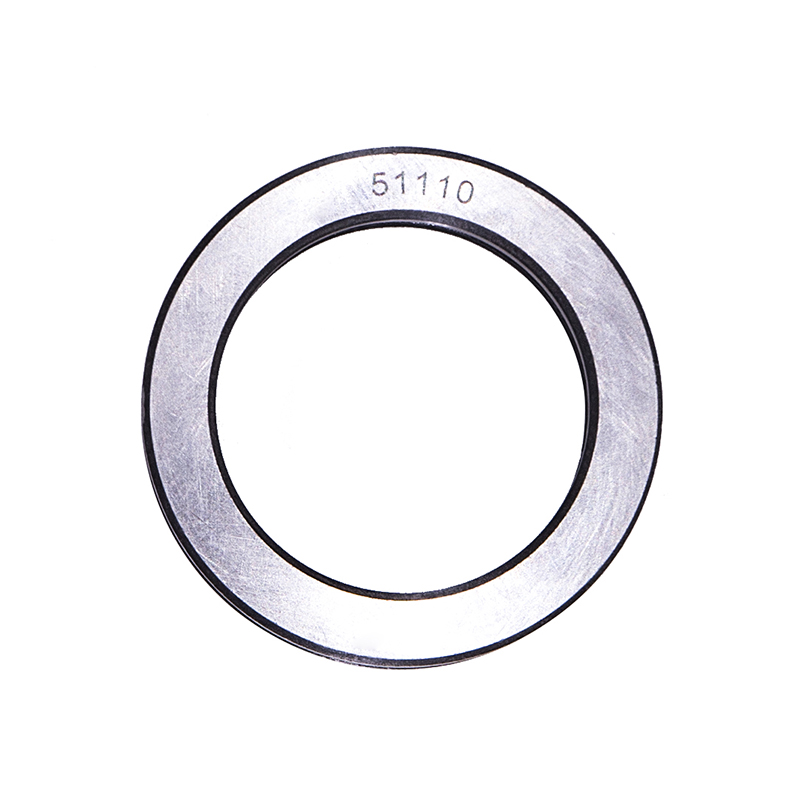 Thrust Roller Bearings
51110 51107 51104 51206 High Speed Plain Thrust Ball Bearing
What Are the Disadvantages of Machinery Self-aligning Ball Bearings?
Industry news-Despite their adaptability, machinery self-aligning ball bearings have several disadvantages that limit their suitability in some applications. One key drawback is relatively low load-carrying capacity. Compared with other bearing types of similar size, such as spherical roller bearings or angular contact ball bearings, self-aligning ball bearings are less capable of handling heavy radial or axial loads. This makes them less suitable for high-load or shock-load environments.
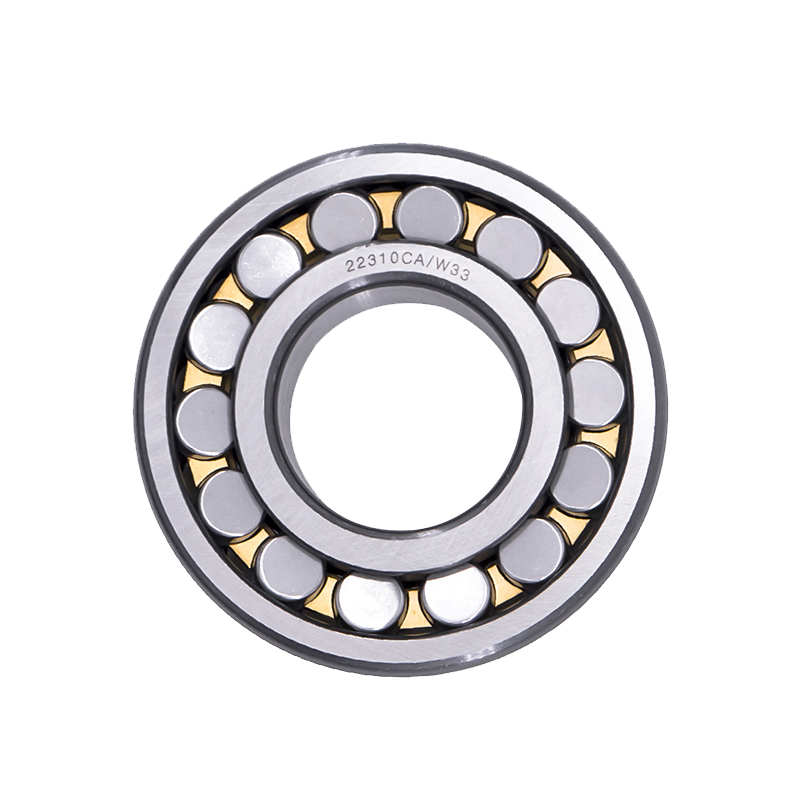
Another limitation is restricted axial load capacity. While these bearings can accommodate small axial loads in both directions, they are primarily designed for radial loads. Excessive axial force can bring about increased internal stress and reduced service life.
Speed limitations can also be a concern. Although self-aligning ball bearings can operate at moderate speeds, their internal geometry may generate more friction under certain conditions than deep groove ball bearings. This can result in additional heat generation if lubrication and load conditions are not well managed.
Rigidity is relatively low. Because the bearing allows internal self-alignment, it provides less shaft support stiffness. In precision machinery where accurate shaft positioning is critical, this reduced rigidity may negatively affect performance.
How to Correctly Understand and Use Machinery Self-aligning Ball Bearings?
Correct understanding and application help users gain the intended benefits of machinery self-aligning ball bearings while avoiding misuse.
Understand the purpose of self-alignment
These bearings are designed to compensate for shaft misalignment caused by installation errors, housing deformation, or shaft deflection.
Use them in appropriate load conditions
They perform under light to moderate radial loads rather than heavy or impact loads.
Limit axial loading
Only small axial forces should be applied, as excessive axial load can shorten bearing life.
Ensure proper lubrication
Adequate lubrication reduces friction and wear, especially during continuous operation.
Select correct internal clearance
Clearance choice affects heat generation, noise, and operational stability.
Maintain clean operating conditions
Contaminants such as dust or moisture can accelerate wear and reduce alignment effectiveness.
By following these principles, users can apply self-aligning ball bearings within their intended performance range and achieve stable operation.
Typical Application Scenarios and Suitability
Machinery self-aligning ball bearings are widely used in applications where alignment errors are difficult to avoid. Examples include agricultural machinery, textile equipment, conveyors, fans, and light-duty industrial drives. In these systems, shaft deflection may occur due to long spans, flexible frames, or varying loads.
Their ability to accommodate misalignment reduces the need for precise housing machining and alignment during installation. This can simplify assembly and reduce installation time. However, suitability must be evaluated carefully. In applications requiring high rigidity, precise shaft positioning, or heavy load support, alternative bearing types may offer better performance.
Understanding the operating environment, including load levels, speed, and alignment conditions, is essential when deciding whether a self-aligning ball bearing is appropriate.
Maintenance, Selection, and Service Life Considerations
Maintenance requirements for machinery self-aligning ball bearings are generally moderate. Regular lubrication and periodic inspection help ensure consistent performance. Because these bearings often operate in environments with potential misalignment, monitoring for abnormal noise or vibration is important.
Selection factors include bearing size, load rating, speed capability, internal clearance, and sealing type. Open bearings may be suitable for clean environments with external lubrication systems, while sealed versions offer better protection against contaminants.
Service life is influenced by operating conditions rather than alignment capability alone. While self-alignment reduces stress caused by misalignment, excessive loads, poor lubrication, or contamination can still bring about premature failure. Selecting a bearing with sufficient load margin and maintaining appropriate lubrication intervals are key to achieving expected lifespan.
Our Product//
Related Product
If you are interested in our products, please consult us
Contact Details
- Address: 1377-13 Yinhai International, Jinhua, Zhejiang, China
- Fax: 0086-0319-8544668
- Tel: +86-15215868236
+86-15833609668 - Email: [email protected]
Products
Quick Link
News Center
Mobile terminal
Copyright © Yiwu Delian Bearing Co., Ltd. ALL RIGHTS RESERVED.
