
 English
 русский
 Español
-
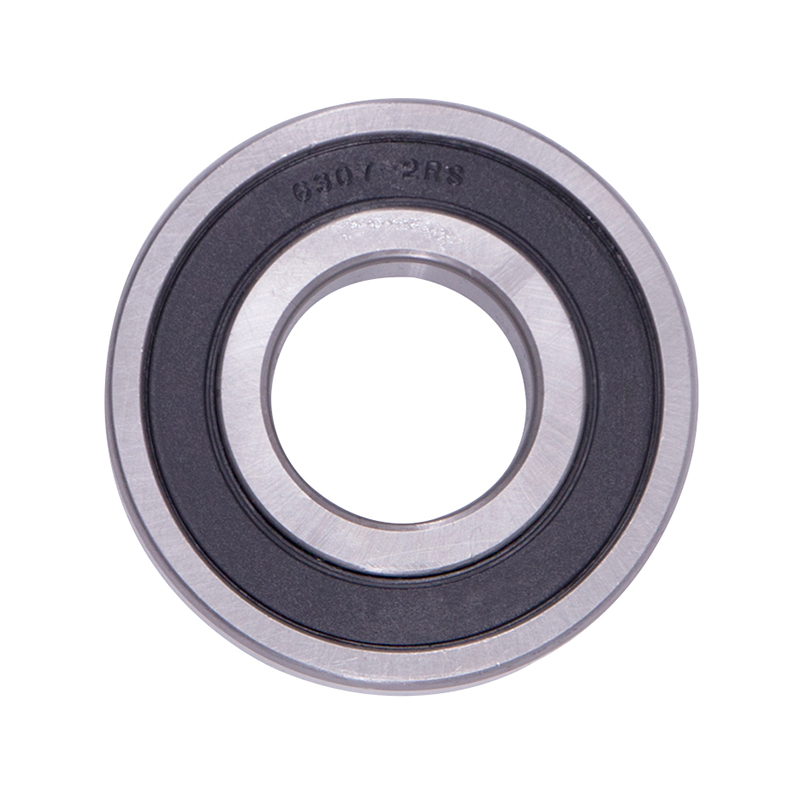 Wheel Hub Bearings
 -
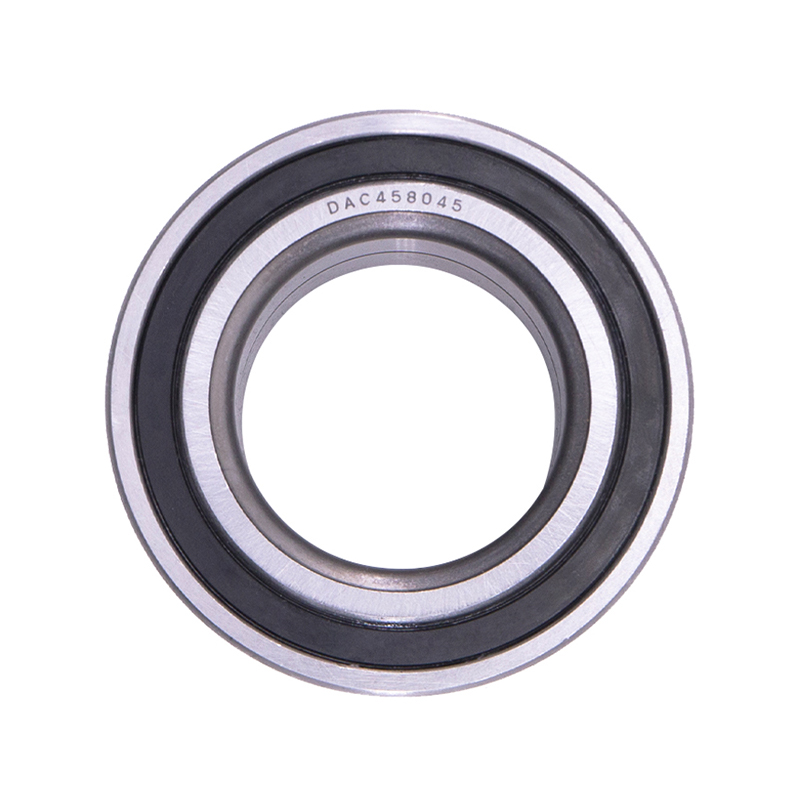 Wheel Hub Bearings
DAC387436 DAC458045 Hub Deep Groove Ball Car Wheel Bearing
-
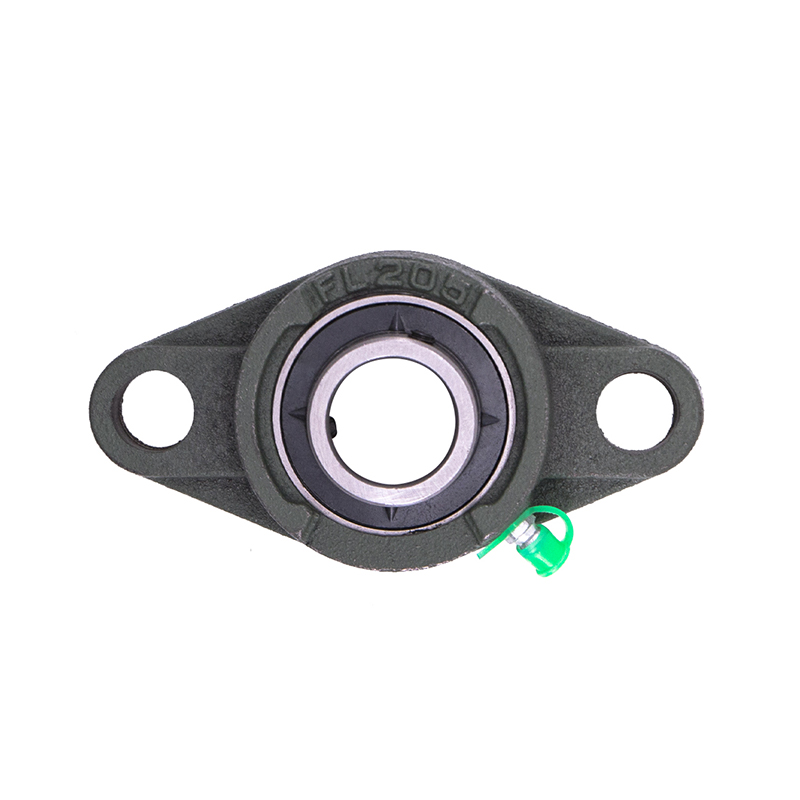 Spherical Bearings
FL204 FL205 FL206 Stainless Steel Pillow Block Bearing
-
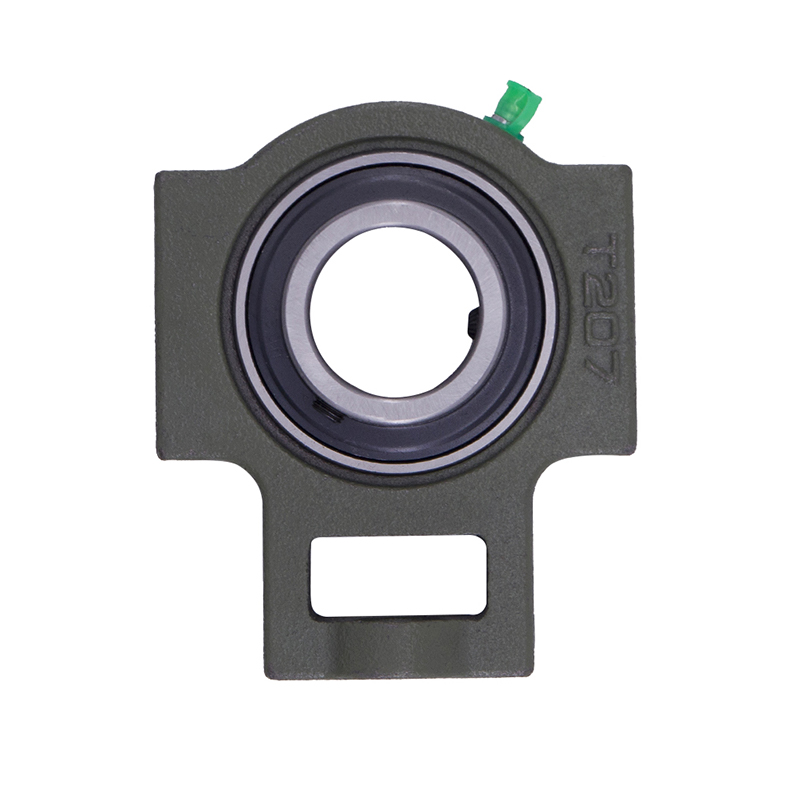 Spherical Bearings
T204 T207 UC204 High Speed Insert Pillow Block Bearing
-
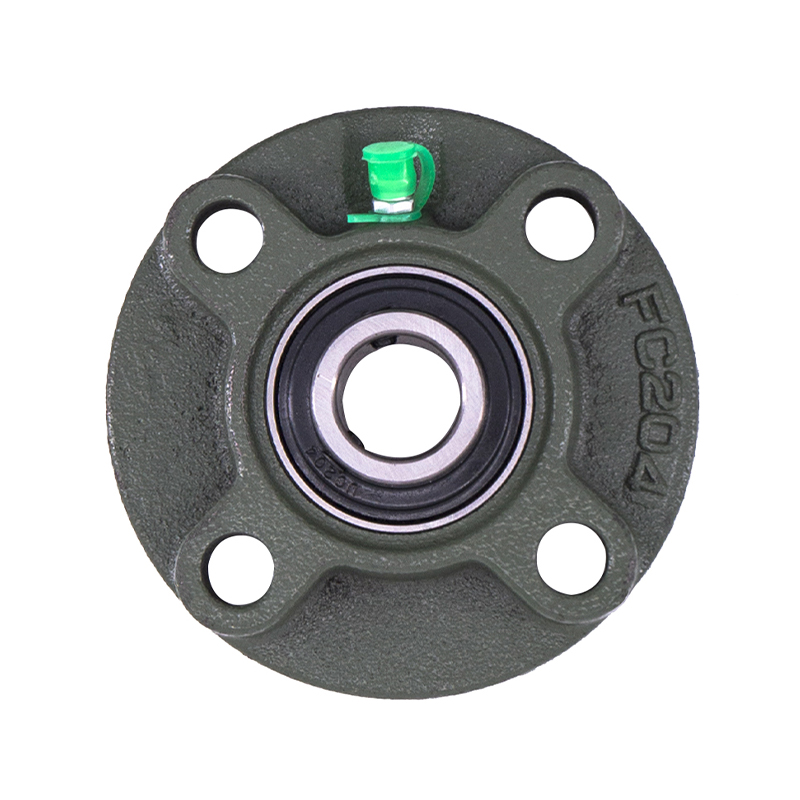 Spherical Bearings
FC204 F210 Auto Wheels Bike Pillow Block Bearing
-
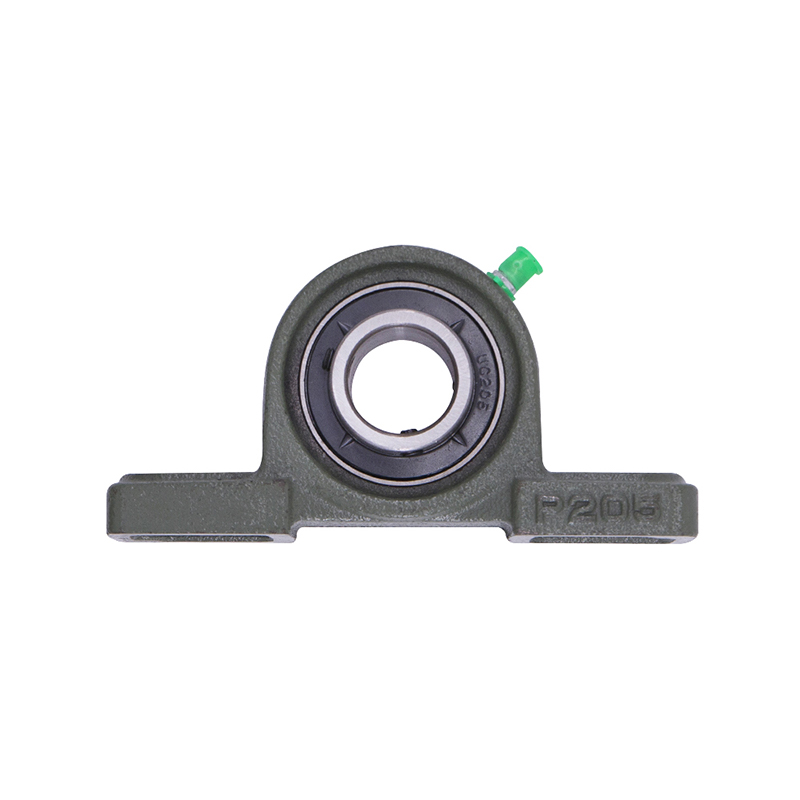 Spherical Bearings
P207 206 205 203 High Precision Wheel Pillow Block Bearing
-
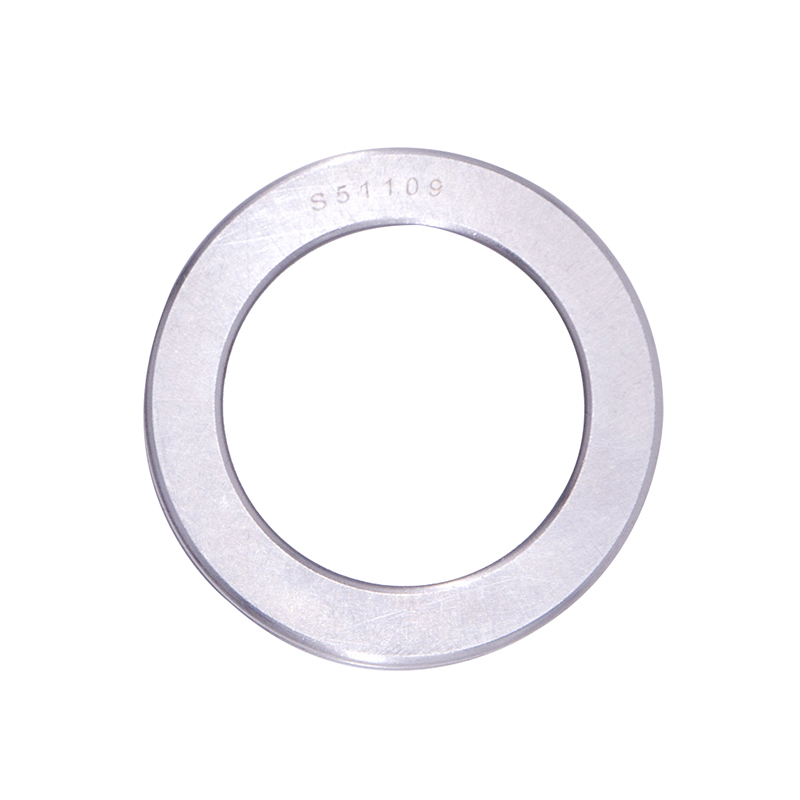 Thrust Roller Bearings
S51100 S51107 S51109 Car Wheel Plain Thrust Ball Bearing
-
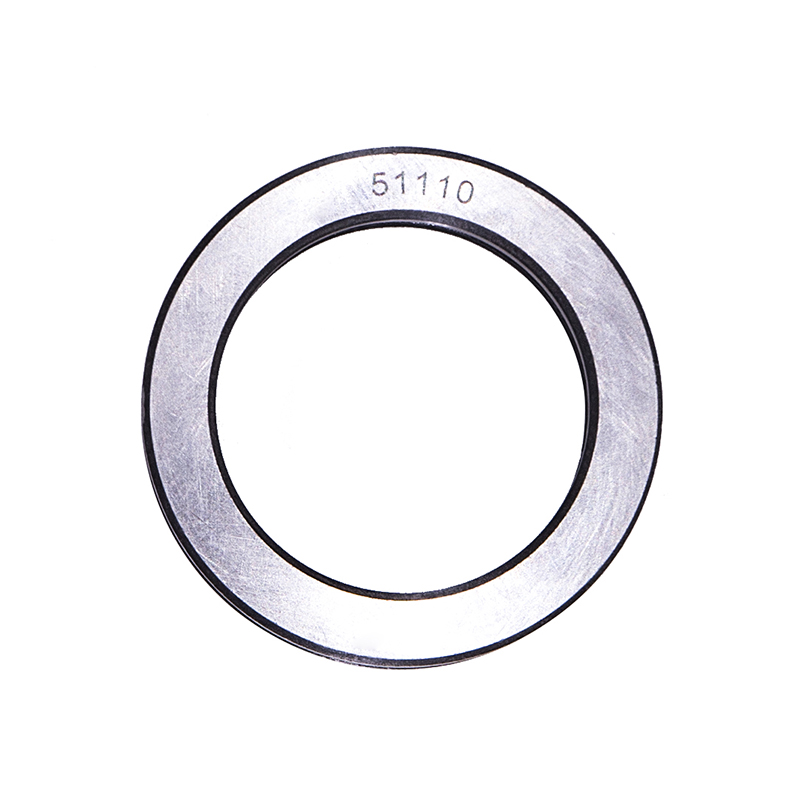 Thrust Roller Bearings
51110 51107 51104 51206 High Speed Plain Thrust Ball Bearing
What is Linear Bearing?
Industry news-They are widely used in industrial automation, CNC machinery, 3D printers, robotics, and transportation systems. Understanding the structure, working principle, types, applications, and maintenance considerations of linear bearings helps engineers, technicians, and designers select the appropriate bearing for specific tasks and environments.
Basic Definition and Function
A linear bearing factory is a device designed to provide smooth, low-friction linear motion between two parts. Typically, it consists of a bearing block and a rail or shaft. The bearing block contains rolling elements, such as balls or rollers, or sliding surfaces that reduce friction between the moving part and the fixed guide. The rail or shaft serves as the track along which the bearing moves.
The primary function of a linear bearing is to allow movement along a single axis while maintaining alignment and supporting loads. It ensures stability and accuracy in machinery where precise linear motion is required. Linear bearings reduce wear, prevent misalignment, and minimize the energy required to move a component, contributing to consistent performance and extended equipment life.
Working Principle
The working principle of a linear bearing depends on its type. In rolling-element linear bearings, the bearing block contains balls or rollers that circulate along the tracks inside the block. These rolling elements bear the load and reduce friction between the moving surfaces. Because rolling friction is lower than sliding friction, these bearings allow smooth motion with minimal resistance.
In contrast, plain or sleeve-type linear bearings operate based on sliding contact. The bearing surface is made of low-friction materials such as bronze, PTFE, or composite polymers. The shaft slides directly along this surface, with lubrication often applied to reduce friction and wear. Plain bearings are simpler and often more economical than rolling-element types but may have slightly higher friction and wear under heavy loads.
Regardless of type, linear bearings distribute loads along the contact surfaces, reducing stress concentration and preventing uneven wear. This distribution contributes to stable and repeatable motion, which is important in applications requiring precise positioning.
Types of Linear Bearings
Linear bearings can be categorized into several types based on design and function. The common types include:
Ball Bushing Bearings: These bearings contain recirculating balls that roll along grooves inside the bearing block. They are widely used for CNC machines, 3D printers, and automated equipment because of their low friction and smooth motion.
Profile Rail Bearings: These linear bearings run along a rail with a specially shaped profile. They provide higher rigidity and load capacity compared with standard ball bushings. Profile rail systems often include preloaded designs to reduce backlash and improve positional accuracy.
Plain or Sleeve Bearings: These bearings rely on sliding motion between the shaft and the bearing surface. They may be made from bronze, plastic, or composite materials. These bearings are often used in low-speed or lightweight applications where high precision is not critical.
Roller Bearings: Linear roller bearings use cylindrical or tapered rollers instead of balls. They offer higher load capacity and rigidity and are often used in heavy-duty machinery and industrial presses.
Magnetic Linear Bearings: These bearings use magnetic fields to support and guide motion without physical contact. They provide very low friction and minimal wear, making them suitable for high-speed or cleanroom applications.
Applications
Linear bearings are used in a wide range of industries and machinery. In CNC machines, they guide cutting tools or workpieces with high precision. 3D printers rely on linear bearings for accurate layer deposition. Automation systems, including pick-and-place robots, conveyor systems, and material handling equipment, use linear bearings to ensure smooth and repeatable motion.
Other applications include medical devices, laboratory equipment, and optical instruments where controlled movement is necessary. Even transportation systems, such as sliding doors or linear actuators, utilize linear bearings to maintain alignment and reduce operating force.
Maintenance Considerations
Maintenance is critical for the performance and longevity of linear bearings. Rolling-element bearings often require periodic lubrication with oil or grease to prevent wear and reduce friction. Proper sealing prevents contamination from dust, dirt, or moisture, which can degrade performance and shorten bearing life.
Plain bearings may require regular inspection for surface wear, proper alignment, and lubrication. Over time, friction surfaces may wear unevenly, misalignment or increased resistance. Replacing worn components in a timely manner helps maintain precision and prevents damage to connected machinery.
Installation practices also influence maintenance needs. Ensuring the rail and bearing block are properly aligned, securely fastened, and free from debris reduces the risk of uneven wear or premature failure. Regular inspection of both the shaft and bearing block allows early detection of problems before they affect operation.
Our Product//
Related Product
If you are interested in our products, please consult us
Contact Details
- Address: 1377-13 Yinhai International, Jinhua, Zhejiang, China
- Fax: 0086-0319-8544668
- Tel: +86-15215868236
+86-15833609668 - Email: [email protected]
Products
Quick Link
News Center
Mobile terminal
Copyright © Yiwu Delian Bearing Co., Ltd. ALL RIGHTS RESERVED.
