
 English
 русский
 Español
-
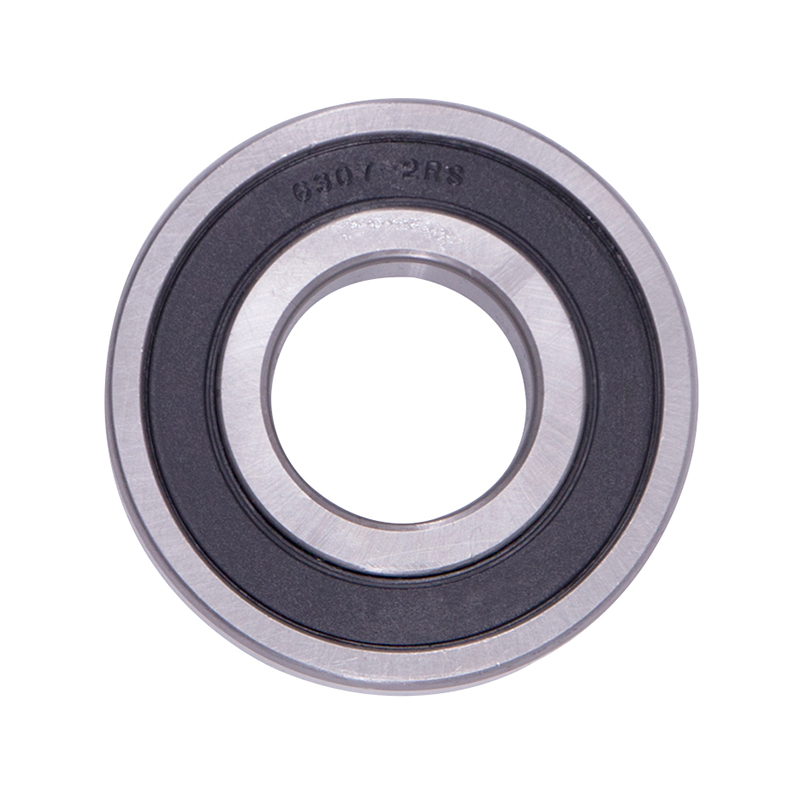 Wheel Hub Bearings
 -
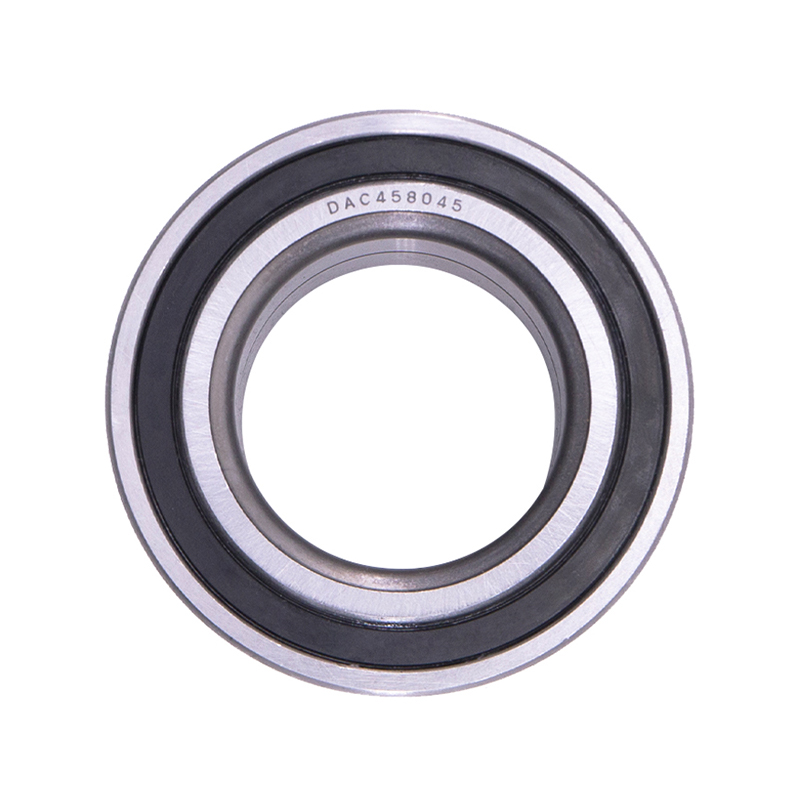 Wheel Hub Bearings
DAC387436 DAC458045 Hub Deep Groove Ball Car Wheel Bearing
-
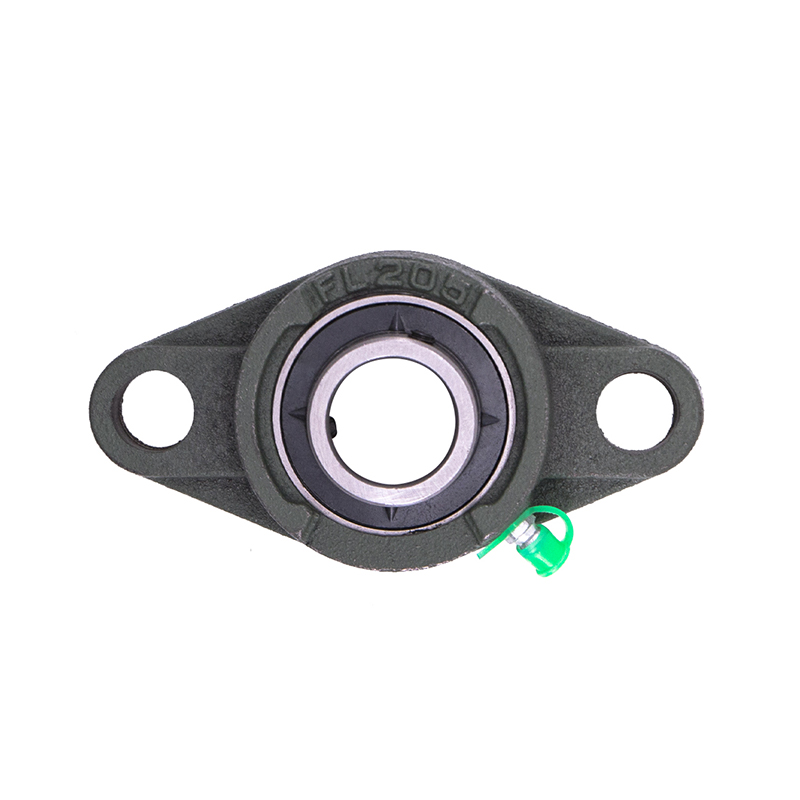 Spherical Bearings
FL204 FL205 FL206 Stainless Steel Pillow Block Bearing
-
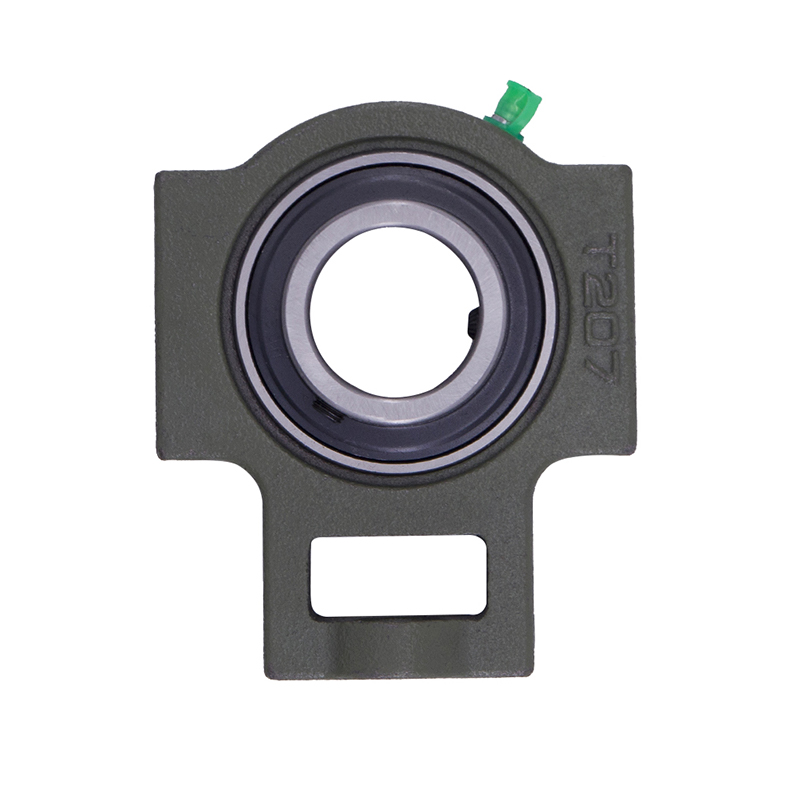 Spherical Bearings
T204 T207 UC204 High Speed Insert Pillow Block Bearing
-
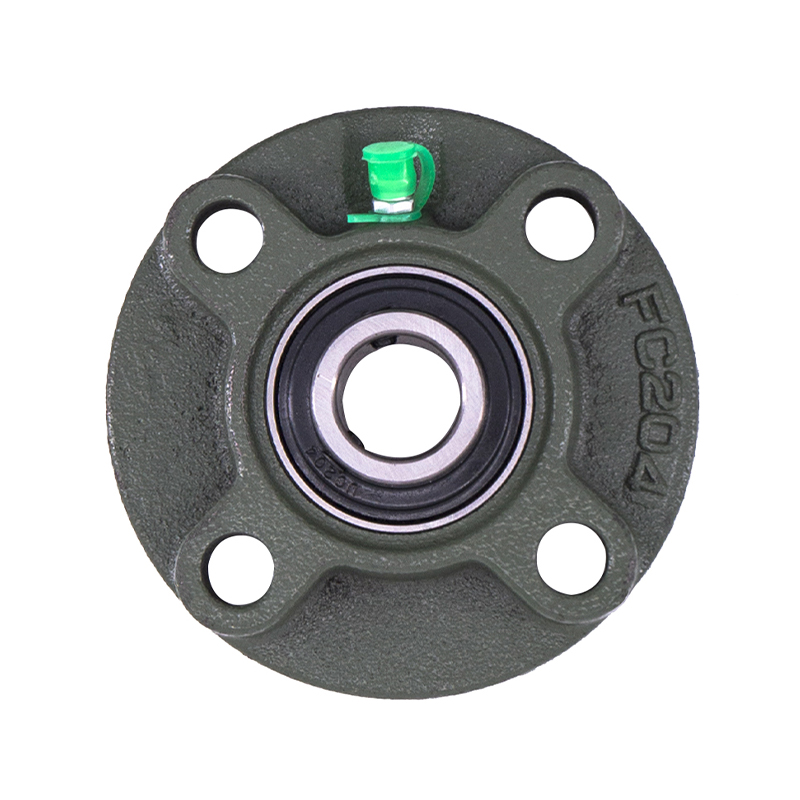 Spherical Bearings
FC204 F210 Auto Wheels Bike Pillow Block Bearing
-
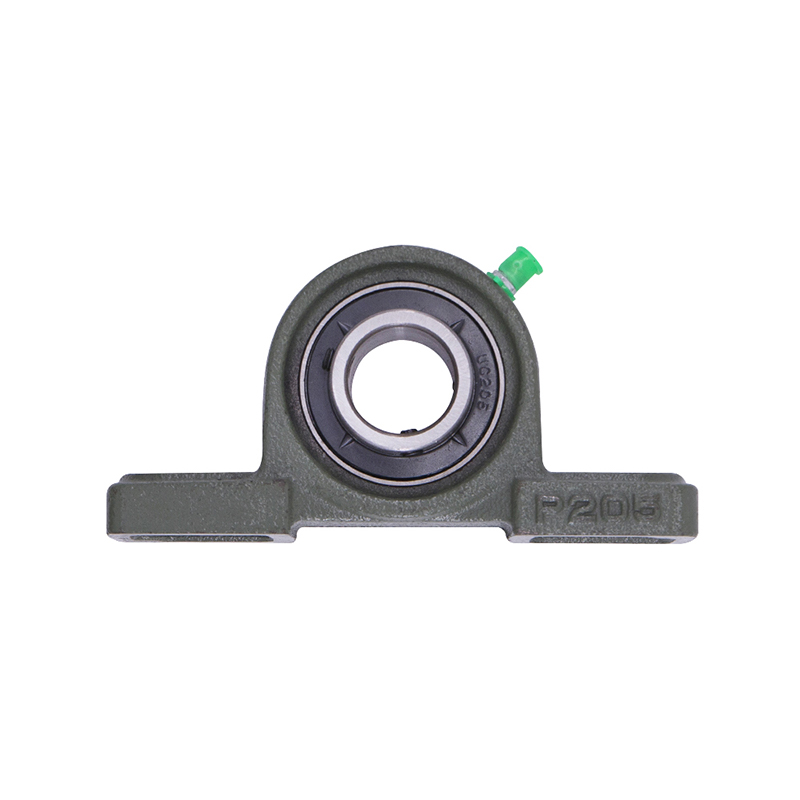 Spherical Bearings
P207 206 205 203 High Precision Wheel Pillow Block Bearing
-
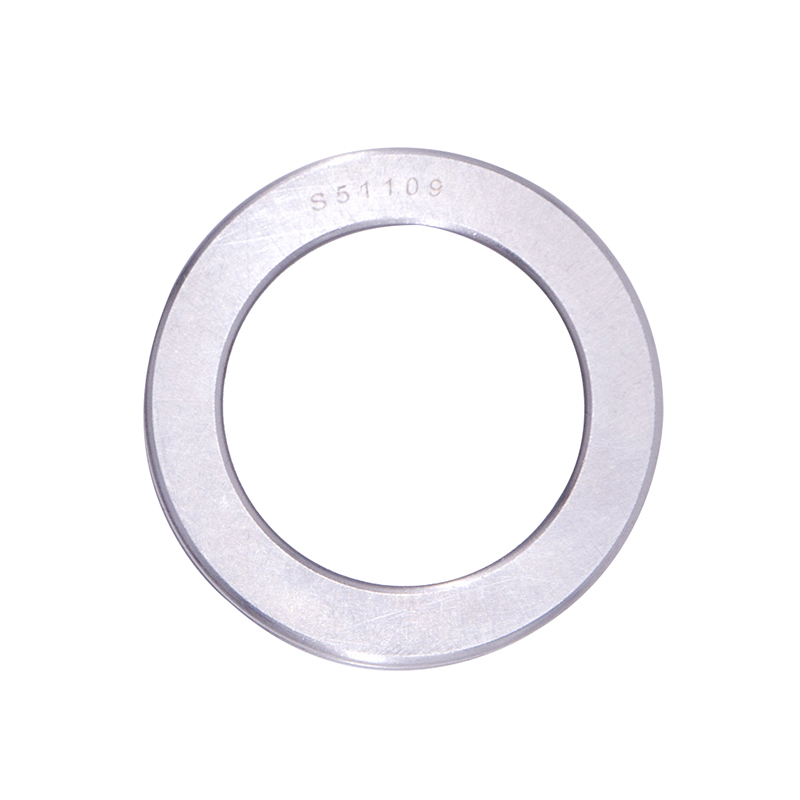 Thrust Roller Bearings
S51100 S51107 S51109 Car Wheel Plain Thrust Ball Bearing
-
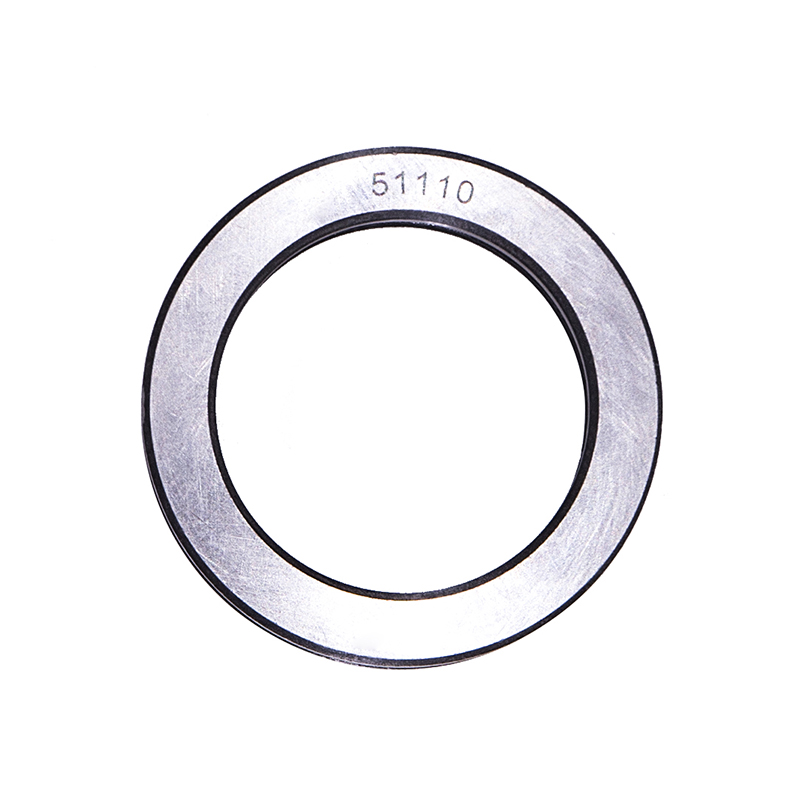 Thrust Roller Bearings
51110 51107 51104 51206 High Speed Plain Thrust Ball Bearing
Needle Bearing: When Did It Appear and How Developed?
Industry news-Historical Origin: Early Concepts and Invention
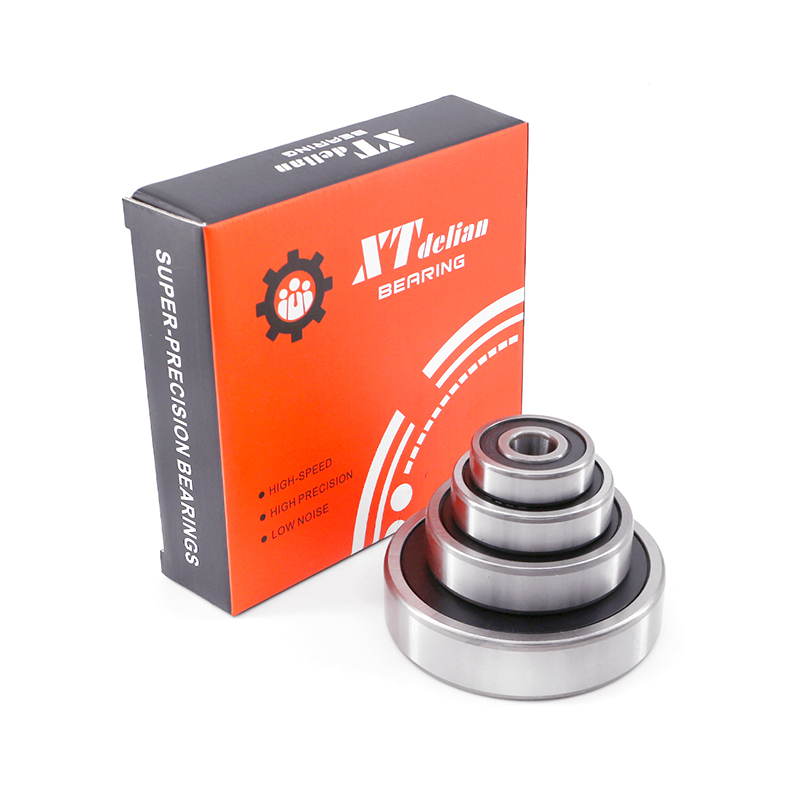
Needle bearings factory were conceptualized as engineers sought ways to reduce friction and support heavier loads within limited spaces.
Early Concepts: The idea of cylindrical rollers to support rotation dates back to the 18th century, when inventors explored roller and ball bearings for various mechanical devices. However, these early bearings were often bulky and limited in load capacity.
Invention of Needle Bearings: The true form of needle bearings, featuring elongated cylindrical rollers, emerged in the early 20th century. Engineers recognized that reducing roller diameter while increasing length allowed more rollers to fit within the bearing race, thereby improving load distribution without significantly increasing size.
Function: This design allowed for higher radial load capacity in compact applications, making it particularly suitable for automotive transmissions, small engines, and machinery where space was limited.
Significance: The invention of needle bearings represented an important step in bearing technology, bridging the gap between conventional cylindrical roller bearings and high-performance small-scale applications.
Early Applications: Automotive and Machinery Integration
Once needle bearings were developed, they found early applications in industries that demanded both space efficiency and load-bearing performance.
Automotive Use: Needle bearings were quickly adopted in automotive transmissions, steering systems, and differentials. Their compact design allowed them to replace larger bearings, reducing overall component size and weight.
Industrial Machinery: In industrial settings, needle bearings were applied in textile machines, printing presses, and small mechanical equipment. They supported high-speed rotation and minimized friction where traditional bearings could not fit.
Function: By providing efficient load support in confined spaces, needle bearings enabled more compact and lighter machinery, enhancing efficiency and reducing material costs.
Impact: Early adoption in these sectors demonstrated the bearing's versatility and practical value, prompting further research and optimization in design and materials.
Technological Improvements: Material and Design Advances
Over the decades, needle bearings underwent significant technological improvements to enhance performance, durability, and manufacturing efficiency.
Materials: Early needle bearings were made from standard bearing steels. With advancing metallurgy, high-strength alloys and hardened steels were introduced, improving wear resistance, fatigue life, and corrosion resistance.
Cage Designs: The development of improved cage designs, which hold the rollers in position, reduced friction and ensured uniform roller spacing. Materials for cages also evolved from steel to plastics or composites in specific applications to reduce weight and noise.
Lubrication and Sealing: Innovations in lubrication, such as integrated oil channels or grease-retaining seals, extended bearing life and reduced maintenance requirements.
Function: These improvements allowed needle bearings to perform reliably under higher speeds, greater loads, and more challenging environmental conditions, increasing their application range.
Modern Advancements: Precision and Specialized Applications
In contemporary engineering, needle bearings have reached a high level of precision and specialization.
Miniaturization: Modern needle bearings are used in compact devices such as drones, electric motors, and robotics, where space is limited. Advanced manufacturing techniques allow for tight tolerances and consistent quality.
Specialized Designs: There are now variations such as drawn-cup needle roller bearings, thrust needle bearings, and combined needle and cage assemblies, each suited to specific load and motion conditions.
Global Application: Today, needle bearings are used in automobiles, motorcycles, industrial machinery, agricultural equipment, and aerospace applications, demonstrating their adaptability and efficiency.
Function: These advancements ensure that needle bearings continue to support high-load applications efficiently while fitting within constrained spaces and meeting modern performance standards.
Our Product//
Related Product
If you are interested in our products, please consult us
Contact Details
- Address: 1377-13 Yinhai International, Jinhua, Zhejiang, China
- Fax: 0086-0319-8544668
- Tel: +86-15215868236
+86-15833609668 - Email: [email protected]
Products
Quick Link
News Center
Mobile terminal
Copyright © Yiwu Delian Bearing Co., Ltd. ALL RIGHTS RESERVED.
