
 English
 русский
 Español
-
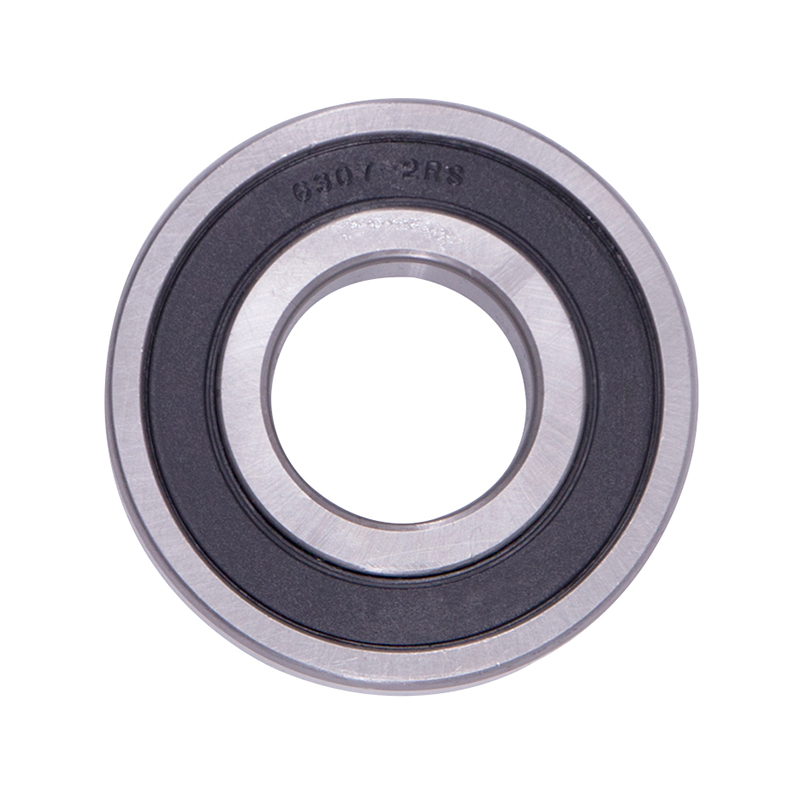 Wheel Hub Bearings
 -
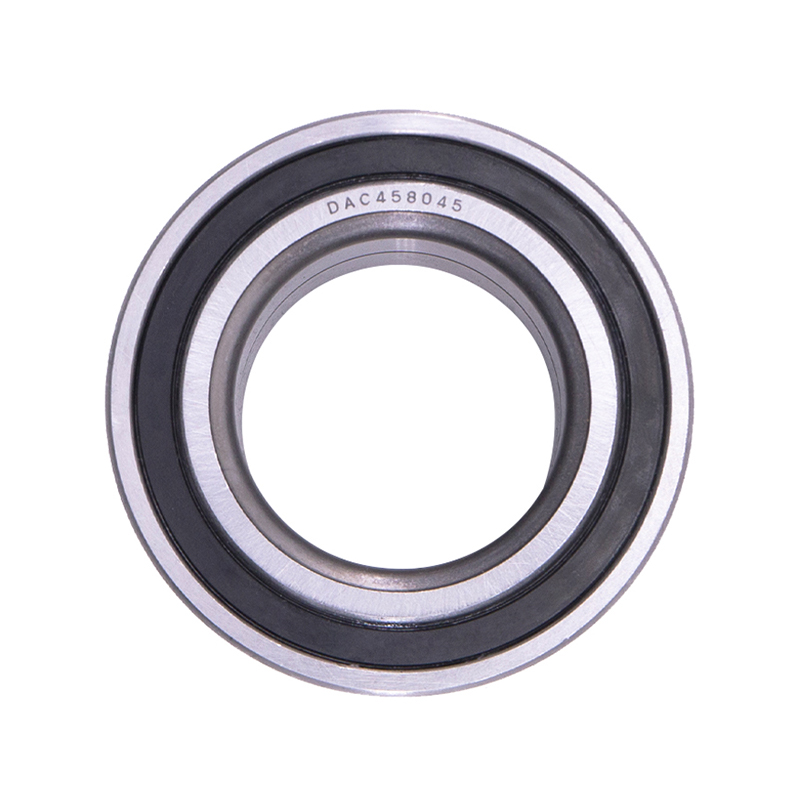 Wheel Hub Bearings
DAC387436 DAC458045 Hub Deep Groove Ball Car Wheel Bearing
-
 Spherical Bearings
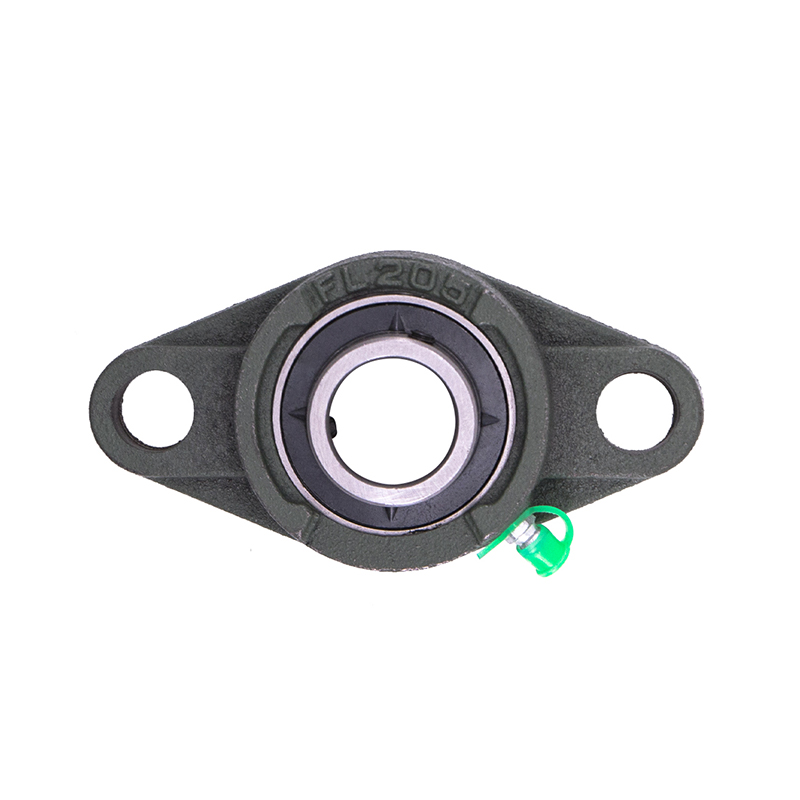
FL204 FL205 FL206 Stainless Steel Pillow Block Bearing
-
 Spherical Bearings
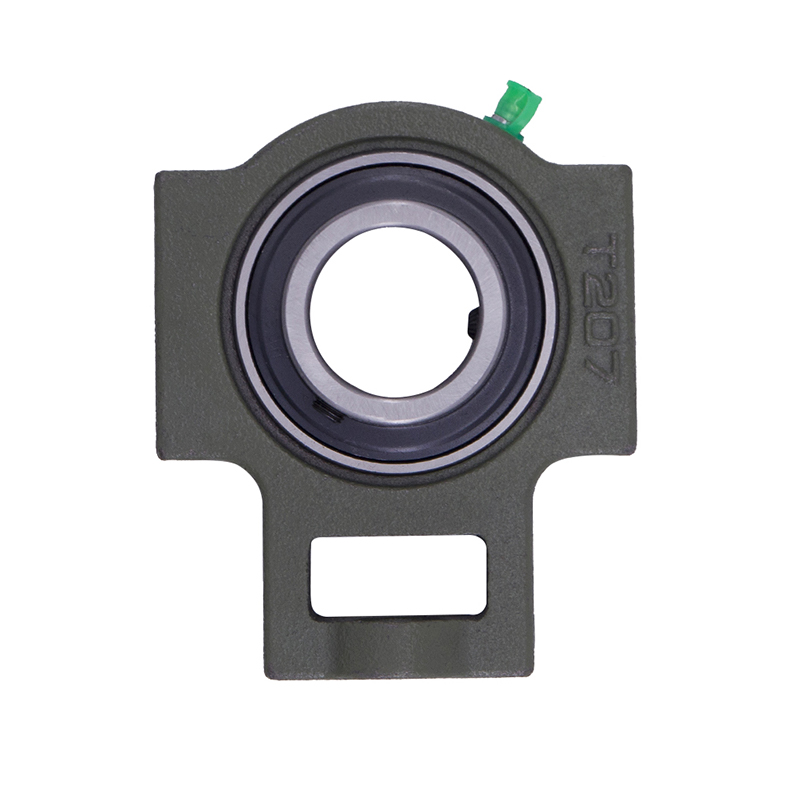
T204 T207 UC204 High Speed Insert Pillow Block Bearing
-
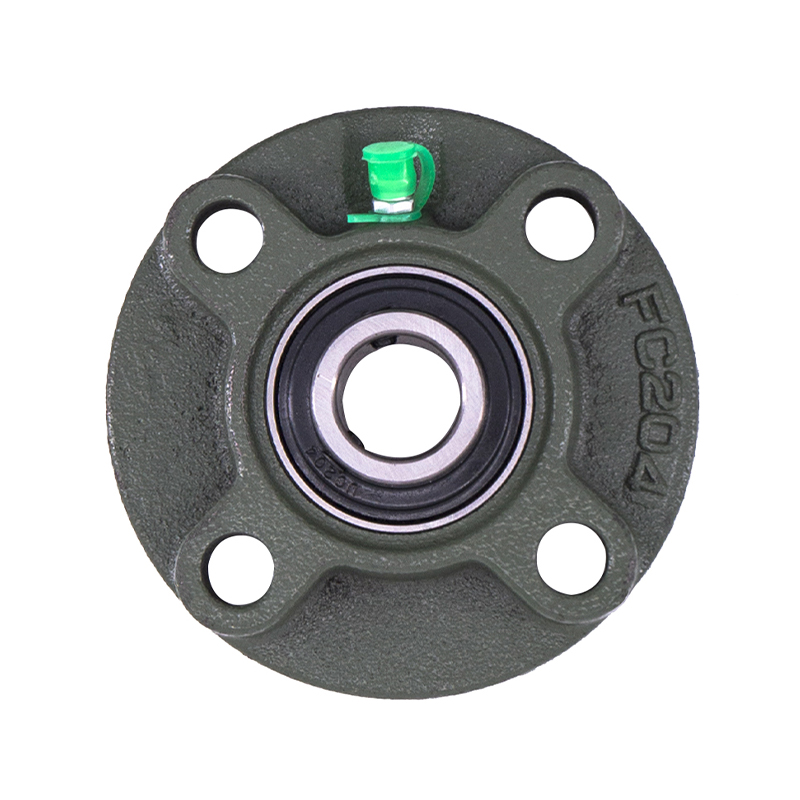 Spherical Bearings
FC204 F210 Auto Wheels Bike Pillow Block Bearing
-
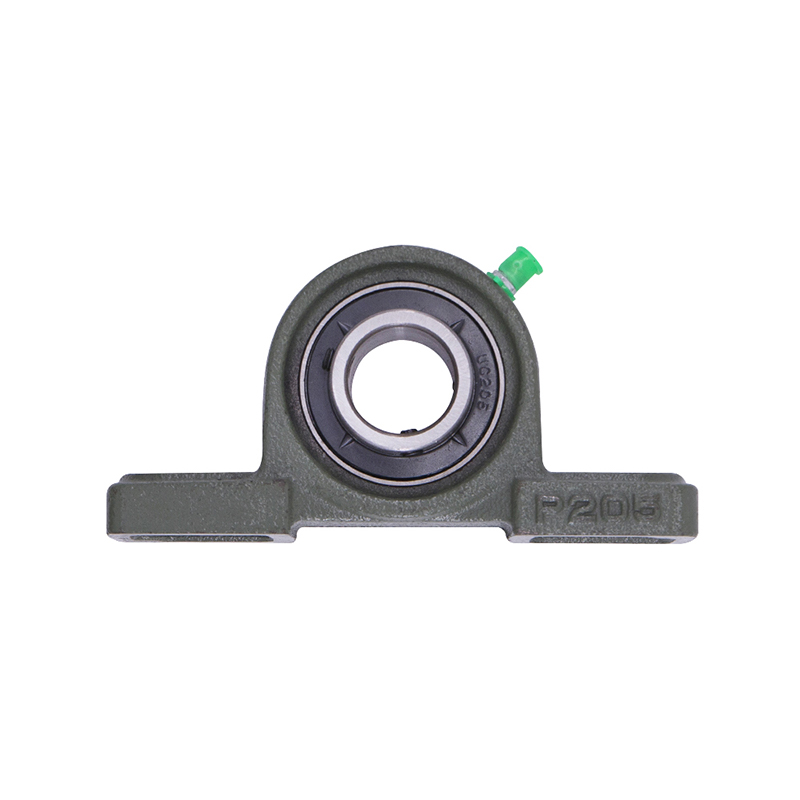 Spherical Bearings
P207 206 205 203 High Precision Wheel Pillow Block Bearing
-
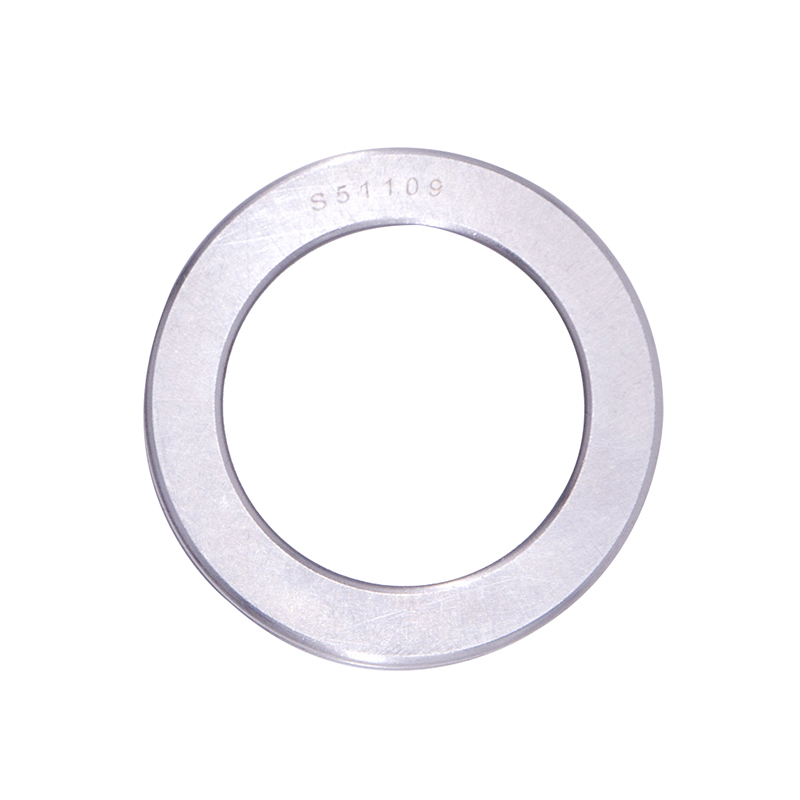 Thrust Roller Bearings
S51100 S51107 S51109 Car Wheel Plain Thrust Ball Bearing
-
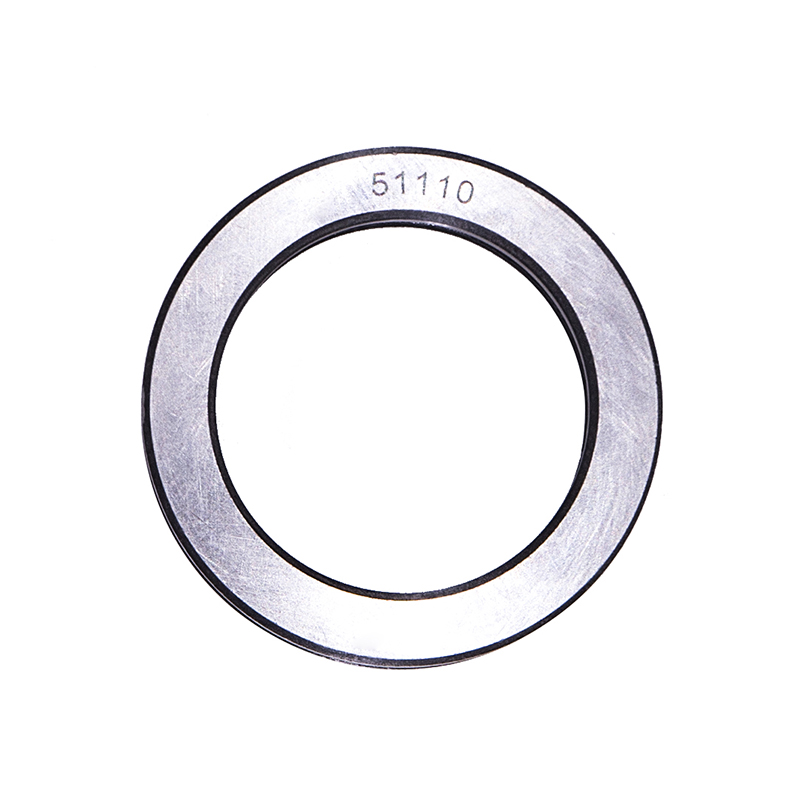 Thrust Roller Bearings
51110 51107 51104 51206 High Speed Plain Thrust Ball Bearing
Why Do F210 Pillow Block Bearings Start Vibrating After Bike Shaft Installation
Industry news-A newly installed wheel shaft is expected to rotate smoothly, yet vibration problems sometimes appear immediately after assembly. This situation often creates confusion because the bearing may be new and the components may look undamaged. However, vibration after installation usually comes from interaction problems between the shaft, housing, mounting structure, and bearing alignment.
The F210 Auto Wheels Bike Pillow Block Bearing is designed to support rotating shafts through a mounted bearing structure. It combines a bearing insert with a housing unit, allowing convenient installation and stable shaft positioning. Similar pillow block designs are commonly used to support rotating shafts, but correct alignment and assembly accuracy are essential for reliable operation.
For bicycle wheel systems, custom carts, mechanical wheels, and compact rotating equipment, unexpected vibration after installation can indicate hidden issues rather than a bearing quality problem.
Common Reasons Behind F210 Pillow Block Bearing Vibration
1. Shaft Misalignment Changes the Internal Load Pattern
Shaft alignment is one of the key factors affecting pillow block bearing operation. A shaft that is slightly tilted inside the bearing creates uneven contact between the rolling elements and raceway.
The bearing may still rotate, but the internal load is no longer evenly distributed. One side of the raceway receives higher pressure, increasing friction and generating vibration during rotation.
- Angular misalignment: Shaft centerline does not match the bearing axis
- Parallel offset: Shaft position shifts sideways from the designed center
- Uneven support: Mounting surface does not provide stable contact
Pillow block failure analysis commonly identifies misalignment and excessive side loading as causes of raceway wear and shaft vibration.
Installation Accuracy Determines Running Stability
Mounting surface problems
The base surface supporting the pillow block housing plays an important role in vibration control. A mounting platform with uneven machining, contamination, or deformation can prevent the housing from sitting correctly.
| Installation Condition | Possible Result |
| Flat mounting surface | Stable housing support and balanced load |
| Uneven mounting base | Housing distortion and vibration increase |
| Loose fixing bolts | Movement between housing and frame |
Even small housing movement may become noticeable at higher rotation speeds because vibration energy increases through repeated cycles.
Incorrect tightening of mounting bolts
Over-tightening and insufficient tightening can both create problems. Excessive bolt force may deform the housing seat, while loose bolts allow the bearing unit to shift during operation.
- Loose bolts create mechanical play
- Uneven tightening creates housing stress
- Incorrect mounting affects shaft alignment
Installation-related problems such as incorrect fit, poor alignment, and improper mounting procedures are recognized contributors to bearing vibration and premature wear.
Does Shaft Size Affect F210 Bearing Vibration?
Fit between shaft and bearing insert
The connection between the shaft and bearing insert directly influences rotational stability. A shaft that is too loose may create clearance movement, while an overly tight fit may increase internal stress.
The F210 housing type is commonly associated with mounted bearing units designed around a 50 mm shaft size. Proper shaft tolerance helps maintain the designed internal clearance and reduces unnecessary vibration.
| Shaft Condition | Effect on Bearing Operation |
| Correct shaft fit | Stable rotation and balanced load transfer |
| Loose shaft connection | Movement, noise, vibration |
| Excessively tight fit | Higher friction and temperature |
Side Load From Bike Wheels Creates Additional Stress
Cornering and uneven surfaces
Wheel systems rarely experience only pure radial loads. During turning, uneven pavement, or sudden impacts, the shaft may receive side forces that transfer into the pillow block bearing.
Continuous side loading changes the contact position between rolling elements and raceways. Over time, this may increase wear patterns and vibration levels.
- Cornering force: Creates lateral pressure on the shaft system
- Wheel imbalance: Produces repeated dynamic loading
- Impact force: Creates short-duration shock loads
Lubrication Conditions Behind Bearing Noise and Vibration
Insufficient or unsuitable grease conditions
Lubrication affects the smooth movement of rolling elements. A lack of lubricant can increase friction between internal components, while excessive grease may create resistance and additional heat.
| Lubrication Issue | Typical Symptom |
| Low grease quantity | Dry running noise and temperature rise |
| Contaminated grease | Grinding sound and vibration |
| Excess grease | Higher resistance during rotation |
Abnormal noise and vibration are common warning signals related to contamination, lubrication problems, or internal bearing damage.
How to Diagnose F210 Bearing Vibration After Installation
Check the vibration source step by step
- Inspect mounting bolts: Confirm the housing remains firmly fixed
- Measure shaft alignment: Verify the shaft runs parallel with the bearing axis
- Check wheel balance: Remove imbalance-related vibration sources
- Observe operating temperature: Heat increase may indicate friction problems
| Vibration Symptom | Possible Cause |
| Constant vibration at all speeds | Alignment or mounting issue |
| Higher vibration at high speed | Wheel imbalance or clearance problem |
| Grinding noise with vibration | Contamination or raceway damage |
| Housing movement | Loose fixing bolts |
Technical Features of F210 Auto Wheels Bike Pillow Block Bearing
| Feature | Description |
| Bearing Type | Mounted pillow block bearing unit |
| Housing Type | F210 series housing |
| Shaft Support | Approx. 50 mm shaft application |
| Main Function | Supporting rotating shafts with fixed mounting structure |
| Application Areas | Wheel systems, mechanical equipment, rotating assemblies |
Smooth Rotation Starts With Correct Assembly
Vibration after installing an F210 Auto Wheels Bike Pillow Block Bearing is usually connected with system conditions rather than the bearing component alone. Shaft alignment, mounting accuracy, bolt tightening, lubrication status, and external wheel forces all influence final running performance.
A properly installed pillow block bearing provides stable shaft support and consistent rotation. Careful inspection during the installation stage helps prevent hidden stress from developing into vibration, noise, and premature wear during later operation.
Our Product//
Related Product
If you are interested in our products, please consult us
Contact Details
- Address: 1377-13 Yinhai International, Jinhua, Zhejiang, China
- Fax: 0086-0319-8544668
- Tel: +86-15215868236
+86-15833609668 - Email: [email protected]
Products
Quick Link
News Center
Mobile terminal
Copyright © Yiwu Delian Bearing Co., Ltd. ALL RIGHTS RESERVED.
