
 English
 русский
 Español
-
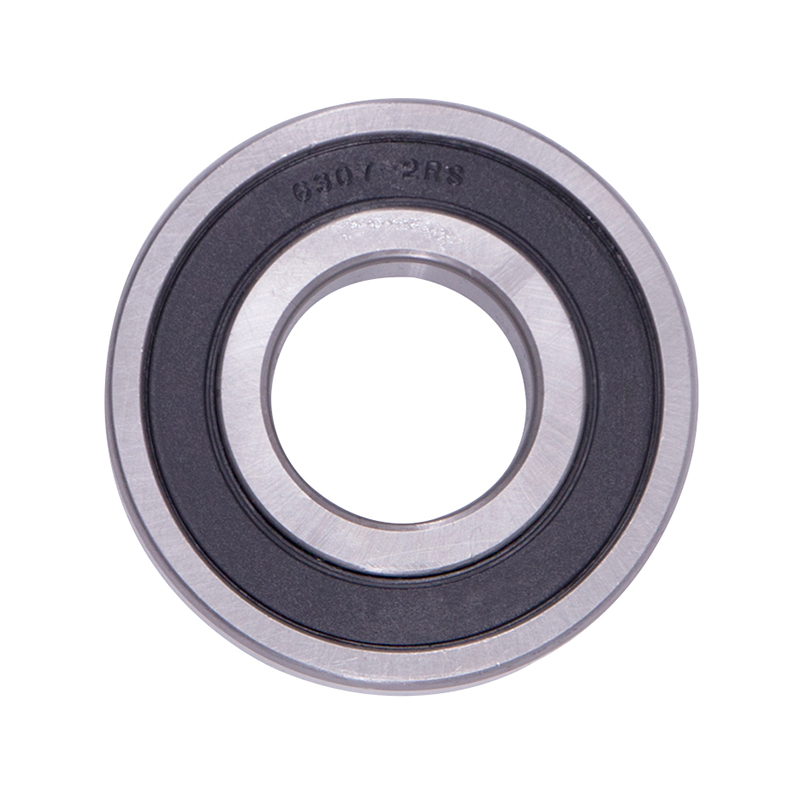 Wheel Hub Bearings
 -
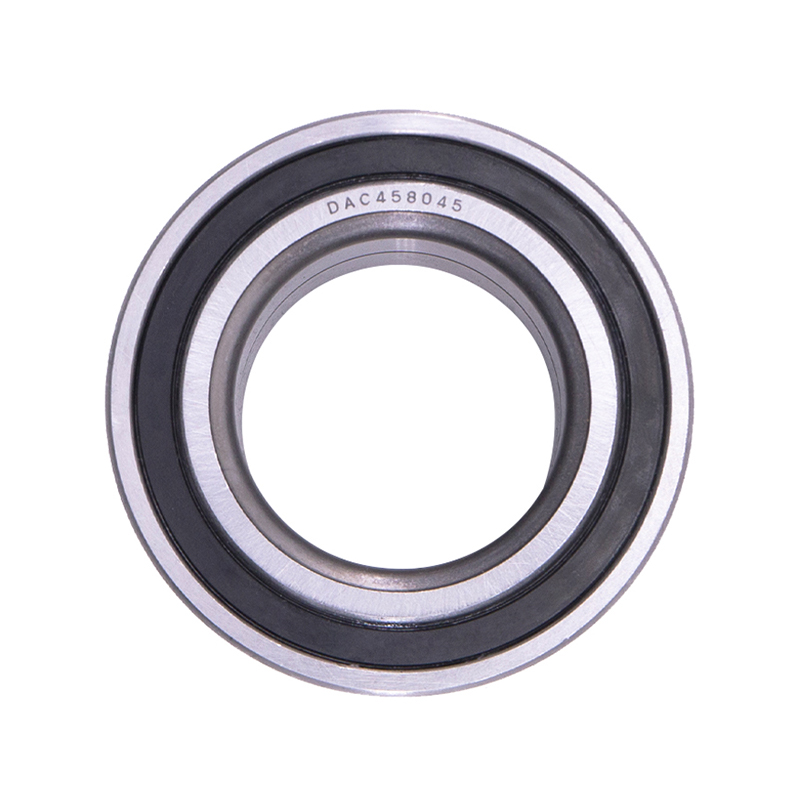 Wheel Hub Bearings
DAC387436 DAC458045 Hub Deep Groove Ball Car Wheel Bearing
-
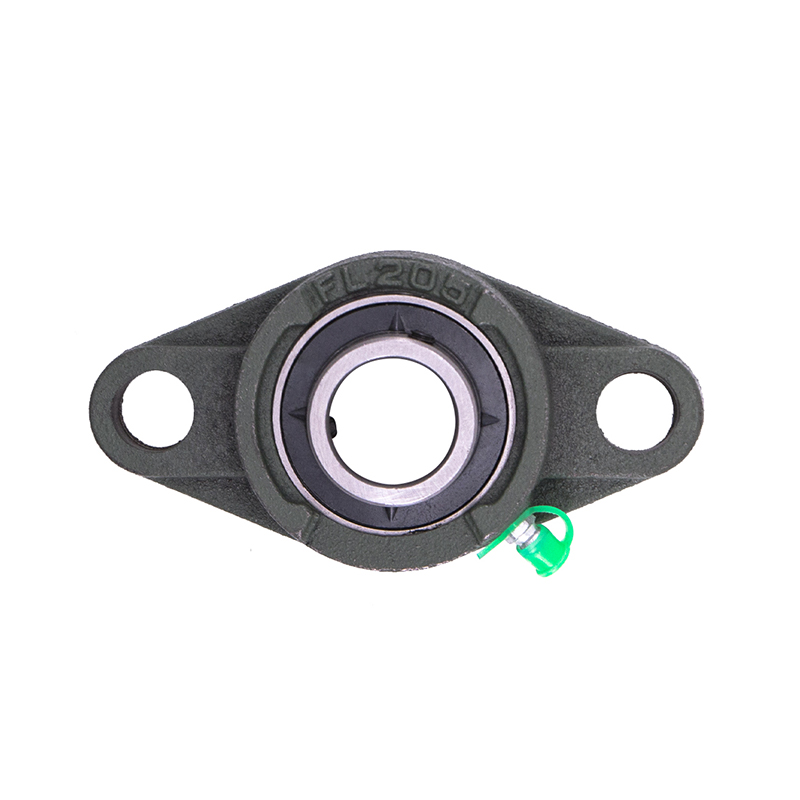 Spherical Bearings
FL204 FL205 FL206 Stainless Steel Pillow Block Bearing
-
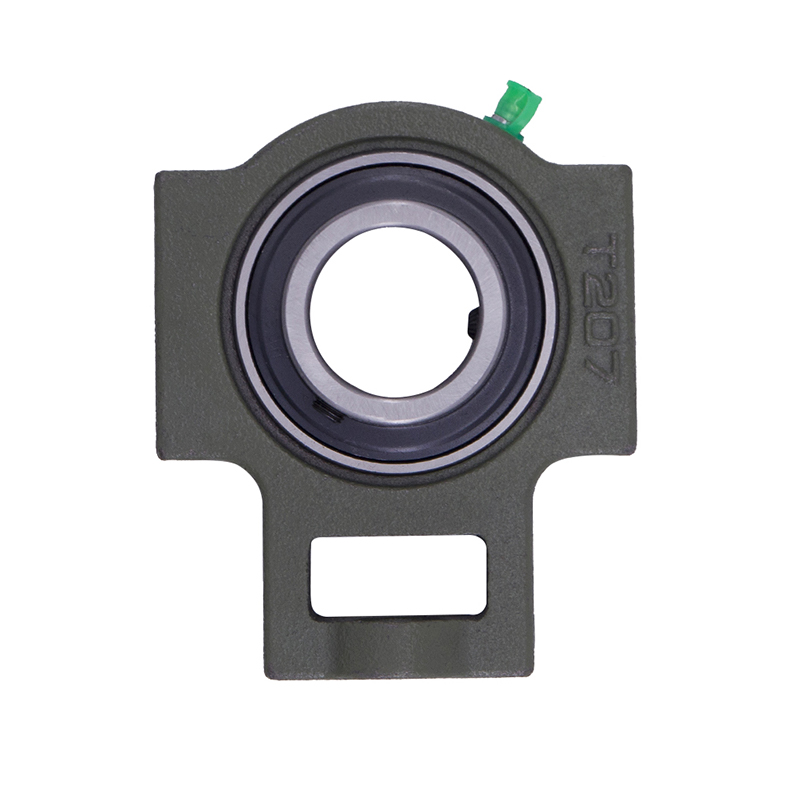 Spherical Bearings
T204 T207 UC204 High Speed Insert Pillow Block Bearing
-
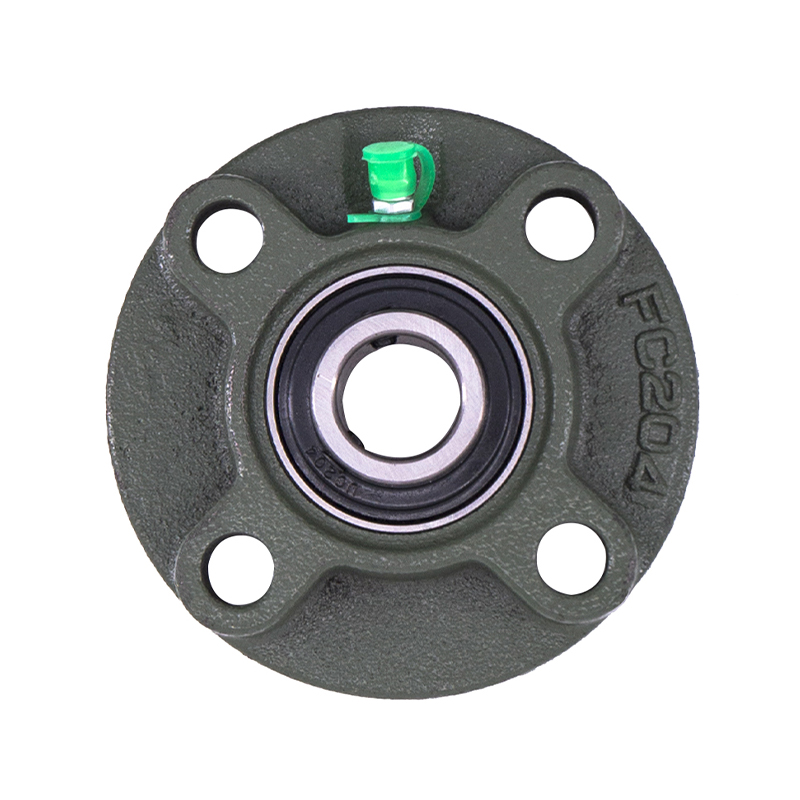 Spherical Bearings
FC204 F210 Auto Wheels Bike Pillow Block Bearing
-
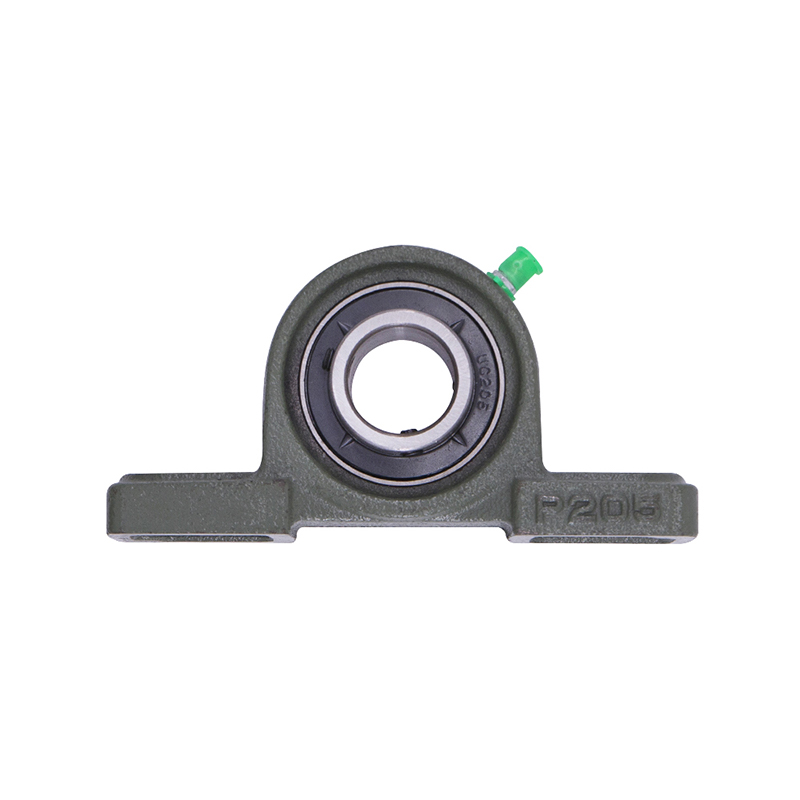 Spherical Bearings
P207 206 205 203 High Precision Wheel Pillow Block Bearing
-
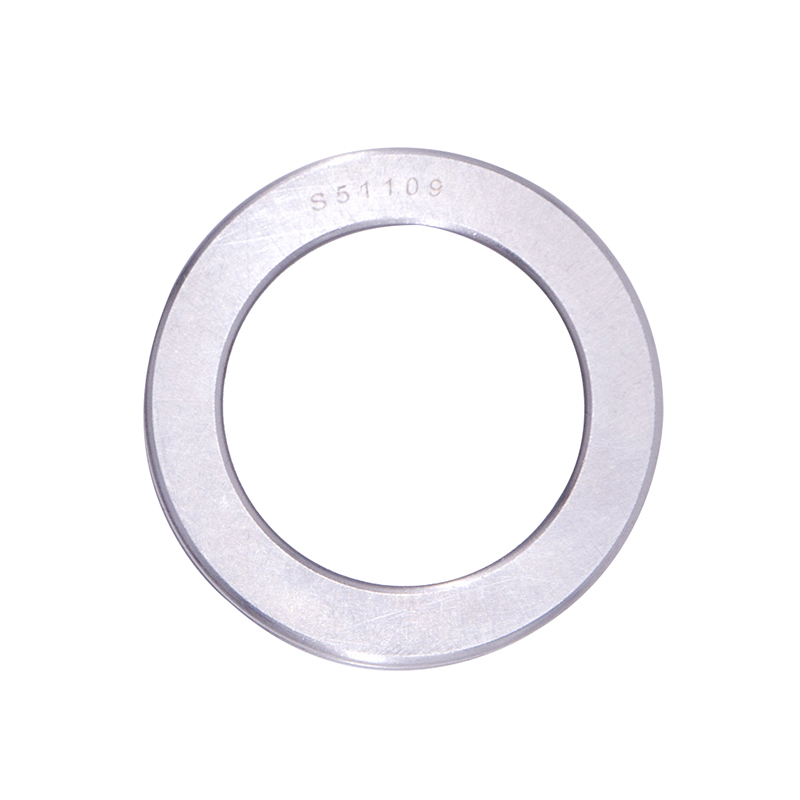 Thrust Roller Bearings
S51100 S51107 S51109 Car Wheel Plain Thrust Ball Bearing
-
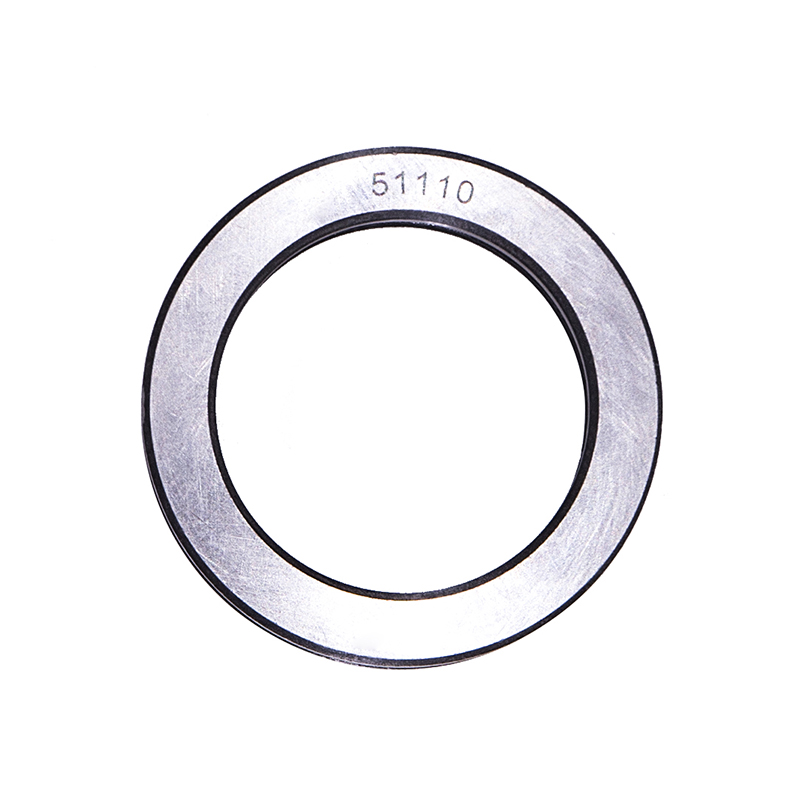 Thrust Roller Bearings
51110 51107 51104 51206 High Speed Plain Thrust Ball Bearing
Main Functions of a Cylindrical Roller Bearing
Industry news-Main Functions of a Cylindrical Roller Bearing
Load Support and Transmission
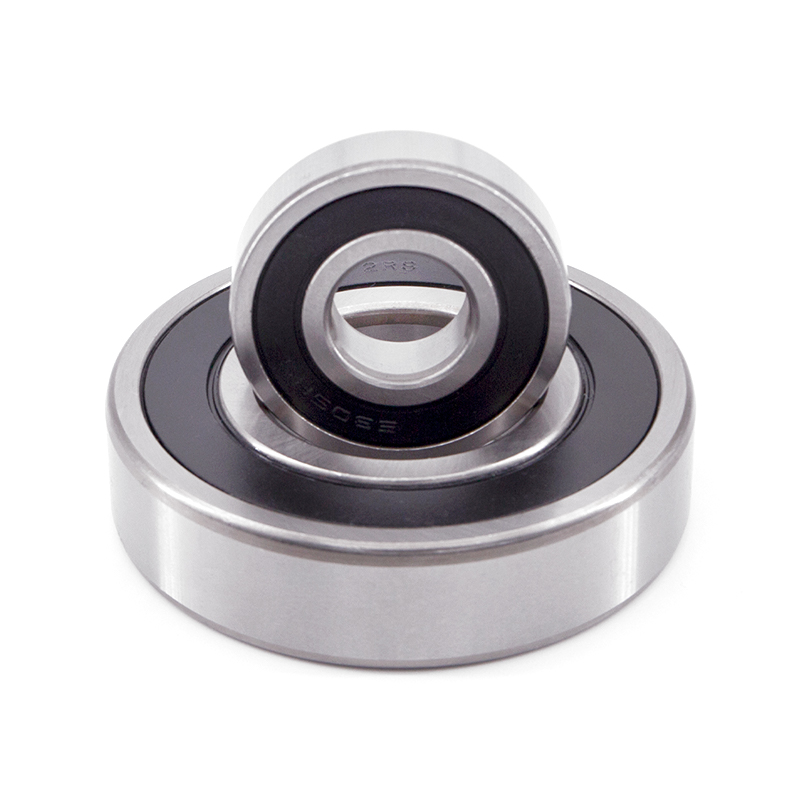
The primary function of a cylindrical roller bearing is to support radial loads while enabling smooth rotational motion between a shaft and a housing. The cylindrical rollers, positioned between the inner and outer rings, distribute the load over a larger contact area compared to ball bearings. This load distribution allows the bearing to handle higher radial forces without significant deformation. By supporting and transmitting radial loads efficiently, cylindrical roller bearings contribute to the stable operation of machinery and mechanical systems.
Reducing Friction in Rotating Systems
Cylindrical roller bearings also serve to reduce friction between moving components. The rolling elements replace sliding contact with rolling contact, which significantly lowers friction and wear. This function is critical in high-speed machinery or applications where continuous rotation occurs, such as motors, gearboxes, and industrial equipment. Lower friction also improves energy efficiency and reduces heat generation, which can extend the life of surrounding mechanical components.
Maintaining Shaft Alignment
Another key function is to maintain proper alignment between a rotating shaft and the housing. The precise geometry of the bearing allows the inner and outer rings to remain concentric, preventing misalignment during operation. This helps protect other mechanical components from uneven wear or excessive stress and supports reliable performance over long operational periods.
Supporting High-Speed Applications
Cylindrical roller bearings are designed to operate at moderate to high rotational speeds while carrying radial loads. The cage or separator keeps the rollers evenly spaced, which reduces vibration and ensures smooth operation. This function makes cylindrical roller bearings suitable for machinery that requires stable performance under continuous or heavy-duty rotational conditions.
Uses of a Cylindrical Roller Bearing
Industrial Machinery
Cylindrical roller bearings are widely used in industrial machinery such as electric motors, compressors, pumps, and gearboxes. In these applications, they provide support for rotating shafts, ensuring reliable operation and reduce mechanical wear. Bearings allow machines to handle continuous radial loads efficiently and reduce energy losses due to friction. They are particularly useful in applications where heavy-duty operation and consistent rotational performance are required.
Automotive and Transportation Equipment
These bearings are also used in automotive and transportation systems, including wheel hubs, transmission systems, and differential assemblies. In these applications, cylindrical roller bearings support rotating shafts while carrying radial loads from vehicle movement. Their durability and load-handling capabilities make them suitable for components exposed to high stress and dynamic forces during vehicle operation.
Machine Tools and Heavy Equipment
Cylindrical roller bearings are applied in machine tools, industrial rollers, and heavy equipment such as cranes, presses, and conveyor systems. The ability to manage heavy radial loads while maintaining rotational accuracy is particularly important for equipment that requires precise motion or supports high mechanical forces. These bearings help reduce maintenance requirements and contribute to longer service life for the equipment.
Advantages of a Cylindrical Roller Bearing
High Radial Load Capacity
One advantage of cylindrical roller bearings is their high radial load capacity. The linear contact between the rollers and raceways distributes the load over a larger surface area compared with ball bearings. This makes them suitable for applications with significant radial forces, such as industrial machinery and automotive drives.
Reduced Friction and Heat Generation
Cylindrical roller bearings provide rolling contact, which reduces friction compared with sliding contact in plain bearings. Reduced friction lowers heat generation, improves energy efficiency, and supports longer operating periods without excessive wear. This advantage is particularly important in high-speed applications or systems requiring continuous rotation.
Flexibility in Design and Mounting
Cylindrical roller bearings come in various designs, including single-row, double-row, and multi-row configurations. Some designs allow axial displacement, while others are fixed to control shaft movement. This flexibility enables engineers to select bearings according to load requirements, operating speed, and space constraints, making them adaptable for a range of mechanical systems.
Durability and Maintenance Efficiency
The robust construction of cylindrical roller bearings provides durability under heavy-duty operation. Proper lubrication and periodic maintenance allow the bearings to function reliably over extended periods. Their wear resistance and tolerance to high loads contribute to reduced downtime and maintenance requirements, which is important in industrial and automotive applications.
Our Product//
Related Product
If you are interested in our products, please consult us
Contact Details
- Address: 1377-13 Yinhai International, Jinhua, Zhejiang, China
- Fax: 0086-0319-8544668
- Tel: +86-15215868236
+86-15833609668 - Email: [email protected]
Products
Quick Link
News Center
Mobile terminal
Copyright © Yiwu Delian Bearing Co., Ltd. ALL RIGHTS RESERVED.
