
 English
 русский
 Español
-
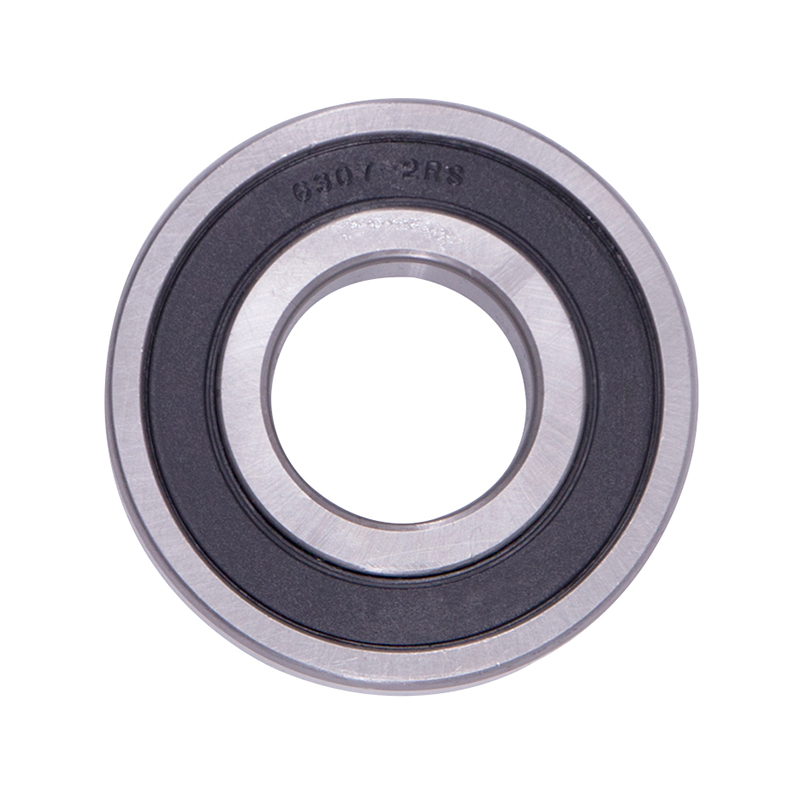 Wheel Hub Bearings
 -
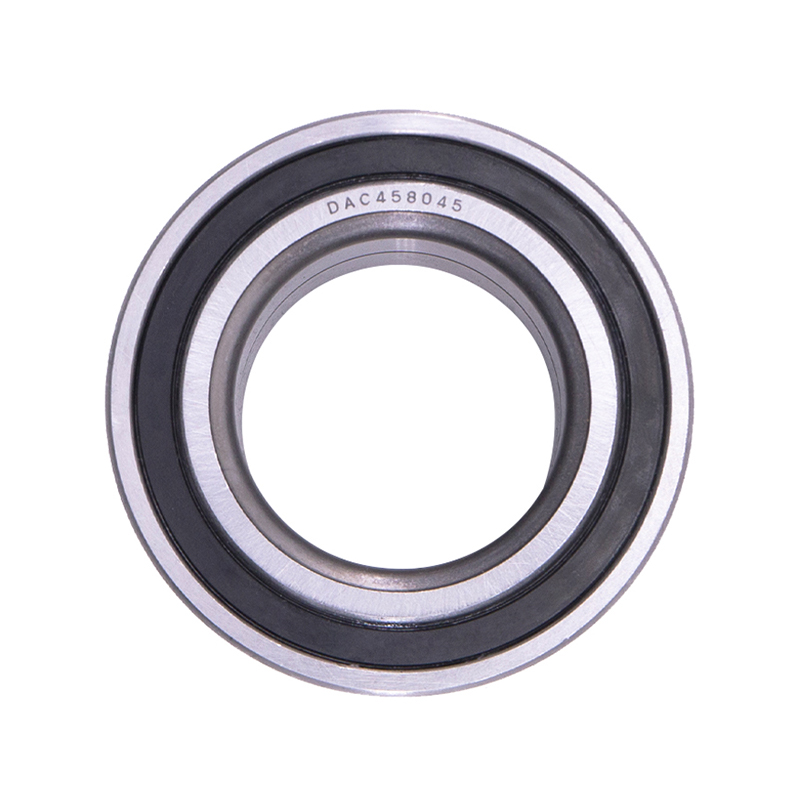 Wheel Hub Bearings
DAC387436 DAC458045 Hub Deep Groove Ball Car Wheel Bearing
-
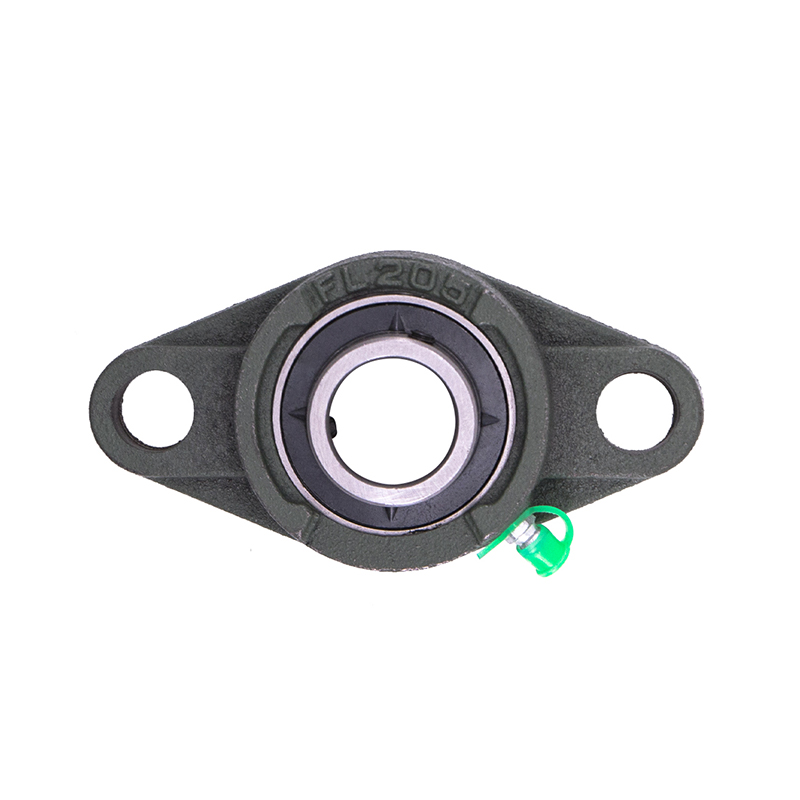 Spherical Bearings
FL204 FL205 FL206 Stainless Steel Pillow Block Bearing
-
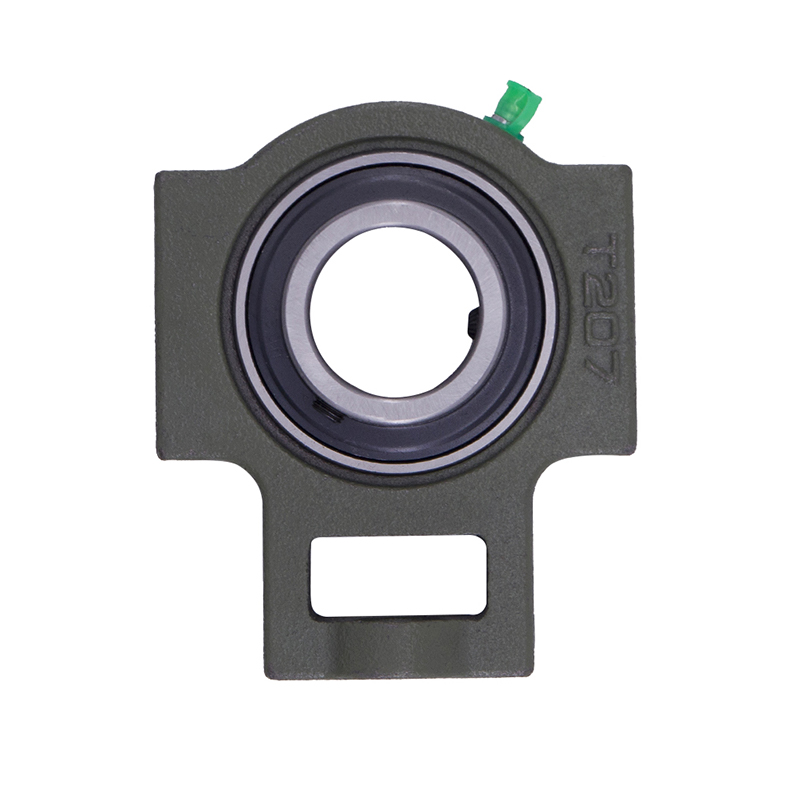 Spherical Bearings
T204 T207 UC204 High Speed Insert Pillow Block Bearing
-
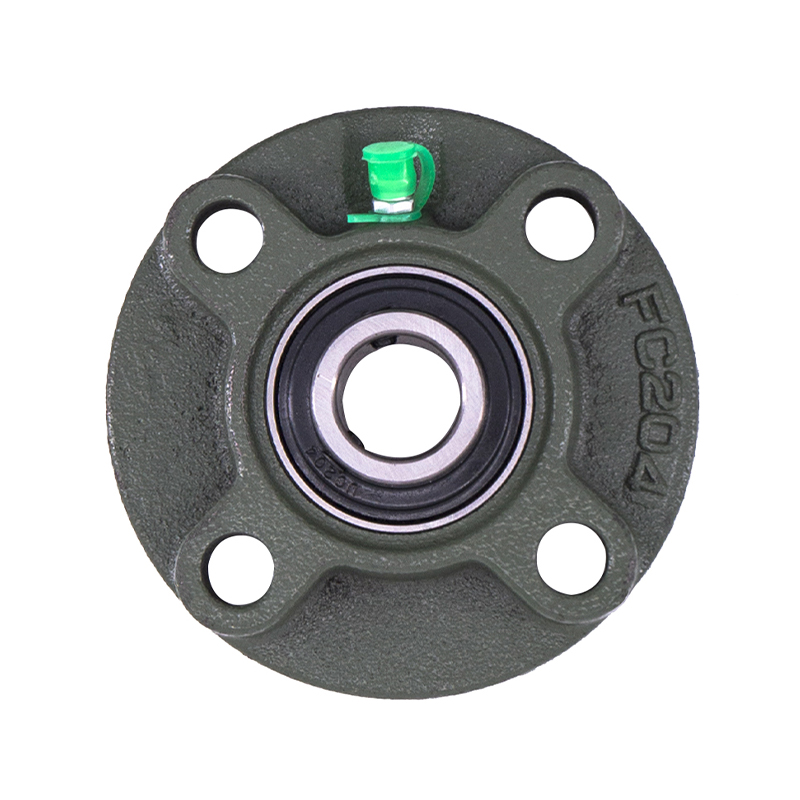 Spherical Bearings
FC204 F210 Auto Wheels Bike Pillow Block Bearing
-
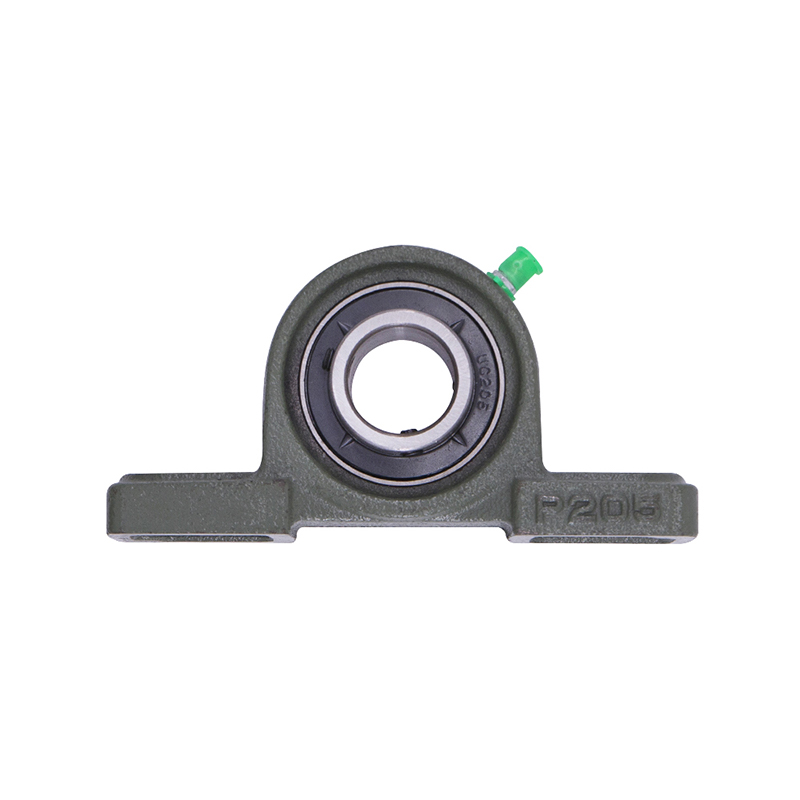 Spherical Bearings
P207 206 205 203 High Precision Wheel Pillow Block Bearing
-
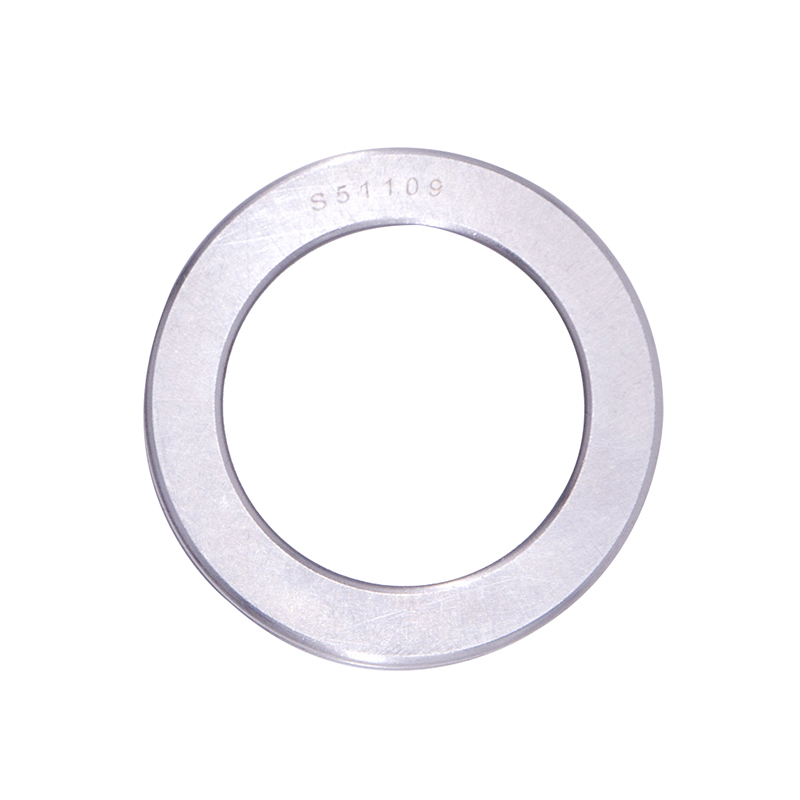 Thrust Roller Bearings
S51100 S51107 S51109 Car Wheel Plain Thrust Ball Bearing
-
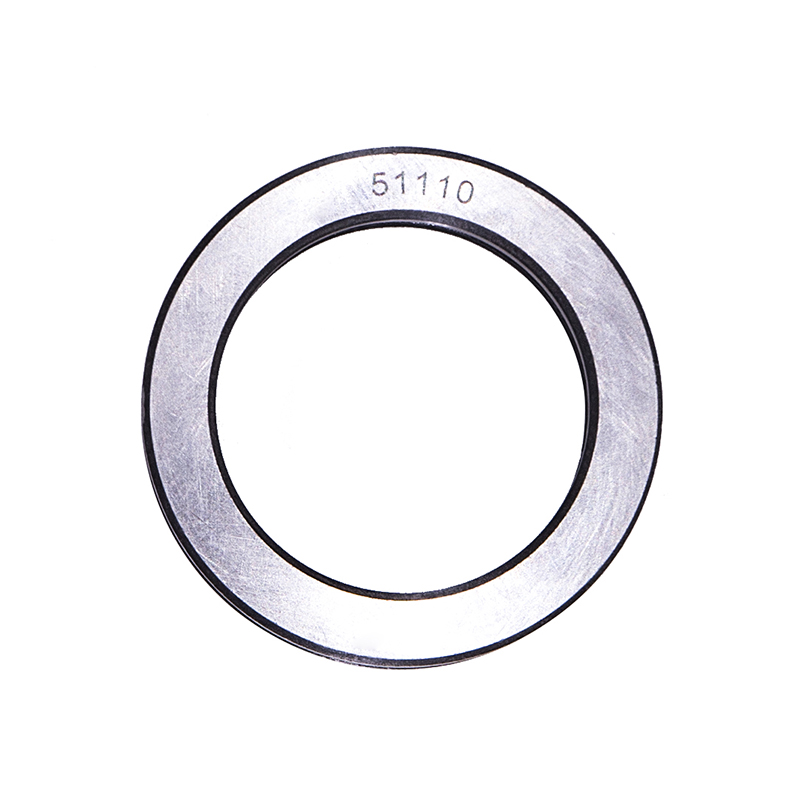 Thrust Roller Bearings
51110 51107 51104 51206 High Speed Plain Thrust Ball Bearing
What are the components of a taper roller bearing?
Industry news-A taper roller bearing factory is a separable assembly, typically consisting of four main parts.
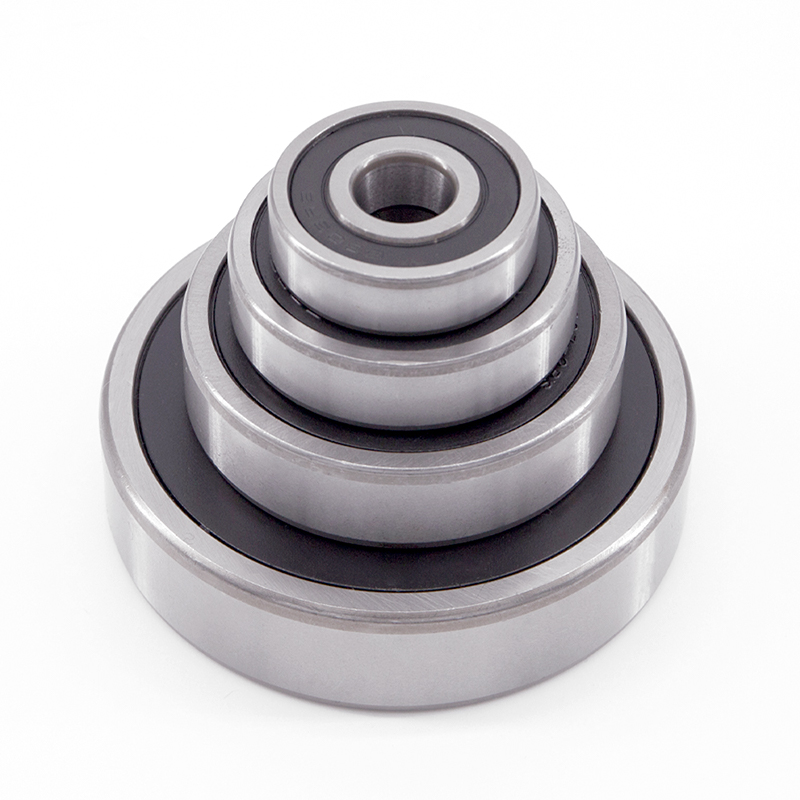
Cone (Inner Ring): This is the inner component, with a tapered raceway on its outer surface. It is mounted directly onto the rotating shaft.
Cup (Outer Ring): This is the outer component, with a matching tapered raceway on its inner surface. It is pressed into the stationary housing.
Tapered Rollers: These are the rolling elements, shaped like truncated cones. They are arranged in a single row between the cone and cup raceways. Their conical shape is the key to handling combined loads.
Cage (Retainer): This is a spacer, usually made from stamped or machined steel, bronze, or polymer. It holds the rollers evenly spaced around the cone, preventing them from contacting each other and ensuring proper load distribution and lubrication.
Why does a Taper Roller Bearing exist?
The bearing was developed to address specific load-handling requirements in machinery where simple radial or thrust bearings are insufficient.
Supporting Combined Radial and Thrust Loads
The primary reason for its existence is its unique ability to carry significant loads in both the radial direction (perpendicular to the shaft) and the axial direction (parallel to the shaft). The tapered design of the rollers and raceways creates a contact angle. Under load, a force component is generated that pushes the cone and cup apart axially. This allows the bearing to manage thrust loads inherently. The magnitude of thrust capacity is directly related to the contact angle; a steeper angle supports greater thrust relative to radial load.
Providing High Load Capacity and Rigidity
Due to line contact between the tapered rollers and the raceways (as opposed to the point contact in ball bearings), taper roller bearings can support higher radial and thrust loads for a given physical size. This makes them suitable for heavy-duty applications. The rigid construction also helps maintain precise shaft positioning under load, which is important for applications like gearboxes and wheel hubs.
Facilitating Adjustment and Preload
Taper roller bearings are typically mounted in pairs, opposed to each other. This configuration allows for precise adjustment of the internal clearance (endplay) or the application of a controlled preload. Adjustment is achieved by axially positioning one bearing relative to the other during installation. Proper adjustment eliminates unwanted axial movement (endplay) for precise operation, while controlled preload can increase system rigidity and reduce noise under light loads, though it also increases friction and operating temperature.
Technical Issues of Taper Roller Bearings
Several performance and maintenance challenges are associated with the design and use of these bearings.
Precise Adjustment and Installation Complexity: A significant technical issue is the requirement for correct adjustment of bearing clearance or preload. Insufficient preload bring about axial play (endfloat), causing vibration, noise, and impact loads that can damage the bearings and associated components. Excessive preload increases friction, generates excessive heat, accelerates wear, and can bring about premature bearing failure due to lubrication breakdown. Achieving the correct setting requires skill and proper measurement tools during assembly.
Heat Generation and Thermal Management: Because they often operate under high loads and may be run with preload, taper roller bearings generate more frictional heat than simple deep-groove ball bearings. This heat must be effectively dissipated. Inadequate lubrication, incorrect viscosity, or poor heat dissipation from the housing can bring about overheating. Overheating can degrade the lubricant, cause thermal expansion that alters the preload setting, and potentially bring about metallurgical changes in the bearing steel (tempering), reducing hardness and load capacity.
Sensitivity to Misalignment: While they can accommodate a small amount of misalignment, taper roller bearings are less forgiving than self-aligning bearing types (like spherical roller bearings). Angular misalignment between the shaft and housing bores causes uneven load distribution across the rollers. This bring about edge loading, where stress is concentrated on the ends of the rollers and the corresponding raceway shoulders, resulting in accelerated fatigue, spalling, and reduced bearing life. Precise machining and alignment of mounting surfaces are therefore necessary.
Lubrication Requirements: The line contact and high loads demand effective lubrication to separate the rolling surfaces and prevent metal-to-metal contact. Lubricant film formation is critical. Issues arise from using the wrong lubricant type or viscosity, contamination with abrasive particles, or lubricant starvation. In many applications, especially automotive wheel hubs, the bearings are sealed and lubricated for life, meaning failure of the seal leads directly to contamination and lubricant loss, which is a common failure mode.
Our Product//
Related Product
If you are interested in our products, please consult us
Contact Details
- Address: 1377-13 Yinhai International, Jinhua, Zhejiang, China
- Fax: 0086-0319-8544668
- Tel: +86-15215868236
+86-15833609668 - Email: [email protected]
Products
Quick Link
News Center
Mobile terminal
Copyright © Yiwu Delian Bearing Co., Ltd. ALL RIGHTS RESERVED.
