
 English
 русский
 Español
-
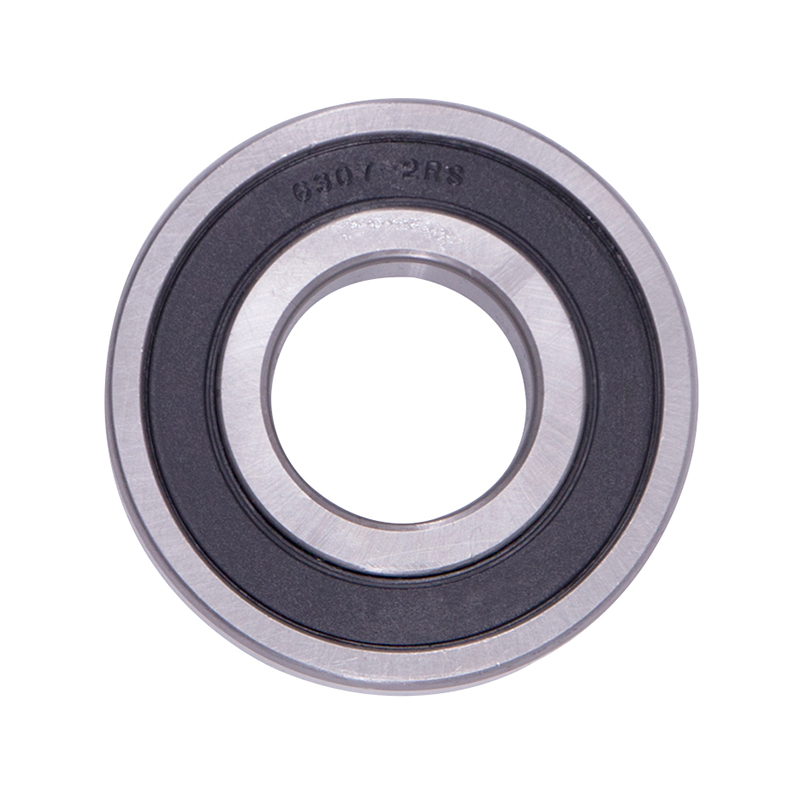 Wheel Hub Bearings
 -
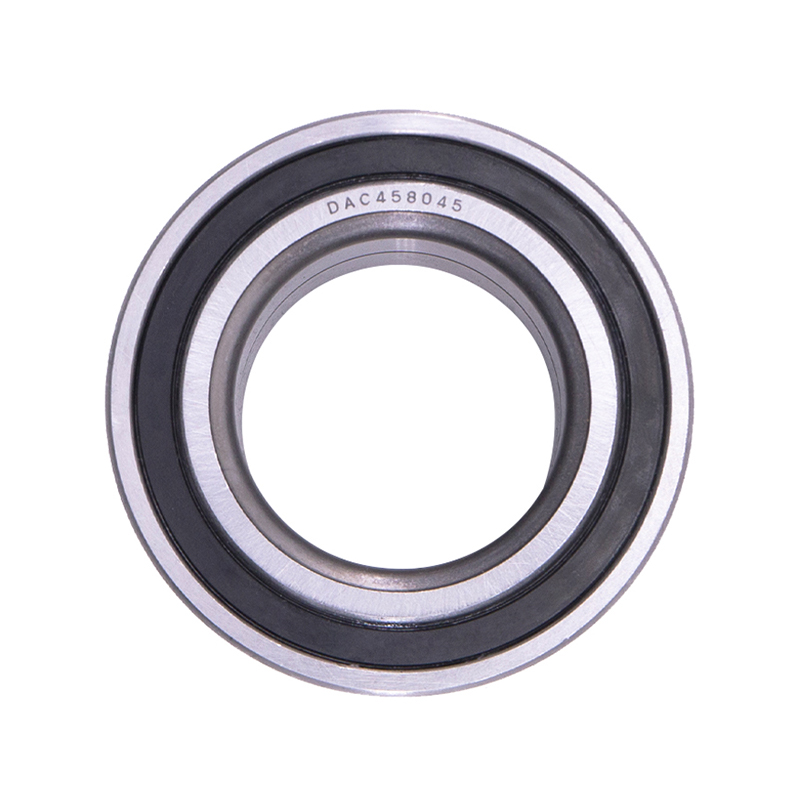 Wheel Hub Bearings
DAC387436 DAC458045 Hub Deep Groove Ball Car Wheel Bearing
-
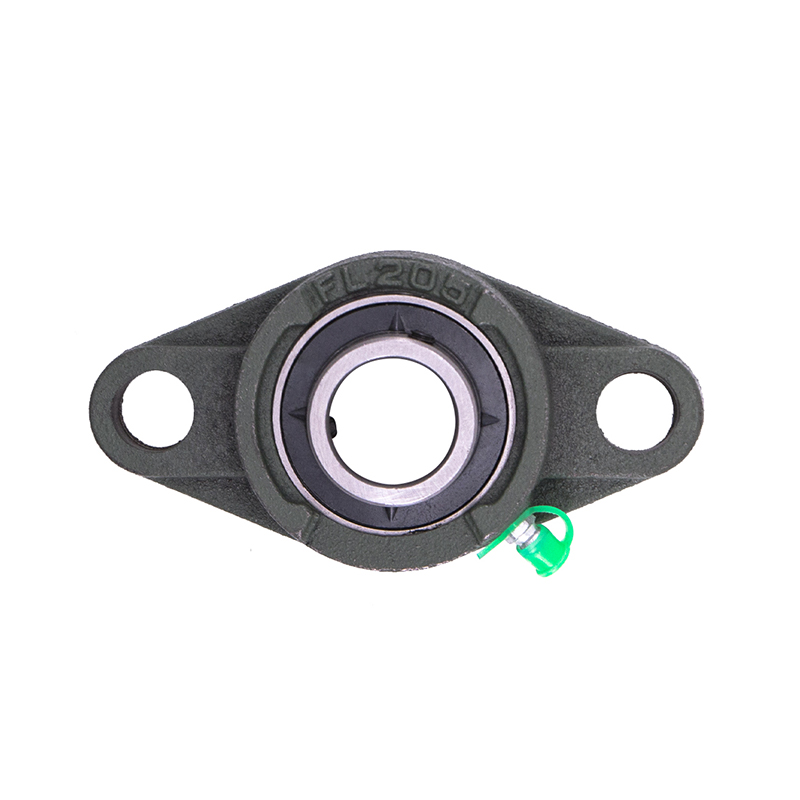 Spherical Bearings
FL204 FL205 FL206 Stainless Steel Pillow Block Bearing
-
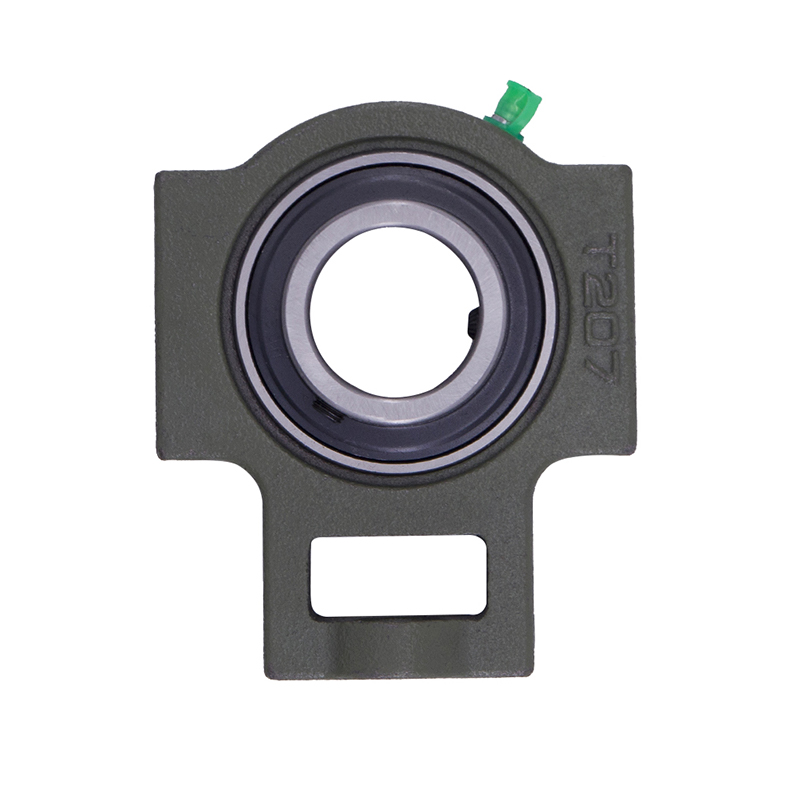 Spherical Bearings
T204 T207 UC204 High Speed Insert Pillow Block Bearing
-
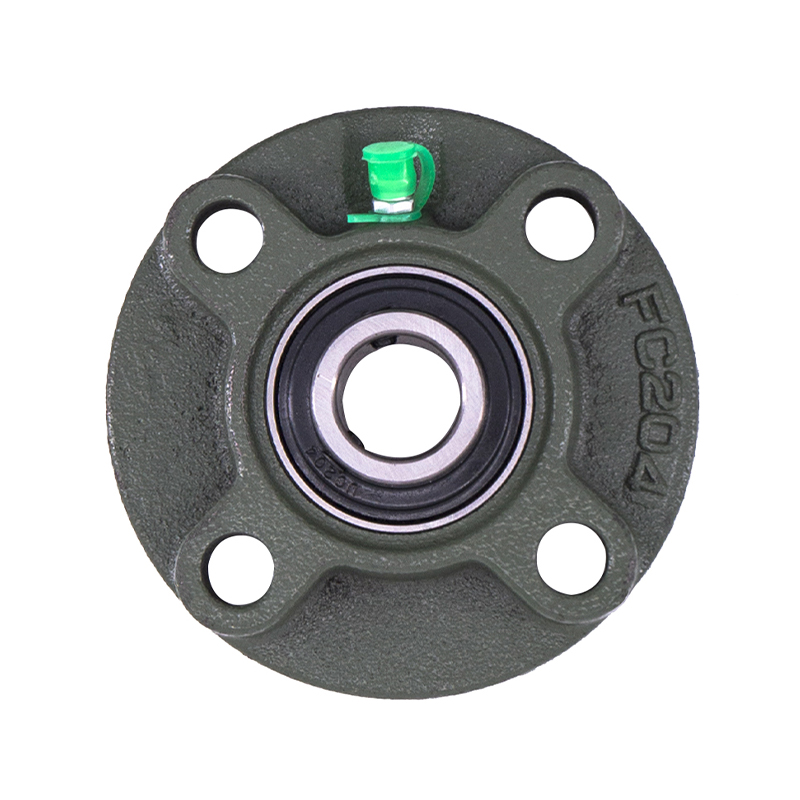 Spherical Bearings
FC204 F210 Auto Wheels Bike Pillow Block Bearing
-
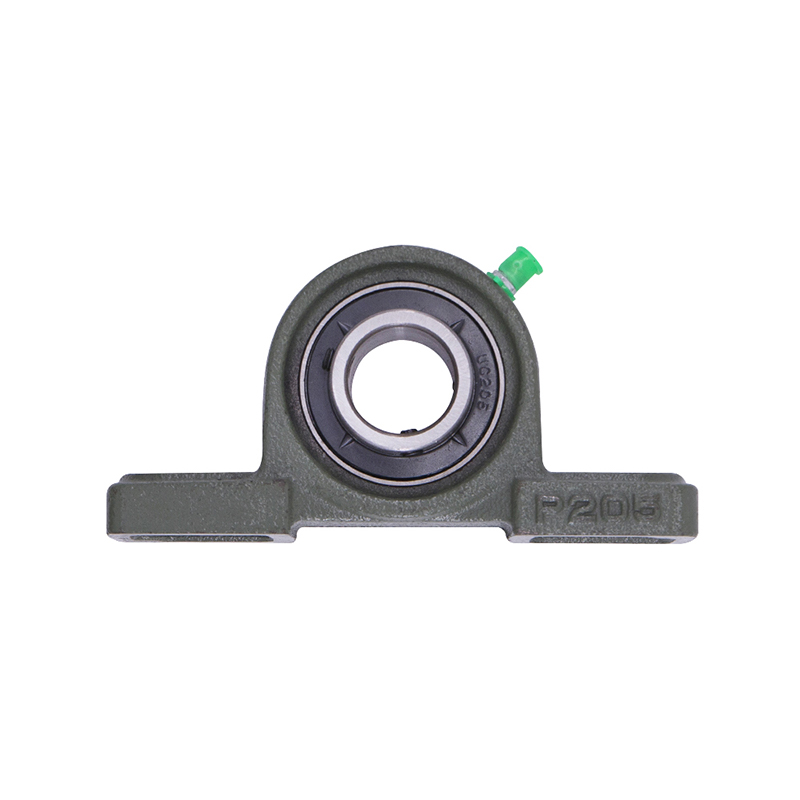 Spherical Bearings
P207 206 205 203 High Precision Wheel Pillow Block Bearing
-
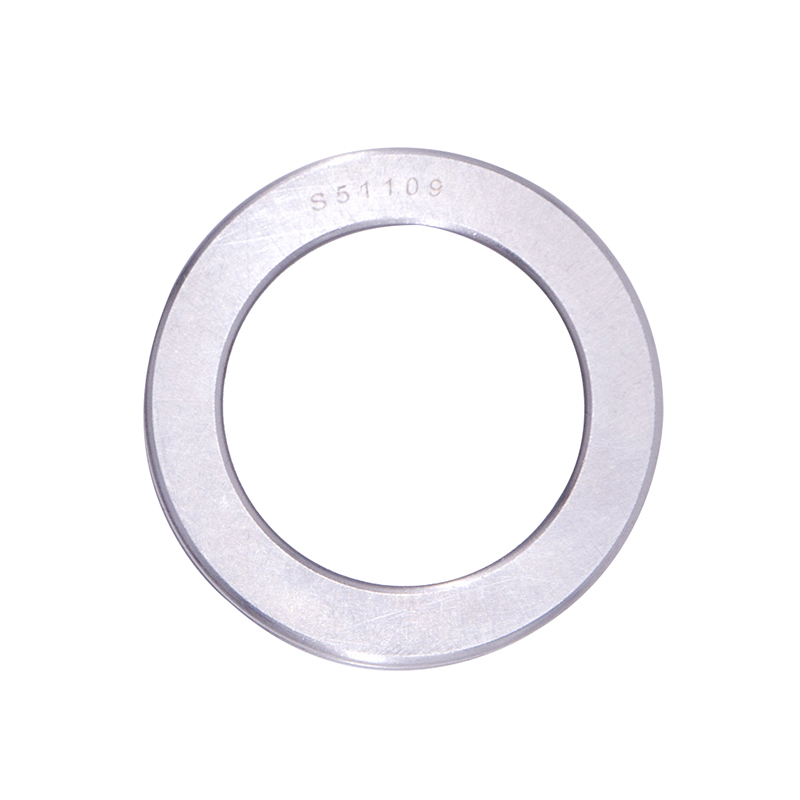 Thrust Roller Bearings
S51100 S51107 S51109 Car Wheel Plain Thrust Ball Bearing
-
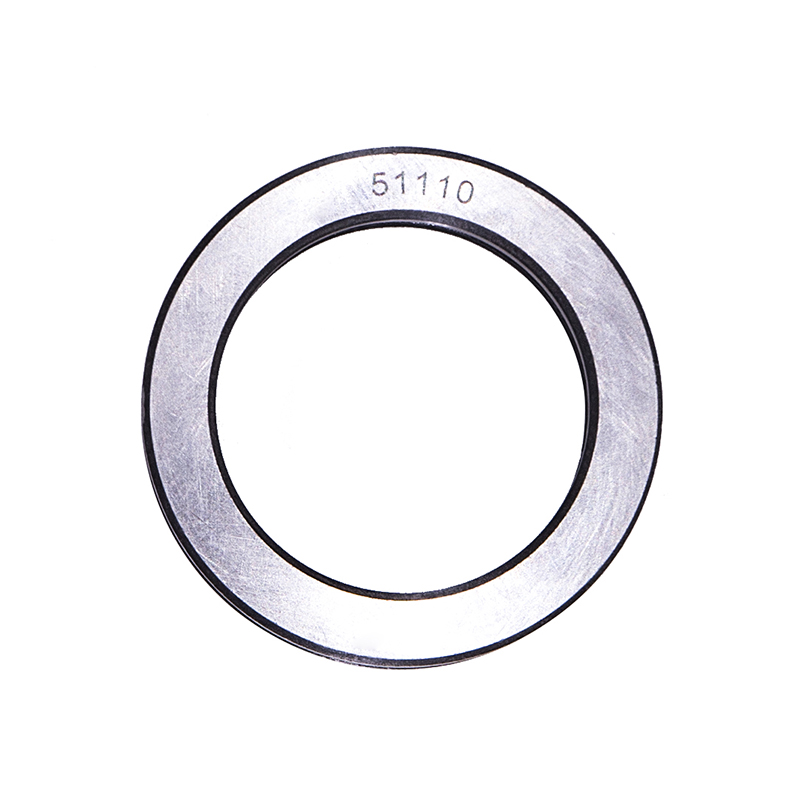 Thrust Roller Bearings
51110 51107 51104 51206 High Speed Plain Thrust Ball Bearing
What Are the Materials Used in Cylindrical Roller Bearings?
Industry news-Bearing Steel: The Foundation of Cylindrical Roller Bearings
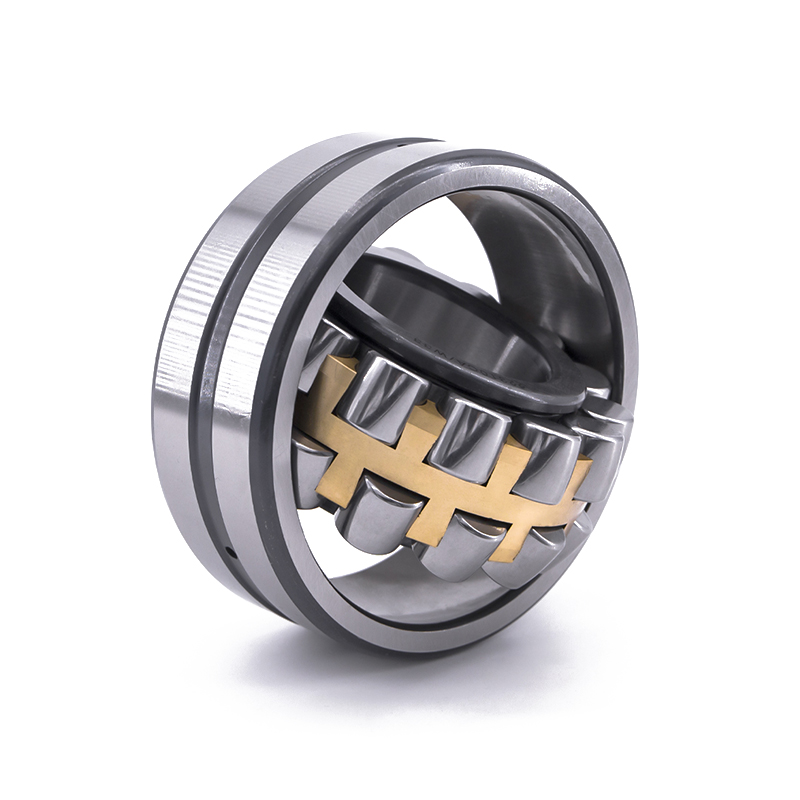
Bearing steel factory is the most common material for the inner and outer rings of cylindrical roller bearings.
Types of Steel: High-carbon chromium steel, often designated as GCr15 or SAE 52100, is widely used. This steel offers a balance of hardness, toughness, and fatigue resistance. For specialized applications, stainless bearing steel may be used to provide corrosion resistance.
Properties: Bearing steel is characterized by high hardness after heat treatment, resistance to wear, and the ability to maintain dimensional stability under load. These properties ensure that the inner and outer rings can support heavy radial loads while maintaining precision.
Applications: Standard cylindrical roller bearings in industrial machinery and automotive components primarily use high-carbon chromium steel. Bearings in chemical, marine, or food-processing environments often use stainless steel to prevent corrosion.
Function: The bearing steel forms the structural foundation of the roller bearing, ensuring reliable performance under high stress and continuous operation.
Cage Materials: Supporting and Guiding Rollers
The cage, or retainer, keeps the cylindrical rollers evenly spaced and reduces friction.
Steel Cages: Pressed steel or machined steel cages are commonly used in heavy-duty bearings. Steel cages provide high strength and durability, suitable for high-speed or high-load applications.
Brass Cages: Brass cages are preferred in applications where low friction, corrosion resistance, and smoother operation are required. They are often used in electrical machinery or precision equipment.
Polymer Cages: Modern bearings may use polymer or reinforced plastic cages for reduced weight, lower noise, and better lubrication retention. These cages are suitable for medium-speed applications and environments where metallic cages may not be ideal.
Function: Cage materials are chosen to balance strength, wear resistance, friction, and environmental compatibility. Proper cage selection ensures smooth roller movement and extends the bearing's operational life.
Rolling Element Materials: Cylindrical Rollers
The cylindrical rollers themselves are critical components, as they directly transmit loads between the inner and outer rings.
Bearing Steel Rollers: Like the rings, rollers are typically made from high-carbon chromium steel. They undergo precision machining and heat treatment to achieve hardness and fatigue resistance.
Stainless Steel Rollers: In environments prone to moisture, chemicals, or other corrosive conditions, stainless steel rollers are used. These provide corrosion resistance while maintaining adequate hardness and wear resistance.
Ceramic Rollers: In some specialized applications, silicon nitride or other ceramic materials are used for rollers. Ceramic rollers offer low density, high hardness, and wear resistance, which can reduce friction and increase efficiency.
Function: The roller material must withstand repeated loading, minimize deformation, and maintain surface integrity to ensure smooth rotation and long service life.
Supplementary Components: Seals, Shields, and Lubrication Elements
Cylindrical roller bearings may include additional components to enhance performance and protection.
Seals and Shields: Rubber, elastomer, or metal shields prevent contamination from dust, moisture, and debris. The choice of material depends on operating temperature, chemical exposure, and rotational speed.
Lubrication Elements: Some bearings integrate polymer-based retainers or channels to hold grease or oil. These materials aid in lubrication distribution, reduce wear, and enhance bearing reliability.
Function: While not primary load-bearing components, these materials contribute to operational efficiency, durability, and environmental protection, ensuring the bearing functions properly over time.
Our Product//
Related Product
If you are interested in our products, please consult us
Contact Details
- Address: 1377-13 Yinhai International, Jinhua, Zhejiang, China
- Fax: 0086-0319-8544668
- Tel: +86-15215868236
+86-15833609668 - Email: [email protected]
Products
Quick Link
News Center
Mobile terminal
Copyright © Yiwu Delian Bearing Co., Ltd. ALL RIGHTS RESERVED.
